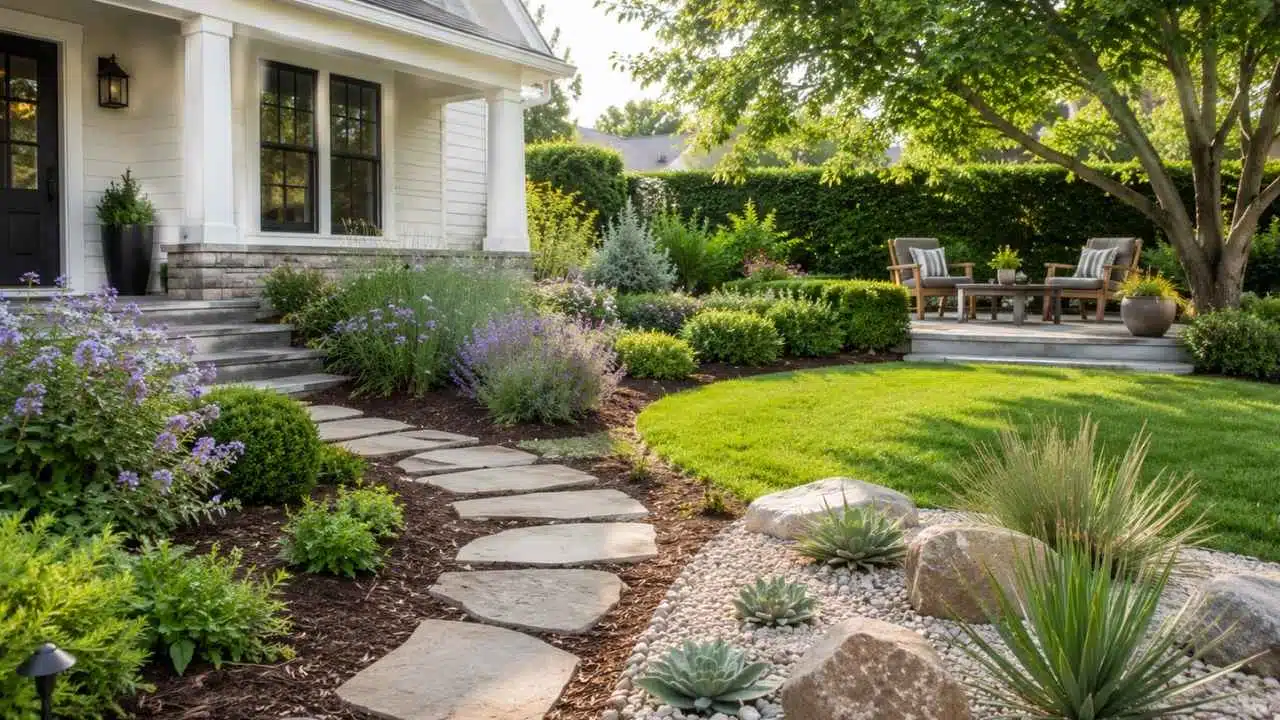
A beautiful landscape does not have to demand every free weekend on your calendar. The most inviting yards often rely on thoughtful planning instead of constant maintenance. Choosing the right plants, creating practical outdoor spaces, and investing in a few time-saving tools can make a dramatic difference without turning gardening into a full-time hobby. Whether you have a small suburban lot or several acres to care for, a few smart decisions now can pay off for years to come.
Start With Healthy Plants That Are Built to Thrive
The success of any landscape begins long before the first hole is dug. Ordering healthy trees online gives homeowners access to a wider selection of species that may not be available at local garden centers. It also makes it easier to compare mature sizes, growing conditions, and seasonal interest before making a purchase.
Choosing trees that naturally fit your climate reduces watering needs and improves long-term health. Native and well-adapted varieties typically establish themselves faster because they are already suited to local weather patterns. Think beyond appearance, too. Consider how much shade a tree will provide, whether it produces colorful fall foliage, and how its root system may affect nearby sidewalks or patios. A little planning prevents expensive surprises years later and creates a landscape that matures gracefully.
Build Layers Instead of Filling Every Empty Space
Many homeowners feel tempted to plant everything at once, but landscapes often look better when they develop in layers. Start with trees as the tallest feature, then add shrubs, ornamental grasses, and flowering perennials that provide texture throughout the seasons. Ground covers can fill remaining gaps while reducing weeds and helping the soil retain moisture.
This layered approach creates depth without making the yard feel crowded. It also allows each plant enough room to reach its mature size without competing for sunlight or nutrients. Mulch ties the design together while helping regulate soil temperature and reducing evaporation during hot summer months. As the landscape matures, each layer complements the others instead of competing for attention.
Choose Features That Stay Attractive Through Every Season
A landscape should offer something interesting throughout the year instead of peaking for only a few weeks in spring. Evergreen shrubs provide structure during winter, while flowering perennials deliver changing colors from spring through fall. Ornamental grasses add movement and texture even after their growing season ends.
Hardscaping also deserves careful consideration. Stone walkways, decorative edging, and attractive seating areas continue adding character even when plants are dormant. Outdoor lighting extends the enjoyment of the landscape after sunset while highlighting focal points such as specimen trees or garden beds. The result feels intentional every month of the year instead of relying on one brief burst of blooms.
Save Time Without Giving Up a Well-Kept Lawn
Technology has changed the way many homeowners maintain their landscapes. Using robot lawn mowers can reduce one of the most time-consuming chores while keeping grass consistently trimmed throughout the growing season. Because these machines mow more frequently, they leave behind smaller clippings that naturally break down and return nutrients to the soil.
That extra time can be spent pruning shrubs, planting seasonal flowers, or simply enjoying the outdoor space rather than pushing a mower across the yard every weekend. Pairing automated mowing with efficient irrigation systems and drought-tolerant plants creates a landscape that looks polished without demanding constant attention. Modern convenience and attractive landscaping work surprisingly well together when each element supports the overall design.
Let the Landscape Evolve Over Time
One of the biggest mistakes homeowners make is expecting instant results. Trees need time to establish strong root systems, shrubs gradually fill out, and perennial gardens become more impressive with each growing season. Allowing the landscape to mature naturally often produces a more balanced and welcoming appearance than trying to force rapid growth.
Take notes on what performs well each year and do not hesitate to make small adjustments as conditions change. A plant that struggles in one location may thrive elsewhere in the yard. As shade patterns shift and trees grow taller, some garden beds may benefit from different varieties. Treat the landscape as an ongoing project instead of a finished product, and it will continue rewarding your efforts for many years. In the end, patience and thoughtful planning usually produce the most beautiful outdoor spaces.