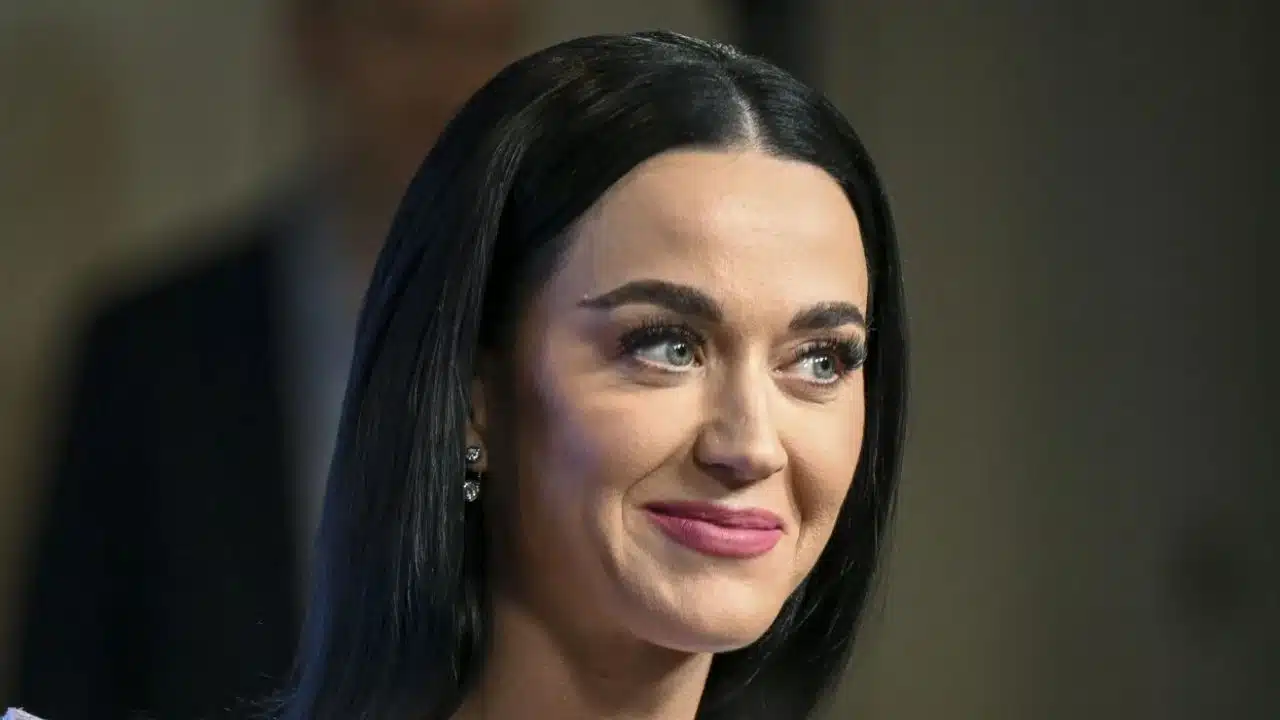
This week, Blue Origin’s New Shepard spacecraft (NS-31) completed a high-profile suborbital mission, one that’s dominating headlines far beyond the usual space and science coverage. Why is this event creating such a buzz? This flight was not just another test of private aerospace capabilities — it featured an all-female crew, including pop superstar Katy Perry, philanthropist and pilot Lauren Sánchez, and four other accomplished women.
From tabloids to tech blogs, the flight’s glamor and symbolism generated widespread media attention. A Grammy-nominated artist launching into space is a rare occurrence. However, amidst the celebration, some voices from within the space journalism community, such as Ars Technica, opted to remain largely silent. Why?
Why Ars Technica Sat This One Out
Eric Berger, a senior space editor at Ars Technica, explained the outlet’s decision: they didn’t view NS-31 as historically significant in terms of the long-term progress of spaceflight. Berger shared that while he respects the happiness and personal milestones of the crew, particularly since the flight was privately funded and safely executed, the media spectacle surrounding the event made him uneasy.
He elaborated that the core value of commercial spaceflight lies in its ability to reduce the cost of access to space — a crucial step toward building a truly spacefaring civilization. But events like NS-31, he argues, risk trivializing the deeper mission of commercial space innovation. Instead of focusing on space as a platform for exploration, research, and technological progress, such flights can be perceived as elite photo ops — a perception that first took root when Jeff Bezos and Richard Branson flew aboard their own rockets in 2021.
In Berger’s words, NS-31 felt like an extension of that “billionaire joyride” narrative, only this time with a celebrity twist. And that, he fears, undermines the hard-earned credibility of the industry’s achievements.
From Glamour to Government Scrutiny
The story might have faded into a celebratory blur — until U.S. Secretary of Transportation Sean Duffy decided to weigh in. On Thursday night, he took to social media platform X (formerly Twitter), posting a pointed critique of the mission:
“The last FAA guidelines under the Commercial Space Astronaut Wings Program were clear: Crewmembers who travel into space must have ‘demonstrated activities during flight that were essential to public safety, or contributed to human space flight safety.’
The crew who flew to space this week on an automated flight by Blue Origin were brave and glam, but you cannot identify as an astronaut. They do not meet the FAA astronaut criteria.”
That one statement — shared by the nation’s top transportation official, who oversees the Federal Aviation Administration (FAA)—triggered a firestorm of backlash and debate.
FAA’s Policy on Who Gets to Be an ‘Astronaut’
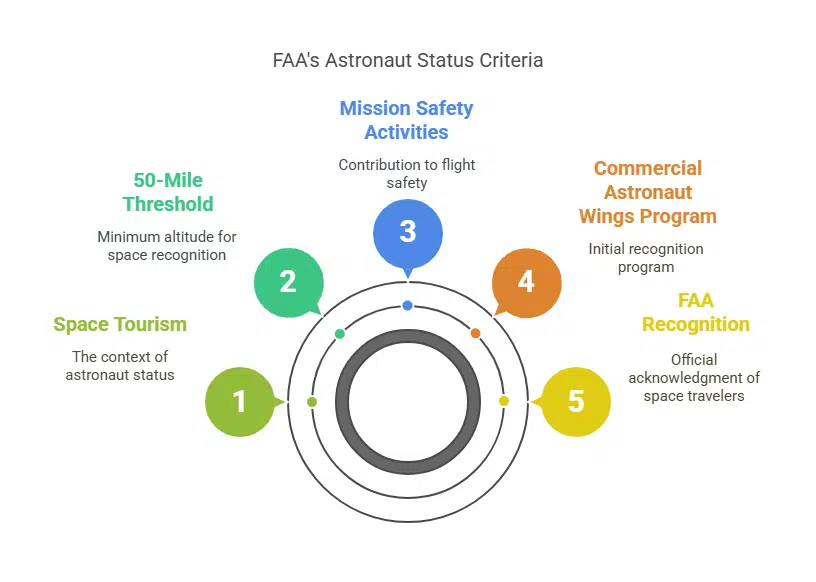
The controversy isn’t new. For years, the spaceflight community has debated whether space tourists — especially those aboard automated suborbital flights — deserve the title of “astronaut.” In 2004, the FAA introduced the Commercial Astronaut Wings program, awarding astronaut status to private citizens who reached space and performed activities critical to the mission’s safety.
That standard was first applied to Mike Melvill and Brian Binnie, pilots of SpaceShipOne, and later to passengers aboard Virgin Galactic, Blue Origin, and SpaceX’s Crew Dragon missions. The requirement? The requirement was to reach at least 50 statute miles (about 80 km) above Earth’s surface, which was the FAA’s official definition of space at the time.
However, in December 2021, the FAA retired the wings program, citing the rise of routine space tourism. They stopped issuing official astronaut wings and instead started listing names of qualifying individuals on their website, provided the flight was FAA-licensed and crossed the 50-mile threshold.
In fact, the FAA clearly states:
“The FAA no longer designates anyone as an ‘astronaut.’ In addition, the FAA does not define where space begins.”
The above statement directly contradicts Secretary Duffy’s assertion. Despite his influential position, the FAA no longer has a formal process for astronaut designation. Under its current policy, Katy Perry, Lauren Sánchez, and the four other women on NS-31 are officially recognized as space travelers who reached the required altitude.
The FAA lists them on its public spaceflight roster.
Is the ‘Astronaut’ Title Outdated?
The heart of this debate lies in semantics and symbolism. What makes someone an astronaut? Is it the altitude they reach? The training they undergo? What hazards do they encounter? Could it be the danger they face, or the mission they accomplish?
In 2019, Ars Technica interviewed several veteran NASA astronauts. Most agree: if you strap into a rocket and reach the edge of space—whether it’s 80 km or 100 km—you’re an astronaut. Yes, there’s a difference between space tourists and career professionals, but the threshold shouldn’t invalidate the experience entirely.
From a technical standpoint, the NS-31 mission is notable:
-
It flew above 100 km, surpassing the Kármán Line, the internationally recognized boundary of space.
-
It was automated, requiring no pilot or crew input for navigation.
-
It was launched under an FAA license, meeting all safety and procedural requirements.
While the mission was brief — about 11 minutes from launch to landing — its participants still experienced microgravity and a view of Earth from space, similar to many astronauts before them.
Political Undertones? Perry and the Biden Connection
Critics of Duffy’s comments argue that his remarks might be politically motivated. Katy Perry performed at the inauguration of President Joe Biden and has been a vocal supporter of Vice President Kamala Harris. Under the guise of regulatory clarity, Duffy, a Trump appointee, may be targeting a prominent Democratic ally.
Others suggest it could be part of the ongoing rivalry between Elon Musk and Jeff Bezos. With Musk’s SpaceX being the dominant force in orbital space travel and NASA partnerships, some believe there may be internal pressure to highlight differences in mission significance.
Still, it’s worth noting: nobody currently has the authority to officially gatekeep the term “astronaut.”
Space Tourism Is Here — And It’s Evolving
Regardless of political motives or technical definitions, NS-31 represents a major milestone in public space engagement. For the first time, six women from vastly different backgrounds — entertainment, activism, journalism, engineering, and philanthropy — went to space together.
Here’s a look at the crew:
- Katy Perry—global pop icon, using her platform to inspire young women.
- Lauren Sánchez—pilot and vice-chair of the Bezos Earth Fund.
- Aisha Bowe—former NASA engineer and CEO of STEMBoard.
- Gayle King—celebrated journalist and news anchor.
- Amanda Nguyễn—Nobel Peace Prize nominee and civil rights advocate.
- Kerianne Flynn—social impact film producer.
Each woman had a story to share — not just about the view from space, but about the inclusivity and future of space exploration.
Let’s Celebrate, Not Criticize
Space tourism is still in its infancy. Yes, it’s expensive. Yes, it’s exclusive — for now. But every mission helps normalize the idea that ordinary people (not just astronauts) can travel beyond Earth.
The flight of NS-31 may not have broken scientific boundaries, but it broke social and symbolic ones. If space is for everyone, then that includes pop stars, journalists, civil rights leaders, and everyday citizens.
And if calling them “astronauts” helps inspire the next generation of scientists, pilots, or engineers — maybe it’s a title worth sharing.