

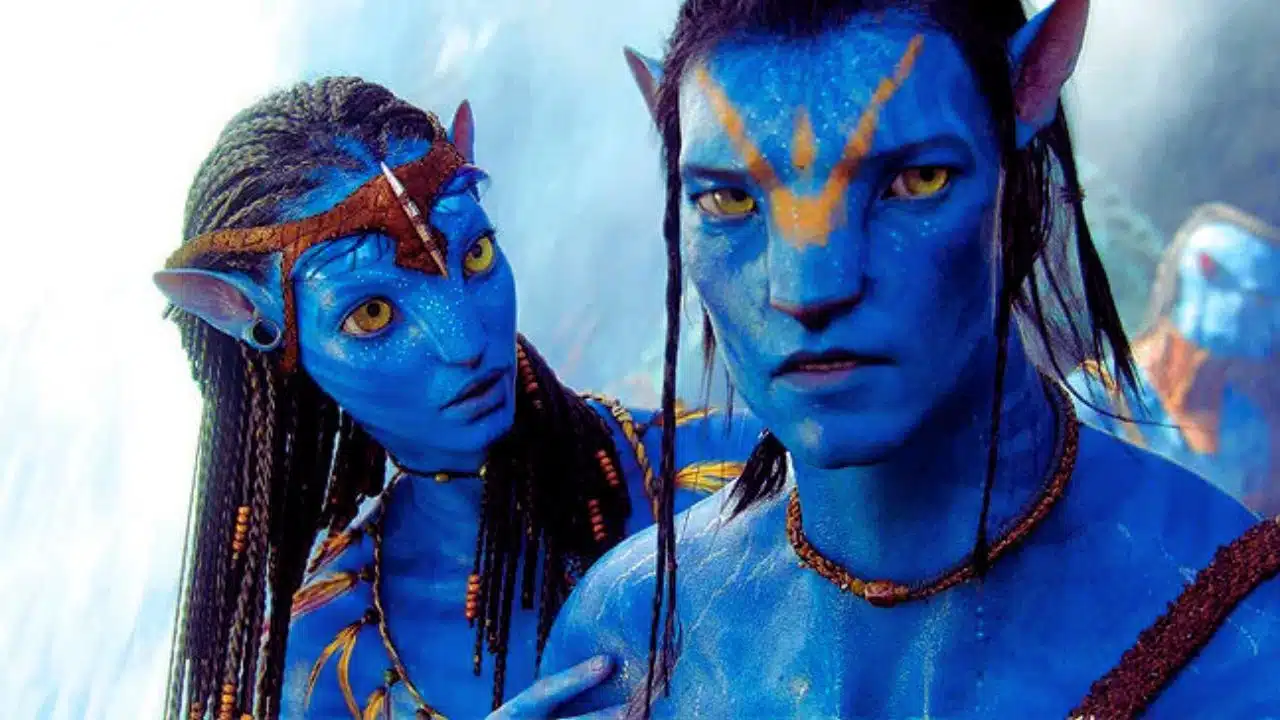
James Cameron AI Avatar sequels could include carefully controlled generative AI tools to speed up visual-effects work, but Cameron says he will not use AI to replace actors, invent performances from text prompts, or remove human artists from the process.
What Cameron is (and isn’t) willing to do
Cameron has publicly drawn a bright line between AI as a production tool and AI as a replacement for human performance, describing text-prompt-generated acting as “horrifying” and the opposite of what his films aim to do.
He has also stressed that the Avatar films have been made without generative AI so far, even as he acknowledges that AI-assisted workflows could potentially reduce the cost burden of effects-heavy filmmaking.
In late-2025 interviews, he framed the practical problem as time and cost: large-scale VFX has grown more expensive, and the theatrical market has tightened, making it harder to sustain long, effects-intensive production cycles at past budgets.
Where the “strict limits” fit: Cameron’s position, across multiple public comments, points to AI being acceptable only when it supports existing artists and pipelines—rather than replacing performances, authorship, or creative labor.
Cameron’s AI boundaries vs. potential uses
| Area | Cameron’s stated position | What that implies for Avatar |
| Actor performances | He rejects AI that “makes up” an actor or performance from a text prompt. | No AI-generated lead or background performances meant to substitute real performers. |
| Artists and crews | He has said AI will not replace actors and artists in his films. | Human-led VFX and animation remain central, even if tools change. |
| VFX cost/time | He has argued blockbuster filmmaking may need AI to cut VFX costs significantly and speed shot completion. | AI could be explored for workflow acceleration (e.g., iterations, previsualization, roto/cleanup assistance) rather than “one prompt = finished shot.” |
Why AI is now part of the Avatar conversation
Cameron has tied his interest in AI to a production reality: modern VFX blockbusters can take years per film, and he has signaled he does not want to spend multiple additional multi-year cycles finishing the saga at his current age.
He has argued that the goal is not layoffs at VFX houses but faster throughput—finishing shots sooner so artists can move on to other work.
He has also linked the issue to market conditions, saying the contraction of the theatrical marketplace and escalating VFX costs make it harder to finance ambitious, effects-driven original filmmaking at scale.
This framing matters for Avatar because the franchise is built on performance capture, dense CG environments, and long render/iteration timelines—precisely the areas where studios and vendors are testing AI-assisted acceleration.
The other related development: Cameron’s formal AI industry role
Separately from his creative comments, Cameron joined the board of Stability AI, the company behind Stable Diffusion and related generative-media tools, as part of what he described as a bid to understand the technology and help shape how it is used.
Stability AI described his involvement as supporting its ambition to build a “full stack” AI pipeline for creators and to push visual media tools forward.
That board role has become part of the context behind his recent remarks: Cameron is not only commenting on AI from the outside, but also engaging with the companies building the underlying systems.
What this means for Avatar’s timeline and the industry rules around AI
Disney’s official film page lists Avatar: Fire and Ash for Dec. 19, 2025, keeping the franchise’s near-term schedule focused on the third installment.
Publicly reported scheduling for the remaining sequels has Avatar 4 dated Dec. 21, 2029, and Avatar 5 dated Dec. 19, 2031, stretching the saga across multiple production and technology cycles.
Avatar release schedule (current dates)
| Film | Release date |
| Avatar | 2009 (released) |
| Avatar: The Way of Water | 2022 (released) |
| Avatar: Fire and Ash (Avatar 3) | Dec. 19, 2025 |
| Avatar 4 | Dec. 21, 2029 |
| Avatar 5 | Dec. 19, 2031 |
At the same time, Hollywood labor agreements have increasingly codified AI guardrails that align with the “strict limits” Cameron is describing, especially around consent and transparency.
SAG-AFTRA’s AI framework centers on explicit, informed consent and compensation rules around “digital replicas” (use of a performer’s likeness/voice) and related practices, which restricts unauthorized cloning of performers.
The WGA’s 2023 MBA summary says AI can’t write or rewrite literary material and AI-generated material can’t be treated as “source material” in ways that undercut writer credit, while also requiring disclosure when AI-generated material is provided to writers.
Practical takeaway for Avatar
If Cameron proceeds with any AI on future sequels, the most likely path—based on his own remarks—would be narrow VFX workflow assistance that stays inside human-led supervision and avoids synthetic performances or replacing credited creative work.
That would place the emphasis on production efficiency (iteration speed, pipeline optimization) rather than generating final characters, final performances, or finished shots from prompts.
It would also keep the franchise aligned with industry-wide consent and disclosure norms that have emerged from the recent contract cycle.
Final thoughts
Cameron’s latest comments set up a clear message: generative AI may be used on future Avatar films only as a constrained tool to reduce cost and time, not as a substitute for actors or the creative workforce that makes the films.
His Stability AI board role adds weight to the idea that he wants to influence how these tools mature—while still drawing red lines around performance, authorship, and human creative control.
With Fire and Ash dated for December 2025 and sequels scheduled into 2031, the franchise now sits on the front edge of a multi-year test of whether AI can be integrated into blockbuster pipelines without breaking the ethical and labor boundaries Cameron says he intends to enforce.






















