In a significant move amidst an intensifying humanitarian crisis, the Israeli military has announced that it has begun airdropping food aid into Gaza and will establish daily humanitarian corridors to support the delivery of aid by the United Nations and other relief agencies. These efforts are being framed as an urgent response to escalating warnings about famine and severe food insecurity across the Gaza Strip.
The statement issued by the Israeli military came late Saturday night and confirmed that the daily humanitarian pauses will begin in three heavily populated areas of Gaza—Gaza City, Deir al-Balah, and Muwasi. These pauses are scheduled to occur daily from 10:00 a.m. to 8:00 p.m. local time and are set to continue indefinitely until further notice.
This announcement follows weeks of growing international pressure, including condemnation from Israel’s closest allies, over the deteriorating humanitarian conditions and rising number of civilian casualties in the Gaza Strip.
First Aid Airdrops Begin Over Gaza with Basic Food Supplies
The military has confirmed the launch of aid airdrops over Gaza. These airdrops consist of parachuted packages containing essential items such as flour, sugar, and canned food. The airdrops are aimed at reaching those in areas that are otherwise inaccessible to humanitarian convoys due to damaged infrastructure, security risks, or active conflict.
This effort marks a significant shift in Israel’s approach, as previous restrictions had severely limited the amount of aid reaching civilians. The Israeli government has long claimed that Hamas diverts humanitarian aid for its own use, but has not provided verifiable evidence to support this assertion. In contrast, recent images and videos from inside Gaza have revealed widespread starvation, with malnourished children and desperate families increasingly unable to access food.
Humanitarian organizations, including the UN World Food Programme, have raised alarms for months that Gaza is on the brink of a man-made famine due to restrictions on aid, active hostilities, and lack of access to water and medicine.
Tactical Pause Announced to Allow Safe Aid Delivery
The newly announced daily “tactical pause” in military activity is intended to create windows of opportunity for safe distribution of aid. This pause will apply to the key areas of Gaza City, Deir al-Balah, and Muwasi, all of which are currently hosting large numbers of displaced people. According to the UN, more than 1.9 million Gazans—nearly 90% of the population—have been displaced since the start of the war.
The pause will reportedly allow for better coordination with UN aid convoys, which have struggled to deliver supplies due to chaotic scenes at delivery sites, security threats, and lack of control over distribution. The UN has repeatedly emphasized the need for sustained humanitarian access, proper security, and clear coordination mechanisms to prevent aid theft and ensure fair distribution.
The Israeli military has stated that these new measures were developed in coordination with the United Nations and humanitarian groups, although the UN has not yet issued an official response.
Growing Death Toll from Aid Distribution Chaos and Airstrikes
While aid efforts have slightly increased in recent weeks, chaos around aid convoys and continued Israeli airstrikes have led to further civilian deaths, especially among Palestinians attempting to reach food distribution points.
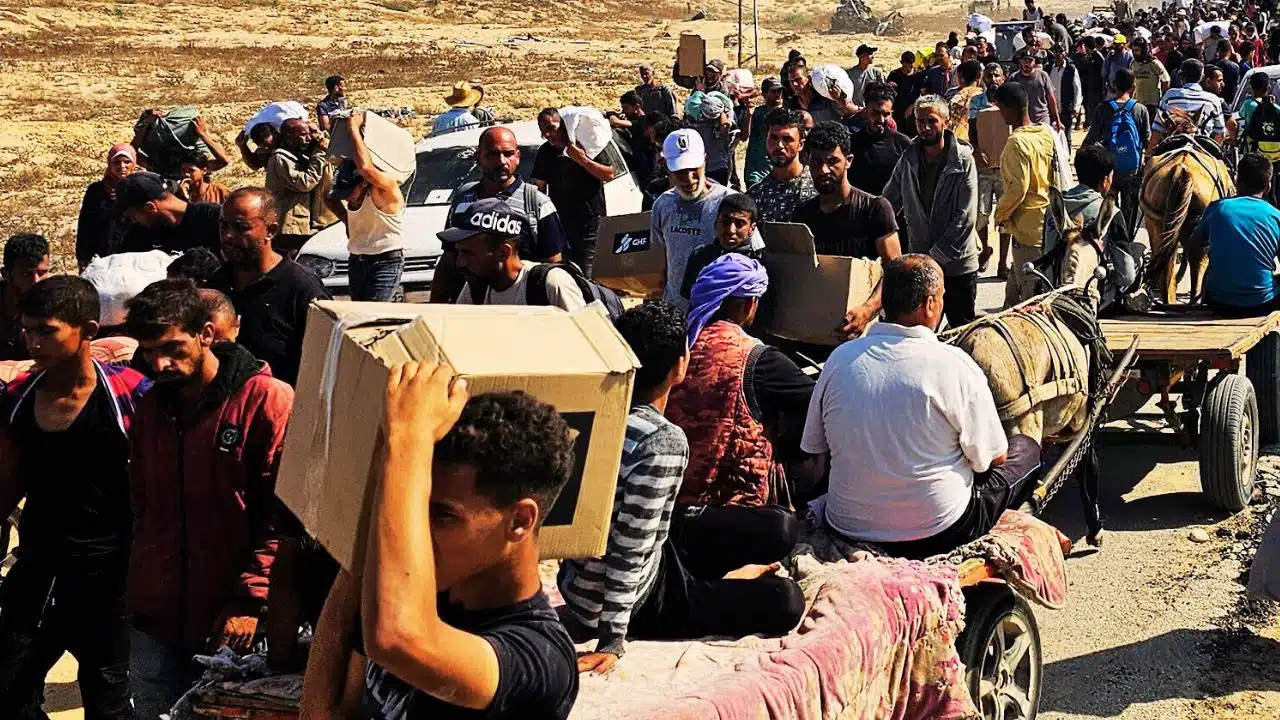
According to the UN Office of the High Commissioner for Human Rights, more than 1,000 Palestinians have been killed since May while attempting to access aid. Many of these deaths occurred near newly established food distribution centers set up by the Gaza Humanitarian Foundation, a US-registered group supported by the Israeli government. These centers, which distribute boxes of food, operate outside of UN oversight, prompting criticism and concerns about safety and transparency.
The humanitarian crisis has been further worsened by the continued Israeli military campaign, which on Sunday killed at least 16 Palestinians in a series of airstrikes carried out before the tactical pause went into effect.
Details of Latest Israeli Strikes on Civilian Areas
According to Gazan health authorities, at least three separate airstrikes targeted civilian shelters and residential buildings across Gaza between Saturday night and early Sunday morning:
-
In the Asdaa area near Khan Younis, a strike hit a tent that was sheltering displaced families. Nine people were killed, including a father and two of his children, as well as another father and his son. The casualties were confirmed by Nasser Hospital.
-
In western Gaza City, a strike hit an apartment building late Saturday night, killing four people, including two women, and injuring four others. The information was provided by the emergency services division of the Gaza Health Ministry.
-
In Deir al-Balah, a strike struck another tent near a desalination plant, killing a couple and a woman. The deaths were confirmed by Al-Aqsa Martyrs Hospital.
The Israeli military has not issued any comments or clarifications regarding the above strikes.
Ceasefire Talks Collapse as Israel and U.S. Withdraw Teams
The humanitarian announcement follows the collapse of recent ceasefire negotiations between Israel and Hamas. On Friday, both Israel and the United States announced the withdrawal of their negotiating teams, blaming Hamas for the failure of the talks. Israeli authorities also said they were now considering alternative approaches, signaling a possible shift away from diplomacy.
Since ending the previous ceasefire in March 2024, Israel had fully sealed off Gaza for over two months, halting the entry of food, medicine, fuel, and other essential supplies. The stated objective was to pressure Hamas into releasing remaining hostages.
Following immense international backlash, Israel began loosening restrictions in May, but the number of aid trucks allowed daily has remained drastically below the required threshold. The UN says that about 500 to 600 trucks per day are needed to sustain the population, but the current average is around 69 trucks daily.
Rising Civilian Death Toll and Continued Hostilities
The war, now in its tenth month, has taken a devastating toll on civilians. It began with the October 7, 2023 Hamas-led attack on southern Israel, which killed 1,200 people, most of whom were civilians, and resulted in the abduction of 251 hostages. Israel says 50 hostages remain in Gaza, though over half are believed to have died in captivity or during military operations.
In retaliation, Israel launched an all-out military offensive that has caused massive destruction across the Gaza Strip. According to the Gaza Health Ministry, more than 59,700 Palestinians have been killed as of this week. While the ministry does not distinguish between combatants and civilians, it reports that more than half of those killed are women and children.
Despite operating under the Hamas-led government, the Gaza Health Ministry’s casualty data is considered the most reliable source of information by international organizations, including the United Nations, World Health Organization, and International Red Cross.
Aid Alone May Not Be Enough Without Ceasefire
While the start of airdrops and daily humanitarian pauses is being seen by some observers as a necessary first step, humanitarian organizations warn that such efforts are insufficient without a broader and sustained ceasefire.
Relief agencies, UN bodies, and NGOs emphasize that aid cannot be delivered at meaningful scale without:
-
Uninterrupted access routes
-
Protection for aid workers and civilians
-
Reliable security for distribution networks
-
Functioning infrastructure and supply logistics
The destruction of hospitals, warehouses, water treatment plants, and roads has made aid delivery extremely dangerous and unreliable. Additionally, the collapse of civil order in some areas has further complicated efforts, with looting and mob attacks on convoys becoming more frequent.
A Region on the Brink of Catastrophe
Israel’s decision to begin aid airdrops and enforce daily pauses in fighting represents a shift under intense diplomatic and humanitarian pressure. However, the overall situation in Gaza continues to worsen, with famine looming, civilian casualties rising, and ceasefire talks stalled.
Millions of people in Gaza remain trapped in a war zone, with limited access to food, water, medicine, and shelter. The international community continues to call for an immediate end to hostilities, a comprehensive humanitarian plan, and a lasting political solution to the conflict.
Until these conditions are met, aid efforts, however well-intentioned, may only provide temporary relief in a deepening humanitarian catastrophe.