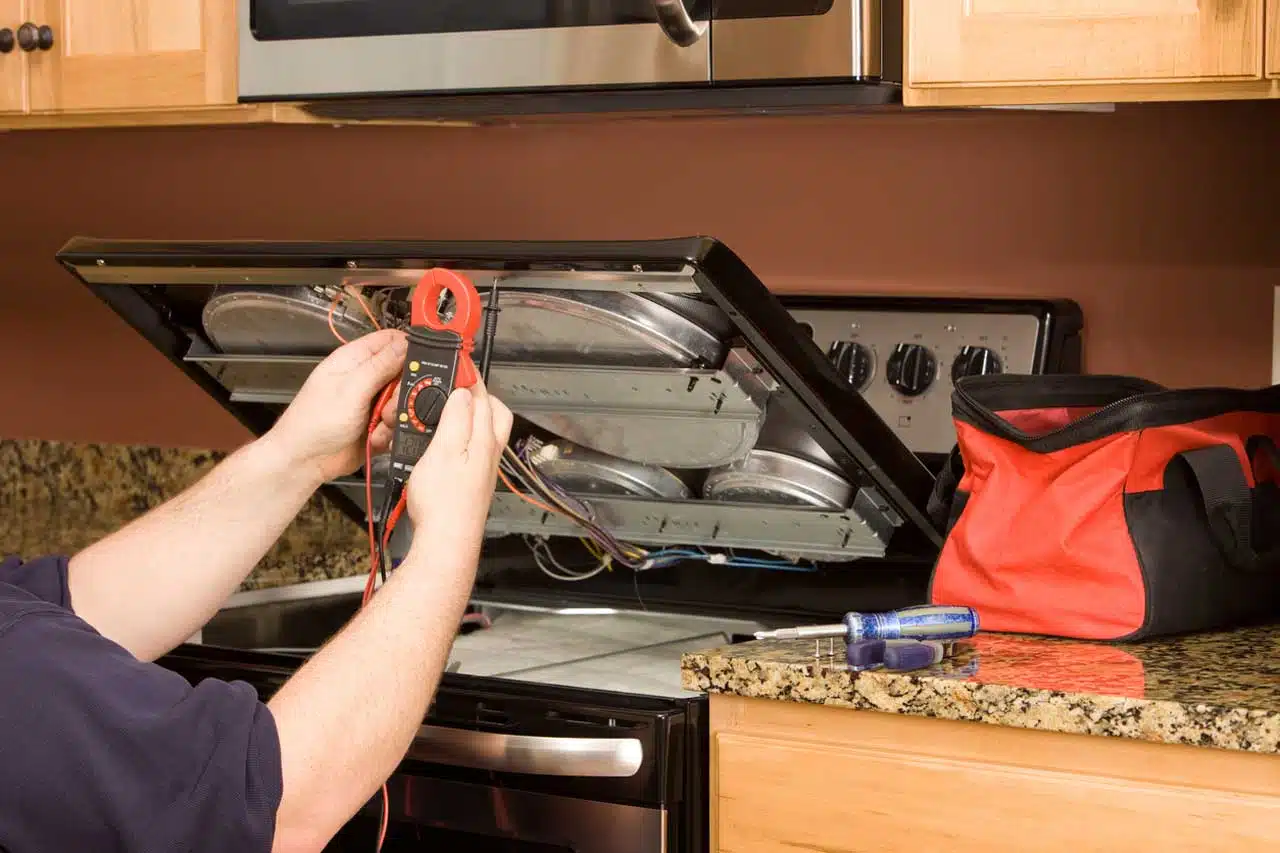
Starting an appliance repair business can be very easy if you have appliance repair skills. Once you learn how to repair common household appliances professionally and safely, every person in your neighborhood will become a potential client.
The thing with appliance repair is there’s always demand for technicians. People need ACs, refrigerators, stoves, laundry machines, and dishwashers. And, they will need to repair them if they break down because it’s cheaper and more sustainable than purchasing a new one. This is why starting an appliance repair business is worth your consideration.
However, one might ask, how profitable is it to start an appliance repair business? Anyone working in this industry agrees that appliance repair is a very lucrative industry because households are always searching for skilled appliance technicians.
To get a clear picture of the profitability of the appliance repair industry, we shall have an overview of the industry.
An overview of the appliance repair industry
Statistics indicate that there are over 9,000 appliance repair businesses in the US alone. These businesses add billions of dollars to the economy, providing jobs to tens of thousands of people. The statistics further show that the annual growth revenue in the appliance repair businesses has been at the same level as the population growth rate in the US. This trend is projected to continue in the coming few years.
The appliance repair business has had an average annual growth of 5.7% between 2011 and 2017. The estimated market size of the industry in 2021 stands at $4.5 billion. Even though the appliance repair industry has a few leading companies, these companies don’t have the largest portion of the market compared to local and independent repair businesses that control the market.
The market size of the appliance repair industry is expected to grow by 4.9% by the end of 2021. And why is this? As the cost of new appliances continues to increase, appliance consumers are more likely to repair their old appliances than purchase new ones. This is primarily the case for major household appliances, which have long lifespans and require a significant investment. As household appliance prices continue to increase in 2021, appliance repair technicians have a potentially lucrative business opportunity.
However, it’s essential to understand that you are not guaranteed to make profits once you venture into the appliance repair industry. You must be careful with running your business to achieve your anticipated profits. That said, the following are a few tips to help you increase the profitability of your appliance repair business.
Improve margins
The technicians at Hartman’s appliance repair company agree that improving your margins will boost your profitability. Here, you will need to estimate the total operations costs. Then, review the repair costs, payroll taxes, labor, employee benefits, vehicle maintenance, and other expenses. Reviewing your pricing will ensure that your rates cover all your operational costs and give you a profit margin. Make sure that your rates don’t go below the minimum amount you need to make profits.
Standardize the pricing structure your technicians apply
There are two pricing options that appliance repair businesses follow:
- Set standard pricing that their technicians follow
- Technicians can bid for jobs in the field depending on the market rate
Whichever option you choose, ensure that your technicians use the correct pricing option. Make sure that your appliance repair technicians are in sync when it comes to pricing—otherwise, one technician can make you lose a lot of money.
Always review your first-time completion rates
Your profitability can be drastically reduced whenever you take several trips to complete one job. However, there are several steps that you can take to avoid going back to complete one job:
- Review your intake process – you should have a system that helps you get the necessary information when scheduling a repair job. The system should help you get details like the appliance model, the issue with the appliance, and any other past issues. This can help increase the chances of a first-time completion rate.
- Check how your technicians ensure that their trucks have the right parts before leaving for a job – if your technicians have a detailed list of the appliance models and issues they will repair, they are more likely to pack the right equipment and replacement parts.
- Review the first-time completion rates of your technicians – this should help you identify the areas that additional training is required. If some of your technicians have high first-time completion rates and others lower rates, check why that’s happening.
Review your warranty contracts
Several home and manufacturer warranty contracts support appliance repair businesses. However, if you don’t analyze the costs of every repair job vs. your income, you might realize that warranty contracts are eating into your profit margin.
To do this, review your operational costs for every project vs. the contract terms. There’s a chance you will find that some warranty contracts have insignificant or non-existent profit margins. However, you can still renegotiate the terms of your warranty contract to see if you can increase your profit margins.
Optimize your routes
Lastly, you must optimize your routes to reduce the travel distance. Please note that traveling to client homes can be costly for your business. Therefore, you need to map your work orders to ensure that your technicians don’t travel back after finishing one job. The less time spent on the road translates to more client time, hence more money for your business. Besides, optimized routes reduce wear and tear for your vehicles, thus reducing your maintenance costs.