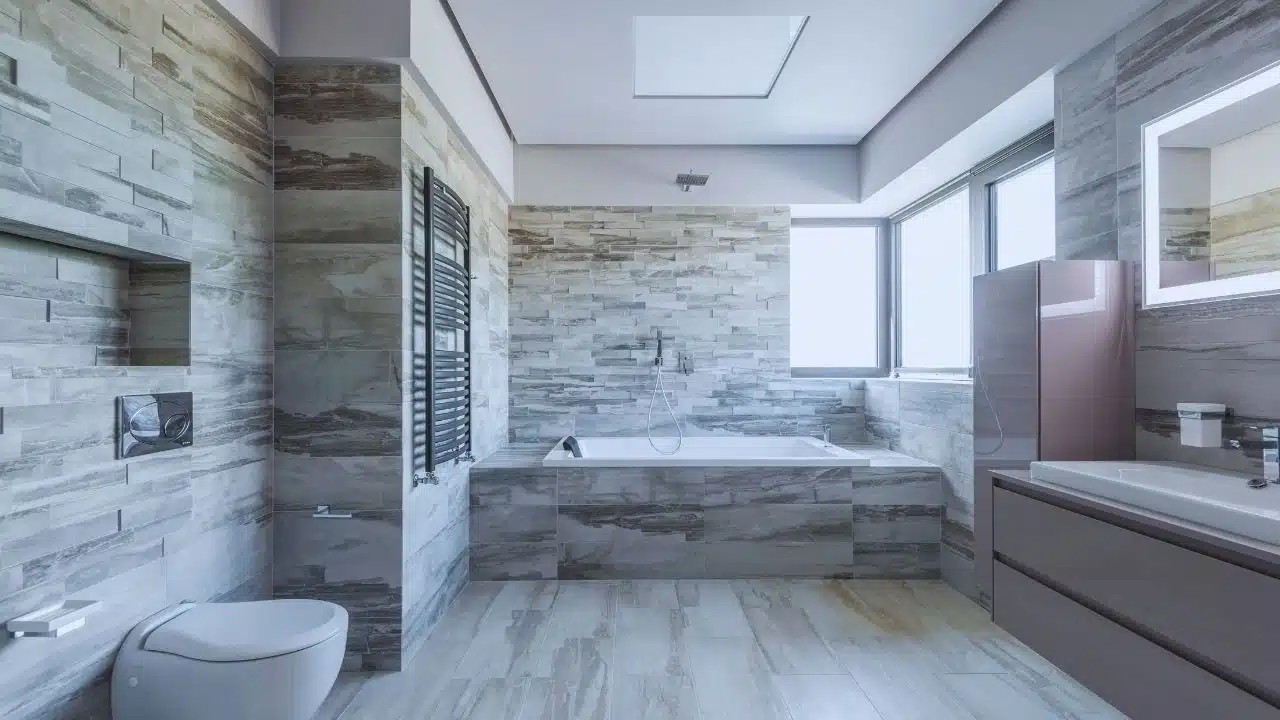
Tiles are a versatile and stylish option for flooring and walls, offering durability, easy maintenance, and endless design possibilities.
However, choosing the perfect tile for each room in your home can be challenging due to the variety of materials, sizes, colors, and finishes available. In this guide, we’ll walk you through the key factors to consider when selecting tiles from solutions like ColorTile for every space in your home.
Understanding Tile Materials
Tiles come in various materials, each with distinct advantages. The most common types include:
- Ceramic Tiles: Affordable and available in various designs, ideal for walls and floors in low-traffic areas.
- Porcelain Tiles: Highly durable and water-resistant, perfect for high-traffic and moisture-prone areas.
- Natural Stone Tiles: Including marble, granite, slate, and travertine, these add luxury and elegance but require sealing and maintenance.
- Glass Tiles: Commonly used for backsplashes and decorative accents due to their glossy finish.
- Cement Tiles: Handmade and highly customizable, great for feature walls or patterned flooring.
Choosing Tiles for Specific Rooms
Each room in your home has different requirements for tile selection. Here’s how to choose the best option for each space:
Kitchen
- Flooring: Opt for durable, non-slip porcelain or ceramic tiles that withstand heavy foot traffic and spills.
- Backsplash: Glass, subway, or mosaic tiles work well for easy cleaning and an aesthetic touch.
- Countertops: Porcelain and natural stone are durable and heat-resistant options.
Bathroom
- Floors: Choose slip-resistant porcelain or textured ceramic tiles to prevent accidents.
- Walls & Showers: Large-format porcelain tiles or waterproof natural stone add elegance and functionality.
- Vanity Area: Glossy ceramic or glass tiles can enhance the space with a clean, modern look.
Living Room
- Flooring: Large-format porcelain, natural stone, or wood-look tiles offer a timeless and luxurious feel.
- Feature Walls: Textured stone or decorative ceramic tiles can create a focal point around a fireplace or TV area.
Bedroom
- Flooring: Wood-look porcelain tiles provide warmth and durability without the maintenance of real wood.
- Accent Walls: Decorative tiles can add depth and character to the room.
Hallways & Entryways
- Flooring: Choose high-durability porcelain or natural stone tiles that can withstand heavy foot traffic and dirt.
- Design Considerations: Patterned tiles or mosaic inlays create a welcoming first impression.
Outdoor Spaces
- Patios & Balconies: Slip-resistant and weatherproof porcelain tiles are ideal.
- Pool Areas: Choose textured, non-slip tiles that resist moisture and fading.
- Garden Paths: Stone or cement tiles offer a natural, rustic look with durability.
Tile Size and Layout Considerations
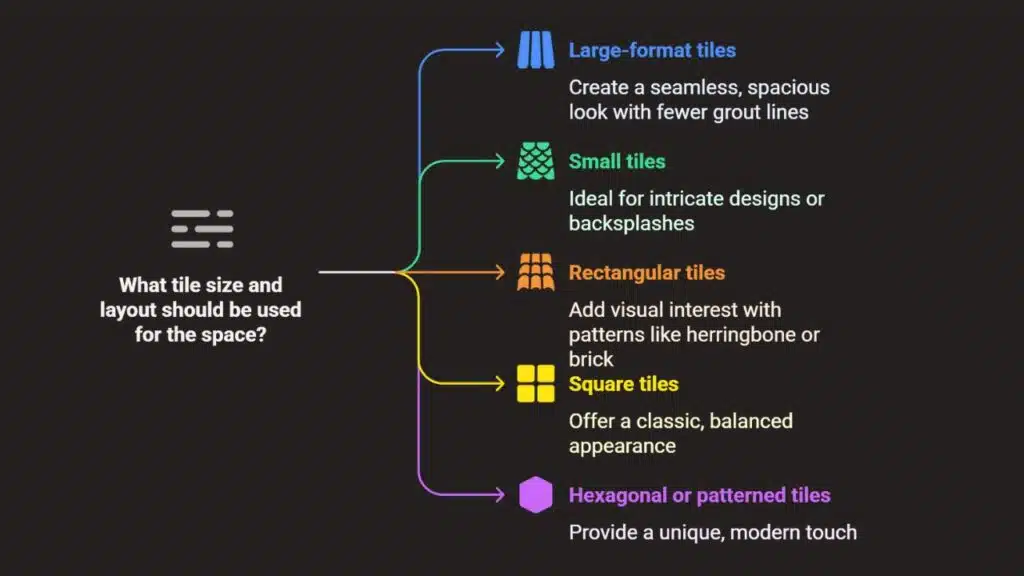
- Large-format tiles (24×24 inches or more) create a seamless, spacious look with fewer grout lines.
- Small tiles (such as mosaics) are excellent for intricate designs or backsplashes.
- Rectangular tiles arranged in a herringbone or brick pattern add visual interest.
- Square tiles offer a classic, balanced appearance.
- Hexagonal or patterned tiles can bring a unique, modern touch to any space.
Color and Finish Selection
- Light-colored tiles make small rooms appear larger and brighter.
- Dark-colored tiles add warmth and sophistication but may show dust and dirt more easily.
- Matte finish tiles provide a soft, natural look and are less slippery.
- Glossy finish tiles reflect light and add elegance but can be slippery when wet.
- Textured or patterned tiles enhance visual appeal and provide slip resistance in wet areas.
Maintenance and Durability Considerations
- Sealed tiles (natural stone, cement, etc.) require periodic maintenance to prevent staining.
- Porcelain and ceramic tiles are low-maintenance and highly durable.
- Grout color should complement the tile while being easy to clean—dark grout hides stains better.
Budget and Installation Costs
- Factor in the cost of the tile material, installation, and maintenance.
- Higher-end materials like marble and custom cement tiles are more expensive but add value and aesthetic appeal.
- Consider DIY-friendly options if you want to cut costs on installation.
Takeaways
Choosing the perfect tile for every room in your home involves balancing aesthetics, functionality, and maintenance needs. Whether you’re selecting durable porcelain for high-traffic areas, natural stone for an upscale look, or decorative mosaics for unique accents, the right tiles can transform your home’s interior and exterior. Take your time to explore different materials, finishes, and layouts to create a cohesive and beautiful space that suits your lifestyle and budget.