

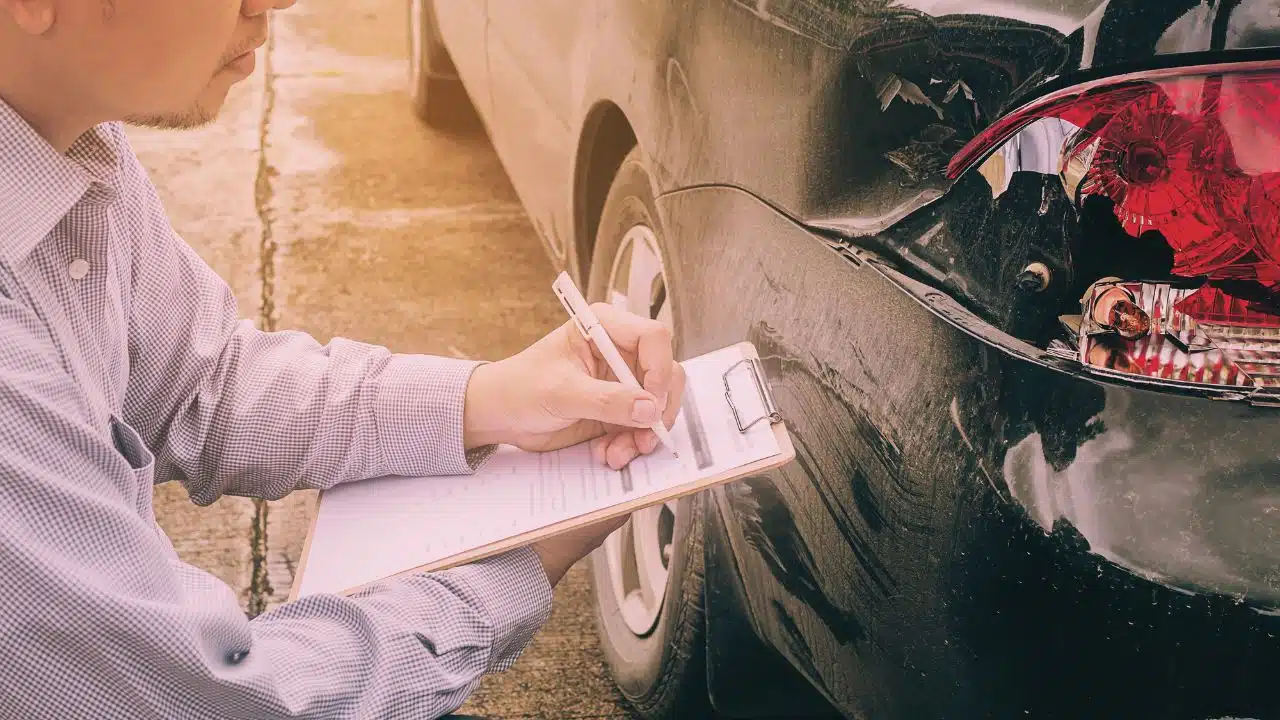
Understanding how car insurance works in Texas is essential for protecting your finances, your family, and your legal rights after a crash. Texas follows a fault-based insurance system with specific coverage requirements, liability rules, and claim procedures that directly affect how compensation is paid after an accident.
Below, we break down Texas auto insurance in easy terms, so drivers know exactly how coverage works when it matters most.
Texas Is a Fault-Based Insurance State
Texas uses a shared fault system for car accidents. The driver who causes the crash is legally responsible for paying damages. This typically happens through that driver’s liability insurance coverage.
After a collision, injured parties generally have three legal paths:
- File a claim with the at-fault driver’s insurance company
- File a claim under their own policy if coverage applies
- File a personal injury lawsuit against the responsible party
Because fault determines compensation, proving liability is the most important issue in most Texas accident claims. With serious injury car accidents, getting a top auto accident attorney in Houston is a good idea.
Minimum Car Insurance Requirements in Texas
Texas law requires drivers to carry liability insurance that pays for injuries and property damage caused to others. The minimum limits in Texas are commonly referred to as 30/60/25 coverage:
- $30,000 for injury to one person
- $60,000 total injury coverage per accident
- $25,000 for property damage
These minimum limits often fall short in serious crashes. Medical bills, lost wages, and long-term injuries can easily exceed policy limits, leaving victims undercompensated unless additional insurance coverage applies.
Required Proof of Financial Responsibility
Texas requires drivers to prove financial responsibility after registering a vehicle or following a traffic stop or crash. Most drivers meet this requirement with auto insurance, but alternatives include:
- Surety bonds
- Cash deposits with the state
- Self-insurance for large fleets
In practice, standard auto insurance policies remain the primary method of compliance.
Liability Coverage Explained
Liability insurance is the backbone of Texas auto coverage. It pays for damages when the policyholder causes an accident. This includes both economic damages and non-economic damages like:
- Medical expenses of injured parties
- Lost income from injuries
- Pain and suffering damages
- Vehicle repair or replacement costs
Liability insurance does not cover the policyholder’s own injuries or vehicle damage. Additional coverage is needed for that protection.
Optional Coverages That Provide Real Protection
While Texas only requires liability insurance, several optional coverages significantly expand financial protection.
Uninsured and Underinsured Motorist Coverage
UM and UIM coverage protects drivers when the at-fault motorist has no insurance or insufficient coverage. This is one of the most important protections in Texas, where many drivers carry minimum limits or no insurance at all.
UM/UIM can cover:
- Medical bills
- Lost wages
- Pain and suffering
- Hit-and-run crashes
Texas insurers must offer this coverage, but drivers can reject it in writing. Keeping it is often critical after serious collisions.
Personal Injury Protection Coverage
Personal Injury Protection provides no-fault benefits regardless of who caused the crash. Texas policies must include PIP unless rejected in writing.
PIP covers:
- Medical expenses
- Lost income
- Essential household services
Unlike MedPay, PIP can compensate for lost wages, making it especially valuable for working individuals.
Medical Payments Coverage
Medical Payments coverage helps pay medical bills after an accident, regardless of fault. It is more limited than PIP and typically does not cover lost income, but it can help with:
- Ambulance bills
- ER treatment
- Follow-up care
This coverage is often used to bridge the gap while a liability claim is pending.
Collision Coverage
Collision insurance pays to repair or replace the policyholder’s vehicle after a crash, regardless of fault.
If a vehicle is financed or leased, lenders usually require collision coverage.
Comprehensive Coverage
Comprehensive insurance covers non-collision losses such as:
- Theft
- Hail damage
- Flooding
- Vandalism
- Animal strikes
In Texas, comprehensive coverage is especially important due to hailstorms and flooding risks.
How Fault Affects Compensation in Texas
Texas uses a modified comparative fault system. This rule directly affects how much compensation an injured person can recover.
Key principles include:
- A claimant can recover damages if they are 50 percent or less at fault
- Compensation is reduced by the percentage of fault assigned
- If fault exceeds 50 percent, recovery is barred
Insurance companies frequently attempt to shift blame to reduce settlements. Accurate accident reconstruction experts can help determine the case outcome.
What Happens After a Texas Car Accident
After a crash, the insurance process typically follows a predictable timeline:
- Claims are reported to insurance carriers
- Adjusters investigate liability and damages
- Medical records and bills are evaluated
- Settlement negotiations begin
In serious injury cases, insurers often delay or dispute claims. Quick settlements may undervalue long-term injuries, especially those involving surgery or permanent impairment.
Dealing With Insurance Adjusters
Insurance adjusters work for the insurance company, not the injured party. Their goal is to minimize payouts and close claims quickly. Common tactics include:
- Requesting recorded statements early
- Disputing liability
- Downplaying injuries
- Offering low initial settlements
Providing detailed documentation and understanding policy rights is essential when dealing with adjusters.
When Insurance Is Not Enough
Minimum liability policies frequently fail to cover catastrophic injuries. When damages exceed policy limits, other avenues may include:
- Underinsured motorist claims
- Claims against additional liable parties
- Employer liability for commercial drivers
- Product liability claims involving defective vehicles
Identifying all available sources of compensation is critical in serious injury cases.
Special Rules for Commercial Vehicle Insurance
Crashes involving commercial vehicles often involve higher insurance limits and complex coverage layers. Commercial policies may include:
- Federal minimum coverage requirements
- Umbrella liability policies
- Employer liability coverage
These cases require careful analysis because multiple insurers may be involved.
Hit-and-Run Accidents in Texas
Hit-and-run crashes are treated as uninsured motorist claims. Victims must rely on their UM coverage to recover compensation. Prompt reporting and evidence preservation are essential for coverage approval.
Filing Deadlines for Legal Claims
Texas imposes strict time limits on injury claims. The statute of limitations for most car accident lawsuits is two years from the date of the crash. Missing this deadline can permanently bar recovery.
How Texas Insurance Laws Affect Injury Victims
Texas insurance laws are designed to assign responsibility based on fault, but real-world claims are often adversarial. Victims must navigate:
- Comparative fault arguments
- Policy and coverage disputes
- Coverage exclusions
- Delayed settlement tactics
Common Misconceptions About Texas Car Insurance
Several widespread myths create confusion after accidents:
Minimum coverage is enough
In reality, minimum policies rarely cover serious injuries.
The at-fault driver’s insurance will automatically pay
Insurers often dispute liability and damages.
Full coverage protects everything
There is no single full coverage policy. Protection depends on specific coverages selected.
You must accept the insurer’s first offer
Settlement offers are negotiable and often undervalued initially.
Choosing the Right Coverage in Texas
Drivers seeking meaningful financial protection should consider:
- Higher liability limits
- UM/UIM coverage
- Personal Injury Protection
- Collision and comprehensive coverage
Balancing premiums with real-world risk is important, especially in high-traffic cities like Houston, TX, with high crash rates.
Final Thoughts on How Car Insurance Works in Texas
Car insurance in Texas operates on a fault-based system where liability determines compensation. While minimum coverage satisfies legal requirements, it rarely provides sufficient protection after serious crashes. Understanding liability rules, optional coverages, and claim procedures allows drivers and injury victims to make informed decisions and protect their financial future after an accident.






















