Working with ever-more-powerful computing resources is becoming common. One tool that has become extensively used is GPU Cloud.
This technique is characterized by using the power of Graphic Processing Units (GPUs) to provide high-level computation power beyond the Internet.
This article provides insight into GPU Cloud: what it does, what it can be used for, and what its advantages are.
What is a GPU?
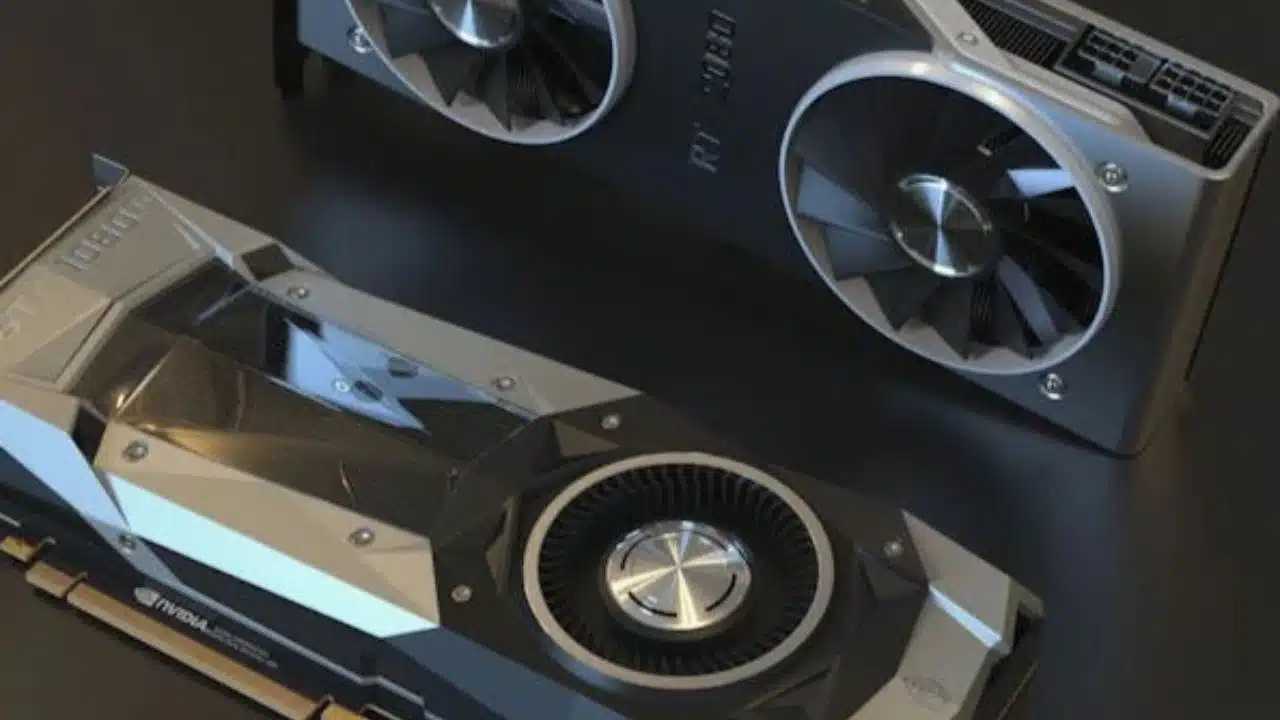
GPUs, short for Graphics Processing Unit, are electronic circuits that quickly change and reform the memory to speed up image creation and project the frame buffer to output devices, such as a display.
However, unlike the CPU, which is designed for general computing, the GPU is designed with a focus on parallel processing.
Thus, it is ideal for complex graphics rendering and the massive amount of data processing tasks.
What is GPU Cloud?
GPU Cloud refers to the availability of GPU-powered computing services over the cloud.
Users can access GPU resources on-demand without the need to invest in and maintain physical hardware.
This model of cloud computing combines the flexibility of virtualization with the power of GPU technology, enabling users to handle tasks that require heavy computational lifting more efficiently.
Applications of GPU Cloud
The versatility of GPU Cloud makes it applicable in numerous fields:
Graphics and Video Processing
GPU Cloud provides the essential power needed to manage intensive graphics tasks, including video editing, 3D rendering, and virtual reality environments.
The availability of high-performance GPUs in the cloud allows creatives and developers to work on demanding projects without the need for expensive, high-end local hardware.
Machine Learning and Deep Learning
GPUs are invaluable in machine learning and deep learning. Their ability to process multiple computations simultaneously drastically reduces the time required to train models.
GPU Cloud enables researchers and engineers to access these powerful computing resources on demand, facilitating the rapid development and deployment of sophisticated AI models.
Scientific Simulations and Calculations
GPU Cloud plays a critical role in the scientific community, particularly in fields requiring extensive computational resources like physics, chemistry, and climate science.
It supports the execution of complex simulations and calculations, helping scientists and researchers to achieve more accurate results faster and at a lower cost than traditional computing methods.
Choosing a GPU Cloud Provider
When selecting a GPU Cloud provider, consider the following factors:
- Cost: Evaluate the pricing models to ensure they fit within your budget while meeting your computing needs.
- Performance: Assess the performance levels offered, focusing on the speed and efficiency of the GPU resources.
- Scalability: Ensure that the provider can scale resources up or down based on your project’s requirements.
Some notable GPU Cloud providers include Gcore, Google Cloud, and Microsoft Azure, each offering various configurations and pricing models to cater to different needs.
Challenges and Considerations
While GPU Cloud offers numerous advantages, there are challenges to consider:
- Technical Challenges: Issues such as latency and bandwidth can affect performance, especially in applications requiring real-time processing.
- Data Security: Transferring data to and from the cloud can pose security risks, necessitating robust security measures.
Future of GPU Cloud
Emerging Trends in GPU Cloud Technology
The future landscape of GPU Cloud is shaped by continuous advancements in cloud computing technologies.
These developments suggest a shift towards more accessible and economically feasible GPU resources.
This trend is driven by the growing demand for high-performance computing across various sectors, including healthcare, finance, and entertainment.
Accessibility and Cost-Effectiveness
One of the most significant shifts in the GPU Cloud space is the desire to make these powerful computing resources more accessible to a broader audience.
Small to medium-sized enterprises, startups, and even individual developers are finding GPU Cloud services more approachable due to decreasing costs and simplified user interfaces.
This democratization of technology allows a wider range of users to experiment with and deploy GPU-intensive applications without the prohibitive expenses of traditional hardware setups.
Broadening Innovation Across Industries
As GPU resources become more affordable and user-friendly, we can expect a surge in innovation across multiple industries.
For instance, in healthcare, GPU Cloud can accelerate genome sequencing and complex simulations for drug discovery.
In the finance sector, it enables faster and more accurate real-time analytics and risk assessments.
Moreover, enhanced graphics processing capabilities benefit the entertainment industry, leading to more immersive virtual reality experiences and sophisticated visual effects in films and video games.
Conclusion
GPU Cloud represents a significant advancement in the realm of cloud computing, providing powerful, scalable, and efficient computing resources.
Its ability to transform industries through enhanced graphical processing and data handling capabilities makes it an invaluable asset.
As technology progresses, the adoption of GPU Cloud is expected to grow, further enhancing its capabilities and applications.