

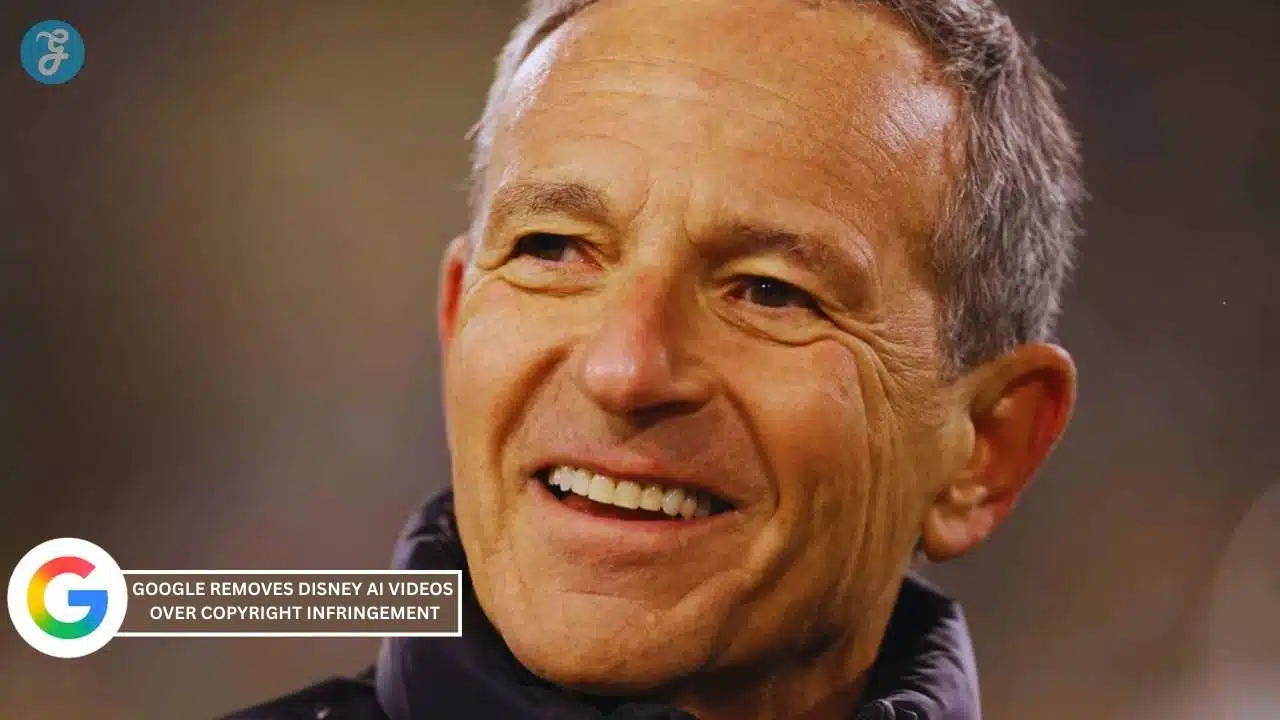
Google has swiftly removed dozens of AI-generated videos from YouTube that featured beloved Disney characters, acting on a forceful cease-and-desist letter from the entertainment powerhouse. The videos, which popped up using Google’s AI tools to recreate icons like Mickey Mouse, Deadpool, Star Wars heroes, Frozen’s Elsa and Anna, and even The Simpsons’ colorful cast, vanished almost overnight. Now, anyone trying to watch them encounters a stark YouTube message: “This video is no longer available due to a copyright claim by Disney.
This takedown marks a bold escalation in the simmering feud between Hollywood studios and Big Tech over how artificial intelligence handles copyrighted material, spotlighting fears that AI could flood the internet with unauthorized knockoffs of valuable intellectual property. The legal hammer dropped on Wednesday when Disney fired off the notice directly to Google, accusing the tech giant of orchestrating copyright infringement “on a massive scale.” In vivid terms, Disney’s lawyers portrayed Google’s AI ecosystem as a “virtual vending machine” that lets anyone insert a prompt and instantly churn out high-quality reproductions, renderings, and distributions of Disney’s prized character library—without a single dime in licensing fees or permissions.
The targeted tools include Google’s cutting-edge Veo video generator, which crafts realistic clips from text descriptions; Imagen, a powerful image synthesis model; the experimental Nano Banana, known for its quirky yet potent generative capabilities; and the versatile Gemini AI assistant, which powers much of Google’s conversational and creative features. These systems, trained on vast datasets that Disney claims include its protected assets, have enabled creators to produce hyper-realistic scenes—like Deadpool cracking jokes in a Star Wars cantina or Mickey leading a Frozen sing-along—that blur the line between fan art and outright theft. Google’s response was quick but quiet: no public statement yet, just the videos getting yanked to comply with the demand for immediate cessation across all its AI services.
Disney’s Dual AI Strategy Emerges
In a stunning pivot that underscores Disney’s pragmatic approach to the AI boom, the company unveiled a massive $1 billion investment in OpenAI just hours after slapping Google with the legal notice. This three-year partnership flips the script, granting OpenAI explicit rights to license over 200 iconic Disney characters for integration into its Sora AI video generator. Users can now experiment with short-form clips featuring Cinderella twirling in a modern ballgown, Iron Man blasting through Avengers crossovers, or Darth Vader wielding his lightsaber in unexpected scenarios—all generated on demand. Crucially, the deal draws firm lines: it explicitly excludes actor likenesses, voice imitations, and any full-length recreations to sidestep thorny issues around performer rights and deepfake risks.
Disney CEO Bob Iger laid out the reasoning in a candid CNBC interview, revealing that negotiations with Google had dragged on for months without “any meaningful progress.” He painted OpenAI as a willing partner ready to “honor, value, and respect” Disney’s content through proper paid licensing, complete with equity warrants that could give Disney a stake in OpenAI’s future growth. Looking ahead, the collaboration promises to weave these characters into everyday tools like ChatGPT for interactive storytelling and even Disney+ streaming, where AI could personalize trailers or recommend content by early 2026. This isn’t Disney’s first rodeo—it’s part of a broader strategy mirroring moves by rivals like Warner Bros. Discovery and Universal, who have inked similar deals to monetize their libraries amid AI’s rise. For Disney, it’s a calculated bet: control the tech on their terms, turning potential threats into revenue streams while drawing a red line against freewheeling competitors like Google.
Union Concerns Mount
The entertainment industry’s labor unions wasted no time firing back at Disney’s OpenAI embrace, amplifying fears that even licensed AI deals could erode jobs and creative control. The Writers Guild of America (WGA) blasted the agreement as seemingly sanctioning OpenAI’s underlying “theft of our work,” arguing that no amount of licensing washes away the ethical stain of training AI on scripts and stories scraped without consent. SAG-AFTRA, the powerful actors’ union, vowed to “closely monitor” every detail, wary that even limited character use might pave the way for broader automation in film and TV production, potentially sidelining performers in an already volatile market.
These outcries aren’t coming from nowhere—they’re rooted in hard-won gains from the 2023 strikes, where WGA and SAG-AFTRA secured landmark contracts mandating annual consultations between studios and unions on AI developments. The Alliance of Motion Picture and Television Producers agreed to these terms to end the walkouts, promising transparency on how generative tools might impact writing rooms, voice work, and animation pipelines. The Animation Guild piled on, highlighting the “unpredictable nature of generative AI” that could spit out inconsistent or subpar content despite safeguards like prompt restrictions and output watermarks. Union leaders point to real-world examples: AI videos mimicking Simpsons episodes have already sparked viral backlash, and broader lawsuits—like the New York Times‘ case against OpenAI—reinforce that training data disputes often spill into output infringement.
As Hollywood grapples with this, the tensions reveal a fractured landscape: studios chase AI innovation for cost savings and fan engagement, while creators demand ironclad protections to safeguard their livelihoods in an era where a single prompt can mimic years of artistry. This clash between Google and Disney isn’t isolated—it’s a microcosm of Silicon Valley’s push for open AI innovation clashing head-on with Hollywood’s fortress of IP. As tools like Veo and Sora evolve, expect more legal salvos, licensing scrambles, and union pushback, reshaping how we create and consume entertainment.






















