
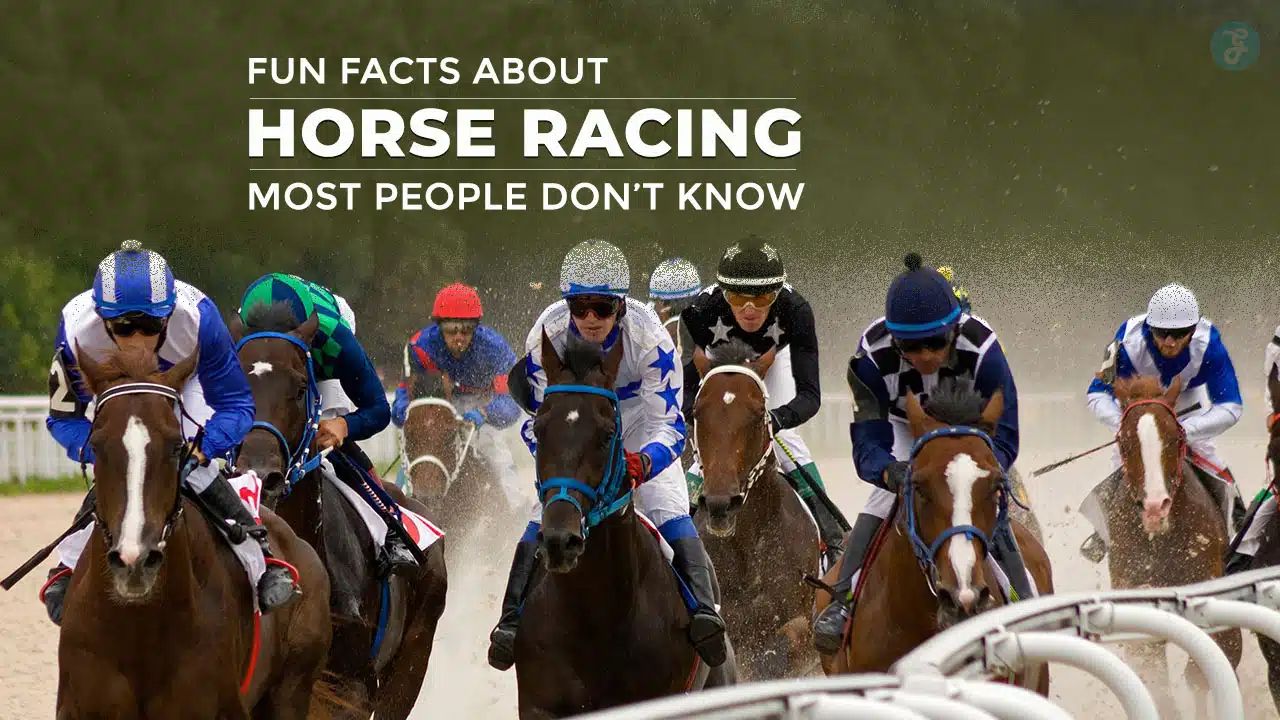
Horse racing isn’t just about speed and betting. There’s much more to explore. Did you know all racehorses in the northern hemisphere have their birthdays on January 1st? That includes every single one.
This blog uncovers hidden facts of horse races beyond well-known events like the Kentucky Derby or Triple Crown winners. Ready for some eye-opening details about this old sport? Let’s start!
Horse Racing Has Ancient Origins
People began riding horses and racing them in ancient Greece by 648 BC. These early races took place during the Greek Olympics and included both chariot and mounted horse competitions.
Racing continued to gain popularity, moving to ancient Rome where large circuses were built. These could accommodate over 150,000 spectators who came to watch their favorite teams compete.
This history laid the foundation for horse racing as a global sport enjoyed today.
From Greece to Rome, this activity has captivated audiences for centuries, evolving into what we now recognize as modern horse racing events like the Grand National.
The “Sport of Kings” and Royal Connections
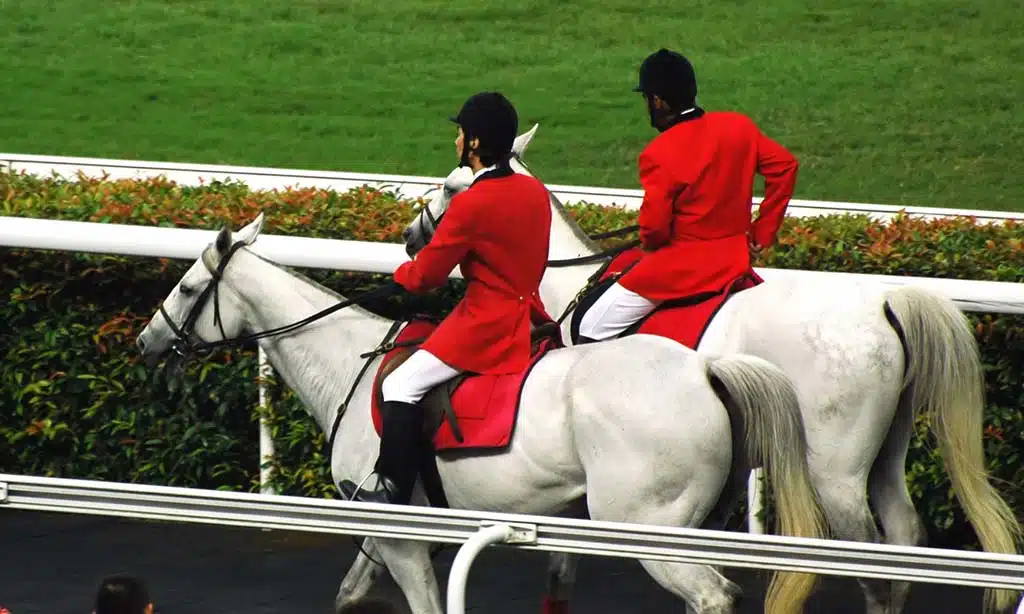
Horse racing has a long history with royalty, starting with King Charles II in Britain. He named it the “Sport of Kings,” showing its strong ties to royal traditions. Ascot and other tracks became spots where royalty often watched races, sometimes even owning horses in the competitions.
Today, events like Royal Ascot attract royals globally.
The sport is a key part of British culture, influenced by monarchs from King Charles II to Queen Elizabeth II, whose thoroughbreds won over 1,800 races. Major races such as the Derby and St Leger are not just competitions but also social gatherings for both royals and fans alike.
This blend of sports and tradition highlights horse racing’s significance in connecting different societies through shared interests.
Horses Have Unique “Birthdays”
All thoroughbred racehorses have the same birthday. In the northern hemisphere, it’s January 1. In the southern hemisphere, it’s August 1. This rule makes organizing races easier. It keeps track of horses’ ages in a simple way.
No matter when they are actually born, all horses get one year older on these dates. This system helps trainers, jockeys, and fans keep up with horses’ ages without confusion.
Jockeys Are Small but Mighty
Jockeys are strong despite being small. They control race horses at high speeds, needing both skill and strength. Their weight is kept low to help the horse run faster. Jockeys manage tough tasks, racing large animals that have their own wills.
They maintain lightness and fitness for this demanding role in horse racing, demonstrating that size does not limit their ability.
The Triple Crown Is an Extraordinary Feat
The Triple Crown is a tough challenge for thoroughbred racehorses. It includes three classic races: the Kentucky Derby, Preakness Stakes, and Belmont Stakes. These races test their speed, endurance, and heart.
Since American Pharoah’s win in 2015, only twelve horses have achieved this feat.
Winning the Triple Crown is a rare accomplishment.
It demands top performance in different distances and tracks over two months across various states. This proves the champion’s consistent excellence against strong competitors three times.
Racehorses Are Built for Speed
Racehorses zoom like sports cars on legs. Ready to dive deeper?
Their hearts are 40% larger than other breeds
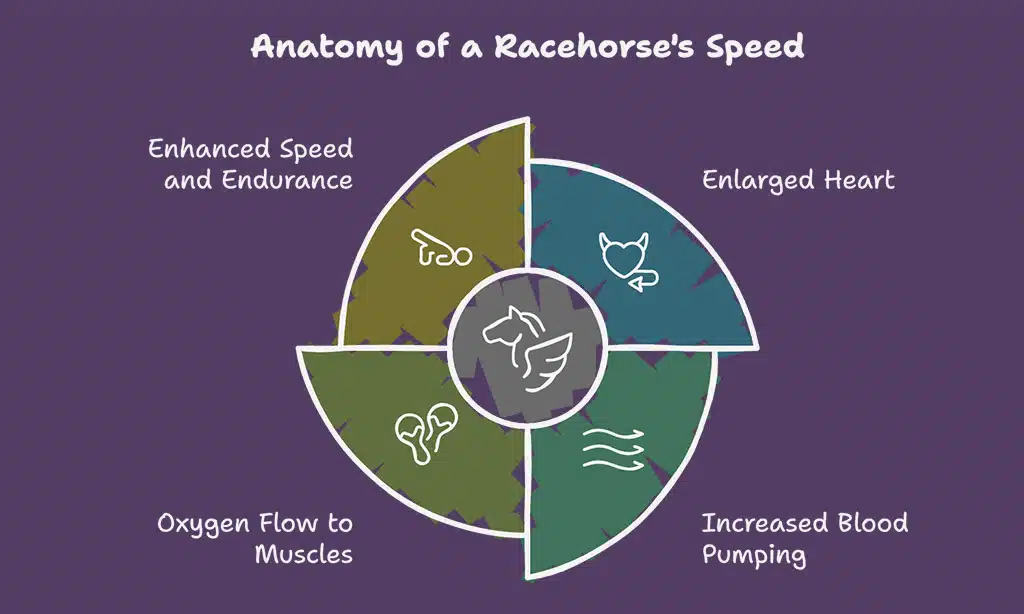
Racehorses have hearts 40% larger than other horses. Their big hearts pump more blood, increasing oxygen flow to muscles. This is key in races like the Kentucky Derby and the Grand National where speed and endurance matter.
More oxygen helps them sprint faster and last longer in these competitions.
They consume massive amounts of calories daily
Racehorses need 30,000 to 50,000 calories daily. This amount is higher than what other horses consume. Their diet consists of hay and grain for energy. They also receive vitamins and minerals for health.
Proper feeding boosts their performance in races such as the Kentucky Derby or Grand National. It ensures strong heart function and muscle readiness.
Horse Racing Tracks Aren’t Always Flat
Steeplechase races feature hills, jumps, and ditches, making the race more exciting and testing the horses’ agility. Tracks for these races are different from flat racing tracks. They include obstacles that challenge both horse and jockey.
In Britain, horse racing attracts large audiences for both flat and jumps races. Epsom Racecourse and Doncaster Racecourse are popular venues. These courses have straight paths and sharp turns that require careful planning by jockeys to win.
Fans enjoy these races because they highlight not just speed but also skill.
Names of Racehorses Follow Specific Rules
Naming a racehorse follows strict rules. A name must be under 18 characters, counting spaces and punctuation. Famous horse names like Secretariat or Man o’ War are off-limits. Names too close to current or legendary horses in British horse racing also can’t be used.
These guidelines help avoid confusion but make finding the right name challenging.
Betting on Horse Racing Dates Back to Kings
King Charles II made horse racing popular in Britain, calling it the “sport of kings.” For hundreds of years, betting has been a key part of the excitement in horse racing. The tradition began in America in the 1600s when horse racing was introduced.
Now, betting is critical worldwide, contributing billions to economies, especially in the UK. Famous races like the Kentucky Derby and Melbourne Cup draw bets on thoroughbred racehorses such as American Pharoah and Man o’ War, highlighting their importance to the sport.
Horse Racing’s Impact on Local Economies
Horse racing significantly enhances local economies. In Britain, it holds the position of the second most loved sport post football, attracting billions of dollars. This revenue is generated through event tickets, food, and wagering at events like the Grand National and Kentucky Derby.
Such expenditure fosters business development and employment opportunities.
Wagering is a substantial income generator in horse racing. It retains this practice from bygone eras. When races take place, there’s a rise in business activities in hotels, restaurants, and stores.
Therefore, horse racing provides more than just amusement, it fortifies the economy.
Takeaways
Horse racing has deep roots in history and is closely connected to royalty. Every thoroughbred horse celebrates the same birthday to keep age groups clear for racing purposes. Jockeys are light yet strong, balancing their weight for speed and control during races.
Winning the Triple Crown, a feat that includes three major races, is a rare achievement that highlights a horse’s speed and endurance.
These animals require large amounts of food to maintain their energy levels. Unlike many sports, horse racing can occur on various terrains – not just flat tracks but also courses with jumps like in steeplechase racing or national hunt events.
Thoroughbred names adhere to strict guidelines, adding a layer of tradition to the sport. Betting on horses is an old practice that supports the financial aspects of this sport, contributing significantly to local economies.
Understanding these facts adds depth to watching horse races, making them more engaging. Horse racing’s unique blend of history, athleticism, and community support showcases its title as “the sport of kings,” captivating fans around the world.
FAQs
1. Why is horse racing known as the “sport of kings”?
Horse racing earned its nickname, the “sport of kings,” because King Charles II was a big fan. He introduced thoroughbred racehorse breeding with horses like Darley Arabian, Godolphin Arabian, and Byerley Turk.
2. What’s unique about horse races in different hemispheres?
In the Northern Hemisphere, major races like Kentucky Derby take place in spring and summer. In contrast, Southern Hemisphere hosts Melbourne Cup and other grand events during their warmer months – our fall and winter!
3. How does a jockey’s weight impact a racehorse?
Jockeys maintain strict weight-loss regimes to keep light for their thoroughbred partners! A lighter load can make all the difference in flat races or steeplechase racing.
4. Can physical activity affect a racehorse’s health?
Indeed! Exercise Induced Pulmonary Hemorrhage (EIPH) often affects racehorses due to intense physical activity causing high blood pressure in lungs’ blood vessels leading to bleeding – not so fun fact about this sport.
5. What are some interesting records held by thoroughbreds?
Remember Secretariat? His heart rate was off the charts! And Man O’ War? Lost only once! Then there’s ‘I’ll Have Another’, who nearly won Triple Crown but had to retire due to heat stress.
6. Are there any unusual horse races out there?
Ever heard of Mongol Derby? It’s one of longest endurance races around! Or how about Queen Alexandra Stakes at Royal Ascot – it’s longest flat race on turf in Britain.