
Food trends come and go, but some have the power to change the way we eat for years to come. In 2024, we’re seeing a mix of health-conscious choices, global flavors, and eco-friendly practices taking center stage in kitchens around the world.
From plant-based proteins to fermented foods, these trends are shaping how we cook, eat, and think about food.
In this article, we’ll explore the food trends 2024 that are making waves this year, diving into what they are, why they’re popular, and how you can incorporate them into your own cooking.
Food Trends 2024 that Are Taking Over Kitchens
As home cooks and professional chefs alike seek new ways to tantalize taste buds while addressing global concerns, a fascinating array of food trends has emerged. From the sizzle of air fryers to the tang of fermented foods, these trends are not just passing fads, but reflections of our changing relationship with food.
They speak to our desire for flavors that excite, ingredients that nourish, and cooking methods that respect both our bodies and our planet. In this article, we’ll explore ten food trends that are transforming kitchens across the globe, offering insights into what’s cooking and why it matters.
1. Plant-Based Protein Alternatives
The rise of plant-based eating continues to be one of the biggest food trends of the year. More people are looking for ways to reduce their meat intake, whether for health, environmental, or ethical reasons. This has led to an explosion of plant-based protein alternatives in supermarkets and restaurants.
Plant-based meats made from ingredients like pea protein, soy, and mushrooms are becoming more realistic in taste and texture. Beyond burgers and sausages, we’re seeing plant-based versions of chicken, fish, and even eggs. Major fast-food chains are offering plant-based options, making them more accessible to the general public.
The global plant-based meat market is expected to reach $24.8 billion by 2030, growing at a CAGR of 19.3% from 2022 to 2030.
How to try it:
- Experiment with plant-based meat alternatives in your favorite recipes.
- Try making your own plant-based proteins using ingredients like lentils, chickpeas, or tofu.
- Look for restaurants offering innovative plant-based dishes.
2. Fermented Foods and Drinks
Fermented foods have been around for centuries, but they’re experiencing a resurgence in popularity due to their potential health benefits and unique flavors. These foods are rich in probiotics, which can support gut health and boost the immune system. Kombucha, kefir, and other fermented drinks are becoming mainstream beverages.
Traditional fermented foods like kimchi, sauerkraut, and miso are finding their way into more dishes. Home fermentation kits and classes are becoming popular as people learn to make their own fermented foods. The global fermented food and drink market is projected to reach $1.1 trillion by 2030, growing at a CAGR of 5.6% from 2021 to 2030.
How to try it:
- Add small amounts of fermented foods to your meals, such as a spoonful of sauerkraut with your sandwich.
- Try making your own kombucha or fermented vegetables at home.
- Look for artisanal fermented products at farmers’ markets or specialty stores.
3. Sustainable Seafood
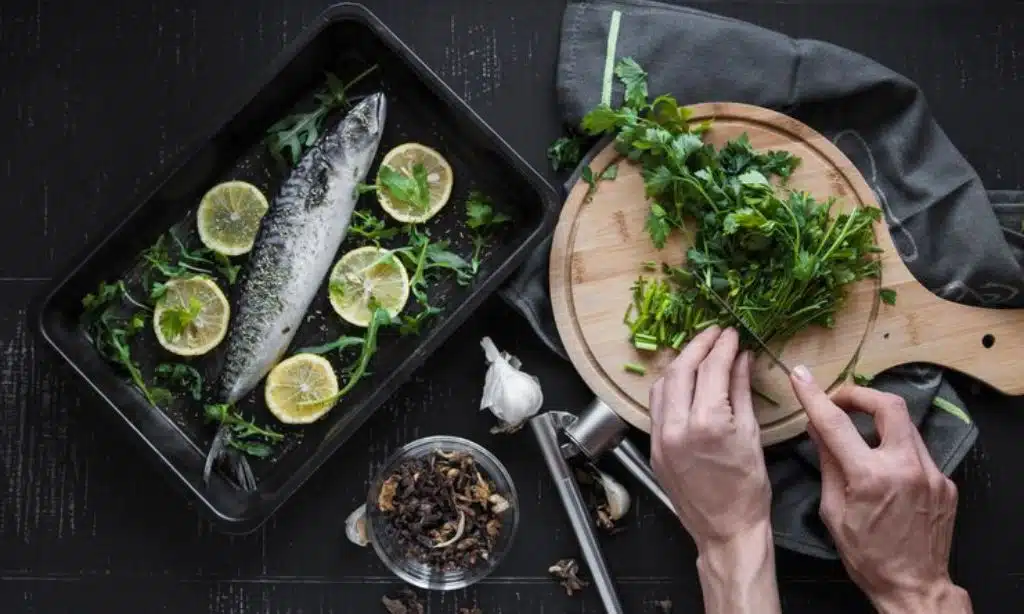 With growing concerns about overfishing and the health of our oceans, sustainable seafood is becoming a top priority for many consumers and chefs. This trend focuses on choosing seafood that is caught or farmed in ways that maintain healthy fish populations and ecosystems.
There’s increased demand for lesser-known fish species to reduce pressure on overfished populations. Aquaculture (fish farming) is improving its practices to be more environmentally friendly. Apps and guides are helping consumers make informed choices about sustainable seafood.
The global sustainable seafood market is expected to reach $23.7 billion by 2025, growing at a CAGR of 5.1% from 2020 to 2025.
How to try it:
- Use seafood guides like the Monterey Bay Aquarium’s Seafood Watch when shopping or dining out.
- Try cooking with sustainable seafood options like farmed mussels, Arctic char, or US-farmed catfish.
- Ask your local fishmonger or restaurant about their sustainable seafood options.
4. Global Flavors and Fusion Cuisine
As our world becomes more connected, so does our palate. This year, we’re seeing a continued exploration of global flavors and innovative fusion cuisines that blend different culinary traditions.
There’s growing interest in regional cuisines from countries like Korea, Vietnam, and Ghana. Chefs are experimenting with fusion cuisines that combine unexpected flavor combinations. Exotic spices and condiments from around the world are becoming pantry staples.
The global ethnic foods market is projected to reach $98.06 billion by 2028, growing at a CAGR of 11.8% from 2021 to 2028.
How to try it:
- Experiment with new spices and seasonings in your cooking.
- Try recipes from different cultures or regions you’re not familiar with.
- Look for fusion restaurants in your area that combine different culinary traditions.
5. Zero-Waste Cooking
With increasing awareness of food waste’s environmental impact, zero-waste cooking has become a significant trend. This approach aims to use every part of an ingredient and reduce food waste in the kitchen.
Chefs and home cooks are finding creative ways to use parts of ingredients that are typically discarded. There’s a growing interest in preservation techniques like pickling and canning to extend the life of ingredients.
Meal planning and smart shopping are becoming key strategies to reduce food waste. It’s estimated that reducing food waste could save up to $700 billion globally by 2030.
How to try it:
- Use vegetable scraps to make homemade stock.
- Learn to pickle or preserve excess produce.
- Plan your meals and shop with a list to avoid overbuying.
6. Functional Foods and Beverages
Functional foods and drinks, which offer health benefits beyond basic nutrition, are gaining popularity as people look for ways to boost their health through their diet. Foods and drinks fortified with vitamins, minerals, probiotics, and other beneficial compounds are on the rise.
There’s increased interest in adaptogens, herbs and mushrooms believed to help the body manage stress. Superfood” ingredients like turmeric, ashwagandha, and collagen are being added to everyday products.
The global functional foods market is expected to reach $275.77 billion by 2025, growing at a CAGR of 7.9% from 2019 to 2025.
How to try it:
- Look for foods and drinks fortified with additional nutrients.
- Try incorporating adaptogenic herbs or mushrooms into your diet.
- Make smoothies with added “superfood” ingredients.
7. Alternative Flours and Grains
 The world of baking is expanding beyond traditional wheat flour. Alternative flours and ancient grains are gaining popularity due to their unique flavors, nutritional profiles, and suitability for various dietary needs.
Gluten-free flours like almond, coconut, and chickpea flour are becoming more common. Ancient grains such as quinoa, amaranth, and teff are being rediscovered. There’s growing interest in heritage wheat varieties that offer different flavors and nutritional profiles. The global alternative flour market is projected to reach $98.3 billion by 2026, growing at a CAGR of 6.5% from 2021 to 2026.
How to try it:
- Experiment with different flours in your baking.
- Try cooking with ancient grains as a side dish or in salads.
- Look for breads and baked goods made with heritage wheat varieties.
8. Mocktails and Non-Alcoholic Drinks
The “sober curious” movement has led to a boom in sophisticated non-alcoholic beverages. These drinks offer the complexity and ritual of cocktails without the alcohol. Non-alcoholic spirits that mimic the flavors of gin, whiskey, and other liquors are gaining popularity.
Bartenders are creating complex, layered mocktails using herbs, spices, and unique ingredients. There’s growing interest in functional non-alcoholic drinks that offer health benefits.
The global non-alcoholic beverage market is expected to reach $1.7 trillion by 2027, growing at a CAGR of 8.19% from 2020 to 2027.
How to try it:
- Experiment with making mocktails at home using herbs, fruit juices, and syrups.
- Try non-alcoholic spirits in your favorite cocktail recipes.
- Look for bars and restaurants offering innovative non-alcoholic drink menus.
9. Hyper-Local Sourcing
The farm-to-table movement has evolved into hyper-local sourcing, where restaurants and consumers are seeking out ingredients grown or produced as close to home as possible. Restaurants are growing their own produce, keeping bees, and even raising animals on-site.
Urban farming and community gardens are on the rise. There’s increased interest in foraging for wild ingredients. The global urban farming market is projected to reach $236.4 billion by 2028, growing at a CAGR of 14.2% from 2021 to 2028.
How to try it:
- Start a small herb garden in your kitchen or on your balcony.
- Shop at local farmers’ markets and choose locally produced items.
- Look for restaurants that source their ingredients locally.
10. Air Fryer Revolution
Air fryers have taken kitchens by storm, offering a healthier alternative to traditional deep-frying while still delivering crispy, delicious results. This trend is reshaping how people approach cooking at home, making it easier to prepare a wide variety of dishes with less oil and less mess.
Air fryers use hot air circulation to cook food, resulting in a crispy exterior similar to deep-frying but with up to 70–80% less oil. These appliances are versatile, being used for everything from vegetables and meats to baked goods and even reheating leftovers. Air fryer cookbooks and recipe blogs have exploded in popularity, offering creative ways to use the appliance.
The global air fryer market was valued at $894.3 million in 2020 and is expected to reach $1.425 billion by 2026, growing at a CAGR of 7.7% during the forecast period.
How to try it:
- Invest in an air fryer and experiment with your favorite foods.
- Try air fryer versions of traditionally fried foods like french fries, chicken wings, or fish and chips.
- Look for air fryer recipes that go beyond typical fried foods, such as roasted vegetables or baked desserts.
Takeaways
The food trends 2024 reflect a growing awareness of health, sustainability, and convenience in our kitchens. From plant-based proteins to the air fryer revolution, these trends are shaping the way we think about and interact with food.
Whether you’re a passionate home cook or simply curious about the future of food, there are plenty of ways to explore these trends in your own kitchen.
By embracing new ingredients, techniques, and appliances like air fryers, we can all play a part in creating a more diverse, healthier, and delicious food landscape.