

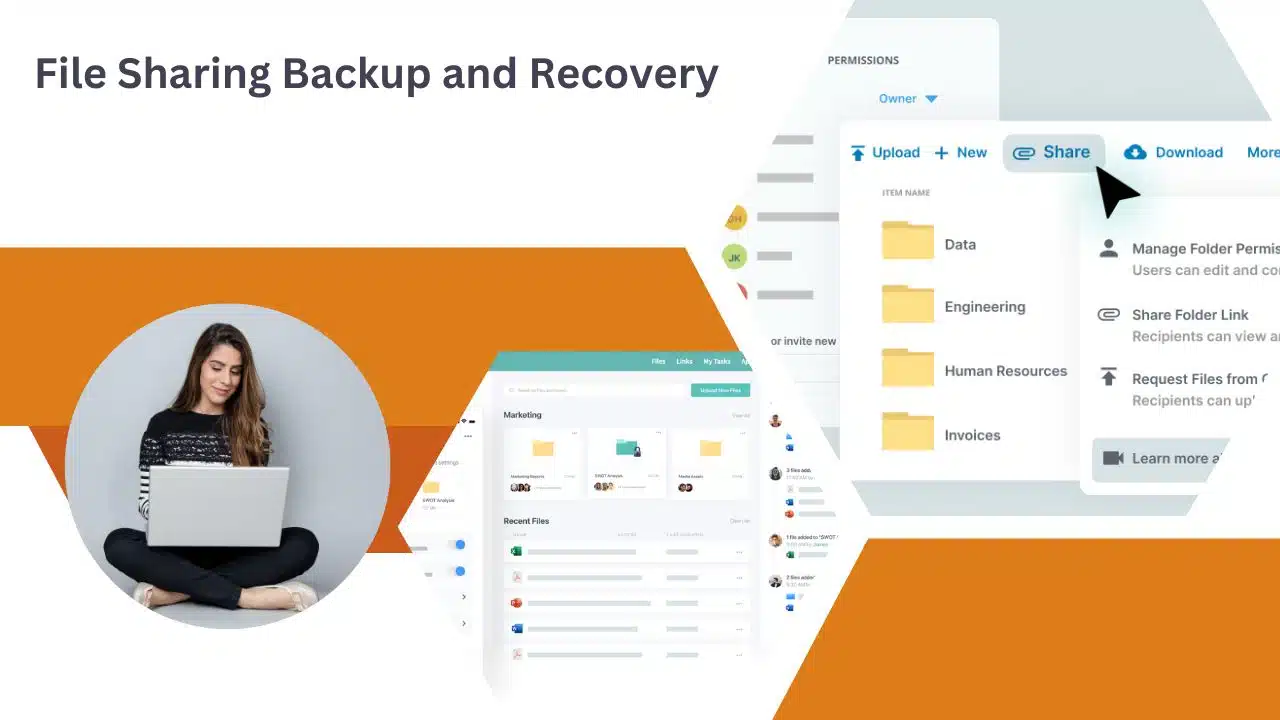
In today’s fast-paced digital age, data is the key to business success. As enterprises increasingly rely on data-driven insights, the catastrophic consequences of data loss become even more pronounced. A robust backup and recovery strategy isn’t a mere luxury; it’s the bedrock upon which modern businesses stand. As we delve deeper, we’ll unravel the nuances of crafting a data protection strategy that’s not just robust but also agile, catering to the ever-evolving needs of modern enterprises.
The Importance of Regular Backups
Today, businesses handle not just structured databases but a deluge of unstructured data—emails, multimedia content, real-time transaction data, and more. The loss of such data can stall operations, delay critical decision-making, and even lead to regulatory non-compliance. Hence, the argument for regular backups transcends data protection as businesses continue to share large files at high rates.
Downtime can lead to lost sales, disrupted operations, and disgruntled customers. Moreover, regulatory fines for data breaches, especially in sectors like finance and healthcare, can run into millions. While daily, weekly, and monthly backups have their relevance, the frequency often depends on the business’s nature and the data’s criticality. Distinguishing between full, incremental, and differential backups is crucial for efficient data storage and recovery.
Tools and Techniques for Data Recovery
In the arsenal of modern businesses, data recovery tools are the shields against unforeseen digital calamities. While there’s a plethora of tools available, discerning businesses opt for those that seamlessly integrate with their existing file-sharing platforms. With the rise of hybrid work models, recovery tools must cater to diverse devices and platforms. From recovering data on a remote employee’s malfunctioned laptop to restoring data on a server in a corporate data center, versatility is key.
While there are numerous tools available, it’s vital to choose those that integrate seamlessly with popular file-sharing platforms and adhere to industry-specific compliance requirements. These tools, backed by AI, are becoming smarter, capable of predicting potential data loss scenarios and taking preemptive action.
Crafting a Disaster Recovery Plan
Beyond the technicalities, a disaster recovery plan is a testament to a business’s resilience. It’s a blueprint, detailing actions, stakeholders, resources, and communication channels in the face of disruptions. But what sets apart a generic plan from a robust one?
A robust plan isn’t static; it evolves, mirroring the business’s growth, technological advancements, and emerging threats. It’s not just a document but a living entity, subjected to regular reviews, updates, and drills. Crafting such an adaptable plan demands not just technical expertise but also strategic foresight, ensuring that in the face of adversity, the business doesn’t just survive but thrives.
Testing and Updating the Plan
A plan, no matter how comprehensive, is futile if untested. Simulating disaster scenarios, from server meltdowns to cyber onslaughts, tests the plan’s mettle, revealing chinks in its armor. Such drills serve a dual purpose. Firstly, they ensure that in the face of real disruptions, the recovery process is swift and seamless. Secondly, they offer invaluable insights, highlighting areas of improvement. Post-drill debriefs, analyzing what went right and what didn’t, refine the plan, ensuring it’s better equipped for future contingencies. As businesses adopt new technologies, expand operations, or even change vendors, the recovery plan must mirror these changes, ensuring it remains relevant and effective.
Training and Awareness
At the heart of any disaster recovery plan lies its most unpredictable element: humans. From the IT expert orchestrating the recovery to the employee reporting a potential data breach, every individual plays a pivotal role. Thus, regular training sessions, ensuring every stakeholder understands their role, are non-negotiable.
Beyond structured training, fostering a culture of awareness is key. Periodic awareness campaigns, highlighting the significance of data protection, and the potential repercussions of breaches can instill a sense of responsibility.
Conclusion
In the interconnected world of large file sharing, safeguarding data is not just a technical requirement but a business imperative. Businesses that prioritize backup and recovery, invest in top-tier tools, and foster a culture of data protection awareness are poised to thrive in this volatile environment. In the world of file sharing, it’s not just about sharing but also about safeguarding. Dive deep, stay informed, and ensure your business’s most valuable asset—its data—is protected.
























