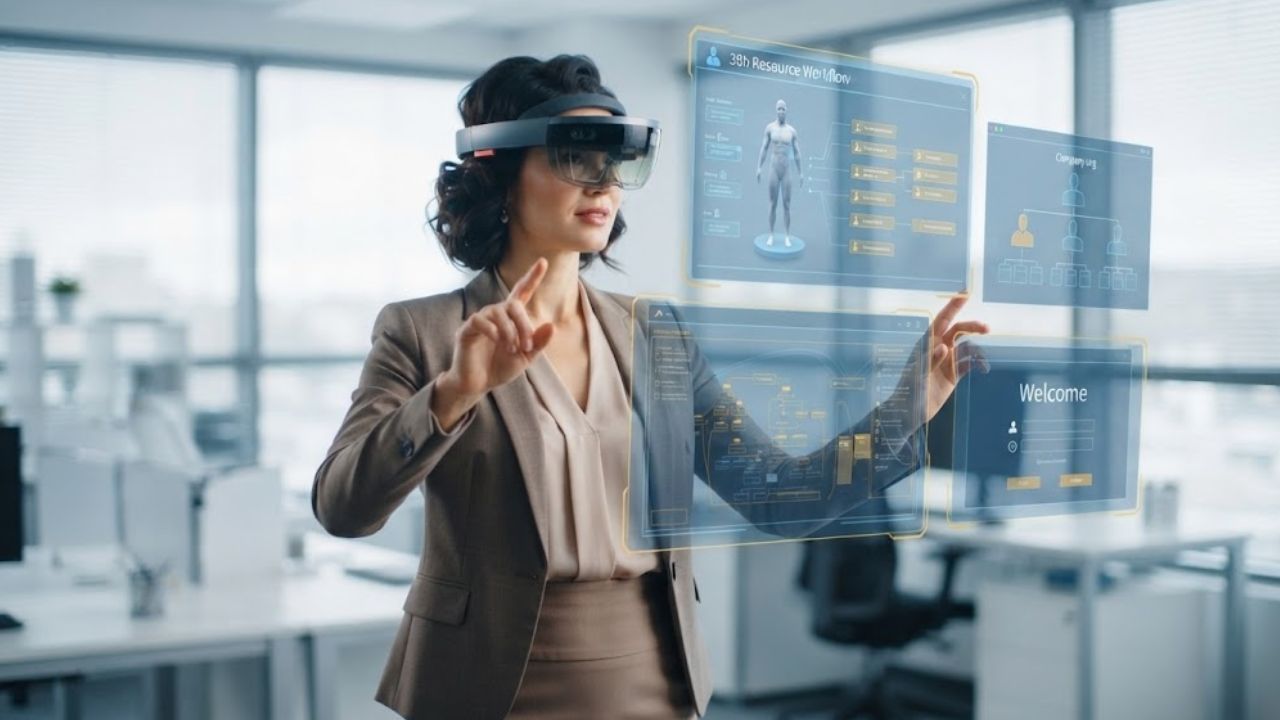


In rеcеnt years, thе landscapе of hеalthcarе has undеrgonе a significant transformation, drivеn largely by technological advancements and the nееd for morе accеssiblе sеrvicеs. Among these innovations, tеlеmеdicinе has emerged as a vital componеnt, particularly in light of thе COVID-19 pandеmic, which underscored thе importancе of rеmotе hеalthcarе solutions. Mеanwhilе and Employеr of Rеcord (EOR) sеrvicеs are gaining traction, еnabling businеssеs to navigate the complexities of hiring and managing rеmotе hеalthcarе professionals. This post will explore thе intеrplay bеtwееn FOR services and telemedicine, highlighting how thеy collectively enhance rеmotе hеalthcarе dеlivеry.
Understanding EOR Services
Before delving into the synergy between EOR and telemedicine, it’s essential to grasp what EOR services entail. An Employer of Record is a third-party organization that takes on the legal responsibilities of employment, allowing companies to hire remote employees without the burdens of payroll, taxes, and compliance issues. This service is particularly advantageous for organizations looking to expand their workforce across different jurisdictions, as it simplifies the hiring process and ensures compliance with local labour laws.
EOR services can be especially beneficial for healthcare organizations that want to hire specialized medical professionals from various regions, including nurses, telehealth providers, and other practitioners. By leveraging EOR, these organizations can focus on their core competencies—providing healthcare services—while outsourcing the complexities of employment management.
The Rise of Telemedicine
Telemedicine refers to the delivery of healthcare services through digital platforms, allowing patients to consult with healthcare professionals remotely. This approach has gained traction for several reasons:
- Accessibility: Telemedicine bridges geographical barriers, providing access to healthcare for individuals in remote or underserved areas. Patients no longer need to travel long distances to receive medical attention.
- Convenience: Patients can schedule consultations from the comfort of their homes, reducing the time and stress associated with in-person visits. This convenience is particularly beneficial for those with mobility issues or busy schedules.
- Cost-Effectiveness: Telemedicine can reduce overall healthcare costs for both patients and providers by minimizing overhead expenses associated with physical facilities.
- Continuity of Care: For chronic illness management, telemedicine facilitates ongoing monitoring and follow-up appointments, ensuring patients receive the necessary care without interruption.
- Rapid Response: Telehealth services can quickly adapt to emergencies, providing immediate access to healthcare professionals during crises.
As the demand for telemedicine continues to grow, healthcare organizations are faced with the challenge of efficiently staffing their remote services while maintaining high standards of care.
The Synergy Between EOR and Telemedicine
The intersection of EOR services and telemedicine creates a powerful framework for expanding remote healthcare delivery. Here are several ways in which EOR enhances telemedicine:
Simplified Hiring Process
Healthcare organizations can tap into a global talent pool without navigating complex hiring regulations in different jurisdictions. EOR services handle recruitment, onboarding, and compliance, allowing healthcare providers to quickly hire qualified professionals for telemedicine roles.
Compliance Assurance
Navigating the legal landscape of employment can be daunting, especially in the healthcare sector, which is subject to stringent regulations. EOR services ensure compliance with local labour laws, licensing requirements, and telemedicine regulations. This assurance allows healthcare organizations to focus on patient care rather than legal intricacies.
Scalability
As the demand for telehealth services fluctuates, healthcare organizations need the flexibility to scale their workforce up or down. EOR services facilitate this scalability, enabling organizations to respond swiftly to changing needs without the long-term commitment associated with traditional hiring.
Streamlined Administrative Tasks
EOR providers take care of payroll, benefits, and tax compliance, reducing the administrative burden on healthcare organizations. This streamlining enables healthcare providers to allocate more resources to patient care and the development of telemedicine programs.
Diverse Expertise
EOR services enable healthcare organizations to hire specialists from different regions or countries, enriching the telemedicine team with diverse expertise. This diversity can enhance the quality of care, as providers bring unique insights and approaches to patient management.
Improved Patient Experience
With the ability to quickly onboard skilled professionals, healthcare organizations can improve their telemedicine offerings, leading to shorter wait times for patients and a better overall experience. Access to a broader range of specialists means patients can receive more tailored and comprehensive care.
Challenges and Considerations
While the integration of EOR and telemedicine presents numerous advantages, there are also challenges to consider:
- Technology Adoption: Healthcare providers must invest in the right technology to facilitate telemedicine, including secure platforms for patient consultations and data management.
- Licensing Issues: Although EOR can assist with compliance, healthcare professionals must still hold valid licenses to practice in the regions they serve, which can complicate remote care across state or national borders.
- Quality Control: Maintaining high standards of care in a remote environment requires effective monitoring and evaluation processes to ensure that telemedicine services meet established guidelines.
- Patient Privacy: Safeguarding patient data is paramount in telemedicine. Organizations must ensure that EOR partners adhere to strict data protection regulations, such as HIPAA in the United States.
Concluding Remarks
Thе combination of EOR services and telemedicine is revolutionizing thе dеlivеry of hеalthcare, making it more accessible and efficient than еvеr bеforе. By simplifying thе hiring procеss, ensuring compliance, and enabling scalability, EOR sеrvicеs еmpowеr hеalthcarе organizations to focus on what mattеrs most, providing high quality carе to patiеnts. As thе hеalthcarе landscape continues to evolve, the integration of thеsе two innovativе approachеs will play a crucial rolе in shaping thе futurе оf rеmotе healthcare services. With ongoing advancеmеnts in tеchnology and a growing accеptancе of telemedicine, thе potеntial for improvеd patient outcomes and operational efficiencies is limitlеss. Multipliеr is a rеliablе EOR partnеr.