The toddler years, generally defined as ages one to three, are a crucial period of development for children. This time is characterized by rapid growth, both physically and emotionally.
As toddlers transition from infancy to early childhood, they begin to navigate a world filled with new experiences, relationships, and emotions.
Understanding these emotional milestones is vital for parents and caregivers, as it helps provide the support and guidance necessary for healthy emotional development.
In this article, we will explore 10 key emotional milestones that toddlers typically experience. By recognizing these milestones, parents can better support their children’s emotional growth and equip them with the tools they need to navigate their feelings and relationships successfully.
1. Early Attachment (0-6 Months)
The first six months of life are critical for developing attachments between infants and their primary caregivers. John Bowlby, a psychologist, developed attachment theory, which emphasizes the value of a strong bond in fostering emotional well-being. During this period, infants rely heavily on their caregivers for comfort, safety, and nourishment.
Signs of Attachment
- Responsive Smiling: Infants begin to smile socially around six weeks. This smile is a vital signal that your baby is forming an attachment and recognizes their caregivers.
- Cuddling and Clinging: Babies will seek physical closeness, often clinging to their caregivers for comfort. They may reach out their arms or cry when separated, indicating a desire for proximity.
Importance of Attachment
A secure attachment lays the groundwork for future relationships and emotional stability. Children who experience secure attachments tend to be more confident and explore their environments more freely, knowing they have a safe base to return to. Conversely, insecure attachments can lead to difficulties in emotional regulation and relationship-building in later life.
Tips for Fostering Attachment
- Consistent Responses: Respond promptly and consistently to your baby’s needs. This helps them learn that they can rely on you for comfort.
- Physical Affection: Engage in skin-to-skin contact, cuddling, and gentle rocking to promote bonding.
- Engage in Eye Contact: Making eye contact during interactions enhances connection and builds trust.
2. Recognizing Emotions (6-12 Months)
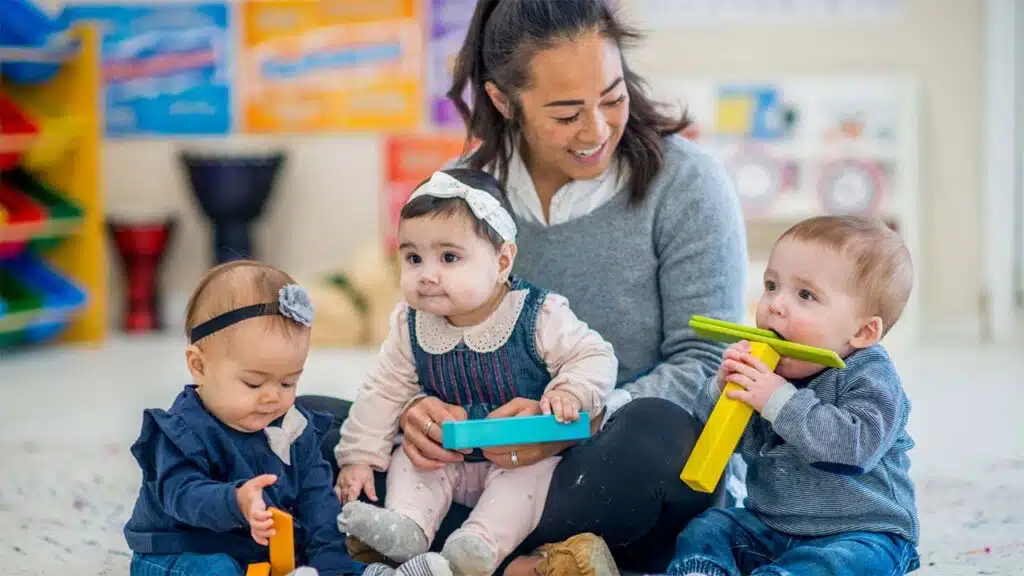
Between six and twelve months, infants start to recognize and respond to the emotions of those around them. This is a significant milestone, as it marks the beginning of social-emotional development. Babies begin to understand that emotions can be expressed through facial expressions and tone of voice.
Understanding Cues
- Mirroring Emotions: Infants may mirror the emotional responses of their caregivers. For example, if a caregiver smiles, the baby may smile back. Conversely, a frown may elicit a distressed reaction from the baby.
- Reaction to Others’ Emotions: Babies may become agitated when they see a caregiver in distress or may become more playful when they see someone laughing.
Impact on Development
This recognition of emotions lays the foundation for developing empathy and social skills later on. Infants learn that their actions can affect others’ emotions, leading to a basic understanding of social interactions.
Tips for Encouraging Emotion Recognition
- Playful Interactions: Engage in games like peek-a-boo, where you express exaggerated emotions. This helps babies learn to recognize different emotional expressions.
- Read Books Together: Choose books with expressive characters. Discuss the emotions of the characters and encourage your baby to express their feelings.
- Model Emotional Expressions: Show a variety of emotions in daily interactions, helping your baby learn to recognize and understand feelings.
3. Expressing Basic Emotions (12-24 Months)
As toddlers enter this stage, they start to express a wider range of emotions, including happiness, frustration, anger, and sadness. This is an important time for toddlers as they begin to develop their identities and understand their feelings more profoundly.
Emotional Expression
- Tantrums and Frustration: When faced with limitations or obstacles, toddlers may express their frustration through tantrums. These outbursts are a normal part of emotional development, as toddlers often lack the verbal skills to articulate their feelings.
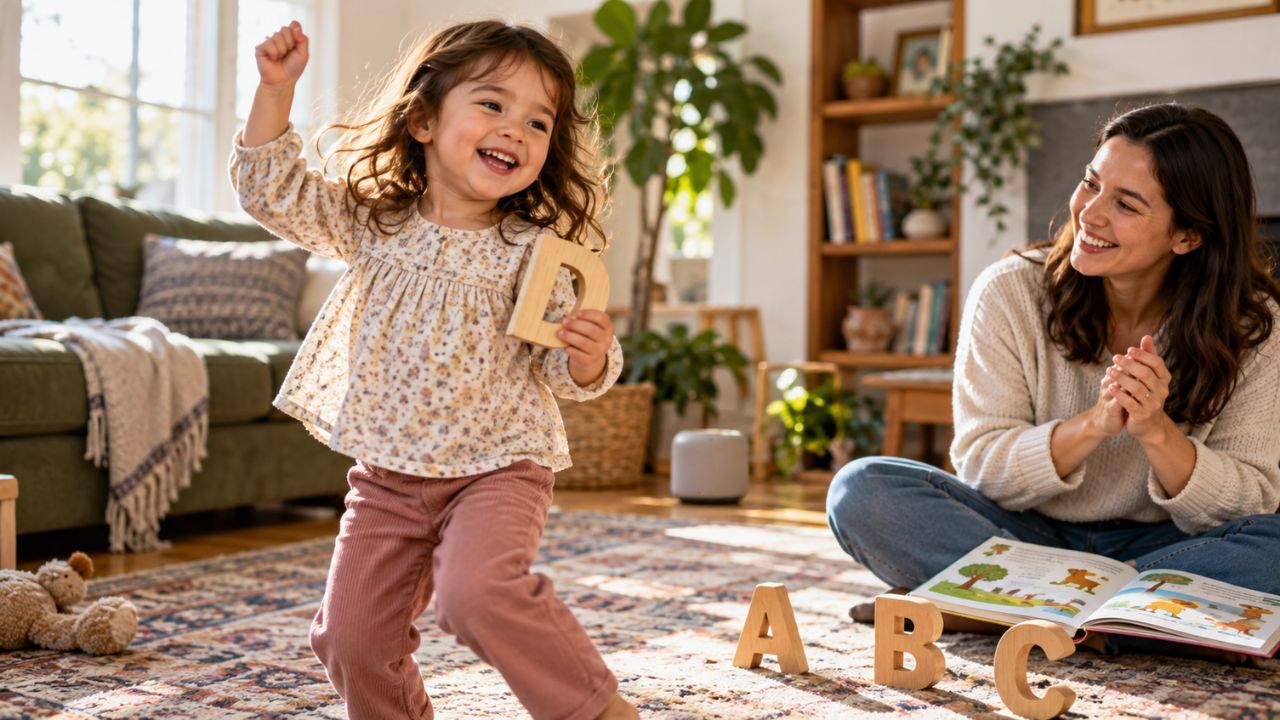
- Joyful Expressions: Moments of joy may be expressed through laughter, clapping, and dancing.
Learning to Communicate
As toddlers grow, they learn to associate words with their feelings, which enhances their ability to express themselves. Encouraging verbal expression helps children develop emotional literacy and provides them with tools to navigate their feelings.
Tips for Supporting Emotional Expression
- Acknowledge Feelings: Validate your toddler’s feelings, letting them know that it’s okay to feel frustrated or sad. Use phrases like, “I see that you’re upset. It’s okay to feel that way.”
- Encourage Verbal Expression: Teach your toddler simple words to express their emotions, such as “happy,” “sad,” “angry,” or “frustrated.”
- Model Emotional Communication: Share your feelings with your toddler, explaining how certain situations make you feel. This helps them understand that everyone experiences a range of emotions.
4. Developing a Sense of Self (2-3 Years)
Around the age of two, toddlers begin to develop a sense of self. This is a pivotal milestone that signifies the transition from infancy to toddlerhood. Children start to recognize themselves as separate individuals with their own thoughts, feelings, and preferences.
Self-Identification
- Using Their Name: Children may refer to themselves by name, indicating a growing self-awareness. They may say, “I want,” or “Me do it,” showcasing their desire for independence.
- Expressing Preferences: Toddlers begin to show preferences for certain toys, activities, or food, expressing their individuality.
Significance of Self-Recognition
Developing a sense of self fosters independence and self-esteem. However, this newfound autonomy can also lead to frustration when toddlers encounter limitations or boundaries.
Tips for Encouraging Self-Discovery
- Promote Independence: Allow your toddler to make simple choices, such as picking out clothes or selecting a snack. This helps them feel empowered and reinforces their sense of self.
- Encourage Exploration: Create a safe environment for your toddler to explore their interests and express their preferences.
- Provide Positive Reinforcement: Celebrate their accomplishments and individuality. Positive reinforcement boosts self-esteem and confidence.
5. Understanding Social Cues (3-4 Years)
As toddlers approach preschool age, they become more adept at recognizing and responding to social cues. They start to understand the unspoken rules of social interactions, which is essential for building relationships with peers.
Social Awareness
- Reading Facial Expressions: Children learn to interpret emotions based on facial expressions. They may notice when a friend is sad and respond with empathy.
- Understanding Personal Space: As social awareness grows, children start to respect personal space and learn appropriate ways to interact with others.
Peer Interactions
Understanding social cues enhances toddlers’ ability to engage in cooperative play and build friendships. Learning how to navigate social situations is crucial for their overall emotional development.
Tips for Fostering Social Skills
- Playdates: Organize playdates with peers to encourage social interactions. Provide opportunities for your child to engage in cooperative games.
- Teach Sharing and Turn-Taking: Encourage sharing and taking turns during playtime. This helps children learn important social skills and reinforces empathy.
- Discuss Social Situations: Use real-life examples to discuss social situations. Ask questions like, “How do you think your friend felt when that happened?”
6. Learning to Regulate Emotions (4-5 Years)
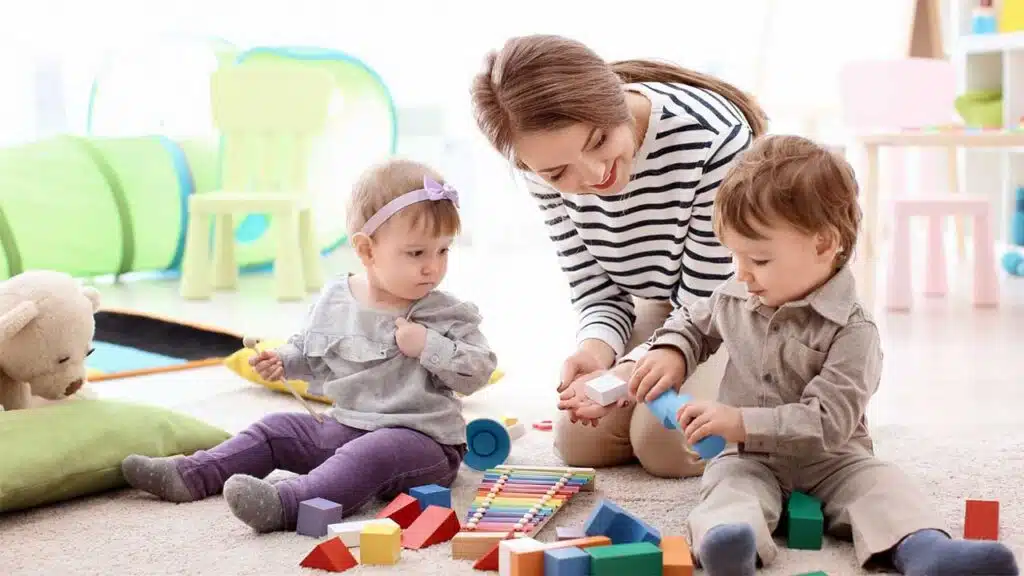
By age four, children start to develop strategies for managing their emotions. Emotional regulation refers to the ability to monitor and control one’s emotional responses in various situations. This milestone is vital for navigating social interactions and coping with challenges.
Coping Mechanisms
- Using Words: As children expand their vocabulary, they learn to express their feelings verbally. Instead of throwing a tantrum, they may say, “I’m mad because I can’t have that toy.”
- Calming Techniques: Children may develop calming techniques, such as taking deep breaths or counting to ten, when faced with overwhelming emotions.
Role of Parents
Parents play a crucial role in teaching emotional regulation. By modeling healthy emotional responses and coping strategies, parents can help children learn to manage their feelings effectively.
Tips for Teaching Emotional Regulation
- Model Calmness: Demonstrate calm responses to stress and frustration. Children learn by observing their caregivers.
- Encourage Coping Strategies: Teach your child specific coping strategies, such as deep breathing, counting, or finding a quiet space to relax.
- Provide Emotional Vocabulary: Help your child build an emotional vocabulary by discussing feelings and encouraging them to express their emotions.
7. Developing Empathy (4-5 Years)
As children approach the age of five, they begin to develop empathy—the ability to understand and share the feelings of others. Empathy is a critical component of emotional intelligence and plays a significant role in building strong relationships.
Empathetic Responses
- Concern for Others: Children may show concern when they see a peer upset. They might offer comfort by sharing a toy or giving a hug.
- Understanding Consequences: As they develop empathy, children start to grasp the consequences of their actions on others’ emotions. They may feel guilty if they hurt a friend during play.
Importance of Empathy
Developing empathy fosters kindness and compassion. Children with strong empathetic skills are more likely to form positive relationships and engage in prosocial behaviors throughout their lives.
Tips for Nurturing Empathy
- Discuss Feelings: Encourage discussions about emotions by asking your child how they think others feel in various situations. Use stories and real-life examples to illustrate empathetic responses.
- Role-Playing: Engage in role-playing activities where your child can practice responding empathetically to different scenarios.
- Model Empathy: Demonstrate empathetic behavior in your daily interactions. Show kindness to others and discuss your feelings openly.
8. Understanding Friendship (5 Years)
By age five, children start to form friendships and understand the dynamics of social relationships. They learn to navigate social hierarchies, resolve conflicts, and develop bonds with peers.
Friendship Skills
- Cooperative Play: Children engage in cooperative play, sharing toys and taking turns. They begin to understand the importance of collaboration in friendships.
- Conflict Resolution: As social interactions become more complex, children learn to navigate conflicts, such as disagreements during playtime.
Building Bonds
Positive friendships contribute to a sense of belonging and security. Strong friendships provide emotional support and enhance social skills, contributing to overall emotional well-being.
Tips for Fostering Friendships
- Encourage Group Play: Organize group playdates to help your child develop friendships and social skills in a supportive environment.
- Teach Conflict Resolution: Guide your child in resolving conflicts by encouraging them to communicate openly and listen to their friends’ perspectives.
- Celebrate Friendships: Acknowledge and celebrate your child’s friendships, emphasizing the importance of kindness and loyalty.
9. Beginning to Understand Complex Emotions (5-6 Years)
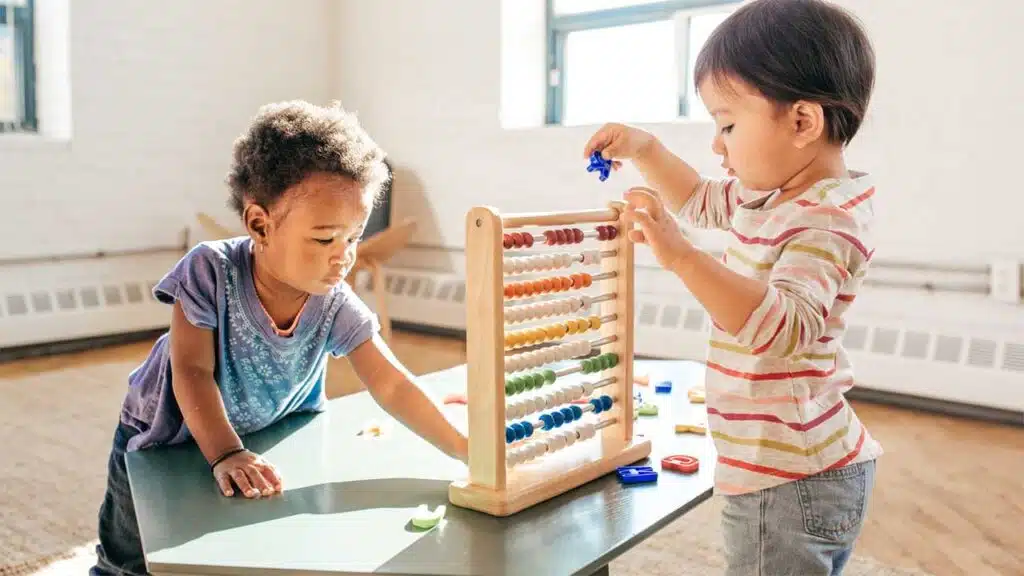
As children near their sixth birthday, they begin to understand and express more complex emotions, such as guilt, pride, and jealousy. This milestone indicates significant growth in emotional intelligence and awareness.
Complex Emotions
- Guilt and Shame: Children may feel guilty if they perceive they have done something wrong. This emotional awareness fosters accountability and moral development.
- Pride in Achievements: As they accomplish tasks or learn new skills, children experience pride, boosting their self-esteem.
Discussion Opportunities
Encouraging discussions about complex emotions helps children articulate their feelings and develop a deeper understanding of themselves and others. Parents can play a crucial role in guiding these conversations.
Tips for Discussing Complex Emotions
- Open-Ended Questions: Encourage discussions by asking open-ended questions about feelings. For example, “How did you feel when you completed that drawing?”
- Normalize Emotions: Let your child know that experiencing complex emotions is normal and that it’s okay to feel a range of feelings.
- Share Personal Experiences: Share your experiences with complex emotions to model healthy emotional discussions.
10. Developing Emotional Resilience (6 Years and Beyond)
As children enter school, they continue to develop emotional resilience—the ability to bounce back from setbacks and cope with challenges. This resilience is essential for navigating the ups and downs of life and building self-confidence.
Building Resilience
- Coping with Disappointment: Children learn to cope with disappointment, such as losing a game or facing academic challenges. Developing resilience involves learning that setbacks are a part of life.
- Problem-Solving Skills: As they face challenges, children develop problem-solving skills that empower them to find solutions independently.
Supportive Parenting
Supportive parenting is crucial for fostering resilience. Encouraging independence and problem-solving helps children develop confidence in their abilities.
Tips for Building Emotional Resilience
- Encourage Problem-Solving: Allow your child to explore solutions to challenges independently. Offer guidance when needed, but encourage them to think critically.
- Foster a Growth Mindset: Teach your child to view challenges as opportunities for growth. Emphasize that mistakes are valuable learning experiences.
- Celebrate Efforts: Acknowledge your child’s efforts and achievements, regardless of the outcome. Celebrate their perseverance and resilience.
Wrap Up
Recognizing and understanding these emotional milestones is essential for supporting your toddler’s emotional growth.
As children navigate their feelings and relationships, parents play a crucial role in providing guidance, encouragement, and understanding.
By fostering a supportive environment, you can help your child develop into an emotionally intelligent and resilient individual.
The journey of emotional development is complex, but by being aware of these key milestones, you can better navigate the ups and downs of parenting.
Celebrate your child’s emotional growth and be there to support them as they learn to understand themselves and the world around them.