
Content creators sometimes struggle to find that spark of inspiration. They can stare confused at a blank canvas, a blinking cursor, or a design software interface, trying to figure out where to begin. But what if a line of text in an AI tool could produce several ideas, transforming initial frustration into breathtaking scenes, captivating stories, or groundbreaking product designs?
The key lies in mastering the art of the AI prompt. After all, Fei-Fei Li, an American computer scientist, said, “Artificial intelligence and humans will solve society’s biggest challenges by working together.”
This guide explores how to craft effective prompts for creatives, enabling you to utilize AI as a powerful collaborator. We’ll also discuss the importance of description, context, and constraints in guiding AI towards your unique vision.
Understanding How AI Prompting Works
AI models can function as highly skilled artists or writers but need clear direction to produce their best work. Here’s a breakdown of the process:
- Basic Principles: At its core, prompting involves giving the AI specific instructions about what you want it to create. Depending on your desired outcome, your instructions may be simple or complicated.
- Types of AI Tools: There’s a whole toolbox of AI tools at your disposal. Art generators can turn your words into stunning visuals. Language models can craft poems, scripts, or code based on your prompt. There are even AI tools designed for specific creative tasks, like generating logo ideas or product mockups.
Why Well-crafted Prompts Result in Higher-Quality Outputs
The key to discovering unique AI creations lies in the quality of your prompt. Here’s why:
- Clarity is King: If you ask an artist to paint a “happy place,” they may give you a field of flowers, a bustling city street, or anything in between. A more specific command, like “a cozy cabin nestled in snowy mountains, with warm light spilling from the windows,” gives the AI a more precise picture.
- Details Matter: Spice up your prompts with details. Instead of just “a cat,” try developing a more detailed description like “a fluffy Persian cat basking in a sunbeam, with playful green eyes.” The depth of the AI’s creation depends on how many details you can provide.
- Reference Points: Feeling inspired by a particular style? Include references in your prompt. “A portrait in the style of Van Gogh, featuring a woman with bright red hair and a determined expression.” This helps guide the AI towards the desired aesthetic.
Elements of an Effective AI Prompt
We’ve established that crafting effective AI prompts is the key to discovering the potential of these creative tools. But what makes it truly shine? Let’s explore the essential elements that will improve your prompts, from basic instructions to lines of inspiration.
- Specificity: Suppose you tell a chef, “I want something delicious.” They may prepare anything delicious, from a cake to a stir-fry. That’s why specificity is critical. Describe details like the subject matter, colors, lighting, and style in art prompts. For writing, define the desired tone, genre, and even the target audience. The more specific you are, the better the AI can tailor its creation to your vision.
- Contextual Details: Setting the scene is crucial. As a writer crafting a story about a “dragon,” you should describe the scene for more context. Is it a majestic creature soaring through the clouds or a mischievous fire-breather terrorizing a village? Contextual details like setting, theme, and the intended audience will guide the AI towards a more relevant and impactful creation.
For example, your design prompt could be: “Create a logo for a sustainable clothing brand featuring a stylized leaf symbol and a clean, modern font.” This would give the AI context about the brand’s values and target audience.
- Constraints: Sometimes, limitations can spark even greater creativity. They can help refine the AI’s output and push it in unexpected directions. You could specify a word count limit in writing prompts to encourage conciseness. When creating art, define a preferred color scheme or style (e.g., “art deco”) to give the AI a specific framework.
Crafting AI Prompts for Different Creative Fields
We’ve explored the building blocks of effective prompts, but how do you translate those elements into specific creative fields? Let’s see practical tips for crafting effective AI prompts in various creative domains:
- Art: Descriptive language is your best bet here. Paint a picture with words. Describe the subject matter, colors, lighting, composition, and desired art style.
- Effective Art Prompts:
- “A proud golden eagle flying through a clear blue sky, with snow-capped mountains in the distance. Paint in a realistic style.” (Descriptive language for vivid imagery)
- Writing: Structure is vital for writing prompts. State the format of the text you want. It could be a poem, script, or blog post. Describe the desired tone, perhaps humorous or suspenseful. Also, mention your target audience, e.g., business owners looking to streamline sales processes. Try using an AI Humanizer to refine AI-generated content and make it sound more human. These tools help ensure that the text resonates with readers while maintaining a professional and authentic tone.
- Effective Writing Prompts:
- “Write a children’s story about a brave little robot who overcomes its fear of heights to save its friends, using a lighthearted and rhyming tone.” (Specifying format, tone, and target audience)
- “Craft a persuasive essay arguing for the importance of renewable energy sources. Employ a logical and structured approach.” (Defining format, tone, and purpose)
- Other Creative Areas: The possibilities are endless. Here are some ideas for different creative fields:
- Music Composition: Describe the mood, genre, and instruments. For example, “Create a whimsical and uplifting piano piece with a touch of jazz influence.”
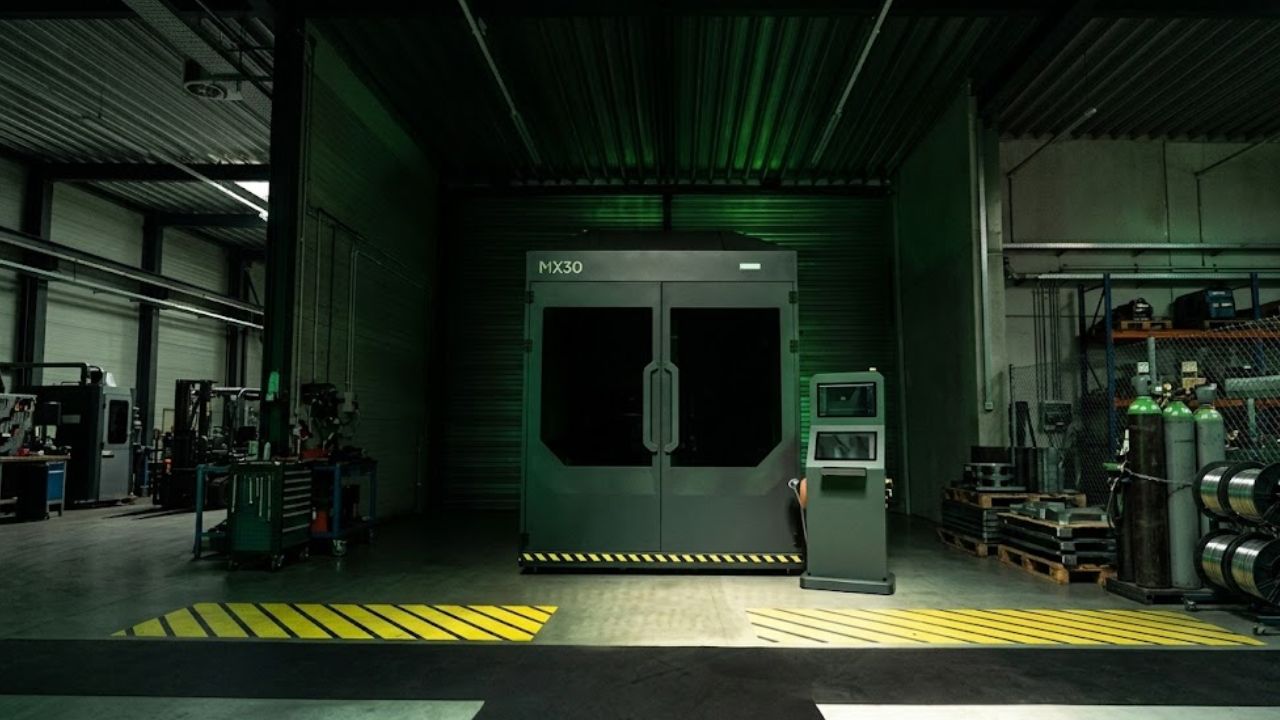
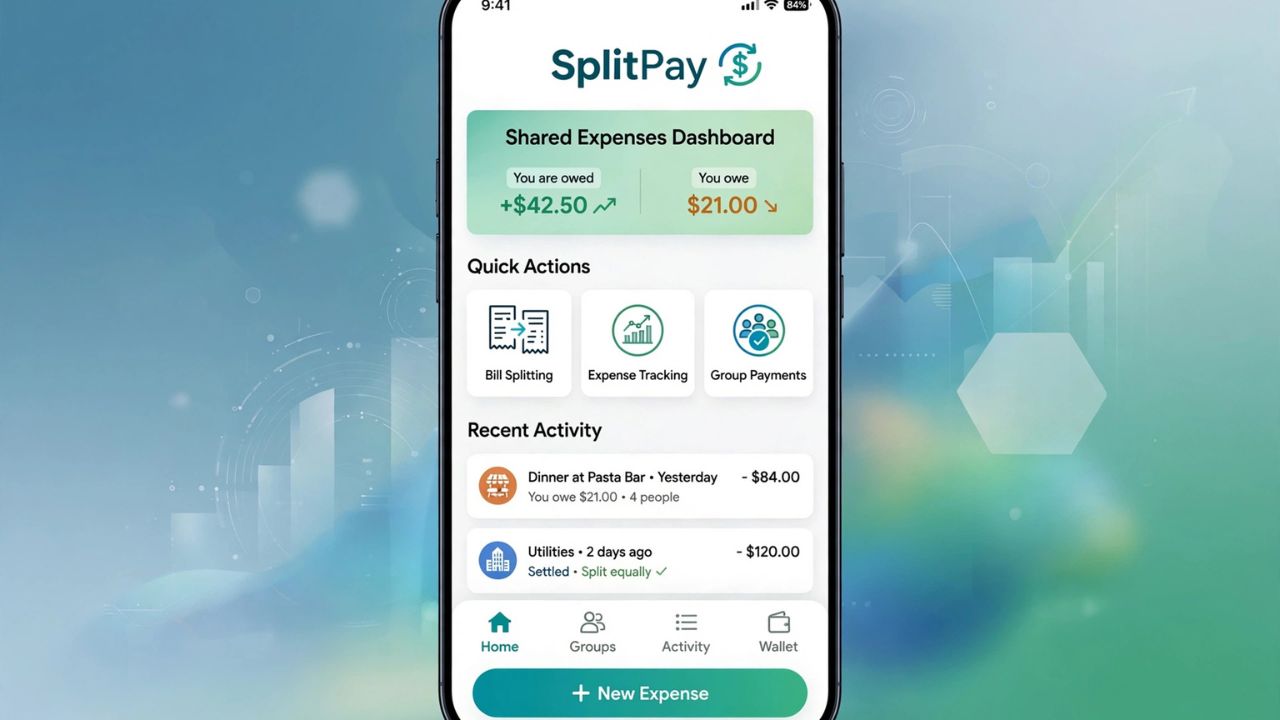
- Product Design: Specify the product’s function, target audience, and materials. For example, “Design a sustainable water bottle for young athletes in a sleek and ergonomic form.”
- Brainstorming Concepts: Provide keywords or a central theme to spark creative ideas. For instance, “Generate ideas for innovative educational games using augmented reality.”
Note: These are just starting points. Experiment with different prompt styles and see what works best for you and your AI tool.
Iterative Prompt Refinement
Just like any creative process, crafting effective prompts involves an iterative approach. In this case, there is a feedback loop that helps you refine your prompts and achieve even better results. Here’s how to use an iterative approach:
- The Feedback Loop: The initial AI output is just the beginning. Use it as a springboard to refine your prompt. Is the art style a bit off? Is the story missing a key detail? Analyze the results and adjust your prompt accordingly.
- Testing Variations: Don’t be afraid to experiment. Craft multiple variations of your prompt, tweaking elements like details, style references, or word choice. See which variations generate the results that resonate most with your vision.
- Learning from Examples: Sometimes, the best inspiration comes from seeing what others create. Look at successful prompts from other users and analyze what makes them work. Did they use specific keywords? Did they structure their prompts in a particular way? These examples can give you more detailed ideas to include in your prompts.
Here’s an example of how iterative refinement works:
- Scenario: You want to use an AI art tool to generate a science fiction scenery painting. Your initial prompt is: “A vast alien scenery with towering bioluminescent trees under a starry night sky.”
- Feedback Loop: The initial output might be beautiful, but the trees look more like regular trees than bioluminescent ones.
- Refined Prompt: Based on the feedback, you can adjust your prompt to: “A vast alien scenery with towering, bioluminescent trees glowing in vibrant colors, casting an ethereal light on the ground beneath them. Starry night sky with swirling nebulae in the distance.”
Iterations on your prompt from the results will offer a clearer understanding of how to communicate effectively with the AI tool. This will allow you to generate increasingly impressive and creative outputs that match your unique vision.
Conclusion
Craft specific prompts with details, context, and limitations to guide the AI toward your vision. It is an iterative process for creating art, writing, or designing products. Analyze the AI’s first result and refine your prompt for better results. Learn from successful examples and experiment with different phrasing. Adopting this creation, analysis, and refinement cycle will turn you into a master AI prompter for more creative possibilities.