As homeowners become more eco-conscious, sustainable home improvement practices are gaining significant momentum.
Whether you’re renovating, building from scratch, or simply making small upgrades, adopting eco-friendly methods can drastically reduce your environmental impact, lower energy bills, and increase your home’s value.
In this guide, we will explore the importance of eco-friendly home improvement, focusing on three main pillars: eco-friendly materials, energy-efficient upgrades, and green certifications.
We’ll also provide practical insights to help you make informed decisions about sustainable home improvements.
Why Eco-Friendly Home Improvement is Essential?
Eco-friendly home improvement practices are not just about “going green” for the sake of it—they offer a wide array of benefits that go beyond environmental impact.
Sustainable home upgrades help reduce your carbon footprint, promote energy conservation, and even provide long-term financial savings.
By making sustainable choices in your home renovation projects, you can contribute to the overall reduction of carbon emissions, lower your utility bills, and improve your living environment.
Additionally, eco-friendly homes are increasingly becoming more valuable in the real estate market as buyers are drawn to energy-efficient, green properties.
Let’s delve deeper into the key components of sustainable home improvement: eco-friendly materials, energy-efficient upgrades, and green certifications.
Benefits of Eco-Friendly Materials
Choosing eco-friendly materials is one of the most impactful ways to promote sustainability in home improvements.
These materials are sourced responsibly, have a lower environmental impact, and often offer superior durability compared to traditional building materials.
Below are some of the key benefits of using eco-friendly materials:
1. Reduced Environmental Footprint
Eco-friendly materials, such as bamboo, recycled wood, and low-VOC paints, are sustainably sourced and help reduce the depletion of natural resources.
For instance, bamboo grows quickly and can be harvested without damaging the environment, making it a sustainable alternative to hardwood.
Additionally, using recycled materials like reclaimed wood or metal helps prevent unnecessary waste in landfills, contributing to overall sustainability.
Learn more about affordable sustainable upgrades to make the most of your home improvement budget while reducing your ecological footprint.
2. Healthier Living Spaces
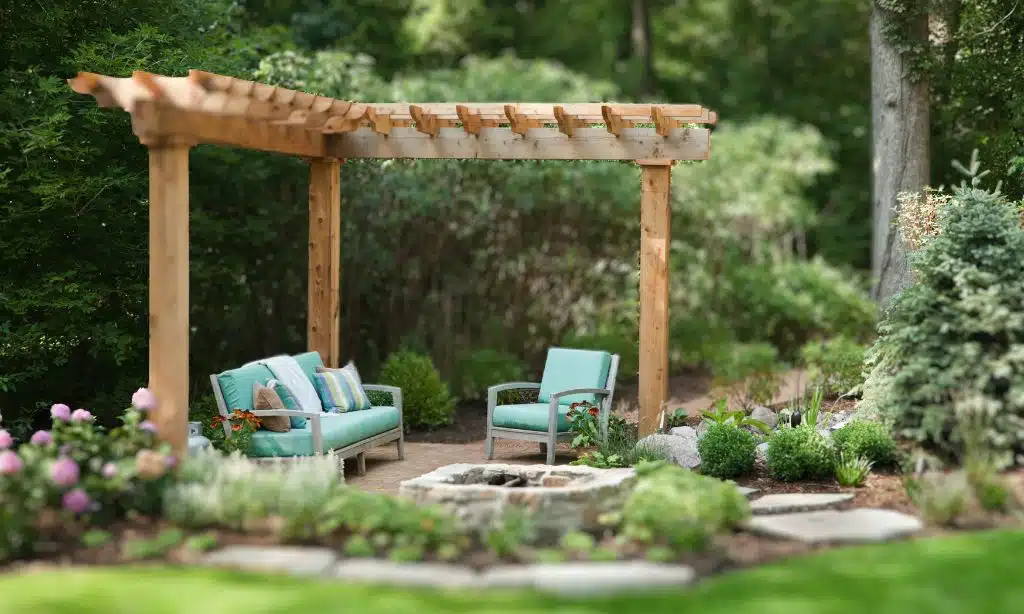
Traditional materials often contain chemicals and toxins that can compromise indoor air quality. Eco-friendly materials are non-toxic and made without harmful chemicals, making your home healthier to live in.
For example, natural paints, clay plasters, and formaldehyde-free cabinetry can all help improve indoor air quality.
3. Durability and Low Maintenance
Eco-friendly materials are often more durable than their conventional counterparts.
Materials such as recycled stone, sustainably harvested wood, and metal roofing can withstand the elements better and often require less maintenance, saving you money in the long run.
4. Aesthetic Appeal
Sustainable materials don’t just benefit the environment—they can also enhance your home’s aesthetic appeal.
From the rustic charm of reclaimed wood to the sleek, modern look of bamboo, eco-friendly materials often bring a unique, timeless beauty to home design.
For more information on sustainable material choices, check out our article on affordable sustainable upgrades for homeowners.
Energy-Efficient Upgrades
Energy efficiency is a cornerstone of eco-friendly home improvement. By upgrading your home’s energy performance, you not only reduce your utility bills but also help decrease your overall carbon footprint. Here are some of the most effective energy-efficient upgrades you can make:
1. Energy-Efficient Appliances
One of the simplest and most impactful upgrades is replacing outdated appliances with energy-efficient ones.
Appliances bearing the Energy Star label have been certified to meet rigorous energy-efficiency standards. These upgrades reduce energy consumption and help you save money in the long run.
To explore the best energy-efficient home improvements, check out our guide on energy-efficient home improvements.
2. Proper Insulation and Sealing
Good insulation and weatherproofing are essential for maintaining energy efficiency in your home. Insulating your attic, walls, and floors helps regulate the internal temperature, reducing the need for heating and cooling.
Additionally, sealing cracks around windows and doors prevents warm or cool air from escaping, improving overall efficiency.
3. Solar Panels
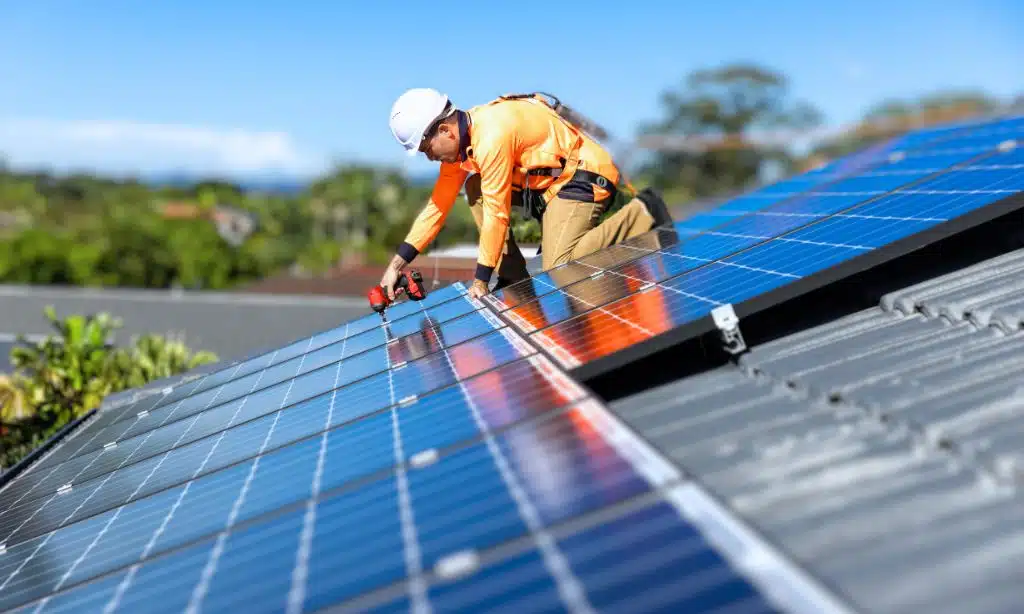
Solar panels are an excellent way to power your home using renewable energy. By capturing sunlight and converting it into electricity, solar panels can drastically reduce your reliance on fossil fuels.
Many governments also offer incentives or rebates for solar installations, making it an attractive option for homeowners looking to invest in renewable energy.
For more information on energy-saving upgrades, visit our article on energy-efficient home improvements.
4. Energy-Efficient Lighting
Switching to energy-efficient lighting, such as LED or CFL bulbs, is a low-cost way to reduce energy consumption. These bulbs use significantly less energy than traditional incandescent bulbs and last longer, saving you both energy and money.
5. Smart Thermostats
Smart thermostats, such as Nest or Ecobee, help optimize your home’s energy use by adjusting heating and cooling based on your daily routines.
These devices can be controlled remotely, ensuring that your home is never overheated or overcooled when you’re not around.
To learn more about energy-efficient upgrades, check out our article on the best energy-efficient home improvements.
Green Certifications for Home Improvement
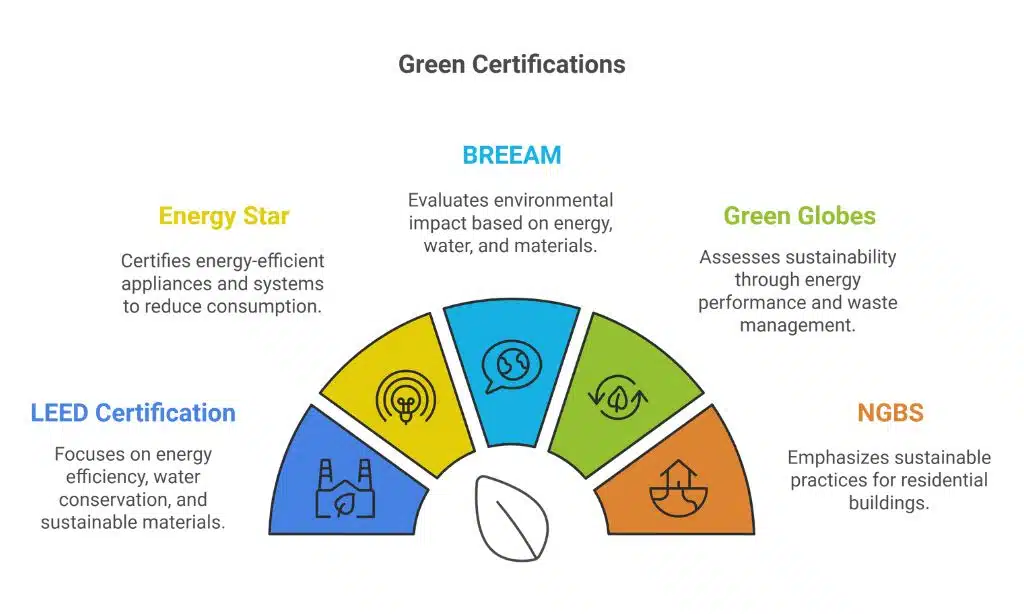
Green certifications provide a formal recognition of a home’s sustainable practices. Earning these certifications can increase your property’s value, improve its marketability, and even make you eligible for certain tax incentives.
Below are some of the top green certifications that can be applied to home improvement projects:
1. LEED Certification
The LEED (Leadership in Energy and Environmental Design) certification is one of the most well-known green building certifications worldwide.
Homes that achieve LEED certification are assessed for energy efficiency, water conservation, indoor air quality, and sustainable material use.
LEED-certified homes often have lower energy costs and reduced environmental impact.
To learn more about how green certifications can increase the value of your home, explore our article on green real estate trends.
2. Energy Star
The Energy Star certification is specifically awarded to energy-efficient products, including appliances, HVAC systems, and insulation.
When your home’s appliances meet the Energy Star standards, it ensures that they operate at maximum energy efficiency, helping reduce electricity consumption and costs.
3. BREEAM
BREEAM (Building Research Establishment Environmental Assessment Method) is a widely recognized green certification used internationally. It evaluates the environmental impact of buildings based on categories such as energy use, water efficiency, and materials. Homes with BREEAM certification are more sustainable and have a lower carbon footprint.
4. Green Globes
Green Globes is another widely accepted certification that evaluates building projects for sustainability. The program provides a comprehensive assessment of factors such as energy performance, waste management, and environmental impact.
Homes with Green Globes certification are seen as environmentally responsible and energy-efficient.
5. National Green Building Standard (NGBS)
The National Green Building Standard (NGBS) focuses on sustainable practices for residential buildings.
It provides a rating system that evaluates factors such as energy efficiency, water conservation, and indoor air quality. NGBS-certified homes are more comfortable, cost-efficient, and sustainable.
For more information on green certifications and their benefits, check out our guide on green real estate trends.
Takeaways
Sustainable home improvement practices are becoming more important than ever.
By investing in eco-friendly materials, energy-efficient upgrades, and obtaining green certifications, homeowners can not only make their homes more sustainable but also save money, improve air quality, and increase their home’s overall value.
Making the switch to a more sustainable home may require an initial investment, but the long-term benefits—both financial and environmental—make it a worthwhile endeavor.
Start implementing these eco-friendly practices today and contribute to a greener, more sustainable future.