

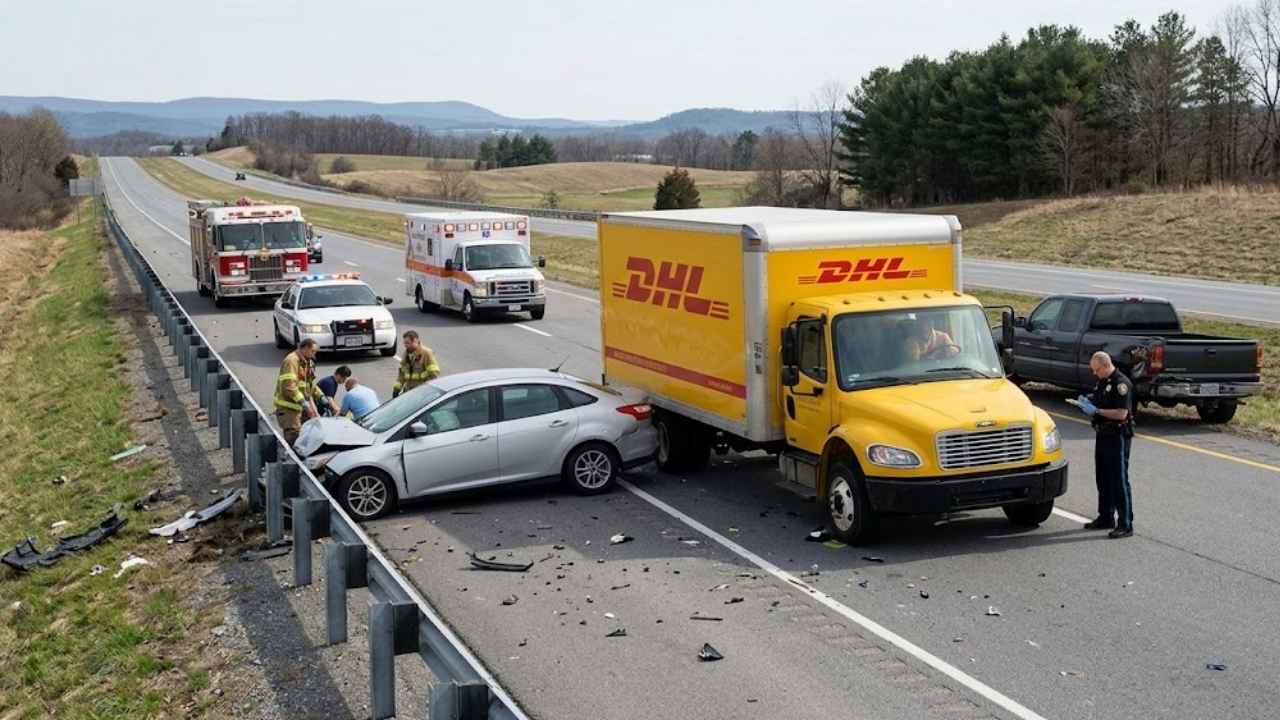
Toledo plays a vital role in regional commerce, with major highways and busy delivery routes connecting businesses, neighborhoods, and distribution centers throughout northwest Ohio. Every day, commercial delivery trucks travel these roads to keep goods moving, but when one of these large vehicles is involved in a serious collision, the consequences can be life-changing. Victims are often left coping with severe injuries, mounting medical expenses, lost income, and difficult questions about who should be held legally responsible.
Unlike ordinary car accidents, crashes involving delivery companies frequently require a closer look at employment relationships, corporate policies, vehicle maintenance, and insurance coverage. Determining liability is rarely as simple as pointing to the driver alone. Speaking with a DHL truck accident lawyer can help injured individuals understand their legal options, preserve critical evidence, and pursue compensation from every party whose negligence may have contributed to the accident and its lasting impact.
Employer Responsibility
Employers often are held liable for harm caused during assigned work. For that reason, a truck accident lawyer may inspect dispatch logs, delivery targets, training files, phone records, and supervisor messages before naming every liable party. Those materials can reveal unrealistic timing, weak oversight, or unsafe demands that helped set the crash in motion.
Driver Fault
A driver may still carry direct fault. Speeding, fatigue, distraction, or a missed signal can each cause a high-force impact. Police reports help, yet they rarely end the inquiry. Witness accounts, nearby video, electronic driving data, and post-crash statements often show whether the truck driver used reasonable care under traffic, weather, and visibility conditions.
Contractor Issues
Some routes are handled by outside operators rather than company employees. That label matters, but it does not erase legal duty. Courts usually look at control, not paperwork alone. Judges may ask who assigned stops, who owned the vehicle, who set safety rules, and who had the power to discipline the driver for missed deliveries or dangerous conduct.
Truck Condition
Mechanical condition can widen the pool of liable parties. A truck with worn brakes, bald tires, failing lights, or steering trouble may become impossible to control. Cargo problems can matter too. Shifting freight changes the balance and stopping distance. Inspection reports, service invoices, and loading records may indicate that a preventable defect existed well before the collision.
Preserving Proof
Early evidence preservation often shapes the outcome. Delivery companies usually hold route data, onboard device records, maintenance files, and internal incident reports. If those materials are lost, critical evidence may be lost with them. Prompt legal action can demand preservation, identify vehicle owners, and secure coverage details before memories blur and accounts harden around partial facts.
Insurance Layers
Serious truck cases often involve several policies. One insurer may cover the tractor, another may insure a contractor, and excess coverage may sit above both. Each carrier has reason to minimize exposure. Strong case preparation links injury records, crash reconstruction, property damage, and company documents into a clear, cohesive narrative that supports a full claim for losses.
Compensation
Damages depend on proof of fault and proof of harm. A successful claim may include emergency care, surgery, rehabilitation, medication costs, lost income, reduced earning capacity, pain, and future treatment needs. Catastrophic injuries may require home modifications or long-term assistance. In a fatal case, surviving relatives may seek funeral expenses and compensation for lost financial support.
Ohio Time Limits
Ohio deadlines can shape recovery as much as liability evidence. Personal injury and wrongful death claims must often be filed within 2 years, though limited exceptions may extend that period. Delay also weakens the proof. Surveillance footage can be erased, records can disappear, and witnesses may forget key details. Early review helps protect claims from avoidable procedural loss.
Shared Fault Claims
Defense counsel often argues that another motorist caused the wreck, or that the injured person shares blame. Ohio follows comparative fault rules, which can reduce damages if partial responsibility is proven. That makes scene photographs, event data, medical records, and witness testimony especially valuable. A careful claim measures every contributing act rather than focusing on a single actor.
Final Thoughts
Liability after a serious delivery truck crash may rest with the driver, an employer, a contractor, a maintenance provider, a cargo company, or multiple parties. The answer depends on work status, vehicle condition, operational control, and preserved evidence. Thorough investigation gives injured people a fair chance to show what happened, why it happened, and who should bear the financial cost of permanent physical, emotional, and economic harm.





















