


In the rapidly evolving landscape of Business and Technology, efficiency in managing deals can make or break an organization’s success. Deal Management Software plays a crucial role in streamlining processes and enhancing productivity. This article will explore five critical features that significantly boost efficiency within such software. These features were selected based on their impact on workflow automation, real-time collaboration, data analytics, user customization, and tool integration.
Streamlined Workflow Automation Features in Deal Management Software
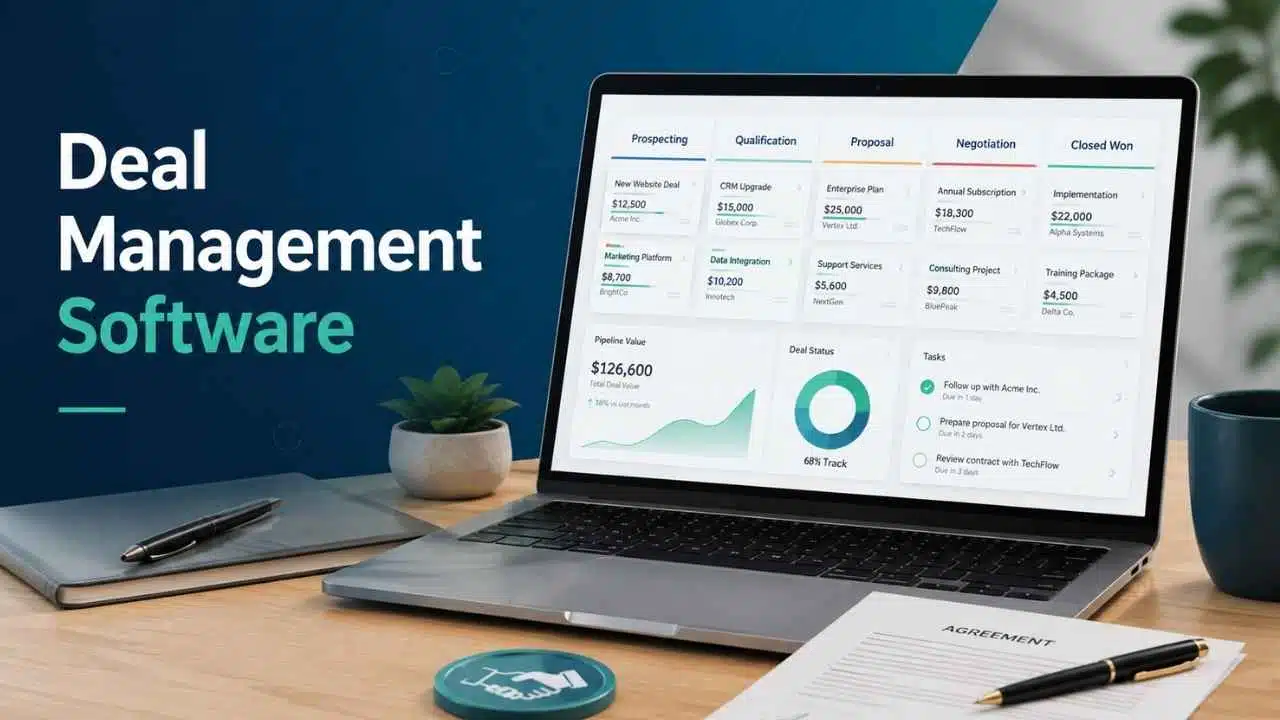
Deal Management Software often includes workflow automation features designed to reduce manual tasks and improve process efficiency. These features serve sales teams by automating repetitive tasks such as follow-ups and data entry, which are pivotal in deal progression. A notable attribute is its integration with Agile Scrum Master methodologies, allowing for iterative improvements and increased flexibility. This integration qualifies it for inclusion in the list as it directly enhances the efficiency of Deal Management Software activities.
One practical scenario involves automating the approval process, which reduces the time taken for contract finalization. Businesses can see a significant reduction in administrative overheads as the software handles mundane tasks. However, the complexity of setting up these automated workflows can be a barrier for those not familiar with the software. A distinguishing feature is the software’s ability to adapt workflows based on historical data, further optimizing the deal process.
Real-Time Collaboration Tools for Enhanced Team Communication
Real-time collaboration tools are integral to Deal Management Software, providing seamless communication among team members. These tools are essential for project managers and sales executives who require constant updates and synchronized efforts. The inclusion of an API Gateway Management system ensures that these tools work efficiently across various platforms, facilitating smooth interaction and data exchange.
In practice, these tools allow teams to collaborate on deal documents simultaneously, ensuring everyone is on the same page. The cost of ownership may increase with added features, but the benefit of enhanced communication outweighs this limitation. Compared to traditional methods, the real-time aspect of these tools eliminates delays and reduces the risk of miscommunication. This feature is particularly beneficial in fast-paced business environments where time is of the essence.
Advanced Analytics and Reporting Capabilities for Data-Driven Decisions
Advanced analytics and reporting capabilities in Deal Management Software empower businesses with insights necessary for data-driven decisions. These capabilities are crucial for decision-makers such as analysts and sales directors who rely on accurate data interpretations. A specific attribute is the integration with Cloud Native Architecture, which provides scalable and flexible data processing.
Use cases include generating customized reports that highlight key performance indicators (KPIs) and sales forecasts. The pricing for these advanced features can be higher, but they offer unparalleled insights that can lead to strategic advantages. A trade-off is the learning curve associated with understanding complex data sets. However, the edge over competitors comes from the ability to make informed decisions swiftly, based on real-time data.
Customizable Dashboards for Personalized User Experience
Customizable dashboards in Deal Management Software provide a personalized user experience by allowing users to tailor their view according to their preferences. This feature is particularly beneficial for sales managers who need a quick overview of relevant metrics. The capability to incorporate Digital Twin technology enables simulations and predictive analysis, enhancing the decision-making process.
In practical terms, users can customize dashboards to display only the most pertinent information, improving focus and efficiency. While initial setup might require some technical expertise, the long-term benefits of a tailored interface are substantial. This feature stands out due to its adaptability and the ease with which users can modify their dashboards as their needs evolve. The flexibility offered by customizable dashboards can significantly boost user satisfaction and productivity.
Integration with CRM and Other Business Tools for Seamless Operations
Integration with Customer Relationship Management (CRM) systems and other business tools is a crucial feature of effective Deal Management Software. This integration is vital for IT managers who oversee system interoperability and ensure seamless data flow. A noteworthy attribute is the software’s support for Blockchain Interoperability, which ensures secure and verifiable transactions across platforms.
For instance, integrating CRM with Deal Management Software allows for automatic updates to customer records, reducing manual input errors. The initial cost of integration can be high, but the resulting process efficiency justifies the investment. A distinguishing factor is the software’s ability to function within a DevOps Pipeline, facilitating continuous deployment and integration. This capability ensures that the software remains up-to-date and aligned with business processes.
Final Thoughts
Each feature highlighted plays a pivotal role in enhancing the efficiency of Deal Management Software, from workflow automation to integration capabilities. By focusing on these specific enhancements, businesses can optimize their deal management processes and stay competitive in the ever-evolving Business and Technology landscape. For organizations seeking to improve their efficiency, investing in such software with these features is a strategic move.






















