Workspaces are more than just four walls and a desk. They’re the backdrop where ideas unfold, teams collaborate, and people spend a significant part of their lives.
As companies grow more conscious of diverse needs and experiences, there’s a shift in how we design these spaces. The goal is no longer just efficiency but to create spaces that adapt to people. And this is where modular solutions are changing the game.
Rethinking Inclusivity in Office Design
Inclusivity in the workplace isn’t limited to policies or hiring practices. It’s also embedded in how physical spaces are structured. A truly inclusive workspace considers different body types, physical abilities, work styles, sensory preferences, and even cultural nuances.
Traditional office designs often assume a one-size-fits-all approach, unintentionally excluding people who don’t fit that mold. Fixed layouts and standardised furniture can create barriers, both physical and psychological. The challenge lies in building spaces that are flexible enough to accommodate everyone—without needing a complete overhaul every time the team evolves.
The Flexibility of Modular Design
Modular design introduces flexibility at its core. Desks that can be reconfigured, walls that can be moved, furniture that adapts to different tasks—all these elements work together to create a workspace that shifts with your team’s needs.
For instance, someone who uses a wheelchair might require more open space around their workstation. Another employee might need a quieter corner for focused tasks. A modular office solution allows businesses to address these needs quickly and practically, without requiring an entirely new setup. It makes adaptability not just possible, but seamless.
Adapting to Different Workstyles and Personalities
Not everyone thrives in the same environment. Some prefer quiet, solitary workspaces while others draw energy from collaborative zones. Modular spaces give companies the ability to design for both and everything in between. Acoustic panels, movable partitions, adjustable desks, and multi-purpose furniture can be arranged to create private nooks or open meeting zones based on who needs what.
It also promotes neurodiversity. Employees with ADHD, autism, or anxiety may benefit from different lighting, noise levels, or movement throughout the day. With modular features, these adjustments can be made without isolating anyone from the larger team or drawing attention to specific accommodations.
Accessibility is Not an Afterthought
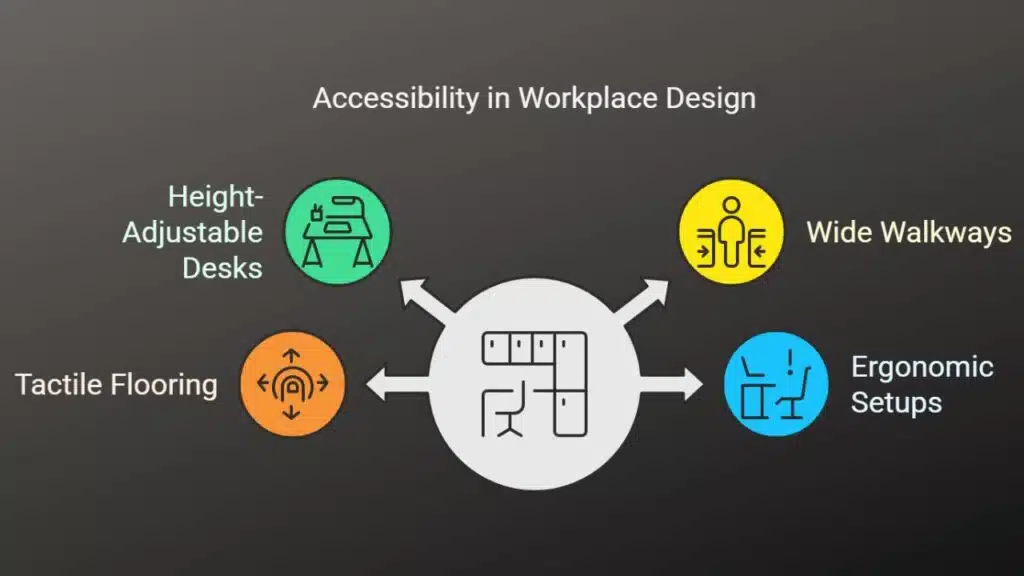
Designing for accessibility from the start is always more effective than retrofitting after the fact. Modular elements can play a proactive role here. Height-adjustable desks, wide walkways, tactile flooring, and ergonomic setups make the space easier to navigate and use for everyone.
The layout can also evolve as team members’ needs change over time. Someone returning from a surgery may need a temporarily modified setup. A modular system allows that transition to happen swiftly, without making the employee feel like an exception.
Creating Spaces That Grow with You
Companies evolve. Teams scale up, downsize, pivot directions, or shift between remote and hybrid models. A rigid workspace can’t keep up with that kind of movement, but modular design can. The ability to reconfigure layouts without major construction costs makes it a smart, long-term investment.
Let’s say you start with an open-plan layout, but later decide to implement dedicated project zones. Or maybe you need a quiet room for interviews or meditation. With modular partitions and furniture, you can adapt your space without breaking walls or your budget.
Bringing Comfort into the Equation
Inclusivity also means comfort. That goes beyond physical support. It includes aesthetics, temperature, acoustics, and yes, seating. Investing in the right furniture is part of the equation. For example, there’s been a rising demand for ergonomic and versatile office chairs in Mumbai, where urban companies are blending modern aesthetics with worker wellness.
Chairs with adjustable heights, lumbar support, and breathable materials don’t just prevent injury. They offer everyone the chance to be comfortable, no matter their shape or size. And when people feel physically at ease, they’re more focused, engaged, and satisfied.
Culture is Built in the Details
Inclusive spaces send a quiet but powerful message: you belong here. They reflect company values in their design choices. From gender-neutral restrooms to prayer rooms or quiet pods, modular elements make these additions practical and non-disruptive. They allow organizations to accommodate various cultural and personal needs, embedding respect into the environment itself.
Even small additions like a standing desk option or quiet corners signal thoughtfulness and consideration. It’s these details that build a culture of belonging, where people don’t have to ask for accommodation—they already feel seen.
Final Thoughts
Design isn’t just about how a workspace looks. It’s about how it feels to be in it. Modular solutions offer a smart, human-centered way to create spaces that work for everyone. As workplaces continue to evolve, the ability to adapt quickly and thoughtfully will be a defining factor in how inclusive a company truly is.
A well-planned modular office solution isn’t a luxury. It’s an investment in flexibility, empowerment, and long-term team well-being. And when your space reflects your values, your people notice.