

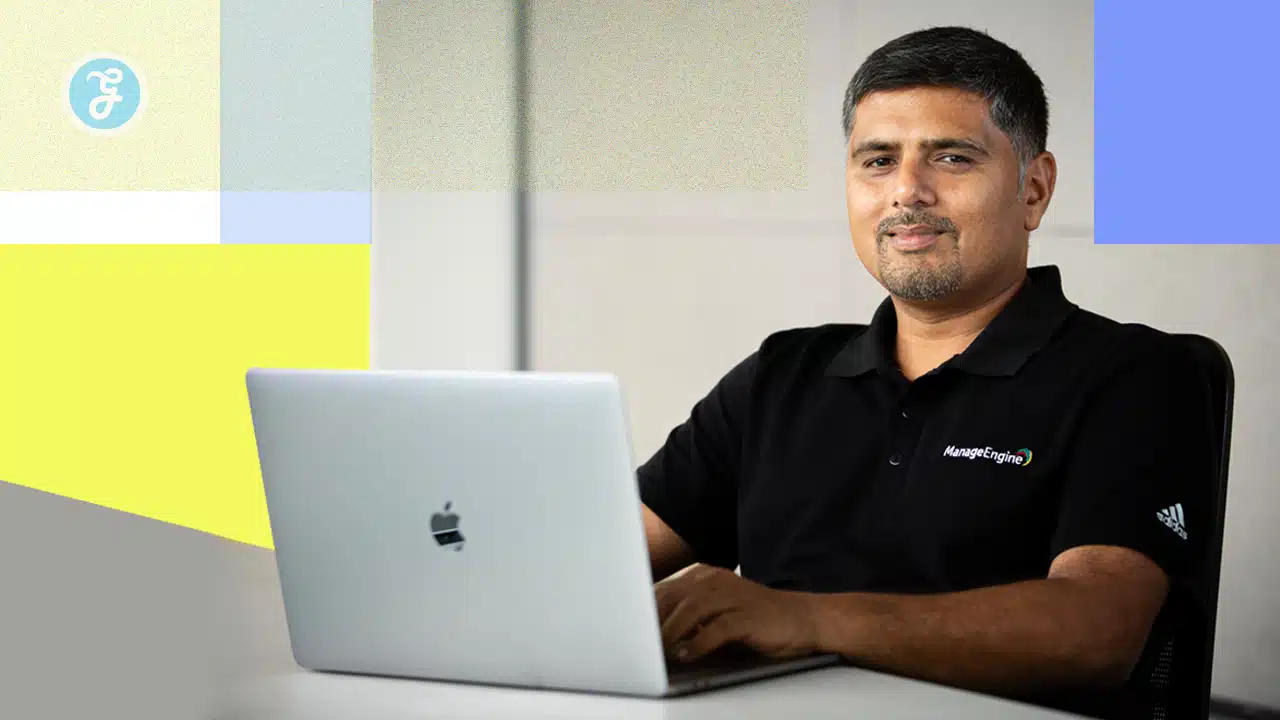
There are leaders who announce themselves. And there are those who build quietly. Arun Kumar belongs to the second kind. As Vice President of Revenue Operations at ManageEngine, the enterprise IT division of Zoho Corporation, a role he has shaped over time, Arun represents a rare brand of corporate leadership. His journey does not come with dramatic turns. No loud visibility. No constant self-projection. It unfolds inside Zoho, a company that has chosen a different path in global technology.
Founded in 1996, Zoho Corp has remained privately held. It has grown without venture capital. It has focused on building products that last. Today, it supports more than one million paying customers worldwide and operates across a growing global network of offices. Within this system, Arun Kumar built his career. Not in bursts, but steadily. This is a story of consistency. Of staying with the work. Of learning to simplify what looks complex. And of becoming quietly dependable in a fast-moving industry.
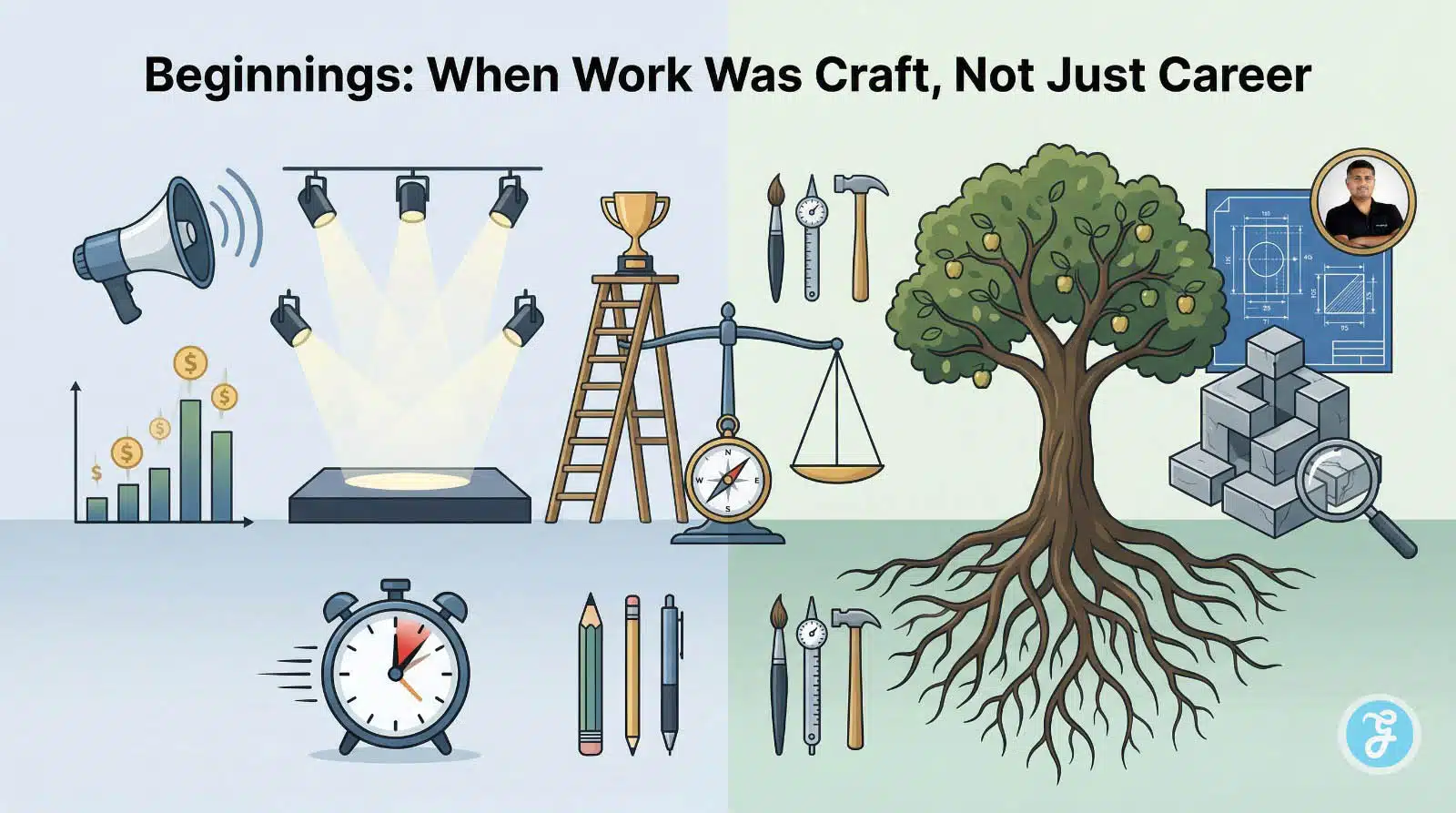
Beginnings: When Work Was Craft, Not Just Career
Every career has a starting point. But not every environment shapes you the same way. When Arun joined Zoho Corp, he entered a culture that did not reward noise. It rewarded depth. It valued thinking over speed. It preferred long-term relevance over short-term spikes. This matters.
In many companies, young professionals feel pressure to perform for visibility. They chase quick outcomes. They optimize for attention. Over time, this changes how work is done. Zoho Corp works differently.
The company is bootstrapped. Decisions are not driven by external investors. This gives it independence. It also demands accountability. Products have to stand on their own merit. For someone starting out, this kind of environment removes a certain kind of pressure. The need to impress fades. The responsibility to build takes its place.
Arun chose to build. He approached work as a craft. Something to improve over time. Something that requires patience and focus. Not just ambition. That mindset stayed with him.
The First Teacher: A Father’s Quiet Discipline
Arun’s early understanding of discipline did not come from the workplace. It came from home. His father, a government servant, lived a life defined by routine and responsibility. Work was not confined to office hours. Even Sundays were often spent catching up, preparing, or staying engaged with duty. There was no display around it. No emphasis on sacrifice. Just a quiet, consistent commitment to doing what needed to be done. Watching this, Arun absorbed an important lesson early. Discipline is not about intensity. It is about continuity. It is about showing up, whether or not it feels convenient. That example stayed with him. It shaped how he approached work, decisions, and responsibility. Over time, this quiet influence became a steady foundation. The ability to stay consistent, to remain focused without distraction, and to respect the value of effort came from those early years.
Growing with the System
Leadership is not assigned in a moment. It builds over time. As Zoho Corp expanded its global footprint, Arun grew with it. He learned not just products, but people. Not just markets, but behavior.
His work at ManageEngine placed him in a complex domain. Enterprise IT runs behind the scenes. It manages networks, devices, identities, and security systems. Most users never see it. But when it fails, everything stops. Modern IT environments are layered. Hybrid work models. Cloud systems. Cybersecurity risks. Compliance needs. Each layer adds complexity.
A leader in this space does not need to know everything. But they must make things clearer for others. That became Arun’s strength. He focused on simplifying. Breaking down complex systems into usable solutions. Helping teams act with clarity. Helping customers make better decisions. This is quiet work. But it builds trust.
Building in Real Markets
As ManageEngine grew, it expanded across regions, including Asia Pacific markets. These regions bring both opportunity and complexity.
Infrastructure varies. Regulations differ. Customer expectations are not uniform. One key shift has been around data sovereignty. Many countries now require data to be stored within national boundaries. This affects how software is designed and deployed. ManageEngine responded by strengthening its regional presence. It invested in local teams and infrastructure. This allowed organizations to meet compliance needs while using global platforms.
Arun has been part of this growth. He has supported efforts to understand local markets. To build teams that understand customer realities. To move beyond a one size fits all approach. Growth, in this sense, is not just expansion. It is an adaptation.
Understanding Trust
When Zoho crossed one million paying customers, it marked a milestone. But the number alone is not the story. What matters is how that trust was built. Not through aggressive promotion. Not through short-term tactics. But through consistency. Products that work. Support that responds. Pricing that stays fair. A company that does not shift direction with every trend. For leaders like Arun, this milestone is a reminder.
Trust is built slowly. A stable system. A resolved issue. A reliable update. These are the moments that matter. At ManageEngine, this trust supports businesses in practical ways. Systems stay secure. Operations stay functional. Teams stay productive.
Reliability is not visible. But it is essential.
The Discipline of Simplifying Complexity
Enterprise IT can become overwhelming very quickly. There are too many layers. Too many variables. The instinct is to add more. More features. More dashboards. More controls.
But more is not always better. Arun’s approach has been to reduce friction. To simplify. To make systems easier to use. This requires clarity of thought. It is harder to simplify than to complicate. It requires knowing what to remove.
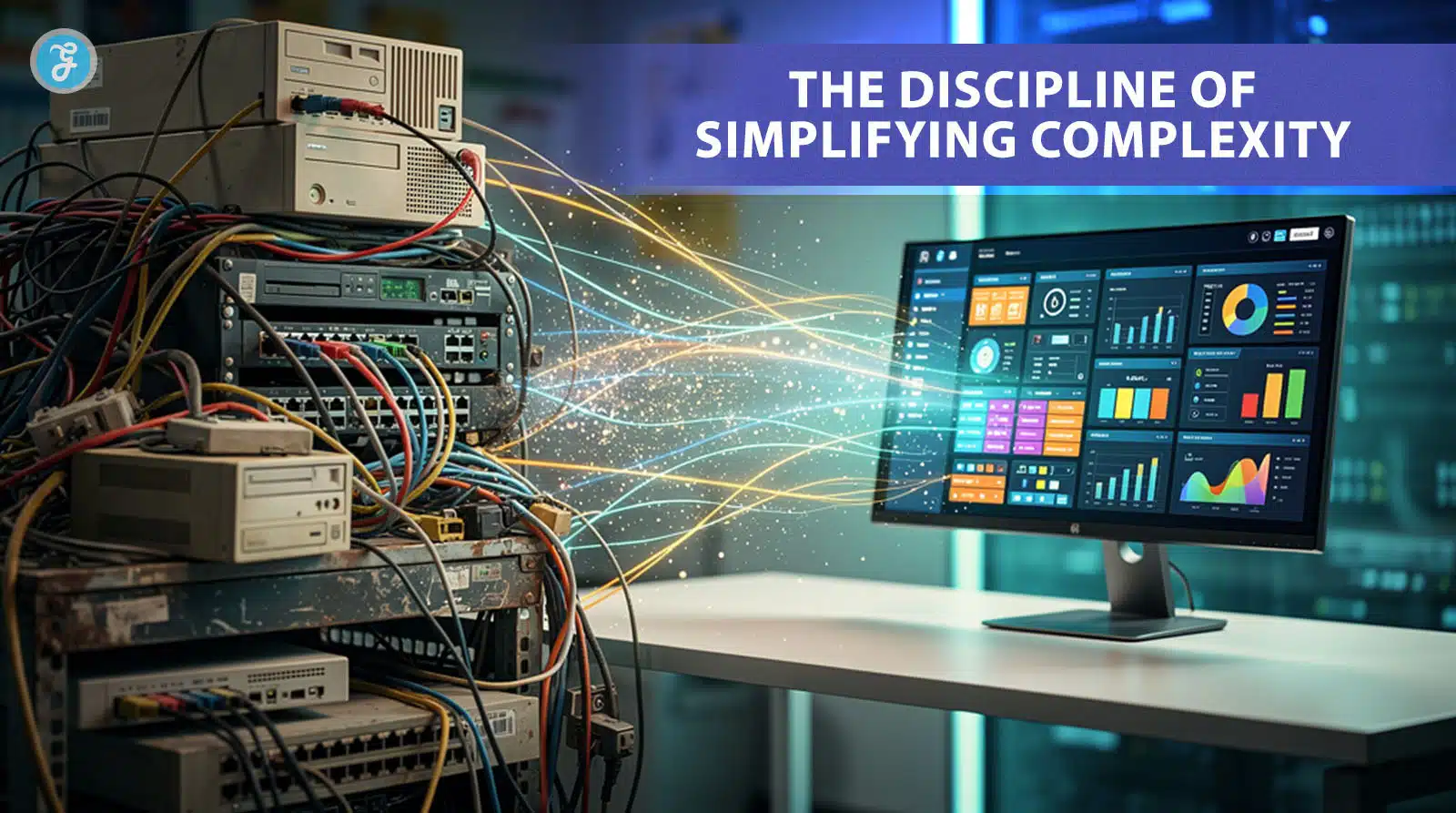
At ManageEngine, this thinking has shaped how tools are designed. Automation reduces manual effort. Interfaces are made more intuitive. Alerts are made actionable. These changes improve daily work.
When systems are simpler, teams respond faster. Errors reduce. Confidence improves. This is where technical work meets real impact.
AI and Security Without Noise
Artificial intelligence and cybersecurity dominate conversations today. But often, they are used as labels more than solutions. Arun’s perspective is grounded. At ManageEngine, AI is used where it adds value. It helps detect anomalies, supports automated responses, and reduces human error. Security is treated as a practice, not a message driven by fear. Speaking on AI and security, Arun notes, “Security is like defending each ball as you do in cricket.” It requires continuous focus and a mastery of the basics. Businesses do not need complexity. They need systems that work in real conditions. This approach keeps technology practical. Innovation, in this context, is not loud. It is useful.
Leadership Beyond the Workplace
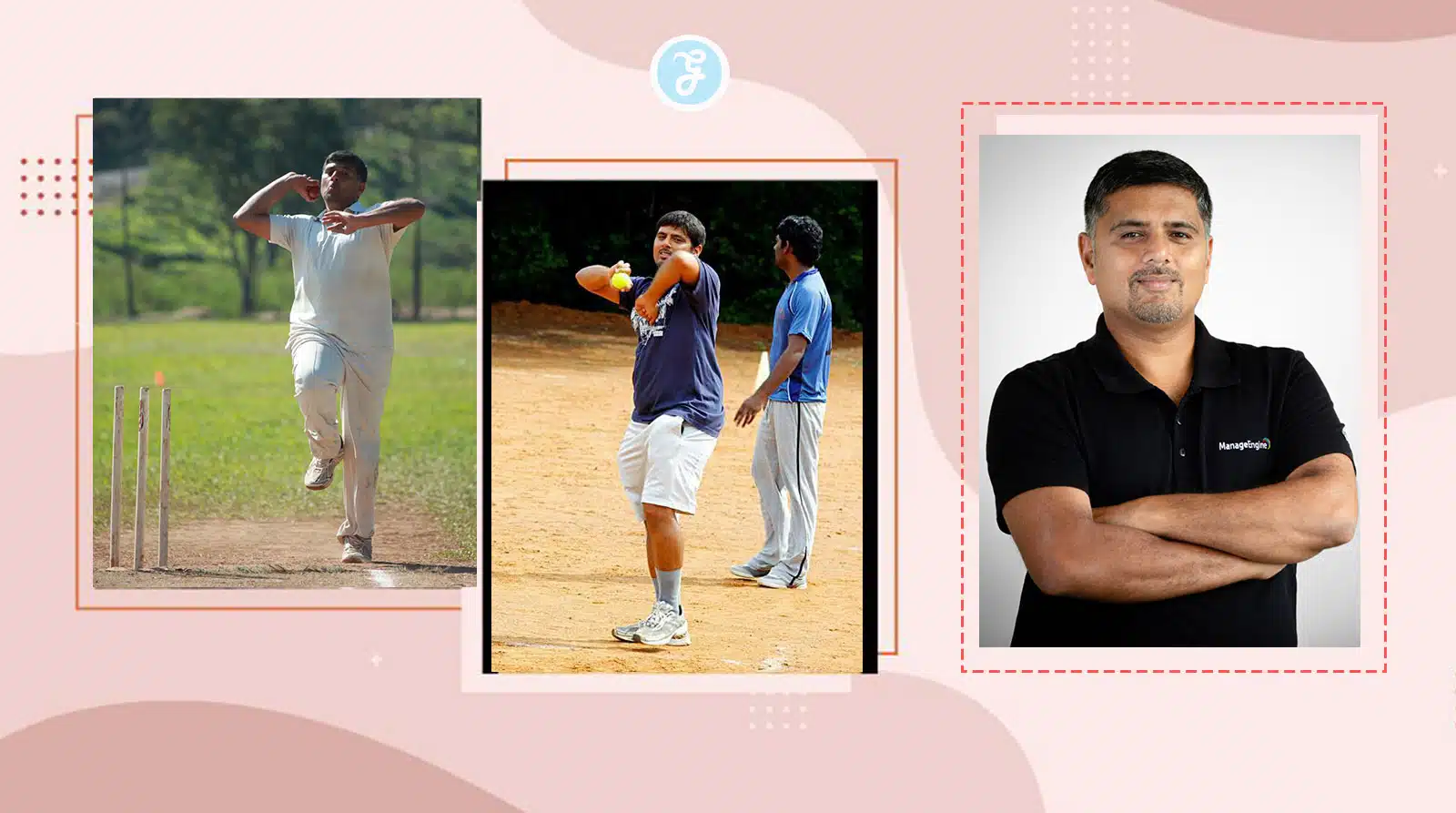
Work is one part of a person’s life. What happens outside also shapes leadership. Before leadership roles, there was sport. Arun has been associated with cricket and team sports within Zoho.
He led teams and remained actively involved for years. Sport teaches discipline. Decision making under pressure. Trust in others. Handling both success and failure. These lessons carry into work. Even today, he values that balance.
A Father’s Playbook: Raising Resilience Through Sport
Arun ensures that his daughter Mahadhi’s engagement with tennis stays disciplined, not pressured. Practice is regular. Effort is expected. Results are not forced. He lets her experience both progress and setbacks without stepping in too quickly. This builds independence. It sharpens decision making at a young age. By staying present but not intrusive, he gives her space to grow on her own terms.
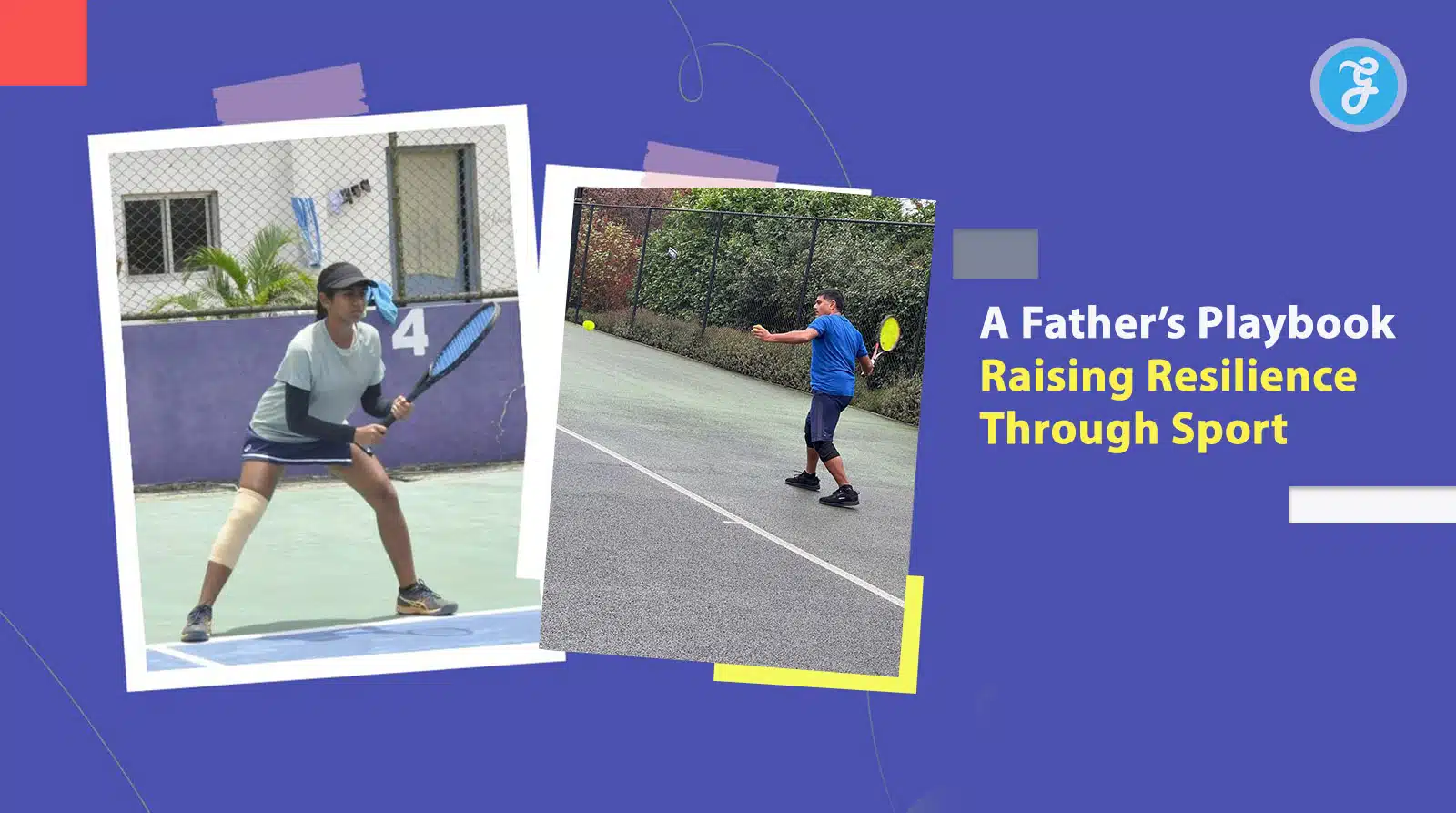
The lessons extend beyond the court. They shape how she handles competition, manages expectations, and stays grounded. In many ways, this is leadership in its most personal form. It is also a message he believes in for the younger generation. Sport, when taken seriously, builds discipline that carries into every leadership journey.
A Different Model of Growth
One of Zoho’s defining ideas is its approach to location. Instead of concentrating only in large cities, the company has invested in smaller towns. The principle is simple. Talent exists everywhere. With the right training, people can build global products from anywhere. This model changes how companies grow.
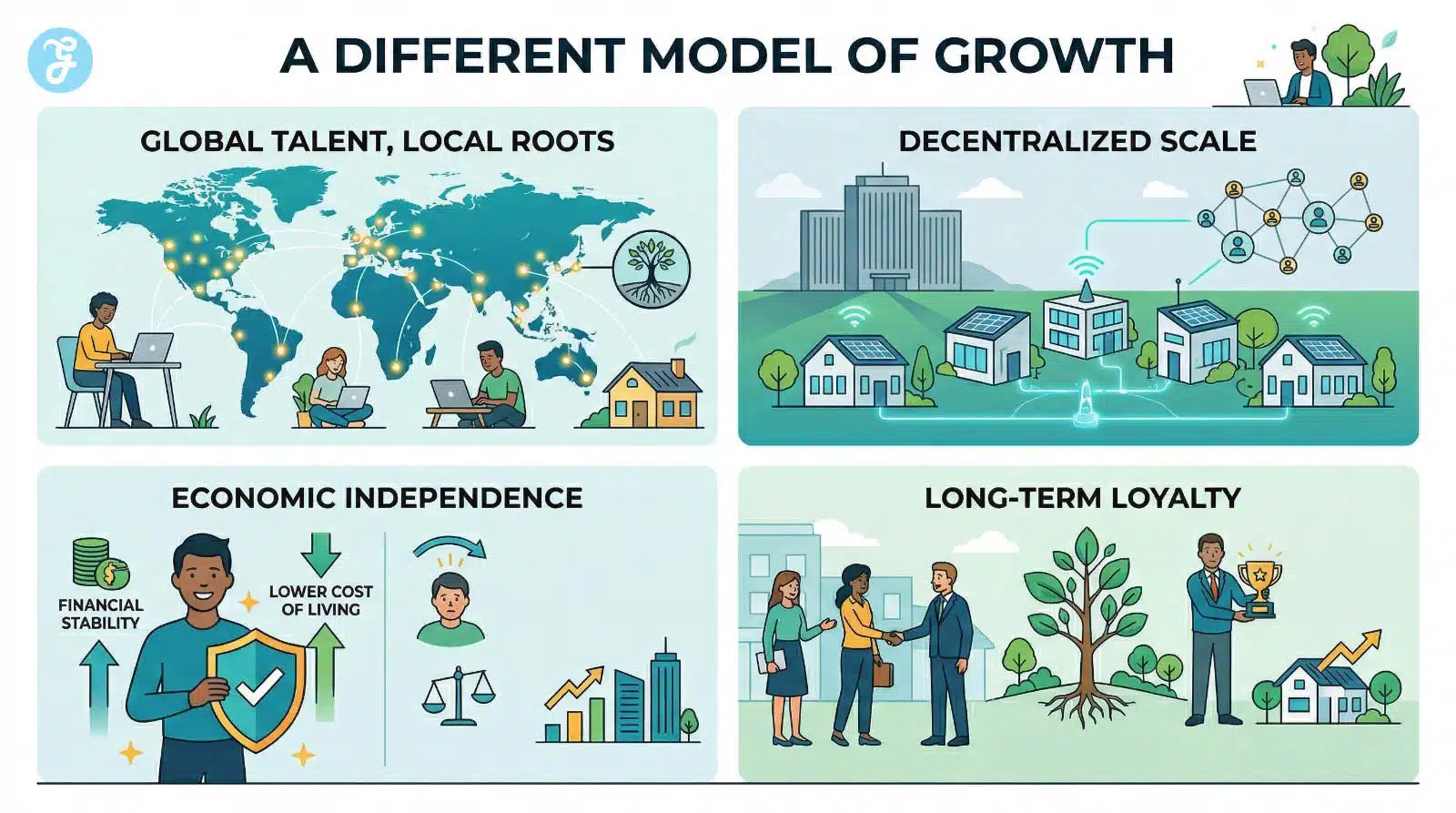
It reduces dependence on expensive ecosystems. It creates opportunities in new regions. It builds long-term commitment among employees.
Arun has worked within this system. It requires trust. Teams are distributed. Work is decentralized. But outcomes remain strong. This is a different way of thinking about scale.
Culture as a Long-Term Force
No leader grows in isolation. Culture shapes behavior over time. At Zoho Corp, that culture has remained consistent, with no external funding, a strong focus on research and development, and a commitment to long-term thinking. Zoho’s nearly 30-year journey of staying independent has deeply shaped how Arun approaches leadership. Without the pressure of external investors or quarterly expectations, the focus naturally shifts from short-term gains to sustainable growth. Arun said, “Invest in people,” and this belief sits at the core of every decision, whether it is hiring, training, or building leadership from within.
Independence allows the company to take patient bets, nurture talent, and invest in ideas that may take years to mature. It also creates a culture of ownership, where employees are not just resources but long-term partners in growth.
A culture built on independence also shapes how decisions are evaluated internally. At Zoho, success is not measured only by immediate revenue but by long-term relevance and customer trust. This allows teams to experiment without the fear of short-term failure, creating space for innovation that is both thoughtful and durable. Products are refined over time rather than rushed to market, and feedback loops are taken seriously. Instead of chasing trends, the emphasis remains on building value, strengthening fundamentals, and staying resilient in uncertain times.
Continuity Over Chaos: Leadership That Compounds
Another key outcome is the ability to invest in learning. Employees are encouraged to upskill, take ownership of projects, and grow into leadership roles organically. This reduces dependency on external hiring and strengthens institutional knowledge. It also builds loyalty, as people see a clear path for growth within the organization.
Such a system may appear slow from the outside, but it creates a strong foundation. Over time, this steady approach compounds into resilience, allowing the company to navigate uncertainty with clarity and confidence.
For Arun, this has meant continuity. He did not have to constantly adjust to changing external pressures. He could focus on building depth, strengthening teams, and improving systems. This kind of stability is rare. It allows leaders to grow without distraction and organizations to build with patience.
The Human Side of Technology
Technology discussions often focus on features. Performance. Scale. But behind every system, there are people. An IT manager trying to keep systems running. A security team protecting data. A business trying to stay operational. Arun’s approach keeps this in focus.
Technology should reduce effort. It should solve real problems. It should support people. When systems are built this way, users trust them. This is where leadership shows.
Lessons for the Next Generation
For young professionals looking at this journey, the lessons are subtle but incredibly powerful.
- Growth does not have to be loud: You do not need constant social media visibility to build a highly meaningful career. Depth of knowledge matters far more than surface-level noise.
- Consistency always beats raw intensity: Showing up every single day, doing the hard work, and improving gradually is the true secret. That is the effort that compounds massively over time.
- Simplicity is a massive strength: The ability to simplify incredibly complex problems is one of the most valuable skills in any field today.
- Personal balance builds deep resilience: Whether it is sport, family time, or a personal passion, what you do outside of work strengthens what you do within it.
- Trust takes significant time: Whether you are building trust within your internal teams or with global customers, you cannot rush the process. It must be earned through repeated positive actions.
A Story Still in Motion
There is no final chapter here. Technology keeps changing. Markets shift. New challenges emerge. But some principles remain steady.
Clarity. Consistency. Respect for people and process. Arun Kumar continues to work within these principles. In a fast industry, this approach may seem quiet.
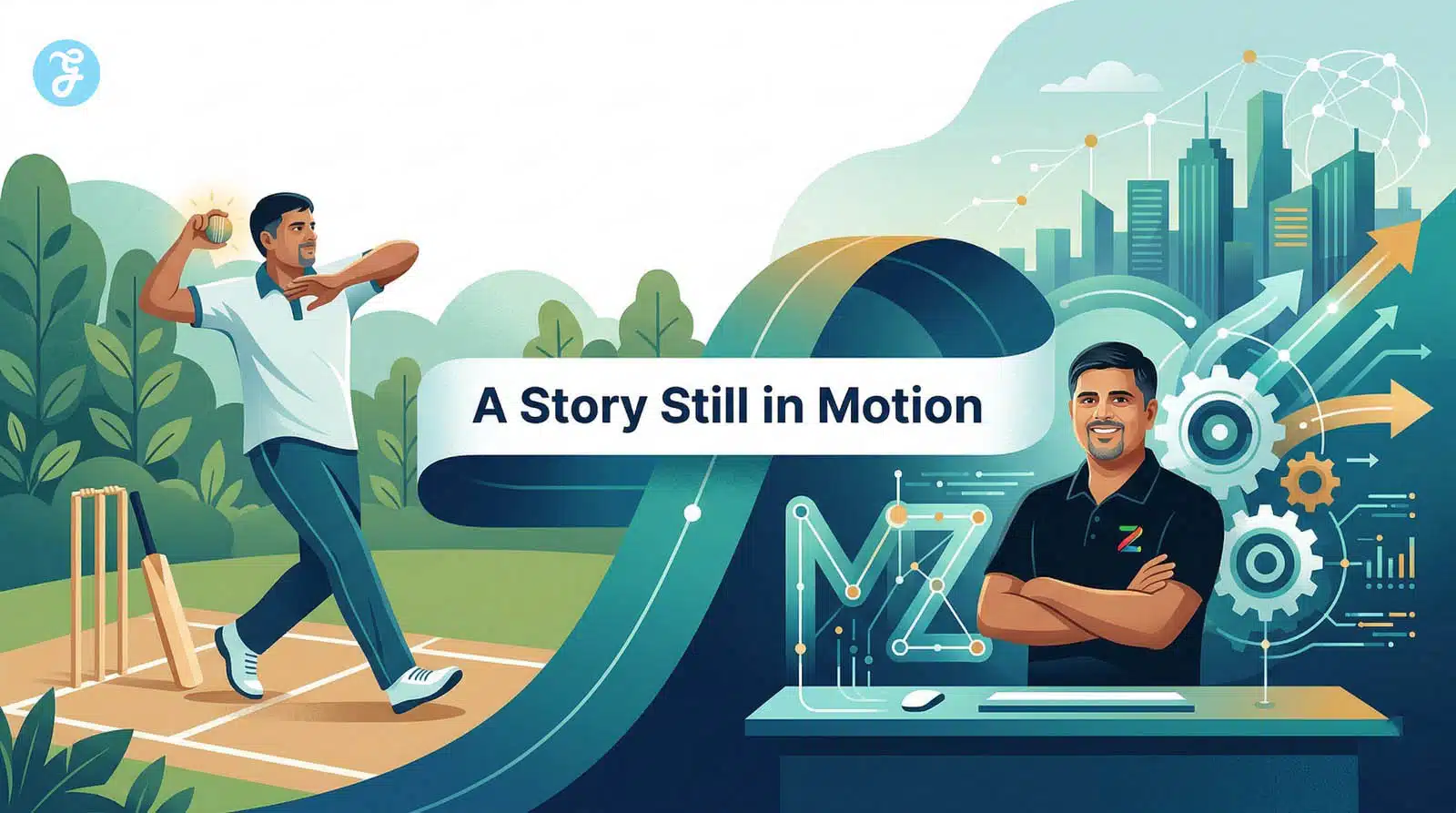
But it is durable. In a culture that rewards visibility, quiet work builds substance. His journey serves as a grounded model for corporate leadership in an era that often overlooks the power of the long view. And in a world looking for quick outcomes, there is value in building something that lasts.
The Legacy of the Long View
Some stories are built on dramatic moments. Others are built over time. This is one of those stories. No sudden breakthroughs. No loud turning points. Just steady work. Careful decisions. Consistent effort. That is what makes it real. And that is what makes it last.
Frequently Asked Questions (FAQ)
How does ManageEngine fit into the broader Zoho Corporation ecosystem?
ManageEngine is Zoho’s enterprise IT management division. It focuses on IT service management, cybersecurity, identity management, and network monitoring. It is a key part of Zoho Corp’s overall product portfolio, though the company does not publicly break down revenue by division.
What is the specific name for Zoho’s strategy of opening offices in smaller towns?
Zoho refers to this approach as transnational localism. It reflects a decentralized model of building global products from smaller towns and non-metro regions. The term “hub and spoke” is sometimes used informally, but transnational localism is the more accurate expression of the company’s philosophy.
What does a Revenue Operations leader actually do in a bootstrapped tech company?
In a bootstrapped company, a Revenue Operations leader aligns sales, marketing, and customer success to drive sustainable growth. The focus is on efficiency, customer retention, and predictable revenue rather than rapid expansion driven by external capital.
Who does ManageEngine compete against in the global enterprise IT space?
ManageEngine competes with global players such as ServiceNow, SolarWinds, BMC Software, and Datadog. It operates in similar areas including IT service management, observability, and security.
How rare is it for a technology company of this scale to remain completely bootstrapped?
It is uncommon. Most large SaaS companies rely on venture capital, private equity, or public markets to scale globally. Zoho’s long-term growth without external funding stands out in the industry, though a few other companies have followed similar paths.






















