Technology and innovation have continuously changed, making vehicles safer by the decade. However, improvements are always welcomed in the automotive industry and consumer behaviour because accidents are still prominent worldwide.
According to the UK’s Department for Transport, 1,607 road fatalities and 128,920 casualties occurred in 2024. Although these statistics showed a decline in accident trends compared to the previous year, the situation is still concerning, as the majority of people in the car ownership category are aged 60 or more in the UK.
However, as the automotive industry adapts to new dynamics and customer demands, we’re seeing companies focus more on safety features, along with comfort and efficiency. So, let’s see what 2025 brings to the market.
The Automated Emergency Braking System has become more popular
AEBS technology is one of the most useful additions to a vehicle. It automatically detects a potential collision and activates the system to avoid or better withstand it. Of course, the system first warns the driver, but as the collision becomes more imminent, the system takes charge.
The technology is slowly becoming standard for all car manufacturers, and it can contribute to a massive decrease in accidents. The system will help mitigate potential accidents caused by drivers falling asleep while driving or driving under the influence (DUI).
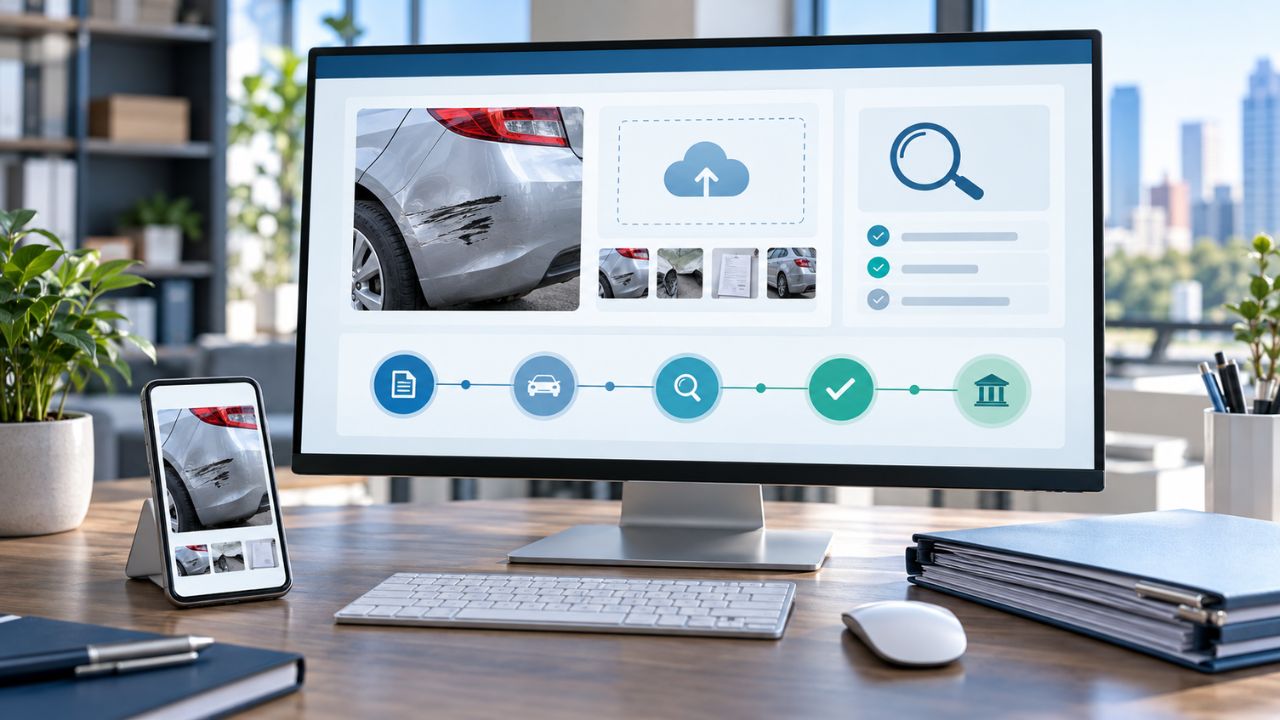
The number of car accidents caused by drowsy driving is significant, and it often leads to serious injuries and financial losses, for which drivers can contact solicitors for a car accident and claim compensation.
The Blind Spot Detection system is more needed than ever
Blind-spot-related accidents might have decreased in occurrence in the past few years. Still, considering that the number of cars and drivers is increasing, the statistics are not really positive. The issue is that traffic gets more aggressive due to lacking infrastructure, putting drivers at a high risk of not being wary of their blind spot.
Blind spot detection uses sensors on the sides of the rear bumper to monitor the spots you can’t see through the side mirrors. The technology then alerts the driver of vehicles in nearby lanes by illuminating icons or audible notifications.
Nissan, for example, worked on an Intelligence Blind Spot Intervention (I-BSI) feature based on a front-mounted camera that detects traffic lane markers.
The rise of autonomous cars on the market
Driverless cars might become common sooner than expected, as demand is high and their benefits outweigh those of gas vehicles. Experts forecast that recent technological advances will boost autonomous car sales in 2025.
Companies will improve their safety and spread awareness to earn public acceptance since many people are reluctant to drive them. In addition, Tesla’s Autopilot feature hasn’t exactly contributed to good media coverage after contributing to at least 13 fatal crashes in the past years.
However, autonomous driving could prevent a significant number of accidents. It is based on technological logic and cannot be influenced by factors like DUI.
The IoT connectivity has improved to unthinkable levels
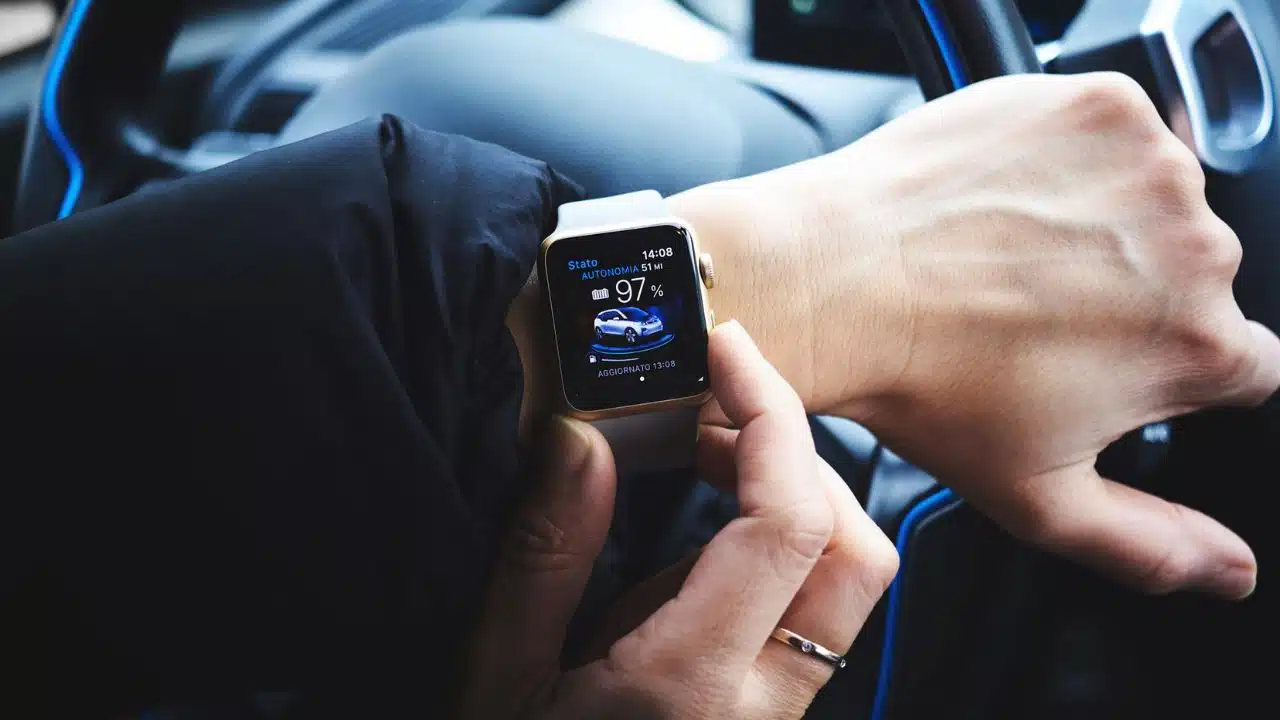
Vehicles with IoT (Internet of Things) systems will fully personalise the driver’s experience by managing their entire lifestyles, not only on the road. New features will be able to suggest doing errands based on proximity optimisation or recommend a nearby coffee shop when energy levels are down.
This will be possible with Artificial Intelligence (AI) for software-defined vehicles (SDV) that rely more on software technology. This means that the vehicles will also be able to update themselves, just like a computer, and not depend on the mechanical framework as much.
Companies like Volkswagen and Honda are already investing considerable funds into electrification and digitalisation.
The automotive industry follows consumer preferences
Consumer preferences for personal vehicles have changed considerably in the past years. The average driver has realised the impact of the car they’re driving, especially since the fuels contribute to worrying nitrogen dioxide and carbon monoxide levels in the air we breathe.
Gen Z customers, the largest generation with one of the most prominent buying powers, prioritise sustainability. They’ll likely choose electric vehicles (EVs) instead of gas ones. In addition to their environmental benefits, EVs also offer financial advantages.
At the same time, they value technological features and improvements, making their drive as personalised as possible.
How will smart cities impact the future automotive industry?
As car manufacturers improve their strategy and technology, the world will also revolve around the newness with the proper infrastructure. Hence, smart cities are the future we’re looking for, with urban areas supporting a circular economy and an easier life.
Some of the innovative city features that will improve driving include:
- Machine-readable lane marking;
- Roadside sensors on sidewalks, curbs and lanes;
- Smart signage through embedded codes transmitted to computers;
In this ideal future, garages and parking spaces will be placed outside of the city, so vehicles will take you home and drive themselves to the designated parking lot. Parking spaces will also receive further optimisation so there’s enough space for the increasing number of cars.
The impact of 5G will also improve connectivity and integrate vehicles with modern lifestyles. These networks will receive and transmit a lot of data about car performance, enabling vehicles to optimise their productivity and energy usage.
However, these developments will require extensive infrastructures and new fibre-optic cables to support the fast technology. This next-generation industry seems far from achieving, but companies innovate and take essential steps towards building a new and better future. The automotive revolution is slowly expanding among developed countries, so it will soon become affordable for customers in a similar way to gas cars.
What do you think about the vehicles of the future?
Although flying cars are not on the automation agenda for the near future, driverless cars are already on the streets and show great potential for productivity. Plenty of industry trends will reshape in 2025, such as better blind spot detection features, IoT connectivity, and an approach focused on consumer preferences. Of course, new cars need enhanced infrastructure, so we’re expecting roads and signals to change as well.