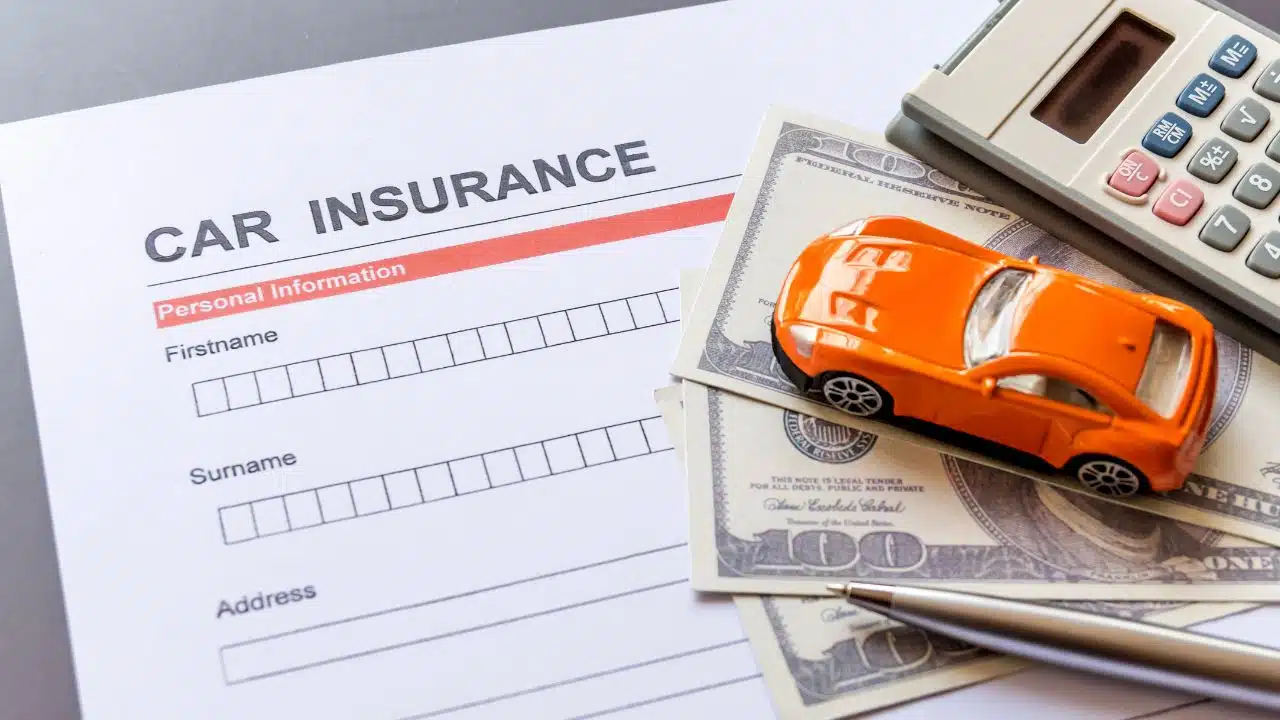
Buying a new car is a rush of pride, freedom, and fresh leather scent. You sign the papers, grip the keys, and for a moment, everything feels perfect. Then reality hits. That new car smell also comes with new responsibilities. Keeping your investment safe, financially and physically, isn’t about paranoia. It’s about knowing how to protect what you worked for without overspending or falling for gimmicks.
Understanding The True Value Of A New Car
The second you drive off the lot, depreciation begins. Everyone knows it, yet few plan for it. The way to offset that loss is to treat your car as a long-term asset, not a short-term thrill. That means maintaining its value from day one. Paint protection, clean records, and mileage moderation matter, but the real savings come from prevention. A tiny repair now costs far less than a major fix later.
Insurance plays a role here, but not all coverage is created equal. The temptation to go with the lowest monthly premium is strong, especially after the sticker shock of the purchase. But as the saying goes, you get what you pay for. It’s why you should always go with the best car insurance, not the cheapest. The difference isn’t just in the rate, it’s in the quality of protection. A cheaper plan may leave you paying out of pocket for gaps you didn’t know existed until something goes wrong.
When Protection Becomes Strategy
Think of protecting your new car as a strategy, not a series of random purchases. There’s the practical side: insurance, maintenance, warranties and then there’s the thoughtful side, where you decide what actually serves you long term. Extended warranties, for example, are often sold as a safety net but can be redundant if your vehicle’s reliability and manufacturer coverage already do the job. The key is reading the fine print and calculating the likelihood of use.
It’s not about buying every product marketed as “protection.” It’s about making each dollar count. Smart car owners know when to say yes to an investment and when to say no to unnecessary add-ons. The best protection is often the simplest one: consistent maintenance and smart coverage.
Why Prevention Pays Off
Regular maintenance might not feel exciting, but it’s the backbone of protecting your car’s value. Oil changes, tire rotations, and inspections prevent small issues from turning into big expenses. It’s a lot like health care: catching something early costs less and spares you the stress later.
Protective habits don’t stop at the mechanic’s shop either. Parking in shaded areas, washing off road salt in winter, and keeping your car clean inside and out all contribute to longevity. You don’t have to baby your vehicle, but you do have to respect it. Small gestures add up to big payoffs when you eventually resell or trade in.
Modern Technology And The Smart Car Owner
Today’s vehicles come equipped with advanced safety tech, from automatic braking to lane-keeping assist, which helps prevent accidents and lower insurance costs over time. But even technology needs protection. Keeping your software updated, understanding your vehicle’s security systems, and monitoring recalls can make a real difference.
If your car uses connected apps or Bluetooth access, take cybersecurity seriously. Weak passwords or careless app permissions can open digital doors to your car’s systems. Treat your car’s tech like your phone or laptop—it holds sensitive data and deserves the same level of care.
Balancing Cost And Peace Of Mind
Financial protection doesn’t mean locking your car in a bubble. It means balancing cost with confidence. Spending a bit more now to safeguard your car from predictable risks can save thousands down the road. Insurance, routine service, and good driving habits are the foundation. Everything else is optional, but that foundation must be solid.
Choosing where to spend and where to save is the art of smart ownership. Some people see it as an expense, but it’s really a form of insurance against future headaches. The more informed your choices, the longer your car feels like new.
Investing In The Right Kind Of Future
With sustainability reshaping the auto industry, the next wave of protection involves smarter, greener ownership. People looking to balance practicality and cost-efficiency are turning toward affordable hybrid cars that deliver performance without punishing fuel costs. These vehicles not only save money at the pump but also hold value better as energy efficiency becomes the norm rather than the exception.
If your next car happens to fall into that category, you’ll be protecting both your wallet and the planet. Hybrids and EVs also come with unique maintenance needs, so understanding battery warranties and charging cycles becomes part of the protection plan. The more familiar you are with your car’s technology, the less likely you are to run into expensive surprises.
Keeping What’s Yours
Protecting your new car isn’t just about insurance, warranties, or paint coatings. It’s about respect—respect for the effort it took to buy it, the work it represents, and the freedom it provides. A car is one of the biggest personal investments most people make outside of a home. Treating it like one ensures it rewards you for years to come.
In the end, the real cost of protecting your new car is the price of foresight. You’re not just shielding metal and glass—you’re safeguarding independence, mobility, and peace of mind. It’s not about spending more, it’s about spending wisely, understanding what protection truly means, and realizing that when you take care of your car, it quietly takes care of you right back.