
Do you ever feel like your brain needs a little extra care? The health of our brains affects how we think, focus, and live every day. Neurologists say small changes can make a big difference in protecting brain function.
Stick around to learn 10 small things neurologists wish you’d do for your brain!
Key Takeaways
- Wear helmets during risky activities and use earplugs in loud places. These protect your brain from injury and stress-related damage.
- Regular checkups, like eye exams, help find early signs of neurological issues such as Parkinson’s or Alzheimer’s. Managing cholesterol also helps maintain brain health.
- Reading books and taking daily walks enhance memory, focus, and reduce the risk of neurodegenerative diseases. Activities like yoga improve mental clarity as well.
- Sleep well to clear toxins linked to Alzheimer’s disease. A good sleep routine supports memory, focus, and brain function.
- Flossing daily prevents gum disease that may cause inflammation affecting brain health and increasing Alzheimer’s risks.
Protect Your Brain

Your brain is fragile. Simple steps can shield it from harm and reduce risks of long-term damage.
Wear a helmet during high-risk activities
Helmets protect your brain during activities like cycling, skateboarding, or skiing. They reduce the risk of traumatic brain injuries (TBIs) by absorbing impact and shielding your head from direct trauma.
Without a helmet, accidents can lead to serious head trauma or cognitive decline.
Choose a helmet that fits snugly for maximum safety. Loose helmets can shift and fail to protect you properly. Neurologists stress helmets as key in preventing long-term brain damage and neurodegenerative diseases like Alzheimer’s.
Take this simple step to safeguard your brain tissue and support lifelong cognitive health!
Use earplugs in loud environments
Loud noise harms your hearing and brain health. It can lead to stress, anxiety, and cognitive decline. Earplugs help protect your ears from damage caused by loud environments like concerts or construction sites.
They come in disposable, reusable, or custom-fitted options.
Prolonged noise exposure affects brain function by increasing stress hormones. Experts recommend using earplugs during activities with heavy sounds to maintain long-term mental clarity.
“Protecting your ears is an investment in a healthier mind.
Prioritize Regular Checkups
Regular checkups can catch small problems before they grow bigger. Keeping track of your health reduces risks linked to cognitive decline and nerve cell damage.
Get your eyes checked annually
Eye exams can uncover early signs of neurological issues, like Parkinson’s disease or Alzheimer’s. Poor vision may affect cognitive function and lead to brain health problems. Studies show a strong link between eye health and various brain disorders.
Annual checkups help detect potential eye diseases tied to the nervous system, such as optic nerve damage. This helps protect your mind by catching symptoms early. Healthy eyes support smoother cognitive processes, aiding in clear thinking and memory.
Manage your cholesterol levels
High cholesterol can damage your brain. It increases the risk of cognitive decline, Alzheimer’s, and Parkinson’s disease. Regular checkups help monitor your levels early. A healthy diet rich in omega-3 fatty acids promotes better brain health.
Foods like salmon, walnuts, and flaxseeds are excellent options.
Exercise reduces bad cholesterol while improving blood flow to the human brain. Stress contributes to the problem too—try mindfulness or yoga to relax both mind and body. Maintaining these habits strengthens nerve cells, protects neurotransmitters, and improves brain chemistry for long-term wellness. Your heart health is closely connected to your brain’s performance.
Engage in Brain-Boosting Activities
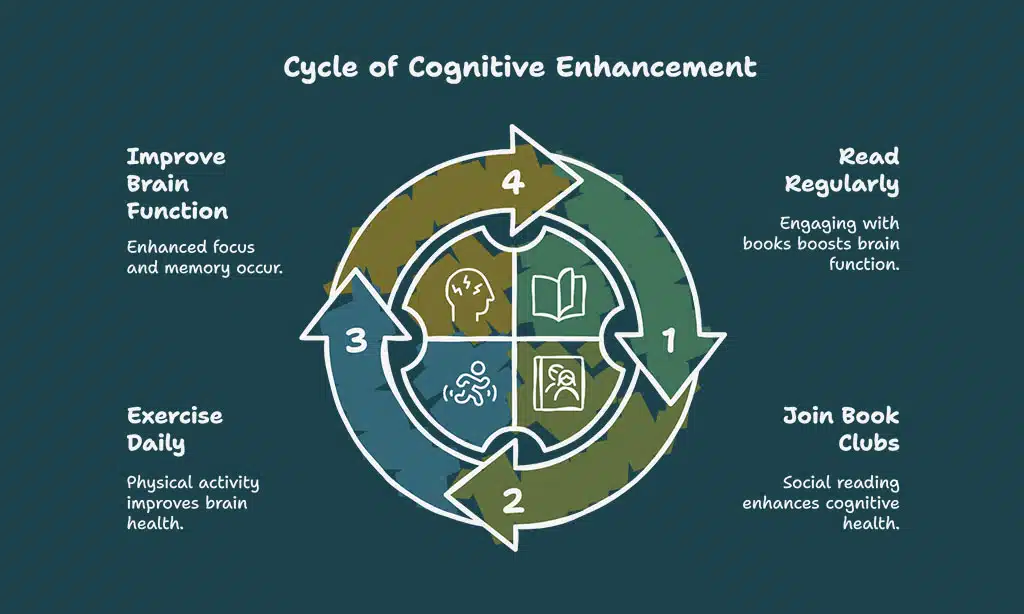
Stimulate your mind with fun and challenging tasks. Small efforts can improve focus, memory, and brain health.
Join a book club or read regularly
Reading boosts brain function. Joining a book club adds even more benefits. Socializing in these groups keeps minds sharp and supports cognitive health. Discussing stories helps memory recall and critical thinking.
Neurologists stress that learning through books strengthens connections in human brains.
Books expand ideas, cultures, and views. Diverse genres teach mental flexibility while improving focus. Structured schedules from clubs encourage commitment to regular reading habits.
These activities fight cognitive decline and keep the mind engaged as you age!
Take daily walks or engage in light exercise
Walking daily or doing light exercise boosts brain health. It improves blood flow, helping your brain grow new neurons and stay sharp. Regular activity lowers the chances of neurodegenerative diseases like Alzheimer’s.
Movement also releases endorphins, which lift your mood and reduce stress.
Short walks improve mental clarity too. Light exercises like yoga or stretching can strengthen focus and memory over time. By staying active, you help protect against cognitive decline while feeling more energized each day.
Maintain Healthy Habits
Good habits keep your brain strong and happy. Simple changes, like better rest or daily care, can make a big difference.
Sleep well and prioritize rest
Quality sleep keeps your brain healthy. It helps with memory, focus, and cognitive function. Your body uses this time to clear waste through the glymphatic system, improving brain health.
Experts like Maiken Nedergaard highlight how proper sleep removes toxins linked to Alzheimer’s.
Maintain a consistent bedtime routine. A dark, quiet, and cool room helps improve rest. Poor sleep can lead to disorders like sleep apnea or chronic fatigue. Exercise during the day reduces stress and encourages better sleep patterns.
Activities like deep breathing or meditation also relax your mind for peaceful nights.
Floss daily for better overall health
Daily flossing keeps your gums healthy and prevents plaque buildup. Poor oral hygiene can lead to gum disease, which causes inflammation in the body. This inflammation may affect brain health and raise the risk of Alzheimer’s disease.
Flossing also supports heart health by lowering the chance of cardiovascular issues linked to cognitive decline. Clean teeth and gums promote better longevity, improving life quality for people with neurodegenerative diseases.
Takeaways
Taking care of your brain is easier than you might think. Small steps, like wearing a helmet or getting enough sleep, make a big difference. Stay active, eat well, and protect your head from injuries.
These habits can help keep your mind sharp and healthy for years to come. Your brain will thank you!
FAQs
1. How does sleep affect brain health?
Good sleep helps your brain remove waste through cerebrospinal fluid and supports immune cells that protect neurons. Sleep disorders can harm this process and lead to cognitive decline over time.
2. Can air pollution harm my brain?
Yes, poor air quality from air pollution can damage neurons and increase the risk of conditions like Alzheimer’s or other cognitive issues.
3. Why is hearing loss bad for the brain?
Hearing loss makes it harder for your brain to process sounds, which may speed up cognitive decline. Protecting your ears is key to keeping your mind sharp.
4. What should I know about head trauma?
Traumatic brain injuries, even small ones, can lead to chronic traumatic encephalopathy (C.T.E.) or long-term problems with memory and thinking skills.
5. How do neurologists study ways to keep brains healthy?
They use model systems in research to understand how things like air quality, neuronal health, and immune cells impact the brain’s function over time.