Gamers face real trouble. You spend money on digital assets, but later, you cannot sell or use them outside one game. Scams and lost items make things worse. Many players want more control, better security, and true ownership of their in-game assets.
Here is a fact worth knowing: Blockchain technology is now reshaping the gaming industry. For example, games like Axie Infinity let players earn cryptocurrency by playing games or trading non-fungible tokens (NFTs).
This change means your time and effort can turn into real-world earnings.
This blog will give simple tips for understanding how blockchain gaming works. You will learn about smart contracts that prevent fraud, see how decentralized applications work behind the scenes, and find new ways to trade resources safely—without extra gas fees eating up your rewards.
Ready to discover these changes? Keep reading to unlock seven new trends shaping the future of gaming.
Real-World Earnings for Players
Players can now earn real income from games. Games like Axie Infinity and The Sandbox pay players digital currency or in-game assets just for playing, making trades, or completing quests.
Some folks have made up to thousands of dollars a month on these platforms. This shift came with blockchain technology and smart contracts that track every sale, trade, or reward using a secure distributed ledger.
NFTs (non-fungible tokens) let you own rare swords, skins, or even land plots as digital assets. You can sell them, swap them in peer-to-peer transactions, or keep them as investments—just like trading cards but without leaving your desk.
Blockchain gaming gives everyone a shot at monetization opportunities and lets people see exactly where their loot comes from. With fewer middlemen and lower gas fees compared to old-school systems, the new virtual economy keeps money flowing straight into the hands of skilled players worldwide.
Interoperability Between Games
Gamer gear can follow you, like a loyal dog, from one blockchain game to another. Imagine earning a powerful sword in Axie Infinity and using it later in The Sandbox or another gaming platform.
NFT technology ties your digital assets to your account, not just one title. Smart contracts handle the rules between games. These agreements write themselves into the code of each game on distributed ledgers, boosting trust and keeping transactions honest.
Data encryption keeps accounts safe as players move items across blockchain networks.
Game studios used to keep rewards locked up tight—only working inside one title. Blockchain interoperability changes that old habit fast for the gaming industry since 2021. Digital identities built with self-sovereign models stick around even if someone leaves a game or hops platforms with new friends met through peer-to-peer transactions on e-commerce platforms linked by IoT devices.
Developers see fewer headaches about fraud prevention thanks to advanced internal audits and automated policy checks built into blockchains.
The future of gaming is open borders: where your loot follows you, and every achievement matters everywhere.
NFTs Revolutionizing In-Game Assets
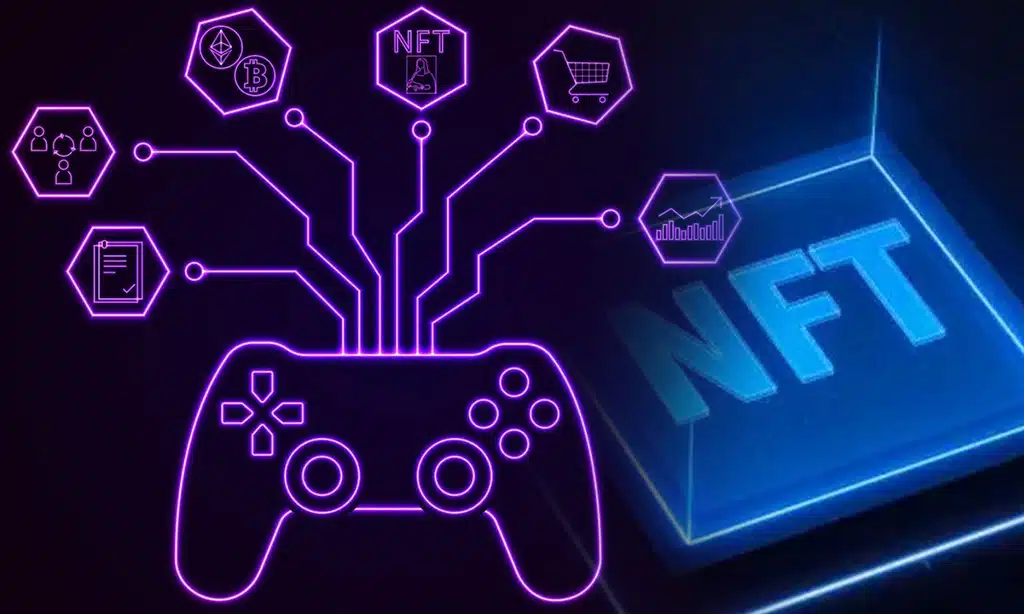
NFTs change the game inside blockchain technology. You get digital items that only you control, thanks to smart contracts and encrypted ledgers. Take Axie Infinity for example—each monster is an NFT, which means players really own them.
People have even sold rare Axies for thousands of dollars. The Sandbox uses NFTs too, giving players land they can trade or build on.
Digital assets in games used to sit in hidden files or locked accounts. Now, these non-fungible tokens let you buy, sell, or move your sword from one RPG to another if blockchain interoperability exists between titles.
Distributed ledger tech tracks every trade safely and opens peer-to-peer transactions with low gas fees—a win for gamers tired of big studios holding all the keys. Decentralization puts power back into the player’s hands and switches up how gaming industry monetizes fun objects forever.
Enhanced Security and Fraud Prevention
Hackers hate blockchain technology. It locks data tight using encrypted ledgers, so stealing digital assets becomes very hard. Each transaction gets added to a distributed ledger. No one can change this account book without everyone knowing.
This helps stop fraud and makes gaming accounts safer.
Big games like Axie Infinity use smart contracts for player trades and in-game assets. Data encryption keeps information safe from prying eyes or greedy hands. Two-factor authentication adds another layer of defense against data breaches and fake identities in blockchain games.
With these tools, players enjoy stronger protection for their digital identity, rewards, cryptocurrency tokens and game progress across the internet of things.
Transparent and Decentralized Transactions
No middleman blocks the path. Peer-to-peer transactions move straight from player to player in blockchain gaming. Smart contracts, like clever robots, handle trades and swaps. These contracts run on a distributed ledger for all to see.
Each step stays clear as daylight with encrypted ledgers recording every change or sale—no fiddling behind the scenes. Blockchain technology stops fraud by making sure each deal is open and tamper-proof.
Games such as Axie Infinity use this tech for secure sales of digital assets and NFTs (non-fungible tokens). Players can check their transaction history at any time, which wipes out hidden fees or shady business.
Pay gas fees once; watch your new in-game item land right into your account without delay. Thanks to these changes, brands and game studios spot fresh monetization opportunities while players gain power over their digital economy journeys.
The gaming industry now sets its sights on more efficient data management with less paperwork and faster business processes than ever before—a true digital transformation speeding up right under our noses!
Improved User Experience Through Ownership
Players now own in-game assets like skins, weapons, or rare pets using NFTs (non-fungible tokens). With blockchain technology and distributed ledgers, these digital assets stay safe and truly belong to the player, not locked inside one game.
Axie Infinity shows this idea well. Players can buy, sell, or trade their creatures for real money through peer-to-peer transactions.
Smart contracts handle each deal safely and quickly. No need to worry about fake items or lost property since every asset is written on the blockchain. The gaming industry sees players building collections that carry value across games like The Sandbox too.
This level of real ownership has changed how people feel about spending time and money online—earning while playing now feels fairer than ever before.
Tokenized Rewards and Incentives
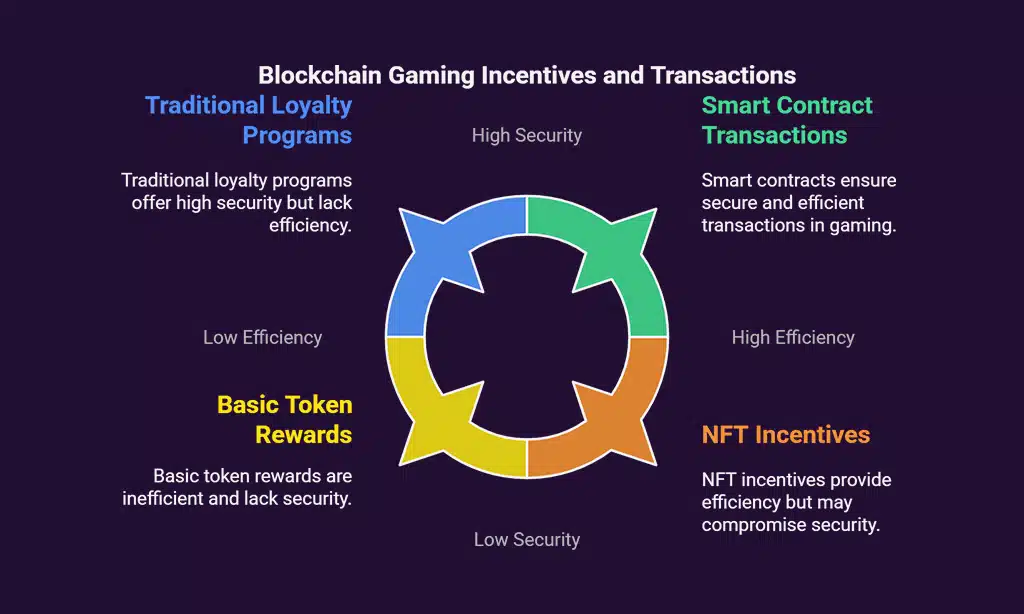
Tokenized rewards shake up how people play games. In blockchain gaming, incentives come as tokens or even NFTs. Titles like Axie Infinity and The Sandbox give out crypto for tasks or wins.
These games pay users directly with digital assets stored on a distributed ledger. No middlemen, no waiting—just instant peer-to-peer transactions.
Smart contracts keep it fair and fast, cutting down fraud risk in each incentive program. Developers can set rules that nobody can change alone, thanks to blockchain technology. This system supports new loyalty program ideas and better monetization opportunities for both players and studios in the gaming industry.
Even gas fees become a part of gameplay strategy, not just another bill to pay after a fun session.
Trading and Monetization of Resources
Players now trade digital assets inside many games using blockchain technology. These trades happen through smart contracts on a distributed ledger. This means players buy, sell, and even rent in-game assets just like swapping baseball cards on the playground.
Games like Axie Infinity and The Sandbox allow peer-to-peer transactions for NFTs (non-fungible tokens). Some people earn real cryptocurrency by selling rare game items or resources.
Decentralized platforms remove middlemen and lower costs. Gas fees may apply but are usually less than traditional market cuts. Transparency grows because every transaction sits openly on the blockchain, protected by data encryption.
Monetization opportunities explode as gamers receive rewards they actually own and can exchange outside one single app or platform. Blockchain gaming turns grinding for loot into earning potential—turning spare time into pocket cash with each click of a mouse or tap of a screen.
Empowering Players With More Control
Game titles like Axie Infinity and The Sandbox put power in your hands. You own digital assets through blockchain technology instead of just renting them. Smart contracts handle trades, so there is no middleman grabbing a cut or changing the rules without you knowing.
Decentralized autonomous organizations let you help steer updates or changes with voting rights, making gaming feel more like a fair playground.
Seed phrases and self-sovereign identity give extra safety over player accounts. You trade skins or NFTs using peer-to-peer transactions, not some risky black market site. Gas fees pay for safe moves on the distributed ledger.
No one can steal your sword if it sits locked to your wallet by data encryption. Blockchain gaming means stronger identity verification through KYC steps and fewer worries about fraud prevention too.
Adding Value to Digital Assets
NFTs, smart contracts, and blockchain technology boost the worth of digital assets in gaming. A sword or skin in games like The Sandbox can get tracked with a distributed ledger. This means you own it, not just rent from a server somewhere.
In 2023 alone, gamers traded billions of dollars’ worth of NFTs across peer-to-peer platforms.
Smart contracts work as trusted referees. They help players sell in-game items—no middleman needed—and handle gas fees on their own terms. These systems lower fraud risks and build trust fast, while encrypted ledgers keep data safe as a squirrel with its acorn stash.
Blockchain games such as Axie Infinity create new monetization opportunities for both studios and players using these tools. They also add new ways to authenticate digital ownership through KYC verification and copyright protection measures built into every transaction on the platform.
Now even rare swords enjoy warranties—just like products off any store shelf!
Takeaways
Blockchain gaming is shaking up play with more than just fun. Players now earn real cash, trade in-game items, and enjoy safer digital spaces. Smart contracts make deals simple and fast, cutting out the middleman.
Ever sold a rare sword to someone across the globe? It feels like magic thanks to peer-to-peer transactions and NFTs. Want more control over your loot or better ways to earn rewards? Think about how these tools can change your next game night or help you win big.
Dig deeper into blockchain technology for games on sites like LinkedIn for news, tips, and fresh hacks—ready to level up your gaming future?
FAQs
1. How does blockchain technology change the gaming industry?
Blockchain technology brings digital assets and in-game items you can truly own. It uses distributed ledger systems, making peer-to-peer transactions safer and quicker for everyone.
2. What are NFTs in gaming, and why should I care?
NFTs—non-fungible tokens—turn game skins or weapons into digital assets you can trade or sell on open markets like The Sandbox or Axie Infinity. You get more control over your stuff, not just a license from the game company.
3. Can smart contracts help with fraud prevention in games?
Yes, smart contracts cut down on cheating by setting clear rules on the blockchain network. This stops fake trades and helps keep copyright violations at bay.
4. Are there new ways to make money with blockchain gaming?
Sure thing! Blockchain technologies let players earn through incentive programs or market expansion deals that did not exist before. Monetization opportunities now go beyond simple gameplay—you might even see targeted marketing offers pop up based on your activity.
5. Will gas fees make my games too expensive to play?
Sometimes gas fees show up when moving digital assets between games due to blockchain interoperability limits, but developers work hard to reduce these costs so gamers do not pay an arm and a leg just to move their loot around.
6. Is data encryption important for future-proof online games?
Absolutely! Data encryption keeps player info safe during fintech activities like KYC checks or insurance sign-ups inside virtual worlds—and yes, it matters as much as implied warranties of merchantability if you want peace of mind while playing online today or tomorrow!