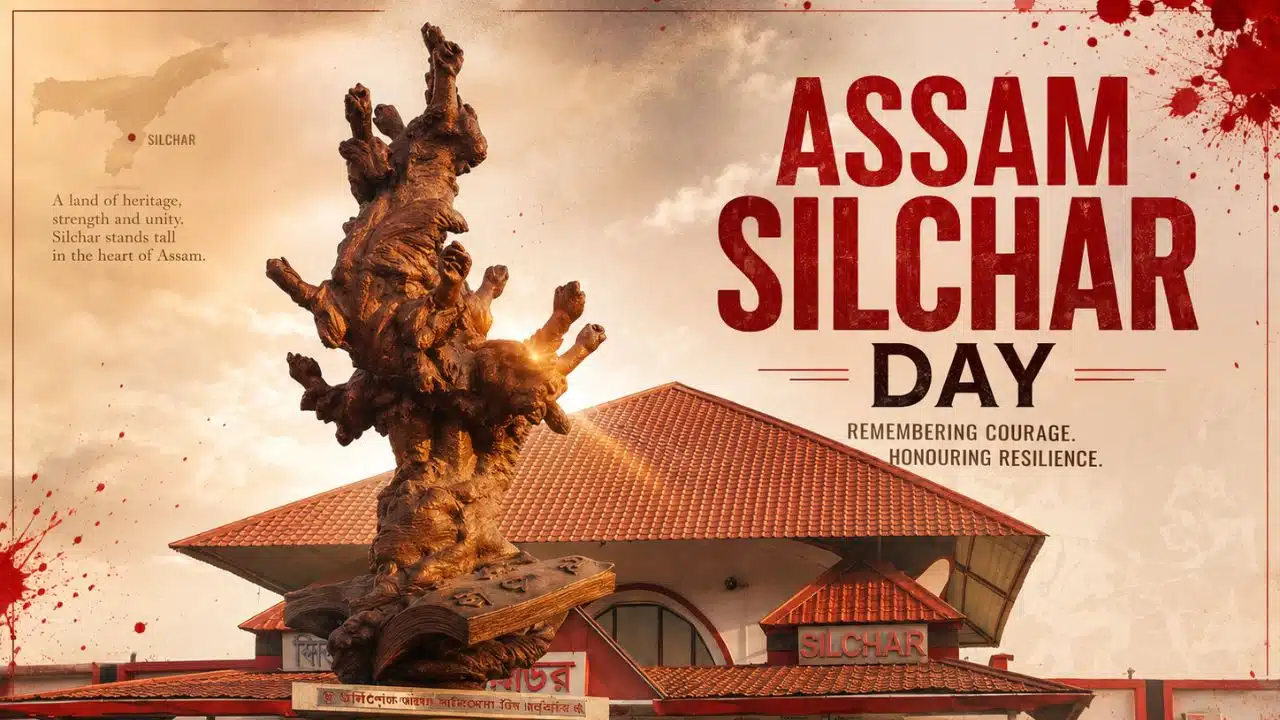
The crackling dawn of May 19, 1961, promised a new beginning for the Barak Valley, yet it would end in one of the most tragic chapters of the Bengali language movement in Assam. Today marks the 65th anniversary of this memorial language movement in Assam.
At 5:40 in the morning, the usual blast of the train whistle at Silchar’s Tarapur Railway Station was replaced by the resolute silence of a people standing up for their mother tongue. Young and old, bound by an indomitable desire to protect their cultural identity, brought public life to a standstill in a peaceful, non-violent protest. Not a single ticket was sold, and the station, alongside government offices and court buildings, became a sanctuary for peaceful resistance.
To understand the magnitude of this day, we must look back at the origins of this historical struggle for linguistic dignity.
The Spark of Resistance in the Barak Valley
Exactly nine years after the bloodbath of East Bengal on February 21, 1952, the Bengali-dominated districts of Silchar, Karimganj, and Hailakandi rose with a singular demand: official recognition of the Bengali language. The people of the Barak Valley united with a steel-hard resolve, forcing railway authorities to cancel train services one after another. The early hours of the protest were defined by an unimaginably calm and determined atmosphere, setting the stage for what many believed would be a peaceful Satyagraha.
Despite the nonviolent nature of the demonstration, the heavy presence of armed state forces foreshadowed an impending disaster. Read more about the language movement in Assam here.
The Bloodshed at Silchar Station
Although armed members of the Assam Rifles initially observed the spontaneous participation without engaging, the situation rapidly deteriorated by mid-afternoon. Around 2:30 PM, police arrested nine activists from the Katigora area, loading them into a Bedford truck. Seeing their brothers taken away, the unbridled emotions of the crowd turned to fierce anger. The crowd rushed the truck, prompting the frightened police to flee, and in the chaos, a section of the agitated crowd set fire to the railway sleepers.
In a span of just five minutes, at 2:35 PM, the paramilitary forces descended upon the protesters. When rifle butts and bayonets failed to move the freedom-loving crowd, the forces chose the most brutal path. Indiscriminate firing began without provocation. In a harrowing seven minutes, 17 rounds of hot bullets were fired, immediately dropping 11 innocent people. The ground of the station was drenched in red blood, with nine fresh lives martyred on the spot and two more succumbing later in the hospital.
Among those who fell were some of the youngest and bravest souls, leaving an indelible mark on history that demands profound reflection.
How Did 11 People Give Their Lives for the Bangla Language Movement in Assam?
Echoes of Sacrifice Across Borders
Reflecting on the historical continuum of linguistic rights, the profound parallels between the Bengali language movement in Assam and the 1952 Language Movement of Bangladesh become strikingly clear. Examining these events through a macro-political lens reveals that they are not isolated regional skirmishes but monumental chapters in the broader fight against cultural homogenization. The 1961 Silchar massacre underscores a universal truth: language is intrinsically tied to human dignity and existential identity.
When administrative apparatuses attempt to violently mandate linguistic uniformity, they inadvertently forge an unbreakable solidarity among the oppressed. May 19th serves as a stark reminder that the geopolitics of language can be just as volatile and just as deeply felt as physical territorial disputes. The tragedy of Kamala Bhattacharya and her peers is not merely a footnote in South Asian history; it is a foundational lesson in the resilience of cultural heritage. Recognizing their sacrifice is a necessary step toward acknowledging the true, often bloody, cost of the linguistic freedoms so widely celebrated today.
The sacrifice of these young lives sent shockwaves far beyond the borders of Assam, immortalizing their names in the fight for cultural preservation.
The Immortal Martyrs of May 19
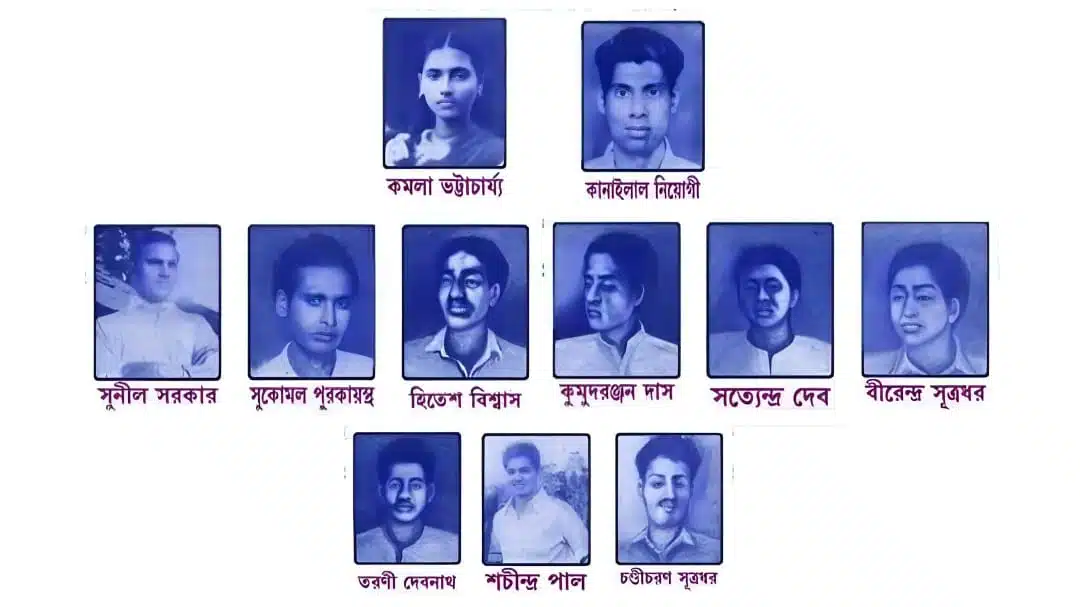
The 11 immortal martyrs—Kamala Bhattacharya, Kanailal Niyogi, Hitesh Biswas, Satyendra Deb, Kumud Ranjan Das, Sunil Sarkar, Tarani Debnath, Sachindra Pal, Birendra Sutradhar, Sukmal Purkayastha, and Chandicharaan Sutradhar—gave everything for their mother tongue. Kamala Bhattacharya, not even 18 years old at the time, became the first female martyr in world history to sacrifice her life for a language. The cruel irony remains that just the day prior, she and her peer Sachindra Pal had taken their final school exams.
This enduring legacy of absolute sacrifice demands our continued respect, remembrance, and action.
An Eternal Tribute to Linguistic Freedom
The news of the brutal murders on May 19, 1961, sparked a nationwide storm of protest, leading a mourning procession of 40,000 people to the Silchar crematorium. Today, memorials stand tall at the crematorium and in front of Tarapur station, which has rightfully been renamed ‘Bhasha Shahid Station.’
The Bengali language movement in Assam is a historic and rare example of heroism, intimately woven with the spirit of International Mother Language Day. Just as the world honors the heroes of ‘Amar Ekushey,’ it is a moral imperative to elevate the 11 martyrs of Silchar, ensuring their fearless sacrifice for the Bengali language is eternally commemorated.