

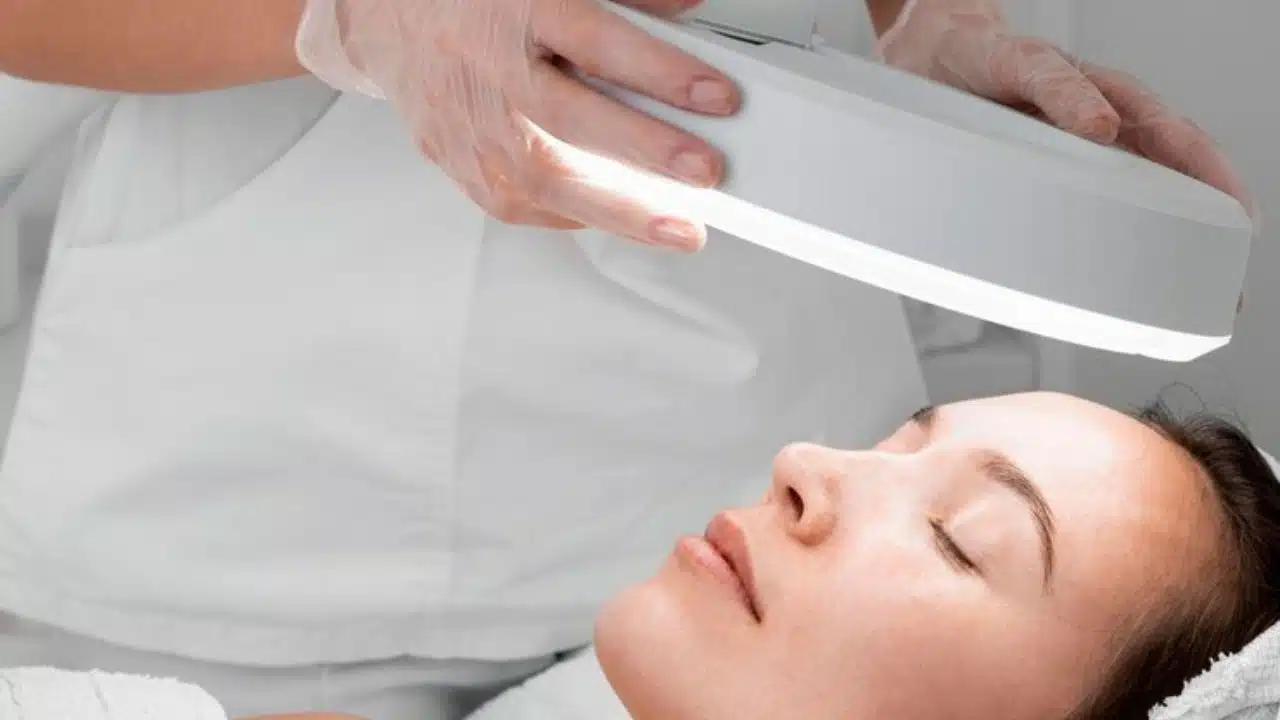
Phototherapy, often referred to as light therapy, is an innovative approach to treating various health conditions using specific wavelengths of light. This method leverages the healing powers of light to promote physical and mental well-being. As more research emerges, the benefits of phototherapy are becoming increasingly validated, making it a compelling option for those seeking alternative or complementary treatments.
Understanding Phototherapy
At its core, phototherapy uses light to trigger desirable biological responses, depending on the type of light used. This therapy can involve ultraviolet (UV) light, visible light, or even infrared wavelengths. Each type of light serves different purposes; for example, UV light has been used to treat skin conditions like psoriasis, while infrared is employed for its ability to penetrate deeper into the tissues.
The applications of phototherapy are vast, ranging from dermatological treatments to mental health improvement. This diversity highlights the importance of understanding each light’s unique properties and its effects on the human body.
Benefits for Skin Conditions
One of the most well-researched uses of phototherapy is its effectiveness in treating skin conditions. Ultraviolet light therapy, specifically, has shown promising results for individuals with psoriasis, eczema, and acne. UV light can reduce inflammation and slow down the excessive skin cell production associated with these conditions.
A meta-analysis published in 2018 found that UVB phototherapy is highly effective for moderate to severe psoriasis, achieving significant improvement in 75% of treated patients. This gives patients a safe alternative to more aggressive treatments, such as systemic medications that can have severe side effects.
Red Light and Wound Healing
Another exciting realm in phototherapy is the therapeutic application of red light, which utilizes low-level red and near-infrared light. Research indicates that red light therapy enhances cellular function and promotes the healing process. It is particularly beneficial for wound healing by stimulating collagen production and accelerating tissue regeneration.
Studies reveal that near-infrared light not only speeds up the healing of wounds but may also reduce pain and inflammation. A study conducted in 2014 found that patients receiving this light therapy experienced a 30% decrease in pain and a significant reduction in inflammation markers compared to those who did not receive treatment. These impressive results highlight the potential of infrared light therapy in enhancing recovery.
Impact on Mental Health
Phototherapy isn’t limited to physical conditions; it can also play a critical role in mental health care. Seasonal Affective Disorder (SAD), a type of depression that occurs at certain times of the year, notably during winter months, has been effectively treated with light therapy. The absence of sunlight can disrupt natural circadian rhythms, leading to mood changes.
Light boxes emitting bright white light are often used to help reset the body’s internal clock. Research published in 2015 indicated that around 60% of individuals with SAD experienced a significant reduction in symptoms after undergoing light therapy. This makes phototherapy a practical and accessible option for those suffering from winter blues.
Supporting Eye Health
Emerging studies suggest that phototherapy might support eye health, particularly concerning age-related macular degeneration (AMD). Specific wavelengths of blue light may help reduce free radical damage in retinal cells, potentially slowing down the progression of AMD.
In a recent study, patients exposed to specific wavelengths showed improved retinal function and reduced oxidative stress, which is crucial for maintaining eye health. While more research is needed, these preliminary findings are promising for those concerned about age-related vision issues.
Phototherapy in Pain Management
Phototherapy offers significant benefits beyond skin and mental health; it’s increasingly recognized for its application in pain management. Light therapy can help alleviate pain from various conditions, including arthritis and muscle strains. The mechanism behind this involves the ability of light to penetrate the skin and stimulate cellular processes that promote healing and reduce inflammation.
A systematic review revealed that phototherapy can significantly reduce pain compared to a placebo, making it a valuable tool for chronic pain management. Patients benefit from fewer medications and improved quality of life.
Safety and Accessibility
One of the key advantages of phototherapy is its safety profile. When conducted under proper supervision, risks and side effects are minimal. Unlike some pharmaceutical treatments, phototherapy does not carry a long list of potential adverse effects, making it a more appealing option for many.
Additionally, with the advancement of at-home light therapy devices, accessibility has increased. Patients can access treatments in the convenience of their homes, making it easier for individuals with mobility issues or those who prefer a private setting.
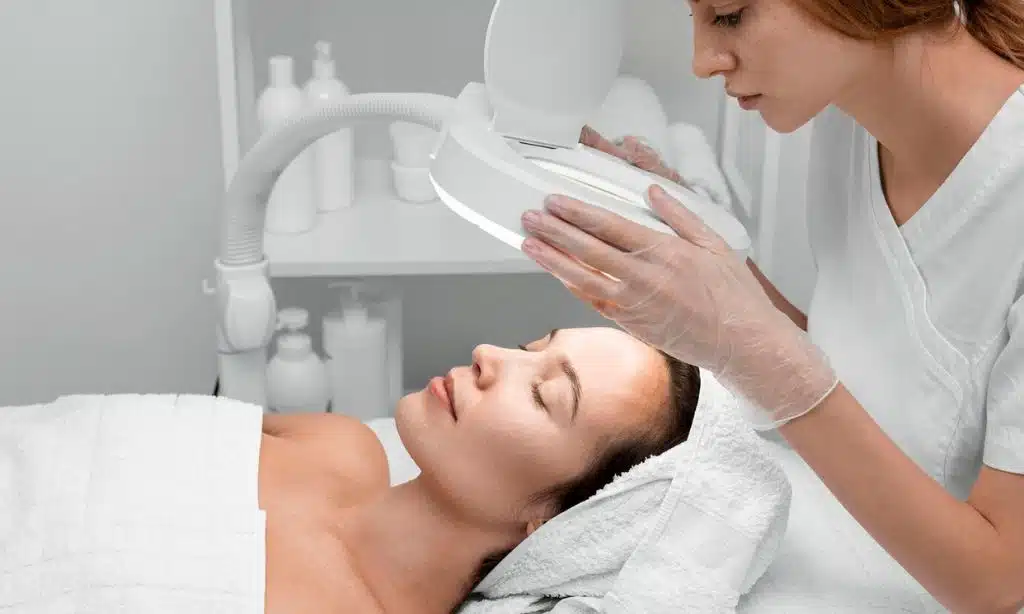
Phototherapy stands as a versatile and innovative method for enhancing health and well-being. From alleviating skin issues and managing pain to supporting mental health, its applications are vast and growing. Therapy using red light, in particular, is making waves for its healing properties, prompting further exploration in clinical settings. With its favorable safety profile and rising accessibility, phototherapy is poised to play a significant role in modern healthcare practices. Now, more than ever, light enlightens our journey to better health.






















