Traditional classrooms don’t always work for everyone. Some students struggle with fixed schedules, long commutes, or limited resources in rural areas. These barriers make learning harder and less accessible for many.
Online learning platforms in Australia are changing this. They offer flexible schedules, personalized courses, and access to quality education anywhere—even in remote areas. Research shows that students can do better academically with online learning compared to traditional methods.
This blog will show how these platforms solve common problems faced by learners today. Keep reading to discover why they’re a smarter choice!
Flexibility and Accessibility

Online learning platforms let students choose when and where to study. They also break barriers for those in rural or distant areas, making education reachable for everyone.
Learning at Your Own Pace
Self-paced learning allows students to study on their schedule. Virtual classrooms give room for flexibility, letting learners manage work, family, or other tasks. This makes education more accessible to people with busy lives or unique needs.
Research shows online learning platforms improve skills like critical thinking and information literacy. Students can repeat lessons until they understand fully without pressure from peers or educators.
Platforms like Open Universities Australia support this method by offering courses suited to different learning styles and speeds.
Learning is not attained by chance; it must be sought for with ardor and attended to with diligence. – Abigail Adams
Access for Remote and Rural Communities
Online learning platforms bring quality education to remote areas. Students in rural communities access the same courses as those in cities. This reduces the gap between urban and rural schools.
Australia’s virtual classrooms use advanced learning technologies. These tools deliver lessons over the National Broadband Network, reaching even distant places. Open Universities Australia [OUA] offers flexible learning for diverse learners, ensuring accessibility in education for all students.
Enhanced Learning Tools and Resources
Online learning platforms use smart tools to make lessons engaging. These resources help students grasp ideas faster and stay motivated throughout their studies.
Interactive Content and Gamification
Interactive media like videos and quizzes keep students engaged. Gamification adds fun through points, badges, or challenges. These tools boost student engagement and make learning enjoyable.
Virtual classrooms with interactive features also help create deeper learning experiences.
Gamification has been proven to improve focus and motivation for learners of all ages.”
Australian online learning platforms use these methods to support personalized learning paths. They adapt content based on individual progress, helping students learn at their own pace while maintaining interest.
AI-Powered Personalization
AI tools adapt lessons to each student’s needs. These systems track progress and adjust content for better results. For example, students struggling with math can get extra practice in that area.
This boosts confidence and helps learners master skills faster. Online learning platforms like Open Universities Australia use these features to refine the learning process.
Such personalization creates a sense of belonging for diverse learners, including international students or those from remote areas. Adaptive learning technology balances challenges with support, keeping students engaged without feeling overwhelmed.
Artificial intelligence also identifies gaps early, ensuring no learner is left behind in their education journey.
Cost-Effectiveness of Online Education
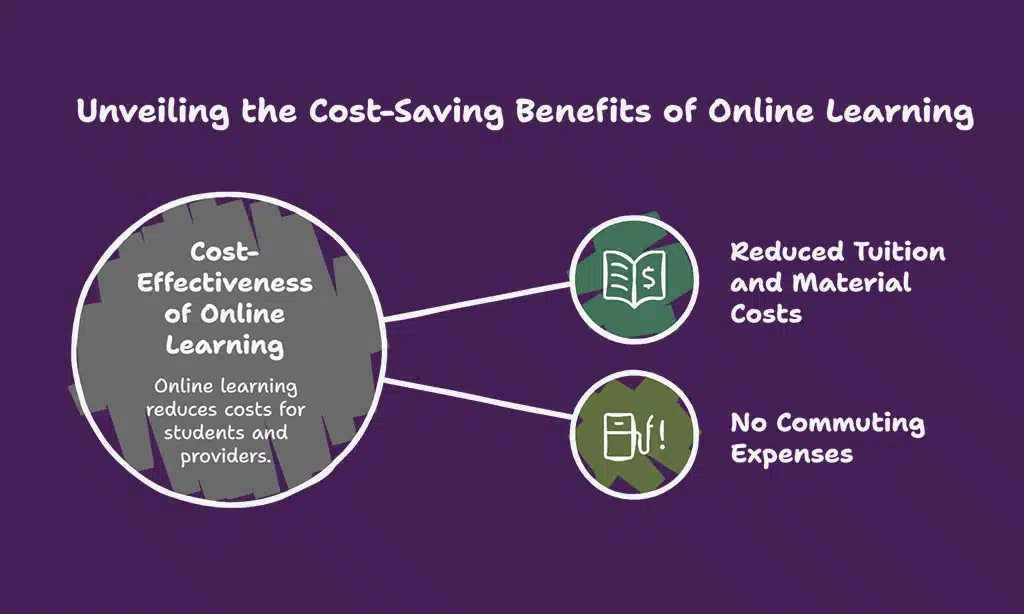
Online learning saves money on fees and supplies. It also cuts costs like travel or housing expenses.
Reduced Tuition and Material Costs
Australian online learning platforms often cost less than traditional classrooms. Tuition fees are lower, and students save on textbooks by using free digital materials. For instance, massive open online courses [MOOCs] provide access to top-tier resources without extra charges.
Virtual learning also cuts costs tied to physical campuses. No need for building maintenance or printed handouts lowers expenses for providers and students alike. Many programs offer affordable education options through Open Universities Australia [OUA], making quality learning more accessible.
No Commuting Expenses
Online learning platforms save students money on travel. Commuting costs like fuel, public transport fees, or parking charges disappear with virtual classrooms. This is especially helpful for rural and remote areas where schools or universities are far away.
Students also save time by avoiding long trips to classes. They can invest this saved time into self-paced learning or personal projects. Fewer vehicles on the road mean less traffic pollution too, supporting sustainable growth in education.
Promoting Educational Equity
Online learning platforms bridge gaps for students in remote areas. They create inclusive spaces, offering equal chances for all learners.
Bridging Gaps in Remote Education
Virtual classrooms connect students in remote areas to quality education. These platforms give rural learners access to the same lessons as urban schools, reducing the digital divide.
Government initiatives and programs like Open Universities Australia [OUA] strengthen this reach. Students in remote regions benefit from flexible learning options that traditional classrooms cannot offer.
Personalized learning tools help close gaps caused by location or limited resources. Features like interactive multimedia and AI-powered content adapt to individual needs, boosting engagement and performance.
Australian universities use these methods to create inclusive environments for diverse learners, ensuring better educational equity across all regions.
Inclusivity for Diverse Learners
Online learning platforms in Australia welcome students from all walks of life. They support diverse learners, including those with disabilities, different backgrounds, and varying abilities.
Features like AI-powered personalization help meet unique needs by adjusting content based on skill levels or interests.
These platforms also break barriers for students in remote areas or low-income families. Flexible learning options allow everyone to join virtual classrooms at their pace. This approach bridges gaps between urban and rural education while promoting fairness in accessibility to quality resources.
Takeaways
Australian online learning platforms bring flexibility and freedom to education. They help students learn at their own speed, anywhere in the country. Virtual classrooms provide tools like AI features and engaging content that support better understanding.
They cut costs for families while reducing travel time and expenses. These platforms also give remote communities proper access to quality lessons, creating fairness in education. Choosing online learning opens doors to growth, skills, and new chances for all types of learners across Australia.
FAQs on Australian Online Learning Platforms Outshine Traditional Classrooms
1. What makes Australian online learning platforms better than traditional classrooms?
Australian online learning platforms offer flexible and self-paced learning. They provide accessibility in education for students in remote areas, support personalized learning, and foster diverse virtual classrooms.
2. How do these platforms help students in remote areas?
Online learning platforms remove barriers by offering distance education to students in remote regions. They ensure access to quality education through tools like correspondence courses and digital resources.
3. Can online learning replace face-to-face interaction?
While it lacks direct socialization, online tutoring and virtual classrooms create strong learning communities. Students can still engage with peers and instructors through interactive sessions.
4. Are government initiatives supporting online education growth in Australia?
Yes, programs from organizations like the Tertiary Education Quality and Standards Agency [TEQSA] promote equity in education by improving digital literacy and bridging the digital divide.
5. Do Australian universities use these platforms effectively?
Many institutions, including Open Universities Australia [OUA], University of South Australia, UNSW, and TAFE NSW, use innovative technologies to enhance vocational training, tertiary education, and secondary schooling.