

Apple has launched a serious legal action against tech YouTuber Jon Prosser and an individual named Michael Ramacciotti, accusing them of intentionally leaking confidential information related to Apple’s next-generation mobile operating system, iOS 26, months before its official reveal. The lawsuit centers around a key feature of the upcoming iOS known as the “Liquid Glass” redesign, which Apple alleges was unlawfully accessed and shared online.
This lawsuit sheds new light on the extent to which tech influencers and internal connections can pose risks to tightly-held corporate secrets, especially in an era when leaks can spread globally within minutes.
The Timeline: From Leak to Lawsuit
In January 2025, Jon Prosser, known for his leak-based YouTube channel Front Page Tech, posted a video that he claimed was the world’s “first look” at iOS 19—the internal name for what Apple would later publicly announce as iOS 26. While he said he couldn’t share the actual footage for confidentiality reasons, he presented viewers with mock-up visuals, specifically showcasing a redesigned version of the Camera app.
At the time, many believed this was just speculation or creative concept work. But by June 2025, Apple unveiled the “Liquid Glass” UI overhaul during its Worldwide Developers Conference (WWDC), and Prosser’s mock-up turned out to be remarkably accurate. This led many to believe he had access to insider information long before the official reveal.
The situation escalated further in April, when Prosser uploaded additional videos with even more detailed previews of iOS 26, including what he called the “biggest iOS leak ever.” It was clear by then that this wasn’t just guesswork.
Apple’s Allegations: A Coordinated Leak from Within
Apple’s legal complaint, obtained and published by MacRumors, offers a more complex and alarming version of events. According to the document, Michael Ramacciotti, a friend of Apple employee Ethan Lipnik, accessed confidential materials from Lipnik’s Apple-issued development iPhone. This device reportedly contained early versions of iOS 26, including the still-unannounced Liquid Glass design.
Apple claims that while Lipnik was away from his home, Ramacciotti entered the premises and used the phone to conduct a FaceTime call with Jon Prosser, during which he showed off unreleased UI elements. Apple accuses Prosser of encouraging this access and orchestrating the leak to gain exclusive content for his YouTube channel—allowing him to capitalize on ad revenue from the viral exposure.
The legal filing labels the entire situation as a “coordinated scheme” to breach Apple’s internal security and policies.
Inside the Evidence: How Apple Built Its Case
One of the key pieces of evidence cited by Apple is an audio message that Ramacciotti sent to Lipnik, which appears to describe the incident in question. Lipnik reportedly handed this message over to Apple during the company’s internal investigation. Additionally, an anonymous email sent to Apple on April 4, 2025, further implicated Ramacciotti, Lipnik, and at least three other individuals whose identities remain redacted in the publicly available court documents.
According to Apple, this email helped confirm that the leak was not accidental or a simple misstep, but a deliberate plan involving multiple parties.
The lawsuit emphasizes that this was not just about early product hype—it involved the breach of Apple’s trade secrets and internal security protocols, which could potentially expose other upcoming features and designs that remain confidential even after the Liquid Glass announcement.
Consequences for the Apple Employee
Following the internal investigation, Ethan Lipnik was fired from Apple. The company cites his failure to uphold Apple’s strict internal policies as the reason. Lipnik was reportedly responsible for multiple prior breaches, none of which were reported to the company. These lapses ultimately led to Apple’s decision to terminate his employment.
Although Lipnik is not listed as a defendant in the current lawsuit, Apple notes that his development device likely still holds other confidential features that haven’t yet been revealed publicly. This, according to Apple, makes the risk ongoing, despite iOS 26 already being announced.
Prosser’s Defense: Denial of Any Wrongdoing
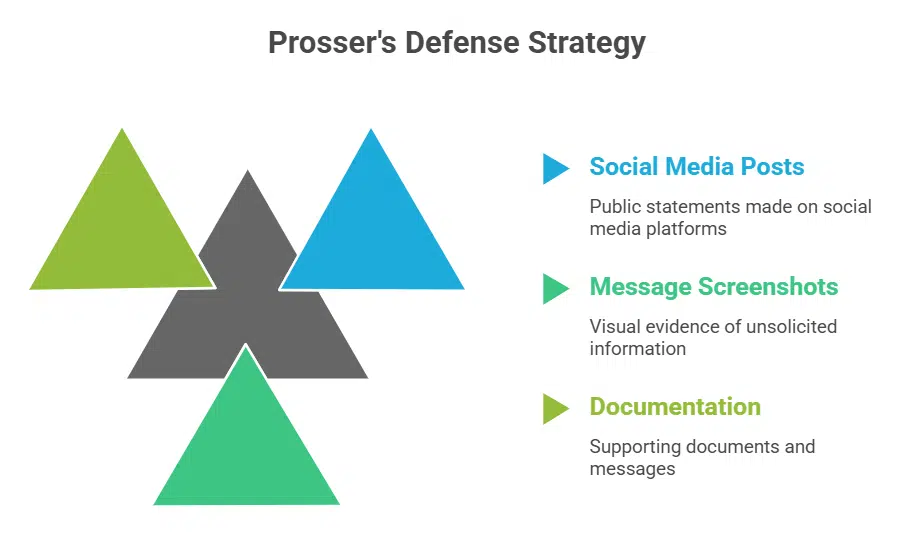
In response to the lawsuit, Jon Prosser publicly pushed back against Apple’s version of events. He posted on social media that the timeline described in Apple’s legal filing was not accurate. According to Prosser, he had no knowledge of how the information was obtained, had no access to any device or passwords, and did not encourage anyone to break into an Apple employee’s phone.
To support his claim, Prosser posted a screenshot of a message from February, which appeared to show that someone sent him the Liquid Glass details without solicitation. He stated that he had documentation and messages to support his case and expressed confidence that these “receipts” would clear his name.
Prosser emphasized that he looks forward to engaging with Apple and clarifying the situation further.
Why Apple Is Taking Legal Action Now
Apple’s decision to pursue legal action against Prosser and Ramacciotti is unusual, even in the leak-prone tech industry. While product leaks are not uncommon, Apple rarely files lawsuits unless it believes the breach is particularly severe or intentionally harmful.
In this case, Apple is seeking financial damages and a legal injunction to prevent both Prosser and Ramacciotti from disclosing any further confidential Apple information. Despite the public launch of iOS 26 and the Liquid Glass design, Apple states in its complaint that the development phone in question likely contains other unreleased and sensitive features, some of which may be critical to future products.
The company views the leak as a potential threat to its competitive advantage and user experience, and it hopes that this lawsuit will serve as a warning to others who might consider similar actions.
The Bigger Picture: Apple’s Long Battle Against Leakers
Apple has always been secretive about its upcoming products. Leaks are seen not only as violations of company policy but as threats to marketing strategies, innovation pipelines, and competitive edge. Over the years, Apple has sent cease-and-desist letters, blacklisted certain leakers, and increased internal security to prevent future breaches.
This new lawsuit marks a rare and aggressive legal response, highlighting the seriousness with which Apple treats trade secrets—especially when internal employees or devices are involved.
If successful, the case could set a precedent for how tech companies pursue legal action against leakers and influencers in the digital age.
What Happens Next?
As the case proceeds, more evidence may come to light about how the information was accessed, shared, and monetized. The outcome could have significant implications not only for Jon Prosser and Michael Ramacciotti but also for the broader tech leak culture.
At the center of it all is the question: Where is the line between journalism, content creation, and corporate espionage?
With Apple now demanding court intervention to protect its IP and secrets, this lawsuit could become a defining case in how Silicon Valley deals with leakers in the years to come.





















