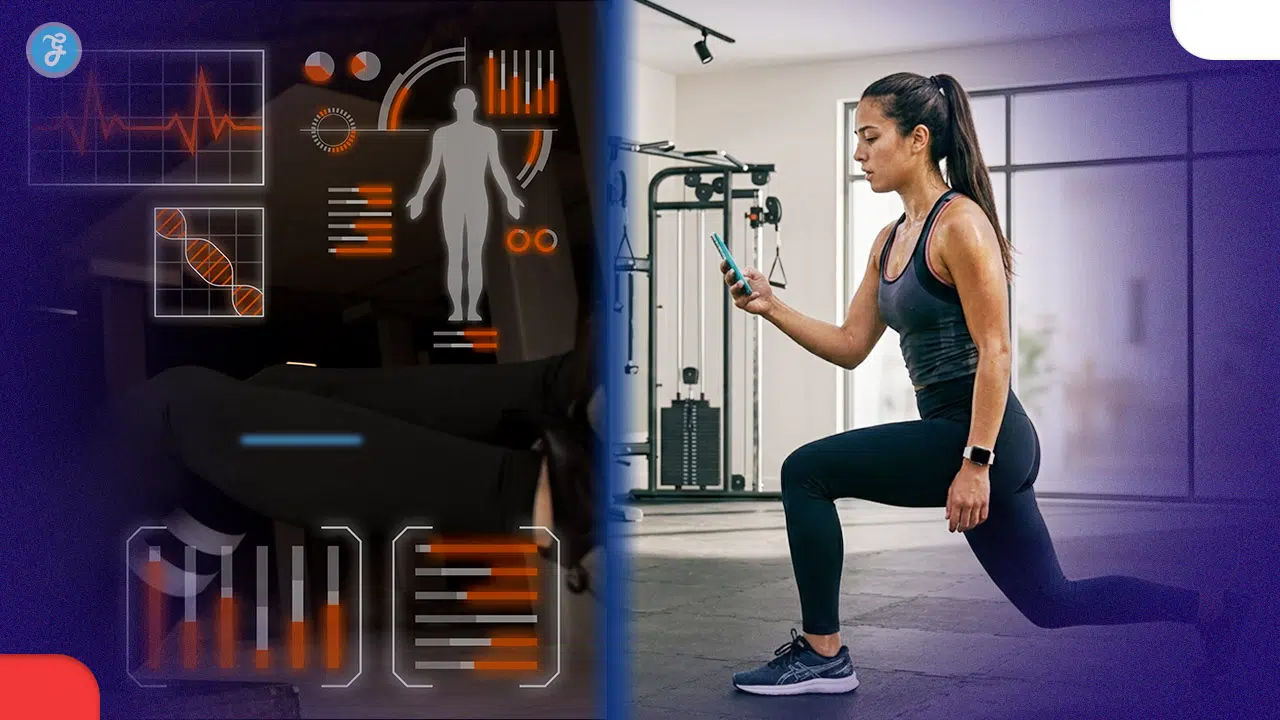
Gym culture is going through a massive shift. Hiring a human personal trainer in the United States now costs an average of $55 per hour. Live in a major city like New York or Los Angeles? You can easily expect to pay over $100 per session. This steep financial barrier leaves millions of gym members stuck with static routines. Fortunately, the most innovative AI Personal Trainer Startups US have recognized a clear gap in the market. American consumers demand highly personalized data alongside affordable coaching. You want elite results without spending hundreds of dollars every month for professional guidance.
Technology is finally solving this exact problem. Artificial intelligence now brings elite sports science straight into your living room. The digital fitness industry is booming right now. Smart developers use machine learning to track your recovery. They use it to correct your lifting form and optimize your rest periods. You no longer need to rely on rigid workout plans or generic online videos that rarely deliver real physical progress.
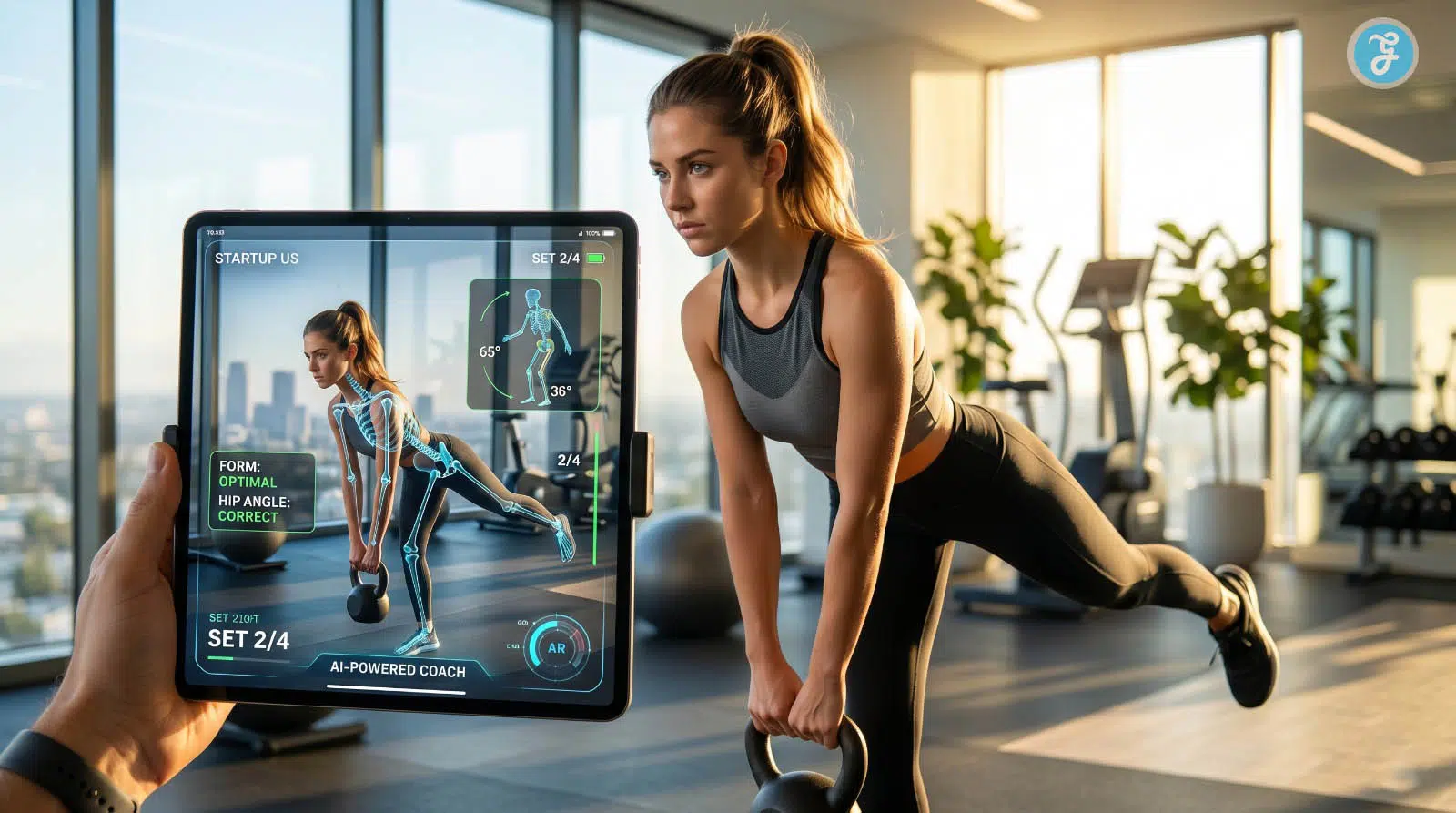
These modern platforms do much more than just count your reps. They analyze your biomechanics and daily fatigue levels instantly. They learn from your specific movement patterns over time. Say you miss a workout or struggle with a heavy set of squats. The software automatically recalculates your entire weekly schedule on the spot. The algorithm functions exactly like a seasoned fitness professional. The only difference is that it lives entirely inside your smartphone.
The days of blindly guessing your sets and reps are officially over. The leading AI Personal Trainer Startups in the US are completely replacing generic workout templates with highly adaptive personal algorithms. Let us explore the ten applications currently changing how Americans build muscle and track their health.
The Digital Shift in American Strength Training
The world of digital fitness has moved far beyond the era of the static PDF. Just a few years ago, a digital workout meant downloading a spreadsheet or watching a grainy video on a loop. These plans were rigid and ignored the reality of daily life. If you had a bad night of sleep or missed a session, the plan became useless.
From Static PDFs to Dynamic Intelligence
The old model forced users to do all the heavy lifting when it came to planning and tracking. We are now seeing a total shift toward dynamic machine learning platforms. These systems do not just present a list of exercises. They actively process data to change your routine in real time. This ensures that every rep counts toward your specific goal.
The Power of Computer Vision and Biometrics
This leap forward is driven by technology that actually sees and feels your progress. Computer vision allows your smartphone camera to act as a set of digital eyes. It tracks your joints and tells you if your back is rounding during a deadlift. Biometric scanning uses data from your smartwatch to check your heart rate and recovery. This level of precision was once reserved for pro athletes.
Why Americans are Trading Trainers for Algorithms
American consumers are flocking to these automated solutions for several reasons. Convenience is the obvious winner.
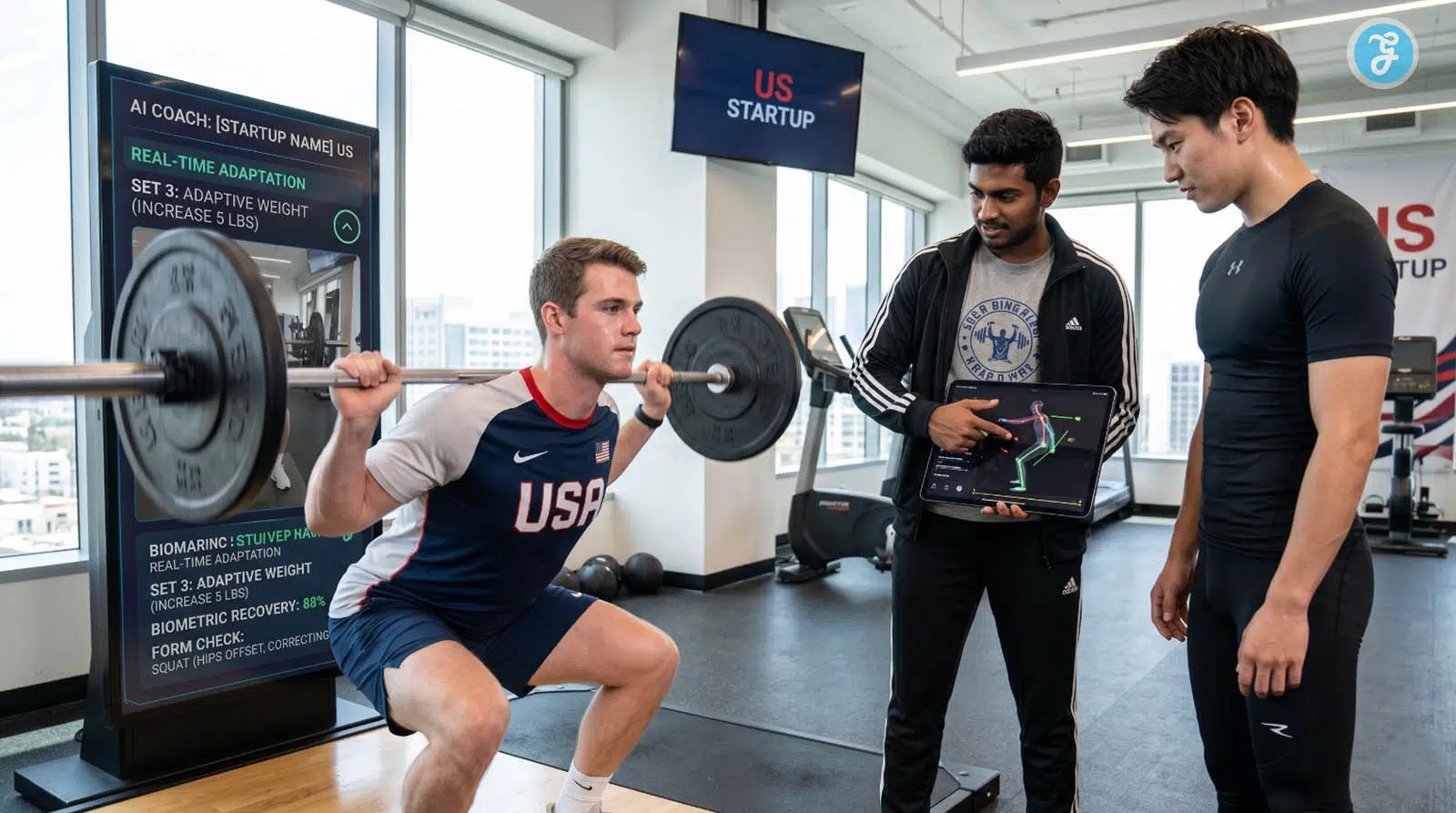
You can get a world-class workout in a garage or a crowded commercial gym without waiting for a human coach. Many people also feel intimidated by the watchful eye of a trainer. AI offers a judgment-free zone where you can fail and learn at your own pace.
Science-Backed Consistency
The logic behind these apps is grounded in proven sports science. They use progressive overload and periodization to ensure you keep getting stronger. By removing the guesswork, these platforms help you stay consistent. You no longer have to wonder if you are lifting enough or resting too much. The technology handles the math so you can focus on the movement.
10 Leading AI Personal Trainer Startups US
The American fitness market is currently flooded with digital solutions. However, a select group of startups has risen to the top by offering more than just exercise libraries.
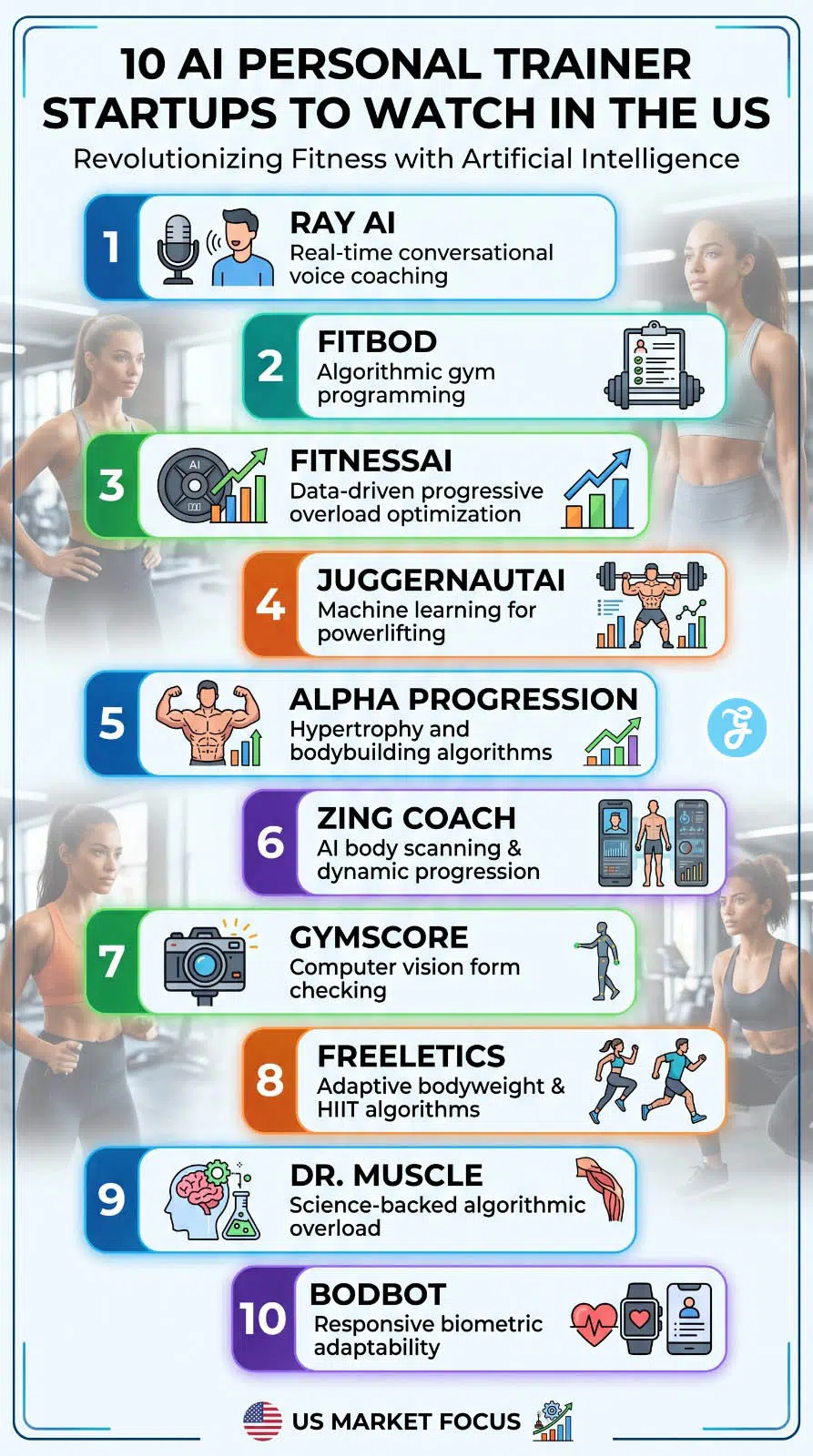
These companies use sophisticated machine learning to provide the kind of nuanced coaching that was once the exclusive domain of professional athletes. Here is a look at the ten most influential players in the space today.
1. Ray AI: Real-Time Conversational Voice Coaching
Ray AI is changing how people interact with their phones during a workout. Most apps require you to constantly tap a screen to log sets or check your next move. Ray eliminates this friction by using high-level voice recognition and computer vision. The app acts as a virtual spotter that can actually see you. It counts your reps automatically and provides verbal encouragement right when you start to struggle.
Best For: Users who need auditory motivation and immediate, eyes-free feedback.
Core Technology: A combination of conversational artificial intelligence and motion tracking that adjusts the intensity of the workout based on your real-time speed and form.
Market Impact: It is a major leap for hands-free guidance, allowing lifters to stay focused on the weight rather than the screen.
Limitations: You must wear earbuds for the best experience, and a stable internet connection is needed to process the voice data without lag.
2. Fitbod: Algorithmic Gym Programming and Recovery Tracking
Fitbod has become a staple in the US gym scene because it understands that every day is different. The app does not follow a fixed calendar. Instead, it uses a fatigue scoring system to see which muscles are recovered and which are still sore from your last session. It also factors in your available equipment, whether you are in a massive commercial gym or a small hotel fitness center.
Best For: General gym-goers who want a fresh, safe, and varied routine every time they walk through the doors.
Core Technology: A recovery algorithm that analyzes over 2.6 billion logged sets to determine the perfect balance of volume and intensity.
Market Impact: It has set the standard for equipment flexibility in the digital programming world.
Limitations: Advanced bodybuilders might find the exercise rotations a bit too frequent, as they often prefer sticking to the same lifts for several weeks to master them.
3. FitnessAI: Data-Driven Progressive Overload Optimization
FitnessAI focuses on the single most important factor in muscle growth: progressive overload. The app uses a massive dataset from millions of workouts to predict exactly how much weight you should lift. It removes the ego from training by telling you when to add five pounds and when to stay put. The interface is clean and built for people who love seeing their progress in clear, mathematical charts.
Best For: Lifters who want pure precision and want to stop guessing their sets and reps.
Core Technology: Deep learning algorithms that optimize your “working weight” based on your historical performance and current strength levels.
Market Impact: It has made the complex science of strength periodization accessible to the average person.
Limitations: The platform is heavily skewed toward weightlifting. If you are looking for a mix of yoga or running, this is not the tool for you.
4. JuggernautAI: Machine Learning for Powerlifting and Strength
Powerlifting is a sport of inches and pounds, and JuggernautAI treats it that way. Developed by world-class coaches, the app replicates an elite training experience.
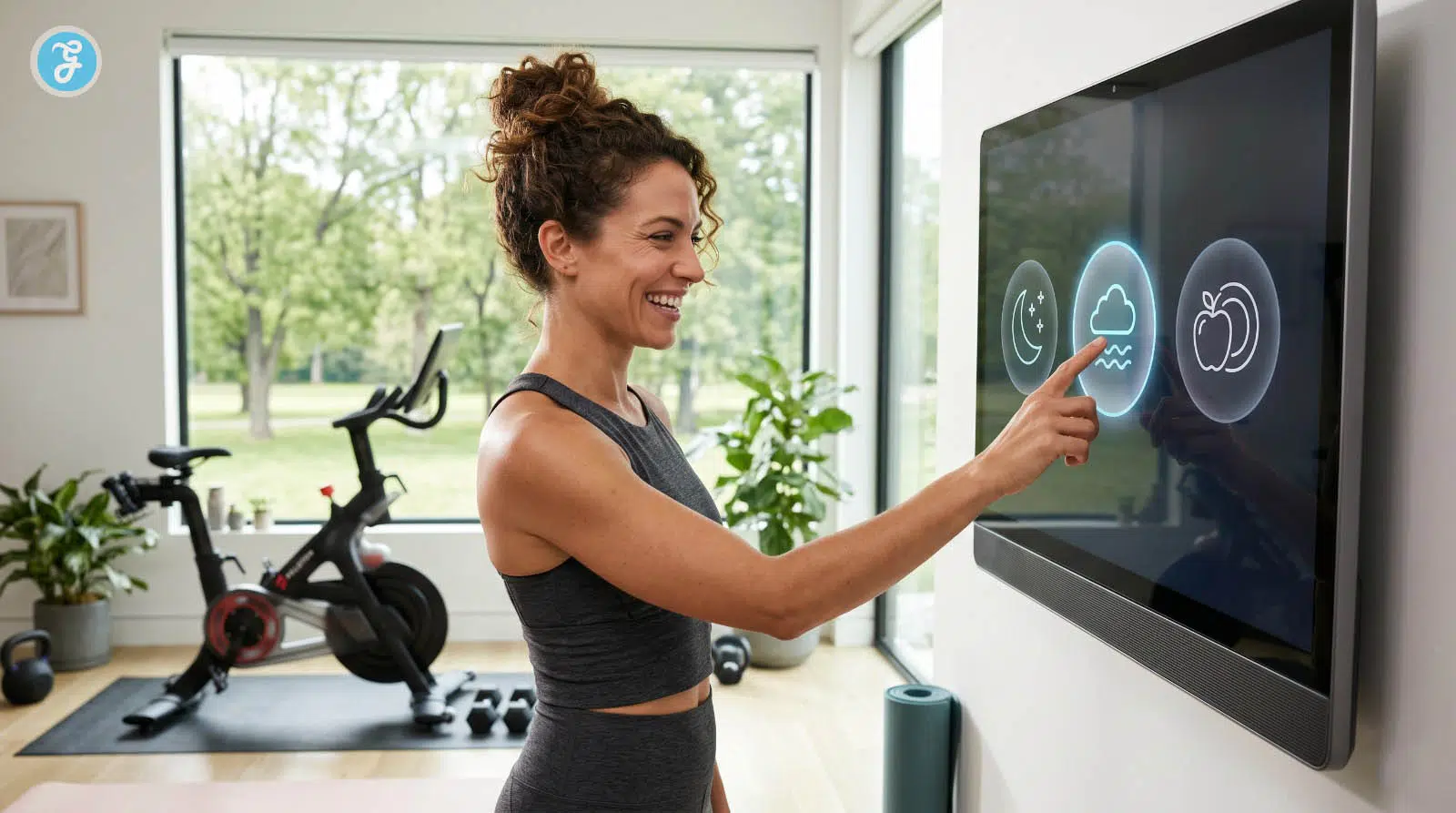
It uses a Readiness Rating System that asks you about your sleep, stress, and nutrition before every session. If you are having a rough day, the AI will automatically scale back your weights to prevent injury.
Best For: Serious strength athletes and powerlifters who are preparing for a competition.
Core Technology: Advanced periodization logic that builds structured multi-week cycles designed to peak your strength on a specific date.
Market Impact: It offers elite-level coaching at roughly 10% of the cost of a private human coach.
Limitations: The workouts are often very long and incredibly intense. It is not designed for someone just looking for a quick, casual sweat.
5. Alpha Progression: Hypertrophy and Bodybuilding Algorithms
For those focused purely on building muscle size, Alpha Progression is the clear winner. The algorithm is built around hypertrophy research, specifically focusing on rest intervals and rep ranges that maximize muscle fiber recruitment. It even evaluates the “muscle-building potential” of different exercises so you can choose the most effective movements for your specific goals.
Best For: Bodybuilders and aesthetic-focused lifters who want to optimize their physique.
Core Technology: Hypertrophy-specific algorithms that track your “Reps in Reserve” to ensure you are training close enough to failure.
Market Impact: It has replaced traditional bodybuilding “bro splits” with evidence-based programming.
Limitations: It lacks features for functional fitness or cardiovascular health, staying strictly in the world of iron and muscle.
6. Zing Coach: AI Body Scanning and Dynamic Progression
Zing Coach takes a holistic look at the user. It starts by using your phone camera to perform a body composition scan. Beyond just physical data, the app checks your psychological readiness. It understands that if you are mentally burnt out from work, a grueling leg day might do more harm than good. It adapts your “Zing Skill Level” daily to keep you moving without breaking you.
Best For: Beginners who want a coach that understands the link between mental stress and physical performance.
Core Technology: Computer vision for body scanning paired with daily behavioral checks to assess your energy levels.
Market Impact: It is a leader in humanizing AI by acknowledging that users are not robots.
Limitations: The system relies on you being honest about your energy and stress. If you under-report your fatigue, the AI cannot help you.
7. Gymscore: Computer Vision for Real-Time Form Checking
Gymscore is essentially a clinical biomechanics lab in your pocket. By using your phone camera, the AI maps out your joints and skeletal alignment. It can tell you if your knees are caving in during a squat or if your bar path is uneven. This immediate feedback is a massive safety feature for anyone lifting at home without a partner.
Best For: Home fitness enthusiasts and anyone worried about their technical execution.
Core Technology: Smartphone camera integration that tracks skeletal points and compares your movement to “perfect” technique models.
Market Impact: It has brought professional-grade form analysis to the mass market.
Limitations: You need a well-lit space and enough room to prop up your phone at a specific angle for the AI to see you clearly.
8. Freeletics: Adaptive Bodyweight and HIIT Algorithms
Freeletics is the go-to app for the “no gym, no problem” crowd. Its AI Coach creates high-intensity interval training (HIIT) sessions that evolve based on your feedback. If you tell the app a workout was “too easy,” the next session will be noticeably harder. It features “Training Journeys” that keep you locked into a specific goal for six to twelve weeks.
Best For: Travelers, busy professionals, and people who prefer bodyweight training over heavy weights.
Core Technology: Rapid adaptation algorithms that modify the volume and rest periods of your circuit training in real time.
Market Impact: It remains the dominant force in the equipment-free digital fitness space.
Limitations: While it is great for fat loss and conditioning, it is not the best tool for building maximum absolute strength.
9. Dr. Muscle: Science-Backed Algorithmic Progressive Overload
Dr. Muscle is the most “academic” app on this list. Every programming decision is backed by peer-reviewed sports science. It uses techniques like rest-pause sets and daily undulating periodization to keep users progressing. The AI acts like a scientist, constantly running the numbers on your performance to ensure you never hit a plateau.
Best For: Evidence based lifters who want to know the “why” behind every set they perform.
Core Technology: An engine built on the latest exercise physiology literature to automate high-level strength coaching.
Market Impact: It has democratized university-level coaching for the general public.
Limitations: The user interface is very technical. If you want a “pretty” app with lots of lifestyle features, this might feel too dry.
10. BodBot: Highly Responsive Biometric Adaptability
BodBot is the master of the “pivot.” If you wake up with a sore shoulder, you can tell the app, and it will instantly reroute your entire workout to avoid aggravating the area. It looks at your sleep, your daily steps, and even your nutrition to decide how much stress your body can handle. It is incredibly flexible and highly personalized.
Best For: Users with old injuries or unpredictable schedules who need their workout to adapt to them.
Core Technology: Extreme flexibility algorithms that integrate with your wearables to assess your total body readiness.
Market Impact: It has redefined what it means for a digital plan to be “responsive.”
Limitations: Because it asks for so much data, it can take a few minutes of input before you can actually start your workout.
Making AI Work for Your Daily Routine
Bringing an artificial intelligence coach into your life is about more than just downloading an app. It requires a shift in how you view your daily movement and data. These tools are only as effective as the information you provide. To see real progress, you must treat the software as a collaborative partner in your health journey.
Choosing the Right Platform for Your Goals
Start by being honest about what you actually want to achieve. If you want to move heavy weight and compete in powerlifting, a general HIIT app will not help. Look for a platform that matches your specific athletic lane. A bodybuilder needs an algorithm focused on hypertrophy and rest intervals. A frequent traveler needs an app that can build a workout around a pair of dumbbells or a hotel chair. Selecting a tool that fits your current lifestyle ensures you will actually use it.
The Power of Consistent Data Entry
An algorithmic coach lives and breathes on your data. If you skip logging your weights or hide the fact that you missed a set, the AI cannot help you. Consistency is the secret sauce here. You need to feed the system accurate information about your lifts, your sleep, and your soreness levels. The more precise you are, the better the machine learning can predict your next peak. It is a simple loop where better data leads to better results.
Balancing Digital Cues with Physical Intuition
Technology is powerful, but it should not completely replace your own body awareness. There will be days when the app tells you to push hard, but your joints feel stiff or your energy is low. Learning to listen to your physical intuition is a skill. Use the digital feedback as a guide, not a rigid rulebook. If the AI suggests a heavy squat but you feel a sharp pain, stop. The best results happen when you combine the mathematical precision of the app with your own lived experience.
Avoiding the Overtraining Trap
It is easy to get addicted to the data and push too hard. Most top tier apps now include recovery scores to prevent this. Pay close attention to these metrics. If your coach suggests a “deload” or a rest day, take it. These breaks are when your muscle tissue actually repairs and grows. Trusting the recovery algorithm is just as important as trusting the workout itself. By respecting your body’s limits, you stay in the game for the long haul.
Expert Insights: Fast Facts on US Fitness Tech
Before we look at the future, it is helpful to understand the sheer scale of the technology currently powering your workouts. These startups are no longer experimental projects; they are data giants.
- Fitbod Data Depth: The algorithm has analyzed over 2.8 billion lifting sets, with users logging a staggering 260 billion pounds lifted in 2025 alone—a 30% increase.
- Gymscore Accuracy: The system’s computer vision supports form checking for more than 2,500 distinct exercises and tracks joint angles with a verified 98% accuracy rate.
- Freeletics Reach: Over 59 million users globally now use this AI, and the intelligent coach has been trained on more than 450 million completed workout sessions.
- JuggernautAI Pedigree: It was built by Chad Wesley Smith, a top-10 all-time strength athlete.
- Zing Coach Roots: This platform was developed by Palta, the studio behind the successful health app Flo.
- Progressive Edge: Users following AI weight suggestions log 24% more personal records than others.
- Cost Efficiency: Premium AI trainers cost roughly 95% less than the average US human trainer.
The Next Horizon for American Health Tech
The next five years will see the global digital fitness market grow into a 120 billion dollar industry, with the United States leading the charge. We are moving toward a world where your gym equipment, your watch, and your nutrition apps speak a single language. This interconnectedness will make health tracking feel like a natural part of your day rather than a chore.
Integration with Smart Home Gyms and Wearables
We are already seeing AI move beyond the phone screen and into the very hardware of our homes. Future smart home gyms will feature sensors that adjust resistance based on your real-time muscle fatigue.
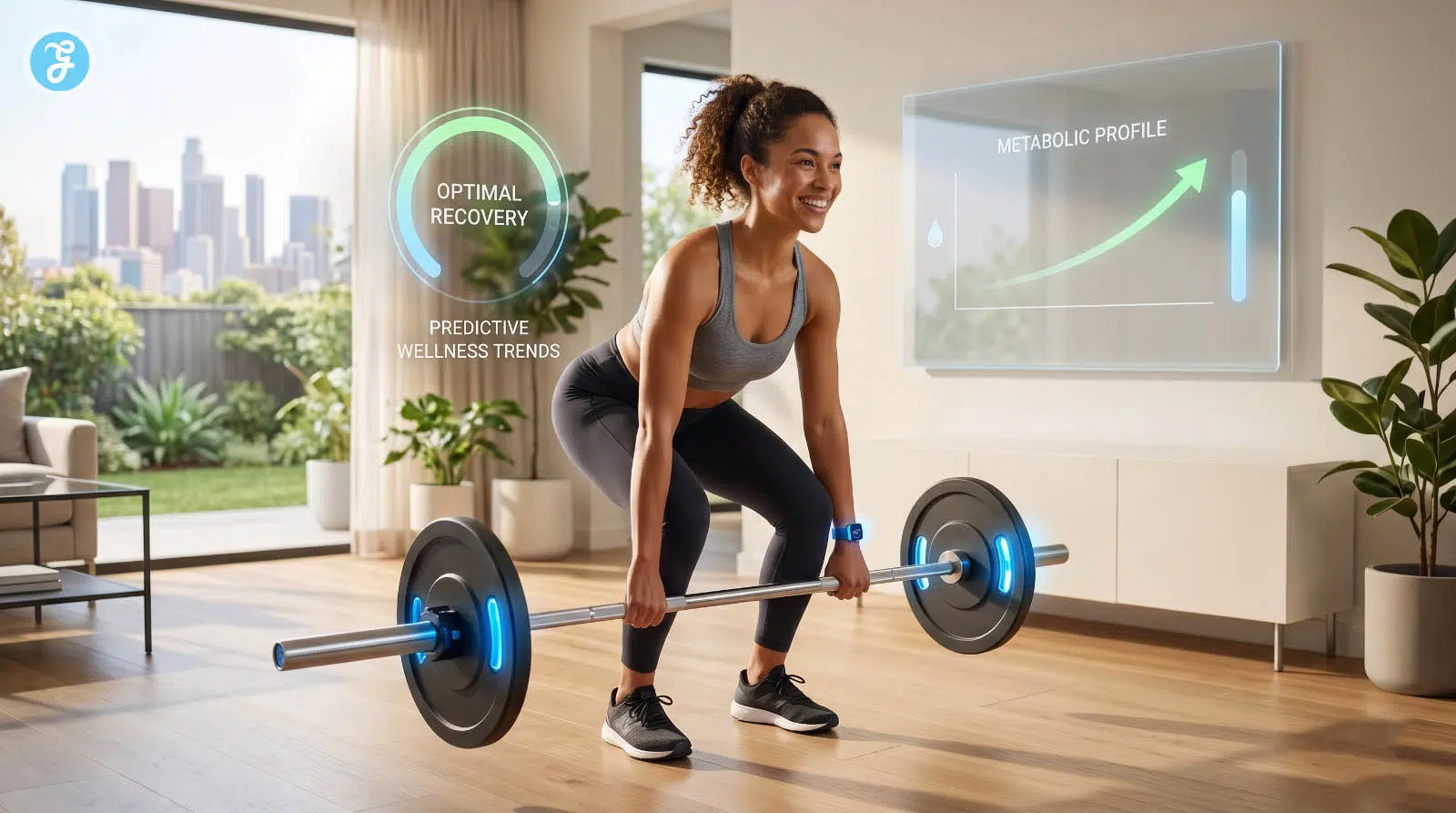
Your wearable devices will do more than just track steps. They will monitor your hydration levels and metabolic health through the skin. This data will feed directly into your training algorithm to create a truly responsive environment.
The Future of the US AI Coaching Ecosystem
The ecosystem for AI Personal Trainer Startups in the US is shifting toward a hybrid model of wellness. We can expect to see apps that do not just plan your lifts but also manage your stress and sleep cycles. These platforms will act as proactive health guardians that can predict when you are about to get sick or injured. By the end of the decade, the line between a digital coach and a medical health monitor will be almost invisible.
Personalization at Every Level
The ultimate goal of this technology is to provide every American with a personalized health strategy. As machine learning becomes more refined, these apps will understand your unique genetic and environmental factors. This means your workout will be as unique as your thumbprint. The era of the “average” workout is coming to an end. We are entering a time where elite, data-driven wellness is the standard for everyone.
Frequently Asked Questions (FAQs) on AI Personal Trainer Startups US
The rise of automated coaching has sparked plenty of curiosity among American gym-goers. Transitioning from a human trainer to a digital algorithm is a big step. Here are the most common questions people ask when exploring this new frontier of fitness technology.
What exactly are AI Personal Trainer Startups in the US?
These are technology companies that use machine learning to build highly personalized workout programs. Unlike basic apps that offer static videos, these platforms analyze your performance and recovery data in real time. They adjust your weights, reps, and rest periods based on how you actually move. The goal is to provide elite sports science through a smartphone at a fraction of the cost of a traditional coach.
Can an algorithm truly replace human empathy and motivation?
While an algorithm cannot offer a physical high-five, it uses behavioral science to keep you engaged. Many apps now use conversational AI and voice coaching to mimic a human presence. They track your “streaks” and send personalized nudges when they detect your motivation is dipping. Research shows that data-driven accountability, seeing clear evidence of your progress, is often more effective for long-term consistency than a once-a-week session with a human.
Are these advanced platforms safe for beginners learning complex movements?
Safety is a top priority for these startups. Many now use computer vision to act as digital eyes. By using your phone camera, the AI can detect if your knees are caving or your back is rounding. It provides instant corrective cues to prevent injury. However, if you have a history of chronic pain or complex medical issues, it is always wise to consult a physical therapist before starting a high-intensity digital program.
On average, a premium AI fitness subscription in the US costs between $10 and $30 per month. This is significantly lower than the $400 to $1,800 monthly bill for a human trainer. Some hybrid platforms that include occasional text check-ins with a real human can cost up to $200, but the purely algorithmic options remain the most affordable.
Will these apps work if I don’t have a gym membership?
Yes. Most leading platforms allow you to toggle your equipment settings. You can tell the AI that you only have a pair of dumbbells or even no equipment at all. The algorithm then pulls from a library of bodyweight movements and household-friendly exercises to ensure you still get a challenging workout.
How do these apps handle data privacy and health records?
Legitimate fitness startups follow strict data protection protocols. They often segregate your personal identifiers from your biometric health data. Many are also moving toward HIPAA-compliant designs to ensure your heart rate, weight, and movement patterns are encrypted and never shared with third parties. Always check the privacy policy of an app before syncing your wearable devices.
Editor’s Note: This article is for educational purposes and not medical advice. Consult a doctor before starting any new exercise program. AI guidance does not replace professional clinical judgment. Always prioritize your physical safety.