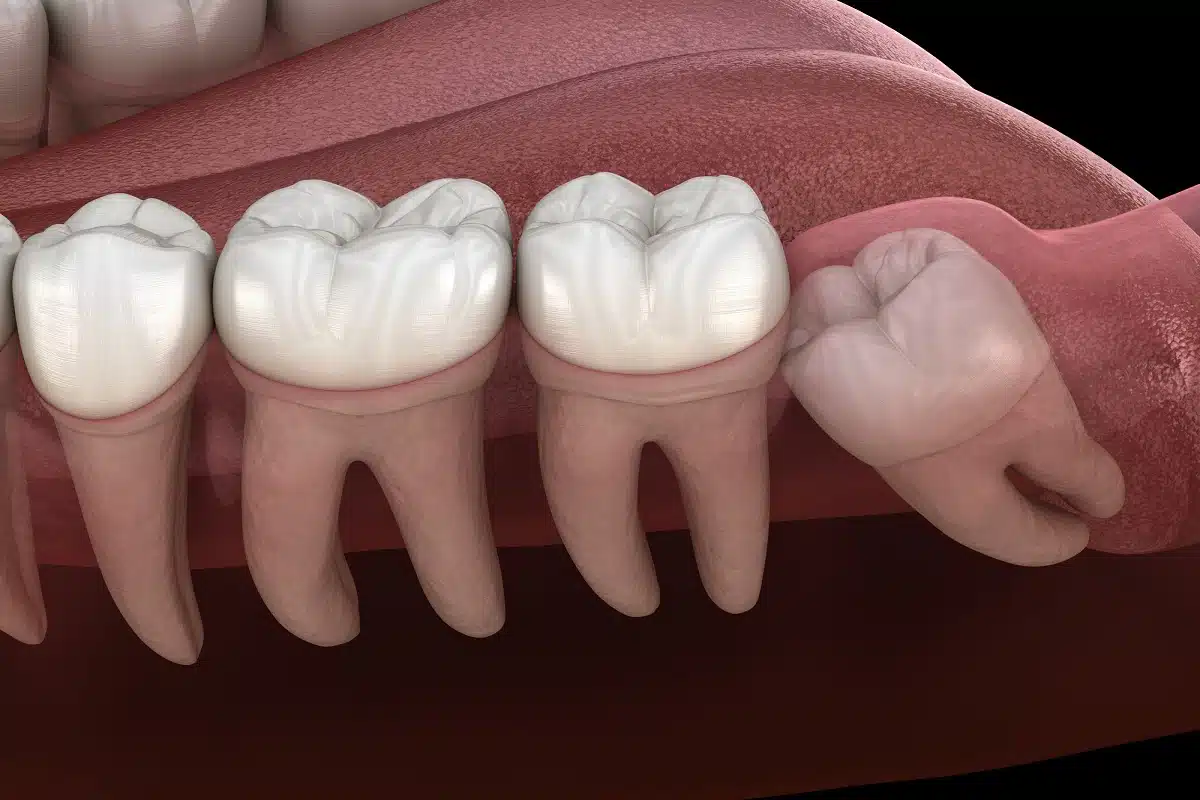
What are wisdom teeth? Believe it or not, every human has 28 teeth, not the classic 30 that most of us believe. The two lost teeth, which are your third molars (wisdom teeth), are semi-deciduous.
In many cases, people often miss not having their wisdom teeth. This is why they get blocked and pushed upwards. When this happens, the sockets get infected and the third molars usually need to be immediately removed.
To learn more about wisdom teeth removal, keep reading!
1. What Is Wisdom Teeth Removal?
Wisdom teeth removal, also known as third molar removal. It’s a dental procedure used to remove the four extra, large permanent back teeth found in some people’s mouths.
It’s located in the back and sides of the mouth and are the last teeth to erupt. They’re called wisdom teeth because they usually appear during the teenage or early adult years. A period when people gain more knowledge.
While some people can keep their wisdom teeth and not experience any issues. Most people who get their wisdom teeth removed experience discomfort, pain, or overcrowding in their mouths.
When this happens, wisdom teeth removal can be an effective solution to these problems. The procedure is typically done in a dentist’s office and involves cutting the gum tissue to access the impacted tooth and extracting the tooth or teeth in question.
After the procedure, pain medication, antibiotics, and ointments are prescribed to help aid in the recovery process.
2. Risks Associated With Wisdom Teeth Removal
Wisdom teeth removal is a common dental procedure intended to alleviate pain and discomfort caused by impacted or overcrowded teeth.
Despite its frequent use, wisdom teeth removal also carries potential risks for patients. The most common risks include temporary numbness of the lower lip, swelling and bruising of the gums, and prolonged or serious bleeding at the extraction site.
In some cases, the removal of wisdom teeth can also lead to the risk of infection, dry socket, sinus complications, nerve damage, or jaw fractures.
In rare instances, other associated risks such as stroke, heart attack, cardiac arrhythmias, and brief seizures during the procedure may also occur.
Patients should talk to their dentist about any risks associated with removing their wisdom teeth in order to make an informed decision.
3. Preparation Before Wisdom Teeth Removal
If you are considering wisdom tooth removal, it is important to prepare yourself to ensure a successful and safe procedure. It is important to discuss the procedure with your dentist and ask any questions you may have.
You may need to get an x-ray and a full medical history taken before you can proceed. The dentist will also inquire about any allergies and current medications you are taking and may advise you to stop taking some medications prior to the procedure.
You should also ensure you have a driver to pick you up and perhaps someone to stay with you the night after the procedure. It is important to follow the pre-op instructions given to you by your dentist. This includes refraining from eating or drinking after midnight on the day of the procedure.
Also, make sure you talk to your dentist about potential risk factors and prepare accordingly.
4. Post-Operative Care After Wisdom Teeth Removal
Postoperative care following wisdom teeth removal is paramount to a successful recovery and should be followed in order to prevent any infections or complications.
Initially, a cold compress should be applied to the affected side to help reduce swelling and discomfort. It’s advised to take any medication prescribed to you and to avoid touching the affected area with any objects such as fingers or tongue.
In order to allow the area to heal properly and thoroughly, patients must eat only soft foods and beverages and drink plenty of fluids. Smoking and drinking through straws can cause irritation in the wound area so it should be avoided.
More importantly, good oral hygiene is a must! It is to prevent infection. This means brushing and flossing as normal, avoiding the treated area as much as possible, and refraining from rinsing for 24 hours.
As long as all postoperative instructions are followed, recovery should be successful and no further complications should arise.
5. Alternatives to Wisdom Teeth Removal
Alternatives to wisdom teeth removal are becoming increasingly requested as people want to avoid the potential risks, trauma, and recovery times of oral surgery.
The main alternative is to just do nothing, which works if the symptoms of the wisdom teeth being impacted and causing damage can be managed conservatively and monitored on a regular basis.
If intervention is needed, then this can include flattening raised gum tissue, reshaping the bone around the impacted teeth, or simple extraction of some bone around the teeth if the patient has space constraints.
Other alternatives include filing down the teeth and providing the patient with a custom-fitting mouth guard or splint to minimize the teeth’s movement.
However, this generally works better when the teeth are not impacted but have grown at the wrong angle.
Risks should still be discussed with the dentist and any alternative chosen should be monitored to make sure that it is still working for the patient and that their teeth are healthy.
Interested in removing your wisdom tooth? Search for “oral surgeon in my area” on Google right now!
Learn More About Wisdom Teeth Removal Right Now
Wisdom teeth removal doesn’t have to be a scary process. Taking the time to research and learn about the procedure and its associated risks can help you make an informed decision.
If you think you may need wisdom teeth removal, contact a qualified dental specialist for more information.
Did you find this article helpful? Visit more of our blogs!