The term “metal 3D printer” covers a massive spectrum of technologies today. For many people, it brings to mind a desktop machine printing small jewelry components or highly intricate brackets inside a sealed chamber. However, heavy manufacturing requires an entirely different approach. When producing a two-tonne ship propeller or a massive chemical pressure vessel, industrial metal 3D printers are required.
These represent a distinct machine class where the defining factors are sheer size, heavy payload capacity, and high deposition rates. Understanding these differences dictates whether investing in additive manufacturing will actually pay off for a heavy industrial business. The leading technology driving this large-scale production is Wire Arc Additive Manufacturing (WAAM), a process that effectively transforms advanced robotic welding into a large-format metal 3D printer.
What “Industrial” Means in Metal 3D Printing
When moving from laboratory prototyping to true heavy manufacturing, the criteria for equipment shift dramatically. The first major difference is part size and weight. While conventional systems measure build envelopes in millimeters, an industrial metal 3D printer can be measured more in meters. The payloads these systems handle range from hundreds of kilograms to tens of tonnes, completely unrestricted by the confines of a sealed printing chamber.
Throughput is the next dividing line. Standard systems measure output in grams per hour, but industrial systems measure deposition rates in kilograms per hour. Standard heavy-duty systems routinely deliver between two and eight kilograms of deposited metal per hour.
Furthermore, industrial systems rely on different feedstock. Instead of utilizing highly expensive and difficult to handle metal powders, these large systems use standard welding wire. This allows manufacturers to print with common, certified industrial alloys like carbon steel, stainless steel, duplex, aluminum, bronze, and nickel alloys. Finally, true industrial machines are built for production readiness, meaning they are capable of 24/7 continuous operation with comprehensive process logging to support component certification.
Wire Arc Additive Manufacturing in One Paragraph
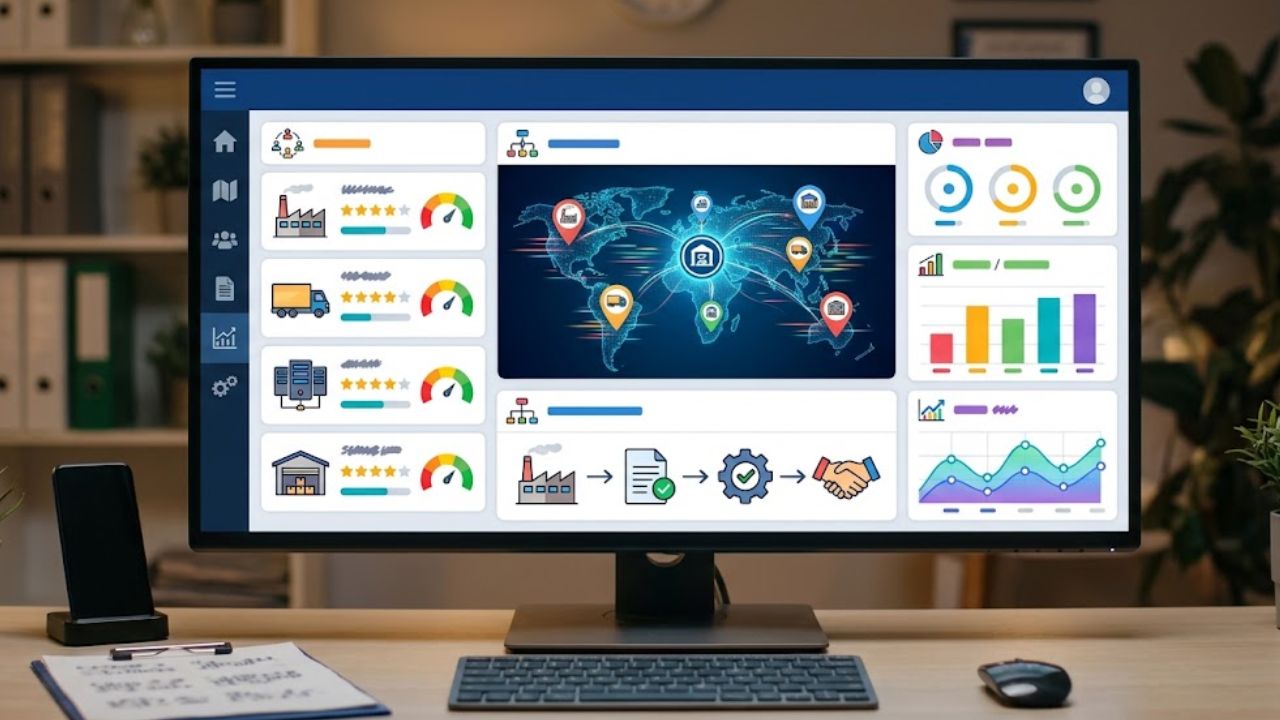
At its core, Wire Arc Additive Manufacturing utilizes an industrial robotic arm equipped with a welding torch to deposit standard metal wire layer by layer. Guided by specialized software, the robot follows a precise digital path to build a near-net-shape part, which is then CNC machined down to its final exact tolerance, if this is required for the end use of said part. Because there are no molds to cast, no custom tooling to machine, and no physical build chamber limiting the part size, WAAM has become the premier industrial route for manufacturing exceptionally large metal components. The intelligence of this process lies in software platforms like MX3D’s MetalXL. This software acts as the brain of the operation by planning the robotic toolpath, monitoring the printing process live, and automatically logging data for every single layer to ensure quality control.
Where WAAM Beats Powder-Bed Systems, and Where It Does Not
Comparing WAAM to traditional powder-bed fusion systems is not about declaring one technology superior, but rather understanding their ideal use cases. WAAM wins decisively when parts are large and bulky. Because of the high deposition rate and the significantly lower material cost per kilogram of welding wire compared to refined metal powder, WAAM is the most cost-effective way to replace massive forgings and castings. It also offers excellent alloy availability and is uniquely suited for repairing or adding features to existing large metal parts.
Conversely, WAAM is a weaker fit for small, highly intricate parts requiring complex internal channels or extremely fine surface detail right off the print bed. For micro-scale precision, powder-bed systems remain the better tool.
In the real world, WAAM excels in the maritime, energy, and heavy manufacturing sectors. Practical examples include massive bronze propellers, heavy aluminum bulb keels for yachts, custom aluminum cowl vents, and large-scale stainless steel pressure vessels. In these industries, the ability to rapidly produce massive, dense parts on demand reduces the multi-month lead times historically associated with heavy foundries.
What to Look for When Choosing an Industrial Metal 3D Printer
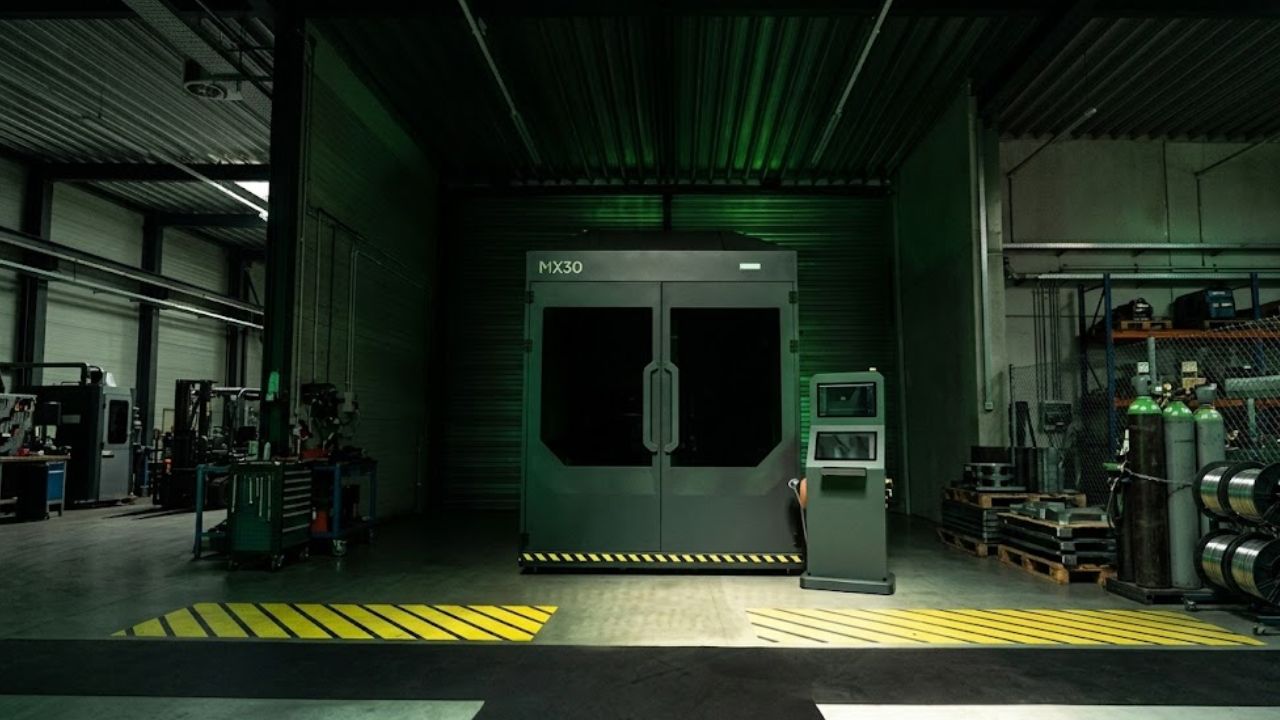
For procurement teams evaluating a large format metal 3d printer, the primary considerations are the build envelope, payload capacity, and software integration. Companies like MX3D offer distinct system classes to match these needs. A turnkey system like the M1 provides a massive build envelope of 2,200 by 1,400 by 1,700 millimeters, an 8-axis robotic setup, and the ability to handle parts weighing up to 750 kilograms. For extreme manufacturing demands, a custom heavy-duty industrial metal 3D printer like the MX series scales the build envelope beyond 2,000 millimeters and supports payloads ranging from 1,000 to 20,000 kilograms for continuous 24/7 production.
Hardware is only half of the equation. Software and data tracking are what ultimately make a printed part certifiable for industrial use. Buyers must ensure the system features integrated toolpath planning, live monitoring, and per-layer data logging. Finally, buyers should evaluate material flexibility and whether the system supports standard qualified industrial alloys. A reliable system must process a wide range of commercially available wire to be a viable alternative to casting.
Final Thoughts
Ultimately, an industrial metal 3D printer is judged by its scale, its throughput, its material flexibility, and its rigorous process control. Wire Arc Additive Manufacturing is the specific technology engineered to meet these massive industrial requirements. By replacing expensive powders with standard wire and eliminating the constraints of a build chamber, manufacturers can finally bring large metal component production in-house. Readers evaluating a large-scale additive manufacturing system can explore the exact specifications and compare the M1 and MX systems directly on the MX3D website to see which setup best fits their production floor.