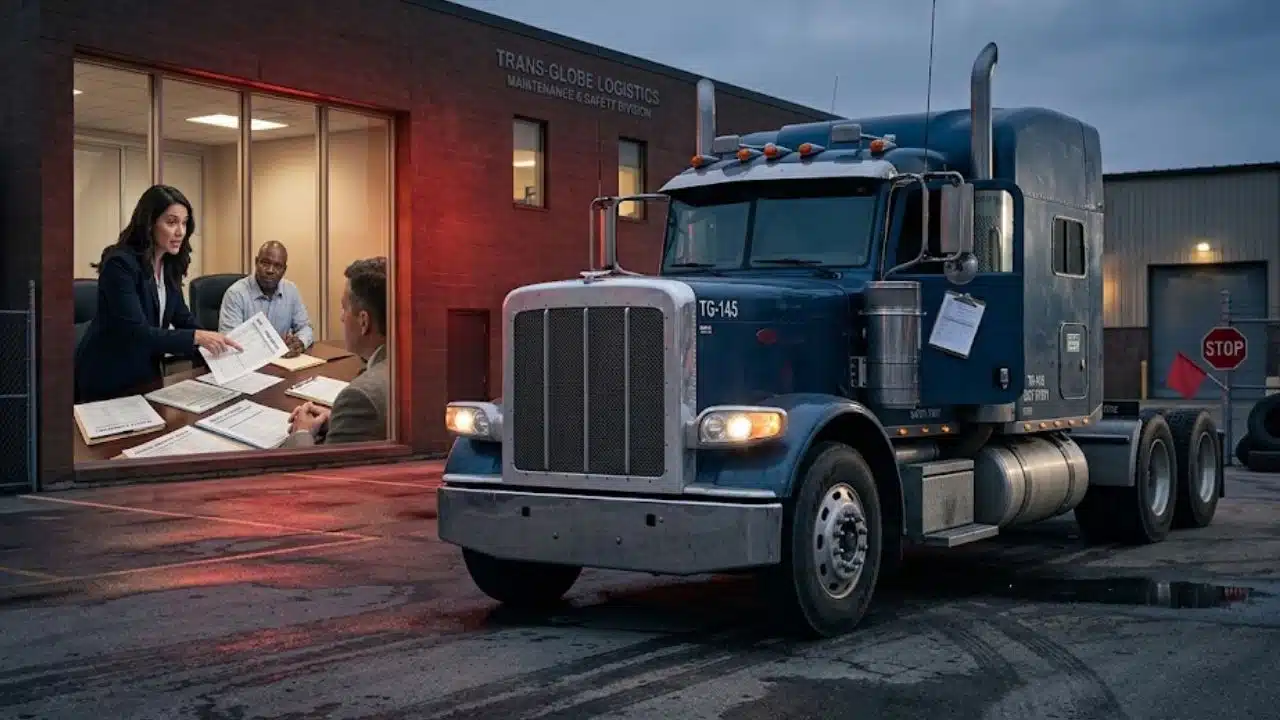
Trucking companies must hire safe, qualified drivers to protect everyone on the busy road. When a trucking company hires a reckless driver, that choice often causes crashes that families should never have to face. When a company skips proper vetting steps, it may eventually face significant legal exposure. When D. Miller & Associates takes on a case, they dig deeper than most firms bother to. Investigators pore over hiring files and training records, then track down every past safety violation they can find. Uncovering a negligent hiring decision often strengthens an injured victim’s own entire legal case.
Verifying Driver Qualifications
Federal law always requires trucking companies to carefully verify every driver’s qualifications before hiring. An investigator might first pull a driver’s history, then check for past accidents. A license suspension on record can end up mattering just as much. Missing these steps can expose a company to negligent hiring accident liability claims. A rushed hiring process often skips important background checks that would reveal red flags. A qualification file usually starts with medical certificates and road test results. Employment history rounds it out, showing whether a driver was ever a risk. Gaps in these records often become central evidence in a later serious injury lawsuit.
Background Checks And Driving Records
A thorough background check should cover detailed criminal history and full past employment reviews. Skipping this step lets unsafe drivers slip through the entire hiring process completely unnoticed. A motor vehicle record might list old violations going back years. Repeated suspensions or serious moving offenses often indicate a broader pattern. A pattern of citations should raise concern before a company extends any final offer. Employers who ignore these red flags often bear direct legal responsibility for resulting harm. Courts frequently examine hiring files closely once a serious crash occurs on the highway.
Licensing And Certification Requirements
Every commercial driver must hold a valid required license matching the specific vehicle class. Medical certification confirms a driver can physically handle long grueling hours behind the wheel. A company that knowingly hires an unlicensed driver invites immediate and serious legal trouble. Expired certifications sometimes quietly slip through the cracks when hiring managers move too quickly. These oversights become critical later once an unqualified driver causes a serious highway wreck. Proper licensing checks protect both the public and the company’s own future financial liability.
Training And Ongoing Supervision
New drivers need proper training before operating heavy modern equipment on busy public highways. Skipping this training greatly raises the odds of a serious and costly accident. Experienced supervisors keep a close eye on performance and step in fast when troubling patterns show up. Ignoring repeated safety complaints about a driver can eventually amount to clear negligence. Companies that fail to retrain problem drivers often face much harsher legal consequences. Strong training records can also help a company defend itself successfully in court.
Retention Despite Warning Signs
Some companies keep problem drivers employed long after multiple clear warning signs appear. Retaining a driver with repeated violations can be seen as truly reckless conduct. Internal complaints from other drivers sometimes reveal a pattern management chose to ignore. These internal warnings often become powerful evidence during a later negligent retention claim. Juries tend to view repeated warnings as proof that a company knew of danger. Addressing safety concerns early nearly always prevents much more serious harm later on.
A trucking company sometimes makes a bad hiring decision months before anyone gets hurt on the road. A skipped background check or an ignored red flag can echo for years afterward. A company that puts trucks on the road owes drivers and families careful hiring and real training. When a company cuts corners, someone else often pays the price. An investigator who pulls hiring records can piece together what really led to a crash. Training logs and background checks can reveal a lot about a driver. Supervisor notes often fill in whatever gaps those records leave behind. Families searching for answers usually find them buried in those files.