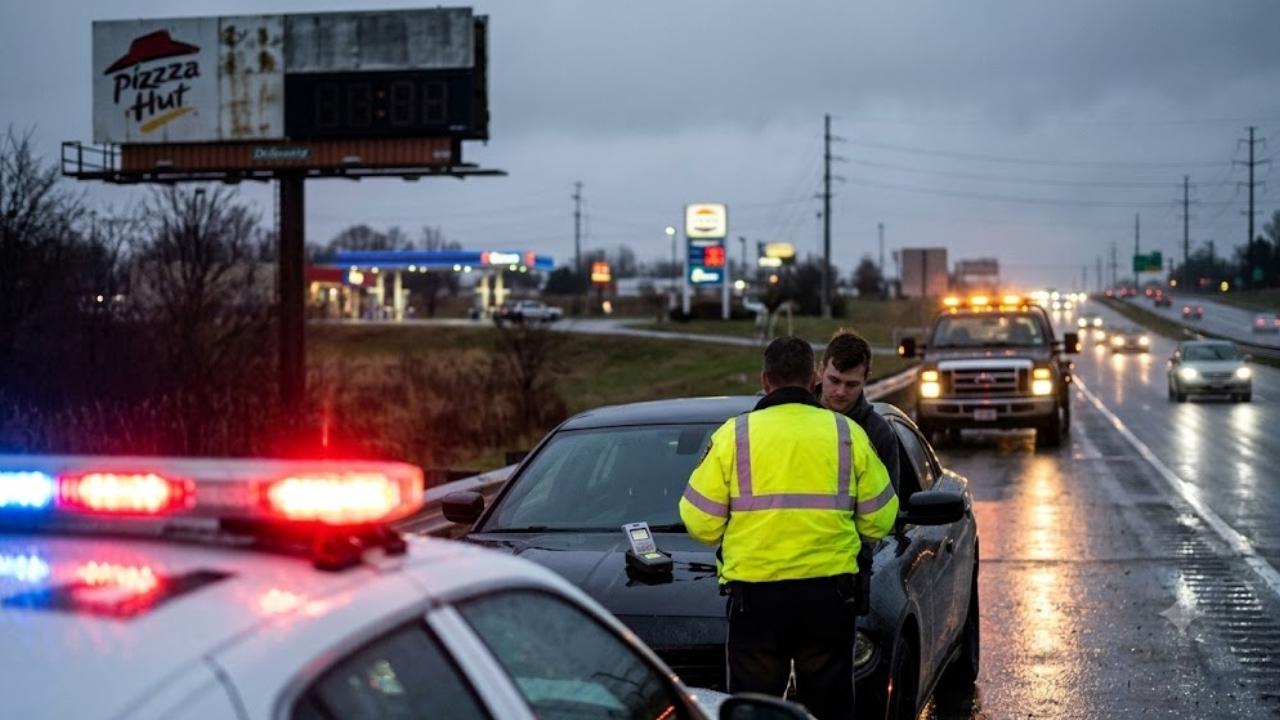
Los Angeles is a city where millions of people rely on their vehicles every day, making traffic enforcement and impaired driving investigations a regular part of the local legal system. A DUI arrest can happen in a matter of minutes, yet its consequences may extend far beyond a single court appearance. From the moment charges are filed, important decisions begin to affect your driving privileges, employment opportunities, finances, and personal reputation. Many people underestimate how quickly deadlines arise or how a conviction can create lasting challenges long after fines are paid.
Understanding the legal process early is essential to making informed choices and protecting your future. Every case involves unique facts, and the strength of the evidence can significantly influence the outcome. Speaking with a Los Angeles DUI attorney as soon as possible can help you understand your rights, evaluate your legal options, and develop a strategy to minimize the long-term impact of the charges.
The First Ten Days
The first ten days after an arrest often shape the rest of the case. During that window, a person may need to request a hearing before a license suspension takes effect. Delay can close off options before facts are reviewed. For that reason, many people consult a DUI attorney early, so deadlines, test results, and police reports receive prompt attention while memories still feel fresh.
Court Is Only One Part
A DUI case usually moves on two tracks at once. One track runs through the criminal court, where charges, plea terms, and sentencing are addressed. Another runs through the state agency that controls driving privileges. Each track has its own rules and deadlines. A person may handle one matter carefully and still lose ground in the other. That split catches many families off guard.
Fines Pile Up Fast
The bill tied to a DUI rarely ends with a fine. Towing fees, booking costs, alcohol classes, court assessments, and license reinstatement charges can add up quickly. Higher insurance premiums often last for years. Lost work hours can deepen the strain, especially for hourly employees. Some drivers also face ignition interlock costs, which add to monthly expenses. A single arrest can pressure a household budget long after the case closes.
Work Can Change
Employment often becomes less stable after a charge. Jobs that involve driving, field visits, deliveries, or background screening may become harder to keep. Court appearances can force missed shifts, which may damage an employer’s trust. For licensed professionals, a record may trigger reporting duties or internal review. Hiring managers may also raise concerns about judgment, reliability, and risk, even before a case reaches final resolution.
Insurance Gets Tougher
Insurance carriers often treat a DUI conviction as a strong marker of future risk. Premiums may rise sharply at renewal, and some companies may refuse to continue coverage. That shift can affect every driver listed on the policy. Families with multiple vehicles often feel the increase across the full account. The monthly cost can outlast probation, classes, and court supervision, turning one case into a long-term financial burden.
Personal Strain
Legal trouble can strain a home in quiet ways before anyone says much. Family members may need to provide rides, rearrange work hours, or help cover fees. Children can notice schedule changes and rising tension. Partners may question judgment or reliability after an arrest. Public records can also affect social trust. Even without a crash or injury, the charge may change how others read a person’s decisions.
Repeat Charges Hurt More
A later DUI charge usually brings harsher penalties than a first offense. Jail exposure can rise, license restrictions can last longer, and judges may order stricter terms. Prior convictions often shape plea talks and sentencing decisions. Prosecutors also tend to view repeat conduct as a sign of ongoing risk. One arrest may look isolated. A second or third often creates a far more serious legal picture.
Evidence Always Matters
An arrest does not guarantee a conviction. Police reports, body camera footage, field sobriety observations, and chemical test records can all shape the outcome. Breathing devices require proper maintenance and proper use. Blood samples raise questions about the chain of custody. The reason for the traffic stop may also matter. Careful review can expose weak points that affect negotiations, hearings, or trial strategy in meaningful ways.
Final Thoughts
A DUI charge can reach into nearly every part of a person’s future. Driving privileges, job prospects, insurance costs, family stability, and public standing may all change after a single case. Quick action matters because early deadlines can close before the full picture becomes clear. A thoughtful response gives a person a better chance to protect long-term interests. One charge need not define a life, but the next steps matter.