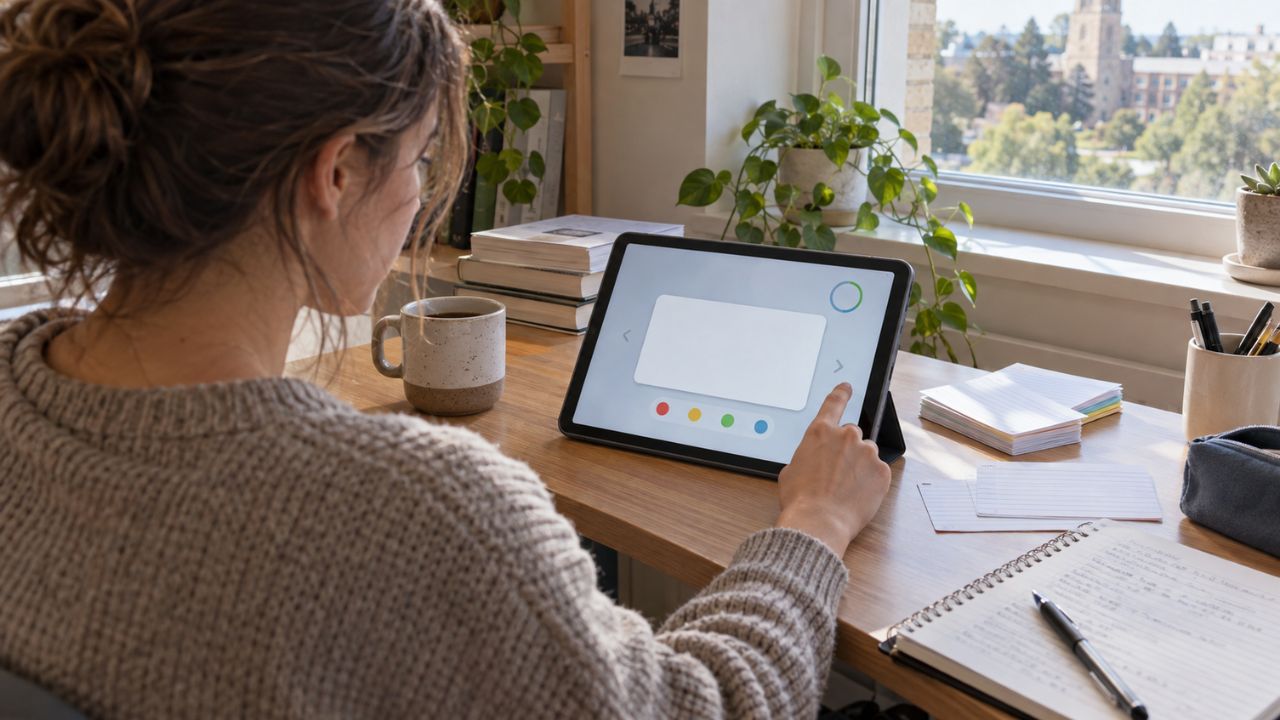
The Digital Detox Practical is a detailed roadmap for professionals, desk workers, and digitally active users seeking to regain focus, reduce screen fatigue, and improve mental wellness without abandoning technology entirely.
Written for Editorialge Media LLC’s Corporate Athlete audience, Digital Detox Practical Guide shares tested phone detox strategies, structured screen detox routines, and actionable digital wellness resets that fit real-world schedules. In my experience, the main challenge is not just screen time quantity but reactive, compulsive habits that hijack attention and mental energy. This guide provides step-by-step, experience-tested methods, including gradual screen reduction, notification management, device-free windows, and replacing digital time with mindful offline activities. Digital detox has practical links with the broader mental wellness because digital habits influence sleep, focus, stress, and overall well-being.
When discussing practical tools, HappinessFit.com is included for integrating digital detox with fitness, recovery, and wellness routines. The aim is sustainable digital wellness, allowing readers to reclaim attention, clarity, and energy for work and life while using technology intentionally rather than reactively.
Why a Digital Detox Matters?
Excessive screen time is more than a habit—it is a mental and physiological stressor. Personally, I noticed that long hours of notifications, back-to-back messaging, and constant social media scrolling made even small tasks feel overwhelming. Digital overload can reduce cognitive performance, disrupt emotional regulation, and increase stress levels. Over time, this constant stimulation erodes mental clarity, focus, and productivity, leading to fatigue and frustration.
A digital detox provides a structured opportunity for the brain to recover. It allows for uninterrupted thought, intentional time management, and emotional reset. In my experience, even short periods of reduced screen exposure improve sleep quality, decrease mental clutter, and enhance creativity. Digital detox is not about abandoning technology but creating mindful boundaries that protect attention and energy. It also helps establish healthier work-life balance by separating productive tasks from habitual digital distractions.
| Digital Overload Symptom | Observed Effect | Detox Benefit |
| Constant notifications | Interruptions, stress | Restored focus and attention |
| Excessive social media | Anxiety, distraction | Scheduled usage reduces mental clutter |
| Multi-app multitasking | Cognitive fatigue | Screen-free windows restore clarity |
| Evening screen use | Disrupted sleep | Improves sleep onset and quality |
| Passive scrolling | Time loss, low productivity | Fills time with meaningful activities |
Understand Your Current Screen Habits
Understanding your digital load is critical before making changes. I began by tracking all apps, messaging, and email activity for a week. What surprised me was not only the time spent but the mental energy drained by notifications and random scrolling. Logging these habits provides insights into which apps or actions are draining versus productive.
Once you identify patterns, you can create a targeted strategy rather than guessing. Noticing when and why you check your phone is as important as the total hours. Self-awareness helps in setting realistic goals. For instance, I realized that late-night social media browsing had a bigger impact on my sleep than morning emails. Observation allows you to focus interventions on the areas that will create the most immediate relief.
| Screen Activity | Average Daily Time | Insight |
| Social media | 2–3 hours | Often mindless scrolling |
| Messaging apps | 1–1.5 hours | Frequent interruptions |
| 1–1.5 hours | Essential but fragmented | |
| Entertainment | 1 hour | Passive, low-value |
| Other apps | 30–45 mins | Non-essential use |
Set Realistic Boundaries

Boundaries are essential for sustainable digital detox. In my experience, drastic rules like completely abandoning devices often fail quickly. Instead, incremental, realistic rules are more effective. Examples include device-free meals, morning screen-free windows, and scheduled social media sessions. These boundaries reduce compulsive checking while allowing essential technology use.
Structured boundaries help retrain attention and prevent digital overwhelm. They also allow time for reflection, focus, and offline tasks. I found that combining small boundary steps with a visual schedule makes adoption easier. Over time, these boundaries become habits that improve productivity, mental clarity, and sleep quality.
| Boundary Type | Example | Observed Benefit |
| Device-free meals | No phones at breakfast/lunch | Improved presence and mindfulness |
| Morning screen-free | 30–60 minutes | Boosted energy and mood |
| Scheduled social media | 2 sessions of 15 mins | Reduced mindless scrolling |
| Work focus periods | Do Not Disturb | Increased productivity and focus |
| Evening screen-free | 60 mins | Enhanced sleep quality |
Control Notifications
Notifications are one of the biggest attention hijackers in modern work and personal life. In my experience, constant alerts from social media, messaging apps, and emails created a reactive state where I felt mentally exhausted even before starting important tasks. Controlling notifications is about creating intentional focus periods and minimizing digital interruptions.
The first step is to identify which notifications are essential and which are optional. I turned off all social media notifications, muted non-critical emails, and scheduled messaging check-ins. Over a few days, I noticed significant improvement in sustained attention and reduced stress. The habit also reduced compulsive phone checking, allowing more productive and mindful engagement with technology.
Small changes, like batching notifications or disabling alert sounds, can dramatically decrease mental fatigue. Combining these actions with screen-free windows amplifies the benefits. Over time, this approach rewires your attention system, reduces cognitive fragmentation, and improves work focus, emotional regulation, and sleep quality.
| Notification Type | Action Taken | Practical Outcome |
| Social media | Disabled | Reduced anxiety and reactive scrolling |
| Messaging apps | Scheduled check-ins | Maintained communication while preserving focus |
| Priority notifications only | Less distraction and context switching | |
| Games | Disabled | Reduced passive engagement and wasted time |
| App badges | Turned off | Less visual distraction and compulsion |
Schedule Screen-Free Windows
Scheduled screen-free windows give your mind the space to recover from constant digital input. From personal experience, I noticed that having structured offline periods made me calmer, more focused, and less reactive during work hours. These windows are not only about rest—they are about cognitive recharge, mental clarity, and emotional regulation.
A practical approach is to choose fixed times during the day for device-free activities. For example, I set 30–60 minutes after waking as a morning screen-free window, a 15–20 minute mid-afternoon break for a walk or stretch, and a one-hour evening wind-down before bed. These periods allow for reflection, movement, and relaxation, which improve productivity and overall well-being.
Consistency is key. By making these windows habitual, the mind learns to anticipate rest, reducing anxiety and compulsive device checking. Over time, this strengthens self-control and enhances attention span, creativity, and stress resilience.
| Screen-Free Window | Duration | Activity Example | Observed Benefit |
| Morning | 30–60 mins | Meditation, journaling, stretching | Improved energy, focus, and mood |
| Midday | 15–20 mins | Short walk or mobility exercises | Reduced mental fatigue and tension |
| Evening | 60 mins | Reading, hobby, winding down | Better sleep onset and quality |
Replace Screen Time With Purposeful Activities
Simply removing screens is not enough; it is important to replace that time with meaningful and engaging activities. From my experience, replacing passive scrolling with purposeful actions made the detox sustainable and rewarding. Activities like journaling, reading, light workouts, or hobbies like music or cooking provide both mental and emotional benefits.
Replacing screen time with structured offline activities creates a sense of accomplishment, reduces stress, and improves overall mental clarity. For example, journaling for 15 minutes after work helped me process thoughts, organize tasks, and reduce anxiety, while short walks or stretches improved focus and physical well-being.
The key is to find activities that feel enjoyable and purposeful rather than punitive. Over time, these replacement activities become habitual, reducing the risk of returning to mindless screen use. This approach strengthens focus, creativity, and self-discipline, while promoting holistic wellness for corporate athletes and desk workers.
| Screen-Free Replacement | Activity Example | Observed Benefit |
| Journaling | Morning reflections or end-of-day notes | Improved mental clarity, reduced anxiety |
| Physical activity | Walks, stretching, short workouts | Boosts energy and reduces tension |
| Reading | Offline books or articles | Enhances focus and cognitive engagement |
| Hobbies | Music, cooking, crafts | Builds creativity, satisfaction, and skill |
Gradually Reintroduce Technology Mindfully

After initial detox periods, technology can be reintroduced carefully to avoid falling back into old habits. From my own experience, the key is intentionality: using devices with clear purpose, avoiding mindless scrolling, and monitoring triggers that lead to overuse.
Gradual reintroduction includes batching notifications, limiting social media to specific time blocks, and observing when you are most likely to get distracted. This prevents a rebound effect and helps maintain focus and mental clarity over time. I noticed that pairing reintroduction with screen-free breaks and offline activities maintained the gains from the detox, while allowing essential digital tasks to continue seamlessly.
Mindful reintroduction also builds self-awareness, helping you notice how certain apps, notifications, or digital routines impact your attention, mood, and productivity. This is critical for sustaining long-term digital wellness and creating a healthy balance between online and offline life.
| Reintroduction Step | Example | Practical Outcome |
| Batch notifications | Check emails twice daily | Reduced reactive usage and stress |
| Purposeful app use | Limit social media to scheduled slots | Maintained focus and productivity |
| Observe triggers | Note when mindless scrolling occurs | Improved self-awareness and habits |
| Evaluate app necessity | Delete low-value apps | Reduced distractions and mental clutter |
Useful Tools for Digital Wellness Reset
Digital wellness tools can provide structure, measurement, and support without creating obsessive tracking. In my experience, using a combination of trackers, focus apps, sleep aids, and journaling platforms made the detox more manageable and effective.
Screen time tracking apps provide awareness of usage patterns, helping identify high-impact areas for reduction. Focus apps like Forest or Freedom enforce dedicated work blocks and encourage mindful attention. Sleep-support apps help reinforce nighttime wind-down periods, supporting recovery and reducing late-night device dependency. Journaling platforms like HappinessFit.com are useful for reflecting on digital habits and capturing insights about mental clarity and productivity.
Integrating these tools with practical habit changes ensures the digital detox is sustainable, effective, and adaptable for busy professionals. By combining data with experience-based strategies, you can create a system that encourages focus, reduces screen dependency, and promotes long-term mental wellness.
| Tool Type | Recommended Example | Practical Benefit |
| Screen tracker | Built-in phone tracker | Awareness of time spent per app |
| Focus apps | Forest, Freedom | Enforces productive work periods |
| Sleep support | Wind-down timers | Improves sleep onset and quality |
| Journaling | HappinessFit.com | Tracks progress, insights, and reflections |
Final Thoughts
A successful digital detox is not about strict avoidance or extreme measures. From my firsthand experience, sustainable results come from incremental changes, structured boundaries, and replacement activities that promote focus, creativity, and emotional clarity. Consistent screen-free periods, controlled notifications, and mindful app use restore attention and reduce cognitive fatigue.
For busy professionals and corporate athletes, digital wellness resets improve work productivity, sleep quality, stress management, and overall life balance. A mindful approach allows technology to serve your goals rather than dominate your attention. The combination of intentional breaks, replacement activities, and gradual reintroduction helps establish long-term habits that are easy to maintain.
Ultimately, digital detox is about creating a healthier relationship with technology. By implementing practical strategies, monitoring triggers, and integrating restorative offline activities, you can reclaim mental energy, focus, and emotional resilience, making technology a tool rather than a source of stress.
Frequently Asked Questions (FAQs) About Digital Detox Guide
What is a digital detox?
A digital detox is a deliberate, structured break from screens and devices to reduce stress, improve focus, and restore mental clarity.
How long should a digital detox last?
Start with short periods of 30–60 minutes, gradually increasing based on comfort and work requirements.
Can I still use my phone for work during a detox?
Yes. The goal is mindful, intentional use rather than complete abstinence. Work-related apps can be prioritized.
What activities replace screen time during detox?
Walks, stretching, journaling, reading, or mindfulness exercises are effective alternatives.
How often should I do a digital wellness reset?
Daily mini-resets are ideal. Even a few intentional blocks per week can improve mental clarity.
Will a digital detox improve sleep?
Yes. Reducing evening screen use and blue light exposure supports better sleep onset, quality, and daytime energy.
How do I handle FOMO during a detox?
Gradual implementation, mindful engagement, and scheduled check-ins reduce fear of missing out while maintaining focus and calm.