

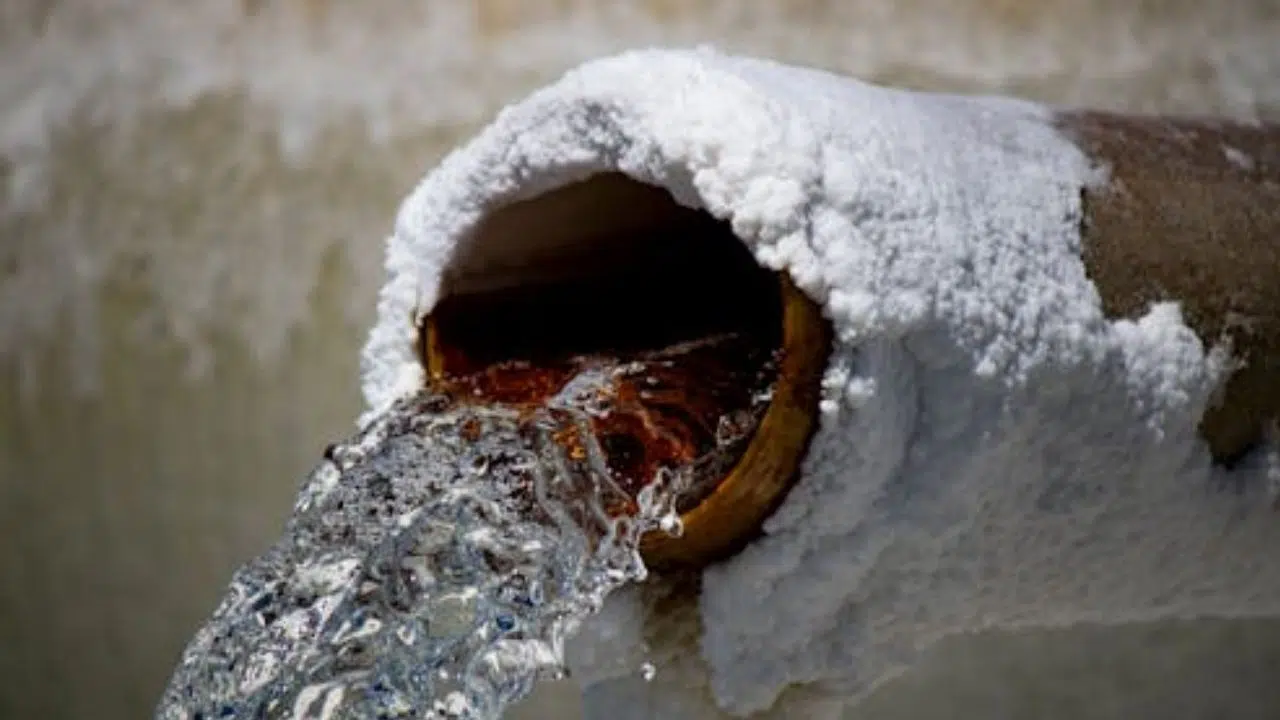
When the average person thinks of frozen pipes, it’s not usually something they think happens in Australia. This is because the sunny land down under has a notorious reputation for being hot, humid, and sun-drenched. New residents, or seasonal tourists, will be surprised to learn that parts of Australia, such as the Southern Highlands, the High Country, Tasmania, or even parts of New South Wales, can easily see temperatures plummet below zero.
While you may not think that frozen pipes constitute a call to the plumber Brisbane locals trust, it’s essential to know that it’s the best option to prevent additional damage. This post takes a closer look at why plumbing freezes, and our experts also share what you should do about it.
Understanding the Science of Why Pipes Freeze
It’s true, obvious even, that pipes freeze because of cold weather. However, it’s the physics behind it that you need to know if you want to safeguard your pipes. Here’s what you need to know.
Unlike most other substances, such as milk, for instance, water expands when it becomes cold enough to freeze. This means that any water inside a pipe drops to 0°C, and it starts turning into ice. Here, you want to remember that ice occupies about 9% more volume than the same amount of liquid water does.
When this happens, it’s not the ice itself that’s dangerous, but rather the pressure that’s created by the increase in volume. As ice forms, it often creates a “plug” in the pipe. As more ice forms between that plug and a closed tap, the water trapped in between is compressed. It is this extreme hydraulic pressure—not the physical expansion of the ice against the pipe walls—that typically causes a copper or plastic pipe to rupture.
How Does Ice in Pipes Translate to an Australian Scenario?
Unlike Northern Hemisphere homes, Australian homes were not originally designed to compensate for the freeze factor.
The typical Aussie home is designed and built to expel heat rather than retain it. Here’s how this design concept puts our homes at risk of more frozen pipes:
- Exposed underfloor plumbing: Typically found in “stump” or “pier and beam” houses (like the classic Queenslander or cottage), plumbing pipes run openly beneath the floorboards, where they are more exposed to icy winds.
- Thin-wall insulation: Some older Australian homes may lack the thick thermal barrier required to keep internal wall cavities above freezing.
- External pipes: Most main water lines and garden taps are mounted directly to external walls with little to no lagging (insulation).
Simple Steps From Your Plumber to Get Things Moving Again
The good news is that you can easily deal with frozen pipes by following a few simple steps from your plumber. Here’s what you need to know.
Step 1: Open the Tap
The first step in dealing with a frozen pipe is not to start heating the pipe. Rather, open the tap (and a few others) leading to the pipe. This will relieve the pressure in the system and prepare the pipe for the next step.
Step 2: Locate the Freeze
If you can reach the pipes, run your hand along them to locate the frozen section. In some cases, the affected section will have a thin coating of frost on the outside. A good place to start is the spaces where the pipe enters the house. This is usually the space where the pipe is most exposed to the wind.
Step 3: Gently Apply Heat
There are two golden rules for applying heat to your plumbing pipes. The first is to never use an open flame, such as a blow torch. The second rule is to always start with a low heat and work your way up to a warmer setting.
A few popular methods to try include the following:
- The hairdryer method: Often labelled as the safest and most effective tool. Start by moving the dryer back and forth along the frozen section. Avoid holding it in one spot for too long, especially for plastic pipes.
- Hot towels: For this one, soak regular bath towels in hot (not boiling) water and gently wrap them around the frozen section of the pipe. Remove and replace them as they cool down.
Space heaters: This works well if the freeze is under the house. A portable space heater can raise the ambient temperature enough to thaw the line. Never leave a space heater unattended.
Whatever method you choose, always start from the tap and work your way toward the frozen section. This will cause the ice to melt, encouraging water to flow out easily.
Final Thoughts
No matter what the weather is doing outside, or where in Australia you live, your plumbing should never be treated as a “set and forget” or something that only needs to be maintained when it’s broken. This is especially the case in the colder regions of the South, where a bit of proper winter prep goes a long way. Speak to your local plumber about the best ways to treat your plumbing infrastructure from the harmful effects of cold weather. You’ll be glad you did!





















