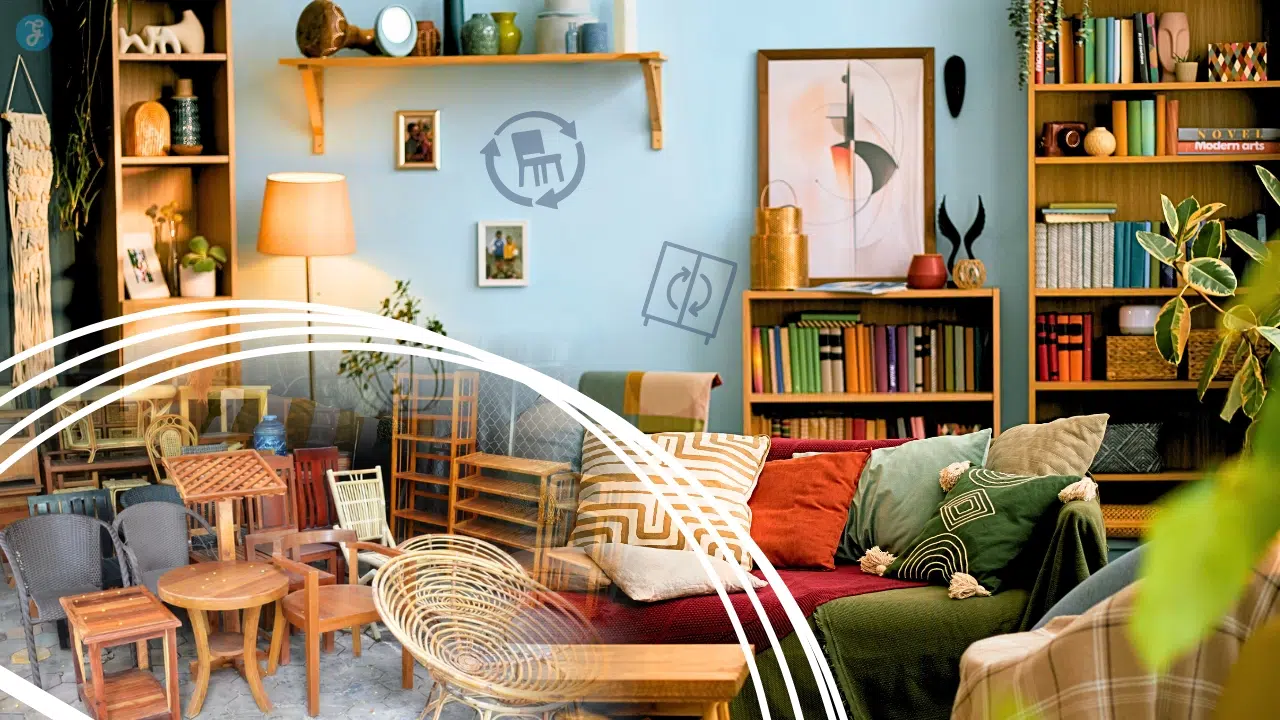
Tired of a bland living room that lacks personality without overspending? Many homeowners struggle to find stylish, unique decor that doesn’t come with a hefty price tag.
Brand-new furniture from major retailers often feels generic while draining budgets. On top of that, supply chain delays make waiting for new pieces frustratingly long. This is where the Second-Hand Furniture Design Trend is changing the game.
The global second-hand furniture market is projected to reach USD 69.1 billion by 2033, driven by platforms like Facebook Marketplace, Craigslist, and eBay. Pre-owned pieces are reshaping modern interiors by blending affordability, sustainability and character.
This growing trend highlights the shift toward a circular economy, where vintage finds and reused items add charm and reduce waste. When paired with modular furniture or natural materials, second-hand pieces create a stylish mix-and-match aesthetic that feels both modern and timeless.
Why Second-Hand Furniture is Gaining Popularity
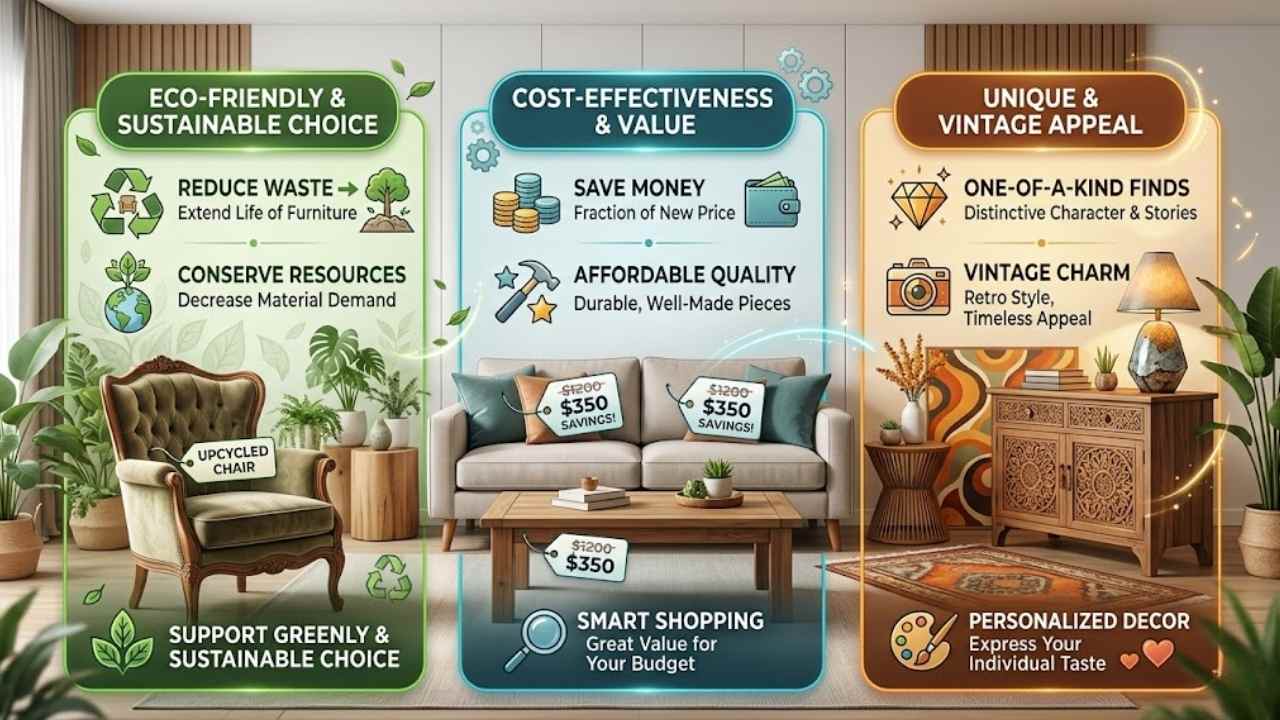
People love second-hand furniture these days, because it helps the planet by cutting down on waste, and who doesn’t want to save the Earth while scoring a great deal on a cozy sofa? Plus, those vintage pieces from online spots like Chairish add a special charm to any room, making your space feel one-of-a-kind without breaking the bank.
Sustainability and Eco-Friendliness
Second-hand furniture shines as a smart choice for sustainable living. Consumers now prioritize eco-friendly home options, like pre-owned pieces from Chairish or West Elm. This shift cuts down on environmental impact, and it supports upcycling in the secondhand furniture market.
Finding a vintage sofa on Kaiyo that saves trees and cash. Americans lead this trend, with the global market set to hit USD 69.1 billion by 2033. Increased digitalization boosts growth through online platforms like AptDeco and Geev.
Buyers grab unique furniture, from sofas and couches to tables and desks, all while backing green practices.
Secondhand furniture is now considered the new standard for luxury in the furniture market, reflecting a maturing American marketplace.
Brands report an 85% jump in units sold, according to B-Stock. Supply chain issues push folks toward these options, making them cost-effective and kind to the planet. Vintage pieces offer that special touch, blending natural materials with curves and organic shapes.
Think of modular furniture or sculptural wooden items from consignment shops. Online resale platforms make it easy to find sustainable beds or chairs and stools in North America, Europe, or Asia Pacific.
Economic factors drive this, as folks seek affordability and distinctive decor.
Cost-Effectiveness
People love saving money on home decor, and second-hand furniture delivers big on that front. Economic considerations drive many buyers to choose pre-owned pieces, especially with supply chain issues jacking up prices for new items.
Think about it, you snag a sturdy sofa or a solid table at a fraction of the cost, leaving room in your budget for other fun stuff. Consumer trends show folks prioritizing affordability, and no wonder, the secondhand furniture market saw an 85% jump in units sold by brands last year, per B-Stock’s report.
That surge highlights how cost savings motivate smart shoppers, turning thrift into a savvy choice.
Affordability pairs with access to distinctive options, like vintage chairs or modular desks, without breaking the bank. Picture scoring a reperch find or bidding on design furniture auctions for cabinets and shelves that fit your style.
Market Intelo predicts the global second-hand furniture market hits USD 69.1 billion by 2033, fueled by these budget-friendly perks. Consumers prefer this path for its value, blending savings with sustainable living.
You get quality sofas and couches, even tables, that feel like steals in today’s economy.
Unique and Vintage Appeal
Second-hand furniture draws folks in with its one-of-a-kind charm, like finding a hidden gem in your grandma’s attic. Imagine scoring a vintage sofa that tells a story, full of character no new piece can match.
Demand surges for these pre-owned treasures, driven by the rising popularity of vintage designs that stand out in any room. Consumers chase that distinctive decor, blending old-school vibes with modern flair.
Take sculptural wooden furniture or upholstered everything; they add personality without breaking the bank. The secondhand furniture market thrives on this appeal, offering access to pieces like statement stone and glass tables that feel truly special.
Buyers love how these items support sustainable living while delivering standout style. Picture mixing a retro chair with modular and flexible furniture for a space that screams you.
According to reports, the global second-hand furniture market will hit USD 69.1 billion by 2033, fueled by folks seeking those vintage finds. Brands like Made.com and Jonathan Adler inspire this trend, showing how pre-owned sofas, couches, tables, desks, chairs, stools, cabinets, and shelves fit into design trends.
Economic perks play a role too, but the real draw lies in snagging decor that feels personal and eco-friendly.
The Evolution of Second-Hand Furniture in Design
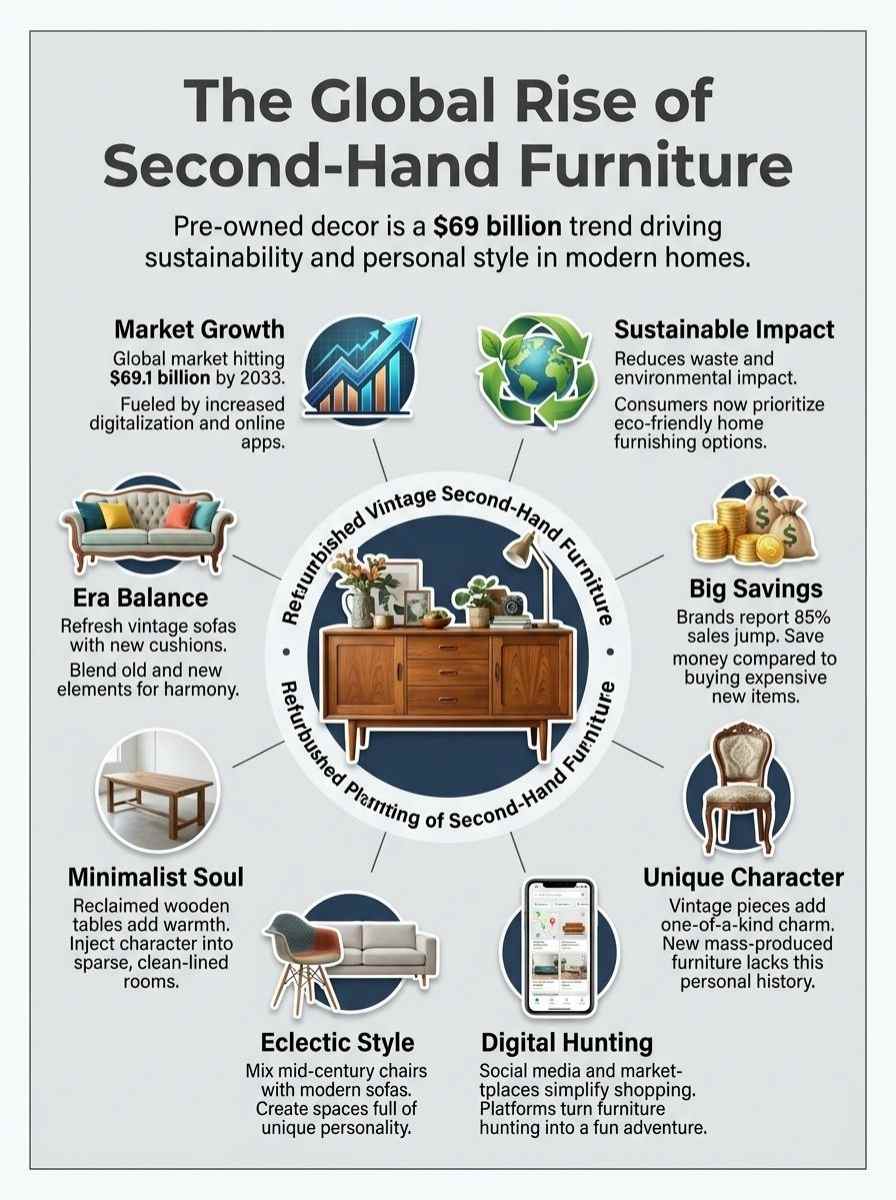
Second-hand furniture started as a simple need for folks on tight budgets, but now it shines as a hot trend in home decor. Social media spots like Instagram, along with sites such as Facebook Marketplace, spark this shift by showing off pre-owned sofas and vintage tables that mix old charm with fresh style.
From Necessity to Trend
People once bought pre-owned furniture out of need. They saved cash that way. Now, it shines as a top choice for style fans. Supply chain woes hit new items hard, so second-hand options fill the gap.
Folks love the vintage vibe and rare finds. Consumer preferences shift toward these gems. Think about it, the second hand furniture market booms. Sales jumped 85% in units for brands last year, says B-Stock.
That platform tracks recommerce trends. Designers like Peti Lau and Alpay Koralturk mix old sofas & couches with fresh tables & desks. They create spaces full of personality. Picture your living room with chairs & stools from yesteryear next to modern cabinets & shelves.
Second-hand furniture is now the new standard for luxury in the furniture market, reflecting a maturing American marketplace.
Digital tools drive this change. Apps and sites like Uship make shopping easy. The global second-hand furniture market will hit USD 69.1 billion by 2033. Increased digitalization fuels that growth.
Buyers seek natural and sustainable materials in their picks. They blend minimalism with personality. Economic perks draw them in too. You get affordability and eco-friendly vibes.
Vintage industrial spots often feature glass furniture for that cool edge. Reports on secondhand furniture show steady rise.
Social Media and Online Marketplaces
Social media platforms spark excitement for secondhand furniture. Users scroll through Instagram feeds, spotting vintage chairs that scream personality. Facebook Marketplace connects buyers with local sellers in a snap.
Think of it as a treasure hunt, where one post leads to a gem like an old oak table. Online spots like Etsy and OfferUp make deals easy, boosting that thrill of the find. Digital tools drive this boom, as folks share stories of their hauls.
B-Stock reports an 85% jump in units sold by furniture brands last year. This surge shows how screens turn shopping into a fun adventure.
Increased digitalization fuels growth in the secondhand furniture market. Apps let you browse couches from your couch, anytime. Projections say the global scene hits USD 69.1 billion by 2033.
You grab sustainable pieces without leaving home, saving cash and the planet. Chatting with a seller online, sealing a deal on a reclaimed wood bench. These platforms mix community vibes with smart tech, making secondhand the go-to choice.
Reports highlight this shift, with more folks choosing eco-friendly buys through clicks and swipes.
Key Design Trends Incorporating Second-Hand Furniture
Think your living room, where an old wooden chair clashes perfectly with sleek metal lamps, sparking that wild mix of styles folks crave these days. Explore how folks blend vintage desks with soft, flowing rugs for a cozy vibe that feels both fresh and timeless, you know?
Mix-and-Match Eclecticism
People love to blend styles in their homes these days. They grab second-hand chairs from the 1950s and pair them with fresh, modern sofas. This approach creates spaces full of personality.
Fact is, second-hand furniture is now the new standard for luxury in the market. It shows how Americans shop smarter. Supply chain woes make new pieces hard to find, so folks turn to these gems.
They save money too, a big plus in tough times. Plus, sustainable choices top the list for many buyers. Vintage designs drive this demand, as per the secondhand furniture report. Shoppers seek out those one-of-a-kind finds that tell a story.
Your living room with a reclaimed wooden table next to sleek metal lamps. Eclecticism thrives on this mix. It brings in curves and organic shapes from old dressers, adding warmth.
Natural materials shine here, supporting eco-friendly living. The global market for second-hand furniture hits USD 69.1 billion by 2033, thanks to digital growth. Online spots make hunting easy.
Brands saw an 85% jump in units sold last year, says B-Stock. Affordability meets style in these setups. You support green practices while scoring decor that stands out.
Minimalism with Personality
Second-hand furniture fits right into minimalism with personality, blending clean lines with quirky touches that make a space feel alive. You grab a sleek, vintage chair from an online marketplace, and suddenly your room pops without clutter.
This trend draws on the rising popularity of sustainable options, as consumers prioritize eco-friendly home furnishings amid supply chain snags for new pieces. Think of it like adding spice to a plain meal; that one reclaimed wooden table brings warmth and story to a sparse setup.
The global second-hand furniture market heads toward USD 69.1 billion by 2033, fueled by digital growth and a hunger for distinctive decor. Brands saw an 85% jump in units sold through platforms like B-Stock last year, proving affordability and uniqueness win big.
Mix in natural materials from thrift finds, like a woven basket or an old lamp, to inject character into your minimalist vibe. Sustainability drives this shift, with second-hand buys offering cost savings and support for green living.
Imagine chatting with friends over coffee on a mid-century sofa you scored cheap; it sparks conversations about its history. Economic factors push folks toward these pieces, now seen as luxury in a maturing American market.
Availability of such items lets you craft spaces that feel personal yet simple, dodging the bland trap of all-new stuff.
Curves and Organic Shapes
Curves bring a soft touch to rooms. People love these shapes in second-hand furniture for their natural flow. Think of a gently rounded armchair from the past, it adds warmth like a hug from an old friend.
This trend ties into the rising demand for vintage designs, as consumers seek distinctive decor. The global second-hand furniture market hits USD 69.1 billion by 2033, fueled by sustainable choices.
Buyers grab these pieces for their eco-friendliness and unique appeal, much like finding a hidden gem in a thrift store. Mix a curvy wooden table with modern lines, and your space feels alive.
Organic shapes mimic nature, they curve like river stones or tree branches. Folks choose them to support sustainable living practices, especially with supply chain issues hitting new furniture hard.
Vintage sofas with swooping arms stand out in this style. They offer affordability and access to one-of-a-kind options, driving the market’s growth. B-Stock reports an 85% jump in units sold by furniture brands recently.
Online marketplaces make hunting these curves easy, thanks to increased digitalization through 2033. Picture a bulbous lamp from decades ago, it pairs with sleek cushions for that perfect balance.
Economic factors push this too, as cost savings motivate purchases. Sustainability ranks high now, with second-hand items seen as luxury in a maturing American market. Add some organic vases or chairs, and your home tells a story full of personality.
Natural and Sustainable Materials
People love second-hand furniture for its natural materials, like reclaimed wood or organic fabrics. These items fit right into eco-friendly homes. Consumers now see sustainable options as a top priority.
Think about it, you grab a vintage chair made from bamboo, and boom, you support the planet. The market shows this shift, with second-hand sales jumping 85% in units sold, according to B-Stock.
Affordability mixes with green living here.
Sustainable pieces draw buyers who want distinctive decor without harming the earth. Global demand pushes the second-hand furniture market toward USD 69.1 billion by 2033. Digital tools, such as online apps, make finding these gems easy.
You spot a table from recycled metal, and it adds that special touch. Economic perks blend with eco benefits, making this trend a smart choice for your space.
Tips for Styling Second-Hand Furniture
You picked up that thrifted sofa or chair, now what? Turn it into a standout by mixing fabrics and shades, or pair it with fresh lamps to keep things lively and balanced.
Create a Focal Point
Pick one standout piece of second-hand furniture to draw eyes in your room. That old armchair with its vintage charm can steal the show, especially since secondhand options offer unique decor at a fraction of the cost.
Consumers love these for their sustainability, and no wonder, the global second-hand furniture market hits USD 69.1 billion by 2033. Place it front and center, maybe under a light, to spark conversations.
Mix in some curves or organic shapes from thrift finds, they add personality without breaking the bank. Economic perks drive this trend, as folks save big while going green.
Spotlight that piece with smart lighting or a bold rug underneath. Vintage industrial tables work great here, pulling from the 85% jump in units sold, per B-Stock reports. Buyers chase those distinctive items amid supply chain snags hitting new furniture.
Layer textures around it, like wood and fabric, to keep things lively. This approach supports eco-friendly living, a top priority for many. Online marketplaces fuel the hunt, making it easy to snag sustainable gems that pop in your space.
Play with Texture and Colors
Grab that velvet chair from the thrift store, folks, and pair it with a sleek leather ottoman. You create magic this way. Second-hand furniture gives you endless options for textures like worn wood or soft fabrics that add depth to your space.
Colors pop too, from faded blues to bold reds that tell a story. This approach saves money, as economic factors drive folks to buy used items. Consumers prioritize sustainable choices now, and second-hand pieces fit right in.
They offer affordability plus access to distinctive decor that supports green living. The global market for this stuff hits USD 69.1 billion by 2033, thanks to digital growth. Supply chain woes make new furniture hard to get, so used items rise in demand.
Brands saw an 85% jump in units sold last year, per B-Stock.
Mix rough jute rugs with smooth metal tables for contrast that feels alive. Picture a room where earthy tones meet vibrant accents, like a metaphor for life’s surprises. Vintage designs bring that special appeal, and you avoid cookie-cutter looks from big stores.
Shoppers love the cost savings and eco-friendly vibe. Increased digitalization boosts this trend through 2033. Luxury now means second-hand in the maturing American market. You find natural materials that feel authentic, turning your home into a cozy haven.
Balance Old and New Elements
Balance old pieces with new ones to refresh your space. Pair a vintage armchair from a thrift store with a sleek modern lamp. This mix creates harmony, and it saves money too. Consumers choose secondhand options for cost savings, as economic factors drive demand.
Think of it like blending grandma’s quilt with fresh throw pillows; the contrast pops. The secondhand furniture market will hit USD 69.1 billion by 2033, fueled by sustainable choices.
You support eco-friendly living this way.
Add new cushions to an old sofa for instant appeal. Shoppers love the affordability and access to distinctive decor. B-Stock reports an 85% jump in units sold by furniture brands recently.
Mix in natural materials from secondhand finds with contemporary metals. This approach fits the rising popularity of vintage designs amid supply chain issues. Digital platforms make finding these gems easy, boosting market growth through 2033.
Your home gains personality without breaking the bank.
Real-Life Examples of Second-Hand Furniture in Modern Homes

A cozy den where a sleek mid-century armchair chats with a fresh leather couch, blending eras like old friends at a reunion. Or picture a kitchen where rustic wooden tables from flea markets pair with shiny appliances, turning everyday meals into stylish adventures that beg you to try them yourself.
Mid-Century Meets Contemporary
Living room where a sleek, teak credenza from the 1950s pairs with a modern, modular sofa. Homeowners love this blend, you know, it adds that special charm without breaking the bank.
Second-hand furniture, like those mid-century gems, now shines as the new luxury standard in the American market. Consumers grab these pieces for their eco-friendly vibe and cost savings, especially amid supply chain woes that limit new options.
The global second-hand furniture market heads for USD 69.1 billion by 2033, fueled by digital platforms and a hunger for vintage designs. One family I heard about revamped their space with a rescued Eames chair, mixing it with clean, contemporary lines for a cozy yet fresh feel.
This style supports sustainable living, offers affordability, and lets you snag distinctive decor that stands out.
Folks embrace this trend by scouting online marketplaces for unique finds, like curved armchairs that echo organic shapes. Economic perks drive the surge, with an 85% jump in units sold by furniture brands last year, per B-Stock.
You get access to sustainable materials that fit modern minimalism, all while dodging high prices on new stuff. In one home, a vintage industrial coffee table anchors the room, blended with soft, neutral pillows for that perfect balance.
Increased digitalization boosts this growth through 2033, making it easy to find and style these treasures. Buyers prioritize green choices, turning old pieces into focal points that spark joy and conversation.
Vintage Industrial Living Room
A living room that blends old factory vibes with cozy touches. Folks grab second-hand pieces like a worn metal coffee table or a leather armchair from online spots. These items add that vintage industrial edge, all while keeping things sustainable.
Shoppers love the cost savings, especially with supply chain hiccups making new stuff hard to find. One homeowner scored a rustic shelf from a thrift store, turning it into the room’s star.
That move supports eco-friendly habits, as consumers now prioritize sustainable options.
Demand for these finds drives the market toward USD 69.1 billion by 2033, thanks to digital boosts and an 85% jump in units sold last year, per B-Stock. Mix in exposed brick walls with a salvaged lamp for light, and you’ve got personality popping.
Buyers chase that distinctive decor, blending affordability with green living. A friend once joked, it’s like giving old gear a second life, no passport needed. Such setups show how second-hand furniture has become the luxury norm in maturing American homes.
Rustic Farmhouse with Modern Touches
Lovely and a cozy kitchen where an old wooden table, scored from a thrift shop, anchors the space. You add sleek metal stools and pendant lights for that modern edge. This blend draws from the rising demand for secondhand furniture, driven by its unique designs and cost savings.
Consumers now prioritize sustainable options, viewing them as key to home decor. The global secondhand furniture market will hit USD 69.1 billion by 2033, fueled by digital platforms and eco-friendly choices.
Take Sarah’s living room, for example. She mixed a vintage oak cabinet with plush contemporary sofas. It creates a warm, inviting vibe that feels like home. Secondhand pieces offer affordability and access to distinctive decor, supporting green living.
Furniture brands saw an 85% jump in units sold through recommerce, per B-Stock. Supply chain woes push buyers toward these gems, making rustic farmhouse styles with modern twists a smart, trendy pick.
Final Thoughts
Second-hand furniture shines through sustainability, cost savings, and that special vintage charm we explored. You can easily mix these pieces into your home for a fresh look without breaking the bank.
This trend boosts eco-friendly living and cuts down on waste, with the market set to hit $69.1 billion by 2033. Check out sites like Facebook Marketplace or thrift stores for your next find.
Go ahead, grab that old chair and make your space pop, because reusing beats buying new every time.
Frequently Asked Questions (FAQs) About Second-Hand Furniture Design Trends
1. Why is second-hand furniture turning into a big design trend?
Ditching cookie-cutter stores for thrifted gems that tell a story, like that old armchair from grandma’s attic. It’s all about mixing vintage vibes with modern flair, saving cash while feeling like a design wizard. Plus, it’s eco-friendly, cutting down on waste in a world that’s already overflowing.
2. How do I start using second-hand furniture in my home decor?
Dive right in by hitting up local thrift shops or online marketplaces for pieces like a weathered oak table or a quirky lamp. Blend them with your current stuff for that lived-in charm, and hey, a quick paint job can make it pop without breaking the bank.
3. Is second-hand furniture really better for the planet?
Absolutely, it keeps usable items out of landfills, which is like giving Mother Earth a high-five.
4. What tips help me spot quality second-hand furniture?
Look for solid wood frames on sofas or dressers, not flimsy particleboard that falls apart. Chat with sellers about the piece’s history, it adds character, and always test for sturdiness, you don’t want a wobbly chair crashing your dinner party. Remember, a little wear shows personality, like laugh lines on a good friend.