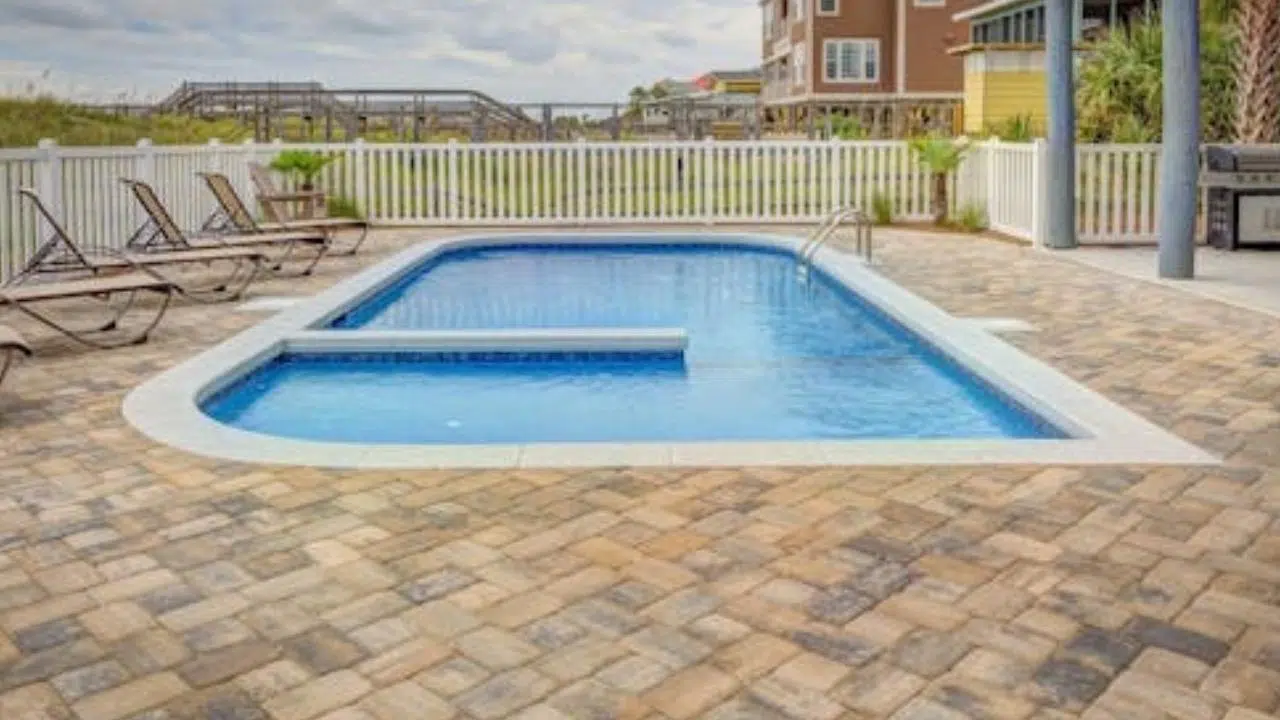
There are many good reasons to consider installing a swimming pool in your backyard. For starters, it’s a quick and private way to cool off during the scorching summer heat. It’s also an excellent way to get a full-body workout. Not to mention the entertainment factor when you invite friends and family over for a weekend BBQ.
A strategically placed, professionally installed swimming pool is also an effective way to increase the value of your property. However, it’s essential to know that the whole process of installing a new pool, no matter how big or small, starts with the necessary soil test Melbourne engineers recommend. This post highlights the reasons why this should be the first step in every pool installation.
Understanding What Soil Tests are
If you’ve never built a home or commercial space from scratch, you may be wondering why you need a soil test to build a small swimming pool. In this regard, it’s important to note that most local authorities require specific soil tests for all new builds. This includes in-ground swimming pools and should also be done even if an existing house and other buildings are already on the property.
Soil tests are primarily done to ensure that the soil and surrounding ground surface are stable and strong enough to withstand the weight of a building or swimming pool. In addition to testing the ground’s characteristics, a soil test will also give your engineer or builder an idea of how the foundation should be built for optimal strength.
In addition to this, soil testing is primarily implemented for the following reasons:
- Establishes whether the foundation will be stable or not.
- Conforms to mandatory compliance before building permits are issued.
- Reduces potential building delays and issues caused by poor soil.
- Ensures environmental regulations and considerations are adhered to, encouraging eco-conservation and promoting ongoing sustainability.
- Enables cost-effective selection of building materials and allows for remedial building techniques, reducing the need for expensive re-dos down the line.
Safety and Durability Should Go Hand-in-Hand for Any Pool Build
If you’ve been researching the costs involved with installing a new pool, you’d have discovered that it’s no small investment. The average swimming pool in Australia costs anywhere between $40,000 and $100,000. With this in mind, the last thing you’ll want is for your investment to show signs of sinking into the ground before it’s even five years old.
While this may seem a little far-fetched, it’s worth noting that this is a reality faced by many homeowners who ditched soil testing during the initial stages. To avoid this, our team have shared a few of the essential reasons why you should opt for soil testing as your first step.
Understanding the Reactivity Factor
First-time pool owners or new builders may not be aware of the fact that Australia is home to a few types of the most “reactive” soils on earth. This means that areas such as New South Wales, Queensland, and Victoria are rich with clay soils.
These soil types are well known for reacting to moisture in the environment by shrinking in dry conditions and expanding in wet conditions. If your pool isn’t constructed on the right spot or with a reinforced foundation, the expanding and contracting of the soil can lead to cracking and eventual sinking. A comprehensive soil test will identify these issues before digging starts.
Assessing the Hydrostatic Pressure in Your Soil
Regions with high water tables, such as Perth or parts of the Gold Coast, as well as coastal areas, can have higher levels of hydrostatic pressure. This means that the force of groundwater pressing against your pool’s shell can lift the pool, damaging the structure.
A soil test will help to identify the water table depth, allowing your builder to install the necessary hydrostatic relief valve or even recommend a specialised drainage system. This will reduce hydrostatic pressure on your pool by diverting water away from the shell.
Dealing With Previous Fills
Another little-known fact is that most Australian backyards don’t have only “virgin soil”. This means that, over the years, and with various other builds, the area will have been filled with soil brought in from other areas to strengthen or “fill” the site. This added soil can be problematic if the soil wasn’t rolled and compacted according to strict Australian standards.
Often referred to as “uncontrolled”, this soil fill can become compressed under the weight of your soil and lead to soil erosion and sinking. This is especially the case in instances where you’re planning a larger-than-average or deeper pool.
Final Thoughts
If you’re planning to add a pool to your outdoor area, it’s essential to speak to your local geotechnical engineering firm for advice on the required soil tests. Not only will this prevent you from having to deal with a sinking pool down the line, but you will also have peace of mind that your newest investment is compliant and safe, while at the same time increasing the value of your property!