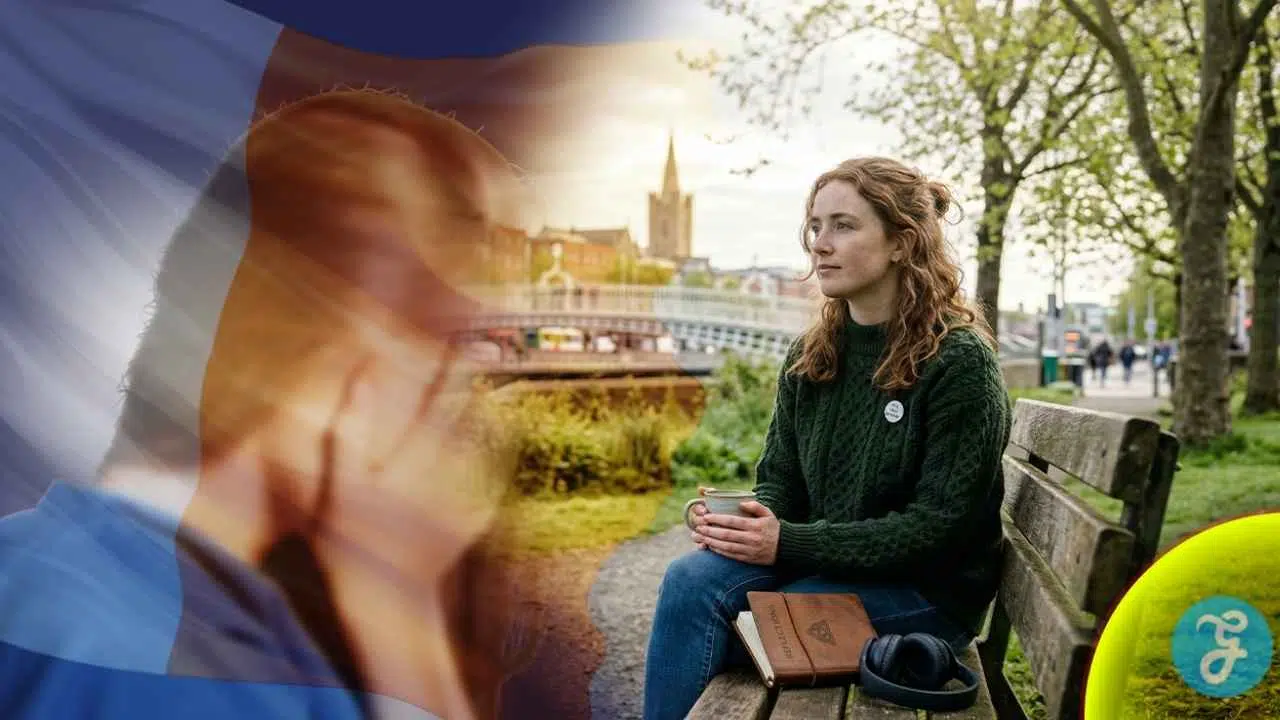
Mental health in Ireland is an issue that touches nearly every family and community across the country. Over the last decade, we have seen a massive shift in how people talk about their emotional well-being. People no longer whisper about depression or anxiety behind closed doors. You hear these conversations in classrooms, at the kitchen table, and across the floor of the Dáil. But while we have done a great job opening up the dialogue, the practical side of getting help tells a completely different story.
If you really want to understand the true picture of what is happening today, you need to look past the awareness campaigns and dive straight into the data. The health system is under massive strain. Waitlists are incredibly long, and community charities carry a heavy burden just to keep things running. This guide breaks down the essential facts you need to know right now, offering a clear, unbiased look at where the country stands, what the statistics actually say, and where people are turning for help.
The Current Landscape of Mental Health in Ireland
Ireland has made incredible progress in tearing down the stigma attached to psychological struggles. Campaigns constantly push people to speak up, but when they finally do, the system is not always ready to catch them. The Health Service Executive deals with intense backlogs, leaving thousands of people stuck waiting for specialized care. To grasp the full scale of the situation, we have to look at the pressure points. Economic stressors, housing instability, and a heavy reliance on digital self-diagnosis are completely reshaping how Irish people experience and treat psychological distress. The data paints a picture of a nation that wants to heal but battles a severely overloaded public health infrastructure.
| Metric | Recent Data Insight | Primary Impact |
| Overall Prevalence | 75% of adults face psychological difficulties at some point. | High demand on GP and counseling services. |
| EU Ranking | Ireland ranks poorly in overall mind health indexes. | Highlights need for better systemic funding. |
| Youth Distress | 29% of adolescents rate their well-being as bad. | Increased pressure on school support systems. |
| Stigma Barrier | Nearly half avoid treatment due to embarrassment. | Delayed intervention worsens clinical outcomes. |
| Workplace Absence | 31% took sick leave for psychological reasons recently. | Economic productivity and personal career stress. |
A Crisis in EU Rankings
Recent reports throw a harsh spotlight on the Irish landscape compared to our European neighbours. Independent mind health studies often place Ireland near the bottom of surveyed European countries when measuring overall psychological vitality. Almost half the population reports feeling like they are languishing or struggling just to get through the week. People find it hard to maintain energy, and constant low-level stress has become the baseline for many adults.
Demographic Disparities
Age and gender play massive parts in who suffers the most and who actually gets help. Women and people under 44 are far more likely to report experiencing emotional difficulties. Furthermore, young Irish adults feel highly vulnerable right now, with a large percentage of those aged 18 to 34 showing signs of severe anxiety, depression, or stress. The landscape is unequal, and the pressure on younger generations feels heavier than ever before.
15 Essential Facts You Need to Know
If you are trying to navigate the system or just want to understand the societal trends surrounding mental health in Ireland, breaking the issue down into specific facts makes it much easier to digest. We pulled data from recent healthcare surveys, academic research, and government reports to highlight what is actually happening on the ground. The following breakdown gives you a clear snapshot of the struggles, the statistics, and the systemic hurdles defining the nation’s psychological well-being.
| Fact Category | Primary Issue | Current Trend |
| General Population | High rates of stress and anxiety | 75% facing some level of difficulty |
| Youth | Worsening school experience | Sharp rise in adolescent anxiety |
| Systemic Delays | CAMHS waiting lists | Thousands waiting for first appointments |
| Economic Factors | Salary and housing costs | Financial instability triggers depression |
| Addiction | Heavy episodic drinking | High rates of self-medication |
1. High Prevalence in the General Population
Mental health conditions are not rare occurrences that only happen to other people; they are incredibly common across the country. Recent health surveys show that up to three-quarters of adults here face some level of psychological difficulty during their lives. Anxiety disorders and depression consistently rank as the most frequently diagnosed conditions by local GPs. This massive prevalence proves that struggling emotionally is just a standard human experience for many of us.
People deal with everything from mild, everyday stress to severe clinical depression, and they do it while trying to hold down jobs and manage families. When you realize just how widespread these issues are, it highlights exactly why we desperately need a public health response that actually meets the demand. Acknowledging the scale of the problem is the first step toward fixing it.
| Condition Type | Frequency in Population | Typical First Point of Contact |
| Anxiety Disorders | Very High | General Practitioner (GP) |
| Mild to Moderate Depression | High | GP or Workplace EAP |
| Severe Clinical Depression | Moderate | Hospital or Private Psychiatrist |
| Bipolar Disorder | Low to Moderate | Specialist Referral |
2. Youth Mental Health is a Growing Concern
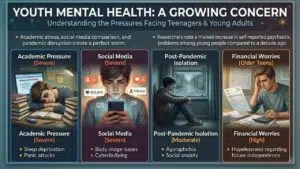
The pressure on teenagers and young adults is reaching a breaking point in communities everywhere. Recent academic studies found that almost a third of adolescents rate their own emotional well-being as bad or very bad. Academic stress, social media comparisons, and the lingering social disruption from the pandemic created a perfect storm for this generation.
Even more concerning, researchers note a marked increase in self-reported psychiatric problems among young people compared to a decade ago, signaling a trend that shows no signs of slowing down. Teenagers face an online world that never sleeps, meaning the pressure to conform and perform follows them right into their bedrooms. Without early and effective intervention, these teenage struggles easily harden into long-term clinical conditions in adulthood.
| Youth Stressor | Impact Level | Resulting Behavior |
| Academic Pressure | Severe | Sleep deprivation, panic attacks |
| Social Media | Severe | Body image issues, cyberbullying |
| Post-Pandemic Isolation | Moderate | Agoraphobia, social anxiety |
| Financial Worries | High (Older Teens) | Hopelessness regarding future independence |
3. The CAMHS Waiting List Crisis
The Child and Adolescent Mental Health Services is the main state support network for young people experiencing moderate to severe psychiatric issues. Sadly, the system is notorious for its incredibly long waiting lists. Depending on the county you live in, a child might wait months or even years just to get an initial assessment letter. This delay is dangerous because early intervention stops short-term distress from becoming a lifelong clinical condition.
The current backlog means many parents are forced to watch their children deteriorate while waiting for the public system to catch up. Families express massive frustration as they feel abandoned by a system that promises help but fails to deliver it when a child is in active crisis. It remains one of the most hotly debated political issues in the country.
| Waiting List Issue | Reality for Families | Consequence |
| Initial Assessment Delay | 6 to 18+ months depending on postcode | Condition worsens without treatment |
| Treatment Bottleneck | Lack of available clinical psychologists | Heavy reliance on medication over therapy |
| Postcode Lottery | Rural areas have fewer specialists | Forces families to travel long distances |
| Private Alternatives | Costs hundreds of euros out of pocket | Excludes low-income families from fast care |
4. The Impact of the Housing Crisis
You simply cannot separate the state of mental health in Ireland from the ongoing housing and cost-of-living emergencies. Over half of the population cites financial instability and job insecurity as massive drains on their psychological well-being. Rent is soaring out of control, and thousands of young adults are trapped living in their childhood bedrooms well into their late twenties and thirties.
This complete lack of independence and the constant fear of eviction directly fuel severe anxiety and depression. It creates a vicious cycle where economic policy failures trigger widespread psychological distress, making it incredibly hard for people to focus on healing when they do not even know where they will be living next month. A stable home is the foundation of a stable mind.
| Economic Stressor | Psychological Impact | Demographic Most Affected |
| High Rent Costs | Constant anxiety and panic | Renters aged 20-40 |
| Living with Parents | Stunted independence, depression | Young adults (18-35) |
| Threat of Eviction | Severe trauma, acute stress | Low-income families |
| General Inflation | Burnout from working multiple jobs | General working population |
5. Suicide Rates and Prevention Strategies
Suicide remains a devastating reality that shatters too many Irish families every single year. Health data highlights a deeply concerning trend among youth, with a shocking number of surveyed adolescents reporting they had attempted suicide in their lifetime. National strategies like Connecting for Life aim to drive these numbers down through better clinical training and community intervention.
While overall national suicide rates have seen periods of stabilization, the specific spikes among marginalized youth and young men show that the preventative safety nets still miss people. Communities work incredibly hard to watch out for each other, but the sheer volume of people reaching a crisis point shows that systemic changes are needed. Prevention requires immediate access to care, something the current system struggles to provide.
| Prevention Strategy | Focus Area | Goal |
| Connecting for Life | National Government Policy | Reduce overall suicide rates across demographics |
| SafeTALK Training | Community Education | Teach locals to identify suicidal behavior |
| Pieta House Interventions | Charity Support | Free therapeutic sessions for those in crisis |
| GP Training Programs | Primary Care | Equip doctors to handle acute mental distress |
6. Stigma is Decreasing but Remains in Workplaces
Public surveys show that the vast majority of people agree anyone can experience a psychological difficulty. Irish people are generally empathetic and supportive in their personal lives. However, that empathy does not always translate to the corporate world or the factory floor. Almost half of the people who experience difficulties avoid engaging with treatment because they feel embarrassed or ashamed.
A huge chunk of the Irish working population takes sick leave for psychological issues, yet many still fear telling their boss the real reason for their absence. They worry it will ruin their chances for a promotion or make them look weak to their colleagues. This hidden workplace stigma forces people to suffer in silence from 9 to 5.
| Workplace Challenge | Employee Fear | Common Outcome |
| Requesting Time Off | Boss will think they are lazy | Lying about having a physical illness instead |
| Disclosing a Diagnosis | Being passed over for promotion | Hiding symptoms, leading to severe burnout |
| Using EAP Services | Lack of true confidentiality | Refusal to use free company therapy |
| Returning to Work | Gossip among colleagues | High anxiety upon returning from sick leave |
7. HSE Budget Allocations Fall Short
International health experts usually suggest that psychological care should make up at least ten percent of a country’s total health budget to be effective. Ireland historically hovers well below this necessary target. Without injecting massive, sustained core funding into the HSE, fixing the deep structural problems is practically impossible. Frontline workers face intense burnout, psychiatric clinics run completely understaffed, and facilities desperately need modernization.
Advocates argue that until the government matches its public awareness campaigns with hard financial investment, the system will continue to crack under the weight of demand. You cannot run a modern healthcare system on a shoestring budget, and the lack of funding directly translates to the long waiting lists people face every day.
| Budget Factor | Recommendation | Current Reality |
| Overall Health Budget % | Minimum 10% | Consistently falls below the 10% mark |
| Staffing Levels | Fully staffed regional clinics | Severe shortages in psychiatric nursing |
| Facility Upgrades | Modern, welcoming environments | Many outdated and poorly maintained buildings |
| Community Funding | Strong financial backing for NGOs | Charities rely heavily on public donations |
8. The Rural Versus Urban Divide
Your physical address heavily dictates the level of care you can actually access. Cities like Dublin, Cork, and Galway boast multiple private clinics, specialized therapists, and daily support group meetings. If you live in a remote part of Kerry, Donegal, or Mayo, the story changes drastically. Rural residents often face severe shortages of basic psychiatric care and support services.
They have to travel hours just to sit in a therapist’s chair, which adds heavy logistical stress and massive financial costs to people who already struggle to cope. The isolation of rural living compounded by a lack of transport makes getting help feel like an impossible mountain to climb. The system completely fails those living outside the major urban hubs.
| Location | Access to Private Therapy | Access to Public Clinics | Travel Time for Care |
| Dublin/Cork (Urban) | High | Moderate (Waitlists apply) | Low (Public transit available) |
| Large Towns | Moderate | Low to Moderate | Moderate (Driving usually required) |
| Deep Rural Areas | Very Low | Severely Limited | High (Often 1+ hours each way) |
9. Gaps in Dual Diagnosis Treatment
A dual diagnosis happens when someone battles a psychological disorder and an active addiction issue at the exact same time. Unfortunately, the Irish healthcare system often treats addiction and emotional health in completely separate silos. A person might be denied psychiatric help because they are actively drinking, and denied addiction treatment because their psychological needs are deemed too complex.
Bridging this specific treatment gap is one of the hardest challenges the system faces today. People fall straight through the cracks because services refuse to overlap. Until the health system realizes that addiction is often just a symptom of untreated trauma, these vulnerable patients will continue to bounce between departments without ever getting the comprehensive help they need.
| Treatment Area | Systemic Approach | Issue for the Patient |
| Addiction Services | Focuses strictly on substance cessation | Ignores the underlying trauma or depression |
| Psychiatric Services | Requires patient to be sober for treatment | Rejects those who use substances to cope |
| Dual Diagnosis Reality | Patient needs integrated care | Patient gets rejected by both departments |
10. LGBTQ+ Mental Health Disparities
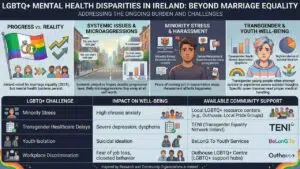
Ireland voted overwhelmingly for marriage equality, but the LGBTQ+ community still carries a very heavy psychological burden. Research reveals that an alarming number of transgender and gender-diverse young people attempt suicide or experience severe suicidal thoughts. Minority stress, online harassment, and the fear of coming out in conservative areas contribute heavily to this shocking disparity.
Organizations like BeLonG To do incredible, life-saving work, but the mainstream medical system needs to be far more equipped to handle the specific traumas faced by queer individuals. Progressive laws do not automatically erase decades of systemic prejudice, and young LGBTQ+ people still face daily microaggressions that chip away at their self-worth and overall happiness.
| LGBTQ+ Challenge | Impact on Well-being | Available Community Support |
| Minority Stress | High chronic anxiety | Local LGBTQ+ resource centers |
| Transgender Healthcare Delays | Severe depression, dysphoria | TENI (Transgender Equality Network Ireland) |
| Youth Isolation | Suicidal ideation | BeLonG To Youth Services |
| Workplace Discrimination | Fear of job loss, closeted behavior | Outhouse LGBTQ+ Centre |
11. Men’s Mental Health and Seeking Help
Generations of Irish men learned to swallow their feelings and just get on with things. This outdated version of stoic masculinity prevents thousands of men from talking to a doctor when they feel completely overwhelmed. Men are statistically less likely to seek out talk therapy than women, often turning to the pub to self-medicate instead. However, grassroots initiatives are slowly starting to change this narrative.
The Men’s Sheds movement creates brilliant, pressure-free environments where men work on projects together and talk shoulder-to-shoulder. It breaks down male isolation in a highly effective, non-clinical way. Getting men to talk requires creating spaces where they feel safe and unjudged, and community groups are doing exactly that.
| Coping Mechanism | Traditional Male Approach | Modern Healthy Approach |
| Dealing with Stress | Internalize, stay silent | Talk to a mate or counselor |
| Emotional Pain | Self-medicate with alcohol | Attend a support group |
| Isolation | Withdraw from family | Join a Men’s Shed or local club |
| Asking for Help | Viewed as a weakness | Viewed as taking control of health |
12. The Crucial Role of Charities and NGOs
Because the public health system is entirely overstretched, charities practically hold the entire care system together. Organizations like Pieta, Aware, and Jigsaw do the heavy lifting when it comes to frontline intervention. They provide free counseling, run crisis hotlines, and offer peer support for those battling bipolar disorder and severe depression.
These groups rely heavily on massive public donations and fundraisers like Darkness Into Light just to keep their doors open. Without these non-governmental organizations, the public health system would completely collapse under the current demand. They step in exactly where the state fails, offering immediate, compassionate care to people who cannot afford to wait months on a government list.
| Charity Organization | Primary Focus | How They Are Funded |
| Pieta | Suicide and self-harm intervention | Public donations, Darkness Into Light |
| Aware | Depression and bipolar support | Corporate sponsors, public fundraising |
| Jigsaw | Youth mental health (12-25) | HSE grants, community fundraisers |
| Samaritans | 24/7 listening and crisis hotline | Donations, volunteer-run |
13. The Lingering Effects of the Pandemic
The lockdowns ended a long time ago, but the psychological hangover certainly has not. The severe disruption to schooling, family relationships, and normal socialization hit the country incredibly hard. Health professionals still deal with a massive surge of complex anxiety, OCD, and agoraphobia that began directly during the Covid-19 restrictions.
For many teenagers, the breakdown of family dynamics during lockdown became a massive trigger for long-term emotional distress. The pandemic proved that sweeping societal changes leave deep psychological scars that take years to heal. People forgot how to socialize naturally, and the forced isolation fundamentally rewired how many of us handle stress and community interaction.
| Pandemic Impact | Psychological Result | Long-term Consequence |
| Forced Isolation | Severe loneliness, depression | Difficulty reintegrating into social settings |
| School Closures | Stunted emotional growth | High anxiety among adolescents |
| Health Anxiety | Hypochondria, OCD symptoms | Lingering fear of illness and public spaces |
| Remote Work | Blurring of work/life boundaries | High rates of corporate burnout |
14. The Danger of Unverified Digital Advice
Young adults increasingly turn to their phone screens rather than a trained doctor. Over half of young people use artificial intelligence apps for therapy, and nearly a quarter rely on social media platforms like TikTok or Instagram to figure out what is wrong with them. While the internet builds great communities, this specific trend raises massive red flags for public health.
Relying on unverified digital sources leads to rampant misinformation, completely incorrect self-diagnoses, and dangerous delays in accessing real professional medical care. People convince themselves they have rare personality disorders based on a sixty-second video, creating unnecessary panic and complicating the job of actual therapists who have to untangle the web of online misinformation.
| Digital Source | Associated Risk | Better Alternative |
| TikTok / Instagram | Misinformation, incorrect self-diagnosis | Read HSE certified health literature |
| Unregulated AI Chatbots | Generic advice, misses crisis cues | Text 50808 for real human support |
| Online Forums (Reddit) | Echo chambers of negativity | Attend a professionally led support group |
| Influencer Advice | Pushes unregulated supplements | Consult a registered General Practitioner |
15. The Rise of Community-Led Wellness
In response to the systemic failures of the state, regular Irish people took matters into their own hands. We are seeing an absolute explosion of community-led wellness initiatives across every county. Sea swimming groups, local running clubs, mindfulness workshops, and community gardens pop up everywhere. These groups do not substitute for clinical psychiatric care, but they serve as an amazing preventative tool.
They force people out of their isolated bubbles, build real local resilience, and give people a safe space to connect with their neighbors before they ever hit a crisis point. It is a beautiful reminder that while the medical system struggles, the community spirit in Ireland remains incredibly strong and focused on collective healing.
| Community Initiative | Benefit | Who it Helps |
| Sea Swimming Groups | Endorphin release, social bonding | People feeling isolated or stressed |
| Local Running Clubs | Physical health, structured routine | Anyone looking for an active outlet |
| Men’s Sheds | Skill sharing, low-pressure talking | Older men, retirees, isolated males |
| Community Gardens | Mindfulness, connection to nature | Urban residents seeking peace |
How to Find Help and Support in Ireland?
If you find things difficult right now, you need to know that you are not alone and that clear pathways to help do exist. Navigating the health system definitely requires patience, but taking the very first step is the most important part of your recovery journey. Your first port of call should always be your General Practitioner. A GP assesses what you are going through, prescribes medication if it is clinically necessary, and puts you on the list for public HSE counseling. If public wait times stretch too long and you have the financial means, your GP also provides referrals to highly qualified private psychotherapists who can see you much faster.
| Support Type | Description | Best For |
| General Practitioner | Initial assessment and referrals | First step in seeking help |
| HSE Public Services | Free psychiatric care and CAMHS | Long-term or severe clinical needs |
| Private Therapy | Paid out-of-pocket counseling | Faster access to weekly talk therapy |
| Text 50808 | Free, anonymous 24/7 text support | Immediate distress or panic attacks |
| The Samaritans | Freephone listening service (Call 116 123) | Anyone needing a non-judgmental ear |
If you are in immediate danger or feeling actively suicidal, you can go straight to the accident and emergency department of your local hospital. For times when you just need to talk to someone right away without leaving your house, organizations like the Samaritans operate twenty-four hours a day without any judgment. The 50808 text service is also a brilliant resource if you feel overwhelmed and prefer texting over talking out loud. Reaching out takes massive courage, but there are thousands of dedicated professionals and volunteers across the country waiting right now to help you find your footing again.
Final Thoughts
The reality of mental health in Ireland is a complex mix of incredible community compassion and deeply frustrating systemic roadblocks. We moved past the days of silence, but we now face the loud, urgent challenge of actually treating people on time. Whether it is tackling the severe CAMHS backlog, addressing the crippling housing crisis, or properly funding local charities, the road ahead requires serious government action, not just more awareness campaigns.
If we want to genuinely improve mental health in Ireland, we have to keep looking after each other locally while demanding much better infrastructure nationally. Help is out there, and absolutely no one should have to walk through their darkest days alone.
Frequently Asked Questions (FAQs) About Mental Health in Ireland
1. What is the most common mental health issue in Ireland?
Anxiety disorders and depression rank as the most frequently reported conditions in the country. This mirrors global trends, but local factors like economic stress, housing insecurity, and post-pandemic isolation often trigger or worsen these specific conditions.
2. Are mental health services free in Ireland?
Public services provided directly by the HSE are free of charge. However, due to the massive waiting lists, many people choose to pay out of pocket for private counseling to access immediate care. Some charities also offer free or sliding-scale therapy sessions based on what you can afford.
3. How can I access CAMHS for my child?
Access to the Child and Adolescent Mental Health Services usually requires a direct referral from a healthcare professional. You usually do this through your family GP, but referrals can also come from pediatricians or educational psychologists if the school is involved.
4. Why is the Irish workplace so impacted by mental health?
High workloads, tight deadlines, and salary concerns given the massive cost of living are huge stress triggers. Over half of professionals cite their salary level as negatively impacting their well-being, leading to high rates of stress-related sick leave compared to other European nations.
5. Can I self-refer to public HSE mental health services?
Generally, no. Access to specialized HSE services, including adult psychiatry and youth services, usually requires a clinical referral from a GP or another recognized medical professional to ensure you get placed in the correct care pathway.