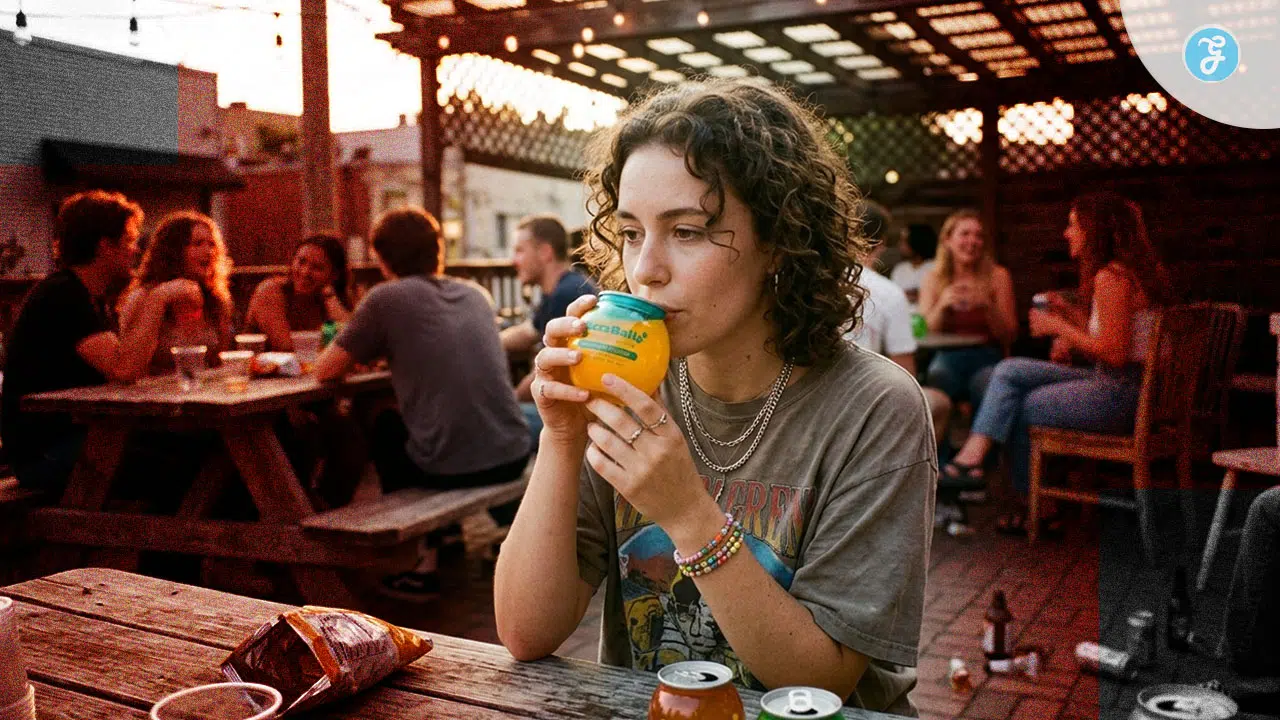
The headline-grabbing data from 2026 suggests a generation of saints. We are told Gen Z is the soberest cohort in history, trading tequila for turmeric lattes and hangovers for high-performance wellness. But a massive contradiction sits on the shelves of your local convenience store. While the world discusses the decline of traditional drinking, a neon-colored sphere is quietly hijacking the party.
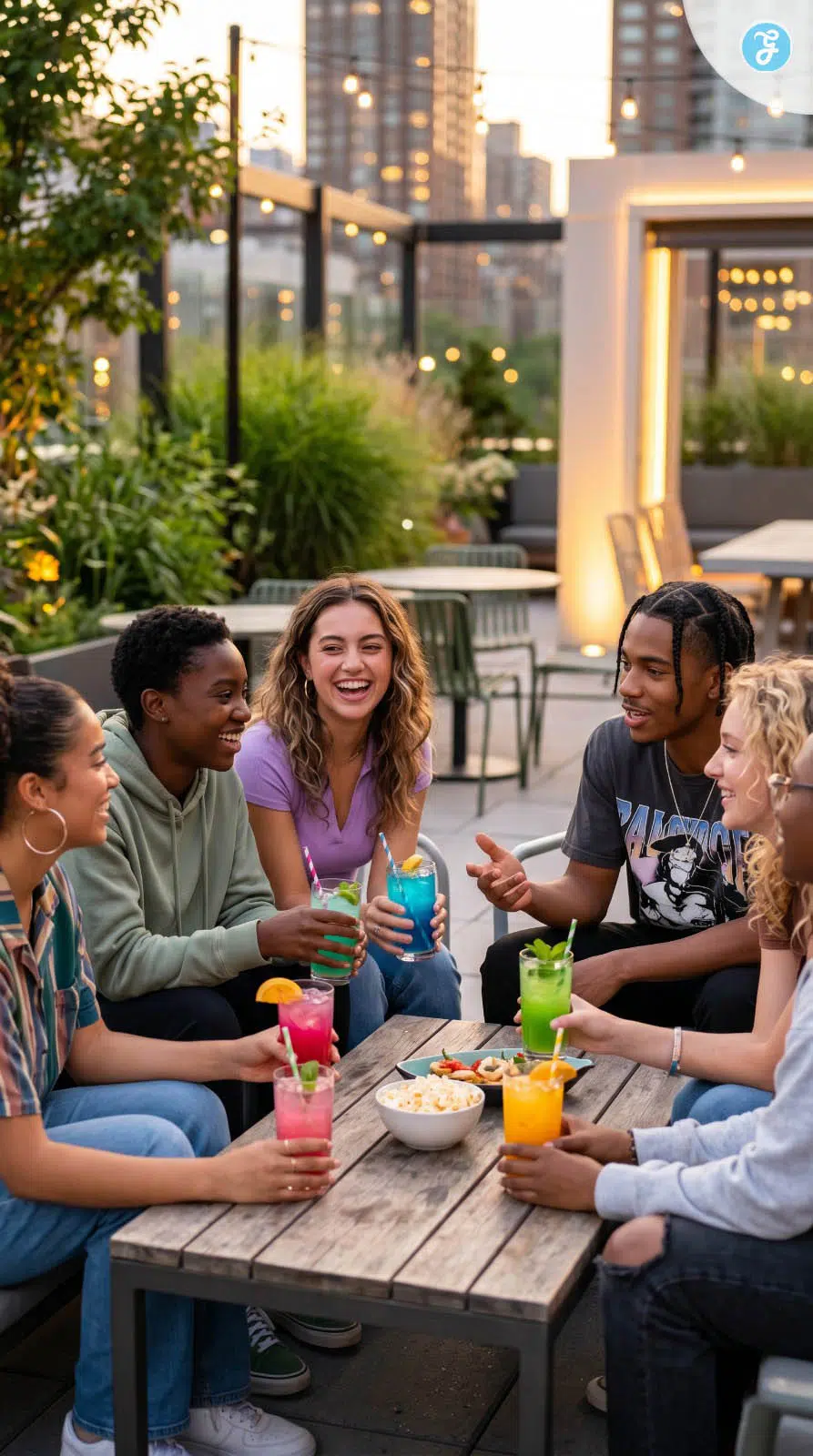
BuzzBallz and Gen Z alcohol consumption trends in 2026 reveal a deep paradox. New research from University College London shows that nearly 70% of Gen Z adults reported binge drinking in the past year. Even more striking is that frequent bingeing has tripled since they were in their late teens. The “Sober Curious” movement is real, but it has a high-potency shadow.
This is the Sugar-Coated Crisis. We are seeing a generation that prides itself on mindful living falling for a product that looks like a tennis ball and tastes like a liquid lollipop. With a 15% ABV, these small containers pack a punch twice as strong as a standard glass of wine.
The industry has found a loophole in the Gen Z identity. By making alcohol “snackable” and “Instagram-ready,” they have removed the friction of drinking. You do not need to learn the complexities of a dry martini when you can just pop a plastic ball that tastes like a peach chiller. The vibrant colors and spherical shapes are not just branding. They are a visual language that bypasses the adult brain’s risk sensors.
Public health bodies are finally sounding the alarm. In India, the Karnataka State Commission for Protection of Child Rights recently warned that these drinks are being mistaken for fruit juice near schools. This is a global issue. When a beverage looks like a toy and hides the harsh burn of spirits with intense sugar, the result is rapid, unintentional intoxication.
The crisis is not just about what is in the bottle. It is about the rebranding of risk. We see 2026 as an era of peak health awareness, yet we are normalizing a binge culture dressed as a party favor. The “Borg” (Black Out Rage Gallon) trends on social media prove that Gen Z has not quit drinking. They have simply changed the delivery system to something faster, cheaper, and far more deceptive.
True mindfulness requires seeing past the neon glow. If the goal is actual wellness, we must address how high-sugar, high-potency alcohol is being sold as a harmless accessory. A crisis does not stop being dangerous just because it comes in a cute package. We need to look at the math behind the marketing and realize that 15% alcohol is never just child’s play.
The Design Behind a Global Binge
Traditional alcohol brands spent decades selling luxury and status. They focused on heavy glass bottles and heritage. BuzzBallz threw that playbook away for something far more effective in 2026. They created a visual language that speaks directly to the smartphone camera. By making alcohol look like a harmless toy, they removed the psychological barrier to high-volume drinking.
Visual Cues and the Toy-Like Trend
The spherical design is a masterclass in psychological manipulation. In a world of sleek tech, these drinks stand out because they look like tennis balls or plastic ornaments. This appeals to a 2026 consumer trend where adult products are designed to look like childhood nostalgia. The bright colors do more than just attract the eye. They signal that the contents are “fun” rather than “potent.” This aesthetic bypasses the part of the brain that recognizes a 15% ABV drink as a serious chemical. It turns a strong cocktail into a “snackable” item.
Gamification and Viral Quests
Marketing has shifted from billboards to scavenger hunts. Social media challenges now encourage followers to “collect them all” or find rare seasonal flavors.
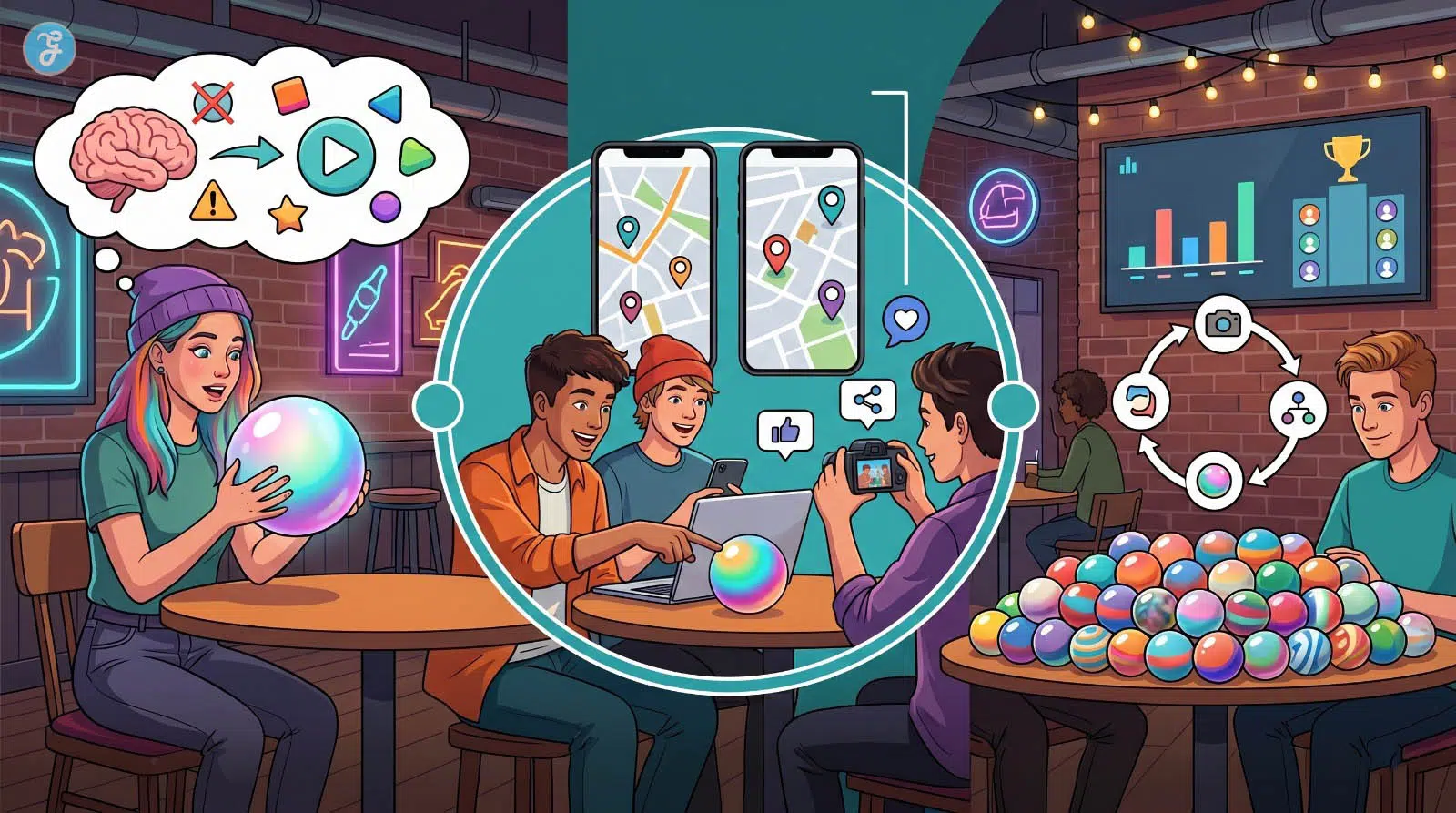
This turns a trip to the liquor store into a game of hide and seek. When consumption becomes a collectible hobby, the risk of bingeing increases. Users film themselves “hunting” for flavors like Choc Tease or Forbidden Apple to gain views. This digital validation creates a dangerous feedback loop. Drinking is no longer just a social activity. It is a quest for content that rewards excessive purchasing and rapid consumption.
The Math of a Widespread Crisis
The danger of this new drinking culture is hidden in plain sight. In 2026, the industry has mastered the art of stealth potency. By moving away from standard bottle sizes and traditional tastes, they have created a scenario where the physical sensation of drinking no longer matches the biological impact. This disconnect is where the risk turns into a medical reality for a generation that believes it is making healthier choices.
The 15% ABV Math and Invisible Impact
Most people look at a 200ml container and see a small single serving snack. However, the math tells a different story. At 15% alcohol by volume, one of these spheres contains nearly 30ml of pure ethanol. That is almost exactly the same amount of alcohol found in two standard five ounce glasses of wine or two full strength twelve ounce beers.
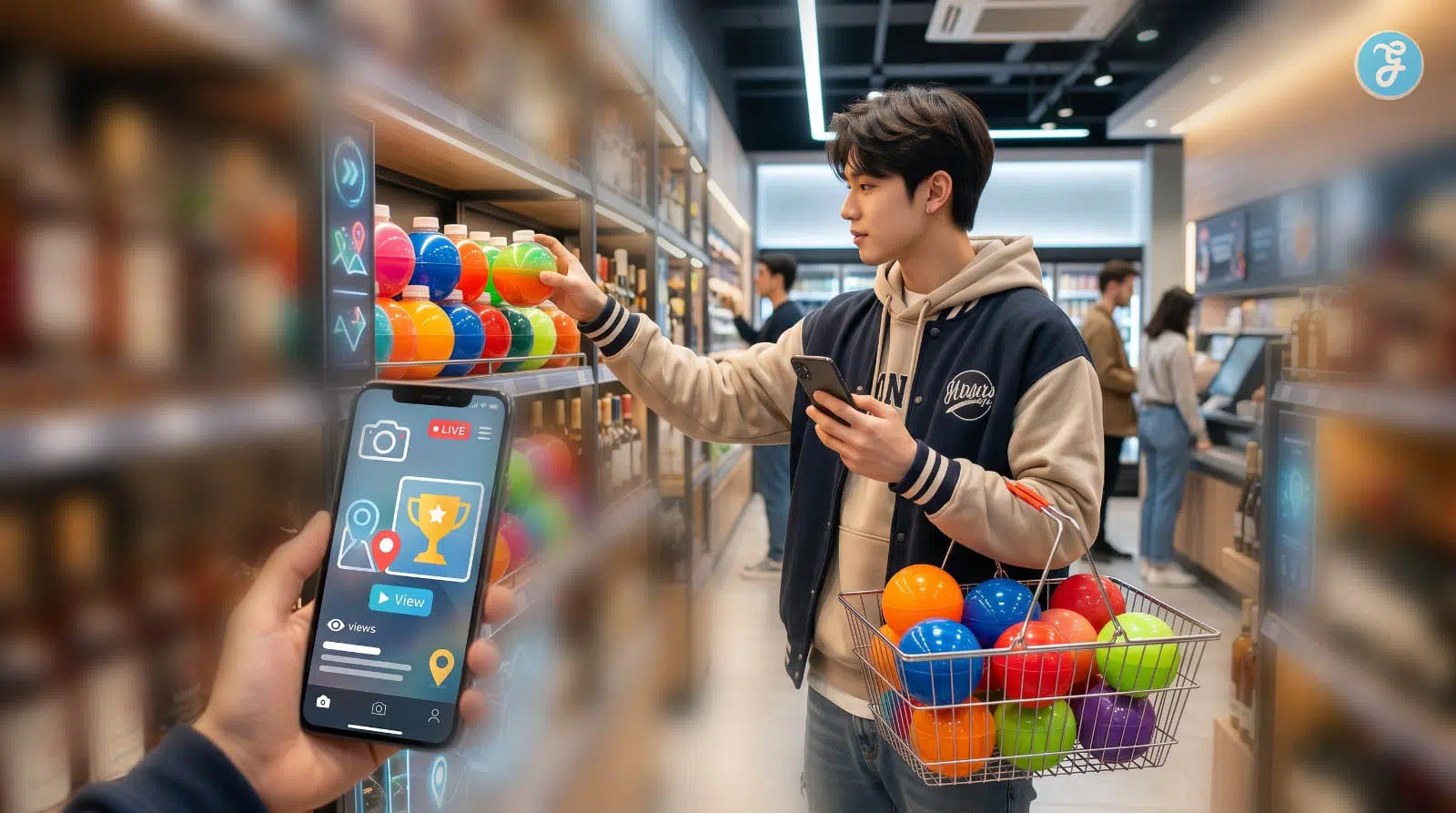
Because the container is so small, users often consume three or four in a single sitting. They do not realize they have effectively downed a bottle of wine or a six pack in record time. This density makes accidental bingeing the new baseline for Gen Z drinking habits.
Sugar Masking and the Dessert Inspired Strategy
The biggest weapon in the 2026 alcohol market is the dessert inspired flavor profile. By flooding the palate with extreme sweetness, brands can completely mask the natural burn of high proof spirits. This is a deliberate global strategy to appeal to the primary BuzzBallz demographic. These consumers often favor sugary flavors over the acquired taste of traditional alcohol. When the ethanol bite is removed, the body’s natural defense mechanism to sip slowly is disabled. This leads to rapid fire consumption where the blood alcohol level spikes far faster than the brain can process. It turns a casual night into a medical emergency.
The Push for Ingredient Integrity
As we move through 2026, the regulatory conversation is shifting from “how much” we drink to “what” is actually inside the can. The 2026 Global Alcohol Industry Report highlights a growing demand for “Clean-Label” cocktails. Consumers are beginning to realize that the intense sweetness of RTDs is often achieved through high fructose syrups and artificial masking agents that bypass traditional nutrition labeling.
The World Health Organization is now advocating for “Full Disclosure” laws that would force alcohol brands to list sugar and calorie content as prominently as their ABV. This is the next frontier of the Sugar Coated Crisis. Until we treat these dessert inspired cocktails with the same transparency as a box of cereal or a bottle of soda, the loophole will remain open. True mindfulness in 2026 is not just about choosing to drink less. It is about demanding to know exactly what is being hidden behind the neon glow.
The Global Shift: From Barstools to Barbells
While the Western world focuses on “Dry January” rituals, the global alcoholic beverage market is undergoing a massive geographic pivot. In 2026, the Asia Pacific region has emerged as the dominant force, with a market size exceeding 1.1 trillion dollars. This growth is not coming from traditional spirits but from the rapid urbanization of young adults in India, China, and Singapore. For this demographic, drinking is less about heritage and more about a high energy lifestyle.
However, a new class divide is appearing. Bank of America internal data from early 2026 shows that while bar spending remains resilient, retail alcohol sales are sliding. The trend for Gen Z is shifting from “barstools to barbells,” as social budgets are increasingly diverted toward fitness and active hobbies. This creates a desperate situation for retail brands. To compete with the “wellness” dollar, they must make their products appear as harmless as a post workout snack.
Sensory Marketing and the Brain Risk Loophole
The crisis is rooted in how the 2026 beverage industry uses sensory science. Beyond just “toy like” shapes, brands are now using “multisensory” triggers to override the brain’s natural resistance to high ethanol levels. We are seeing the rise of “sipscapes”, drinks that use pH reactive botanicals to change color or texture as they are consumed.
These visual rituals do more than create social media content. They distract the consumer from the biological reality of the 15 percent ABV content. When a drink changes from blue to pink or features a “cloudy over clear” dual phase layer, the brain treats it as an experiential event rather than a chemical intake. This sensory overload creates a “halo effect” where the playful theater of the drink masks the systemic risk of bingeing.
Regulatory Red Flags From India to Europe
The colorful rise of these beverages has finally triggered a global pushback from health authorities. In 2026, the conversation has moved from lifestyle trends to legislative action as governments realize that self regulation in the alcohol industry is failing. From Southeast Asia to the heart of the European Union, the focus is now on how these products are disguised and delivered to a younger, more vulnerable demographic.
The India Case Study and the Juice Illusion
In early March 2026, the Karnataka State Commission for Protection of Child Rights issued a high level warning that resonated far beyond Bengaluru. The commission flagged that BuzzBallz were being sold near educational institutions in packaging that children easily mistake for ordinary fruit juice. Because the spherical containers lack the traditional visual cues of alcohol bottles, minors are reportedly consuming them without realizing the potency. This prompted an urgent call to the Drugs Control Department to restrict sales near schools and colleges. The core concern is that a 15% ABV beverage should never be indistinguishable from a school lunchbox snack.
The 2026 European Crackdown on Digital Marketing
Across the Atlantic, the regulatory climate is equally tense. New 2026 reports from the World Health Organization and the European Commission are calling for an aggressive overhaul of “Alcopop” taxes to price these high potency drinks out of reach for casual youth consumption. A major focus of the 2026 Global Report on Alcohol Taxes is the “Best Buy” strategy, which includes banning digital marketing that circumvents traditional media rules. Health officials are pushing for a “Full Marketing Ban” similar to Lithuania’s model, specifically targeting social media influencers who gamify drinking. By treating ready to drink cocktails with the same strictness as tobacco, Europe aims to break the link between digital aesthetics and dangerous drinking habits.
The Affordability Over Health Narrative
In a global economy defined by persistent inflation, the choice between wellness and the weekend often comes down to the price tag. While 2026 consumer data suggests rising financial confidence, actual spending on alcohol remains stubbornly low. This has created a perfect environment for high potency, low cost drinks to become the default party fuel for a generation facing a massive cost of living squeeze.
Economic Drivers and the Five Dollar High
For many young adults, a five dollar bill is the entry point to a night out. In major cities from London to New York, the price of a standard bar cocktail has soared past fifteen dollars. BuzzBallz and similar ready to drink brands offer a 15% ABV hit for a fraction of that cost. This extreme affordability drives volume. When inflation eats into disposable income, the “bang for your buck” becomes the primary metric for social planning. This economic pressure forces a move away from moderate, quality drinking toward high velocity consumption at home or on the go.
Premium Sober vs. The Budget Binge Reality
A sharp class divide has emerged in the 2026 drinking landscape. On one side is the “Premium Sober” lifestyle, where affluent consumers spend ten dollars on adaptogen infused mocktails and expensive alcohol free spirits. On the other side is the “Budget Binge” reality. For those without the luxury of high end wellness alternatives, cheap and potent RTDs provide the only accessible social lubricant. This creates a two tier system where health and moderation are becoming expensive status symbols. The crisis is not just about a lack of willpower. It is about a market where being sober is a luxury, but getting drunk remains remarkably cheap.
The Toxic Reality Behind the Neon Glow
While the branding suggests a harmless party, the data paints a far more sinister picture of our current landscape. Before we can address the solution, we must confront the uncomfortable facts that the industry has spent millions trying to hide. These five truths expose the mechanics of a crisis designed to profit from the wellness generation.
- The Potency Trap: A single sphere contains the same alcohol hit as two strong beers, yet the toy-like design encourages users to consume them at the speed of a juice box.
- The Biological Hijack: By using intense sugar and color shifting botanicals, brands are successfully disabling the human body’s natural gag reflex against high proof spirits.
- The Global Pivot: The industry is moving its focus to the Asia Pacific market, turning a 1.1 trillion dollar economy into a testing ground for high velocity, low cost bingeing.
- The Digital Gamification: Viral “flavor hunting” challenges have turned a dangerous chemical intake into a collectible social game, rewarding young adults for excessive purchasing.
- The Wellness Smokescreen: The “Sober Curious” label is being used as a marketing shield, allowing brands to sell rapid intoxication under the guise of “mindful” or “snackable” drinking.
When Wellness Becomes a Mask for a Mass-Scale Crisis
The sober curious movement is a legitimate shift in human behavior. It is not a myth, but in 2026, it has become a convenient smokescreen for the global alcohol industry. While we celebrate a generation that values clarity, we are ignoring the neon spheres stacking up in the trash. The industry is weaponizing the language of wellness to sell a product that is anything but healthy. By focusing our gaze on the rise of mocktails, we have allowed a much more potent threat to slip through the side door unnoticed.
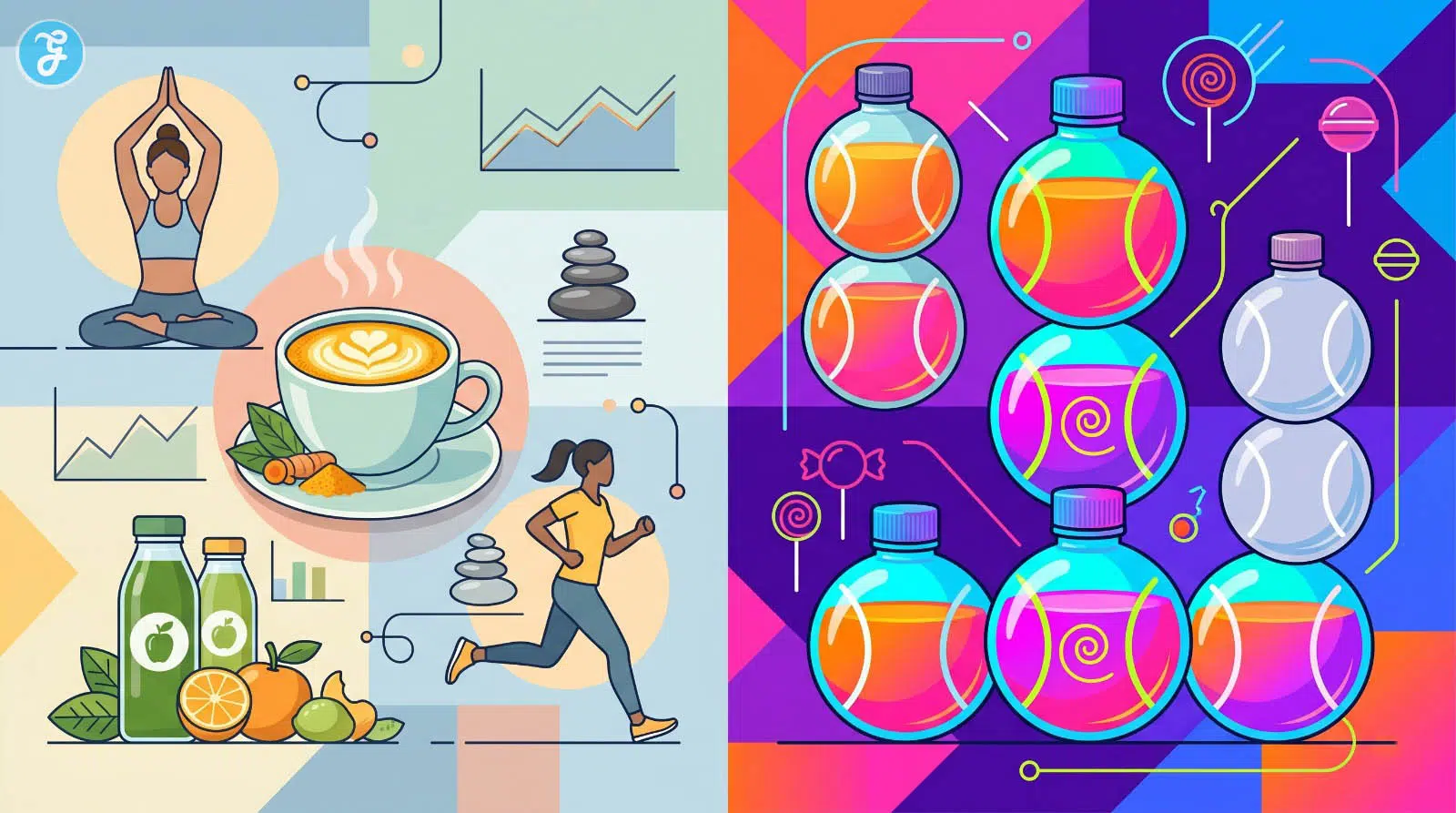
Gen Z alcohol consumption trends 2026 demand a reckoning with the gap between identity and reality. We must stop pretending that a 15% ABV cocktail in a plastic ball is just a playful lifestyle choice. It is a biological ambush. To move forward, we need more than just awareness. We need a complete overhaul of how we gatekeep these digital party favors.
Global standards for warning graphics are the first step. If a product looks like a toy, the law should mandate that it clearly identifies as a toxin. We cannot rely on the goodwill of corporations that profit from the blur between a snack and a spirit. This must include aggressive age-gating on the social media platforms where these drinks find their viral life. The digital wild west where bingeing is gamified must be tamed by strict regulatory oversight.
Closing this loophole requires looking at the facts without the sugar coating. We must hold the industry accountable for its aesthetic engineering and its predatory pricing. True moderation is not a trend to be marketed back to us in a colorful sphere. It is a collective responsibility to protect the health of a generation that thinks it has already escaped the trap. The party is over, and it is time to look at exactly what we are being served.