In 2026, the definition of “cloud hosting” has fundamentally changed. We are no longer just renting virtual real estate; we are subscribing to intelligent, autonomous infrastructure. The era of manually provisioning servers is ending, replaced by “NoOps” environments where AI agents manage capacity, security, and optimization in real-time.
This shift is driven by two massive forces: the unprecedented computational hunger of AI and the tightening grip of data sovereignty regulations. This guide explores the 5 most critical cloud hosting trends for 2026 that are redefining how businesses build, deploy, and scale.
The 5 Best Emerging Trends in Cloud Hosting For 2026
These are our picks:
1. Autonomous “NoOps” Cloud
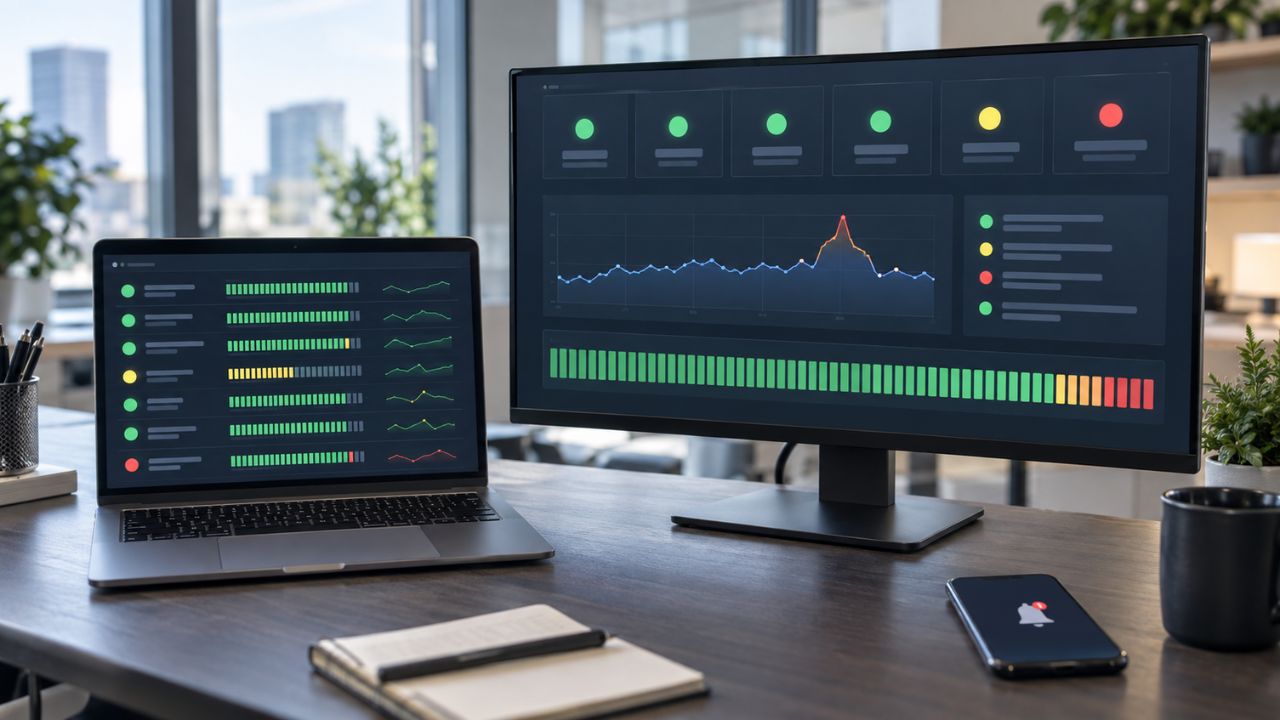
The dream of “NoOps” (No Operations) is finally becoming reality. In 2026, cloud platforms are integrating Agentic AI—autonomous agents that don’t just monitor your stack, but actively fix it. These agents can predict traffic spikes, auto-negotiate spot instance pricing, and patch security vulnerabilities without human intervention. The role of the DevOps engineer is shifting from “fixing servers” to “managing the AI that fixes servers.”
Best For: Startups and enterprises looking to minimize operational overhead.
Pros:
- Drastic reduction in downtime due to human error.
- Real-time cost optimization (FinOps) happens automatically.
- 24/7 self-healing capabilities.
Cons:
- Loss of granular control for engineers.
- Risk of “runaway automation” racking up bills if not configured correctly.
2. The Rise of “Sovereign” & Specialized Clouds
The dominance of the “Big Three” (AWS, Azure, Google) is fracturing. 2026 is the year of the Sovereign Cloud—infrastructure physically located within specific national borders to meet strict data privacy laws (like the EU’s Data Act). Simultaneously, we are seeing “Industry Clouds” designed specifically for sectors like healthcare or finance, coming pre-configured with the necessary compliance controls (HIPAA, GDPR, FedRAMP).
Best For: Government, Finance, Healthcare, and EU-based companies.
Pros:
- Automatic compliance with local data laws.
- Reduced latency for local users.
- Protection against geopolitical data risks.
Cons:
- Often more expensive than generic global regions.
- Slightly smaller menu of available services/tools.
3. The Edge-AI Convergence
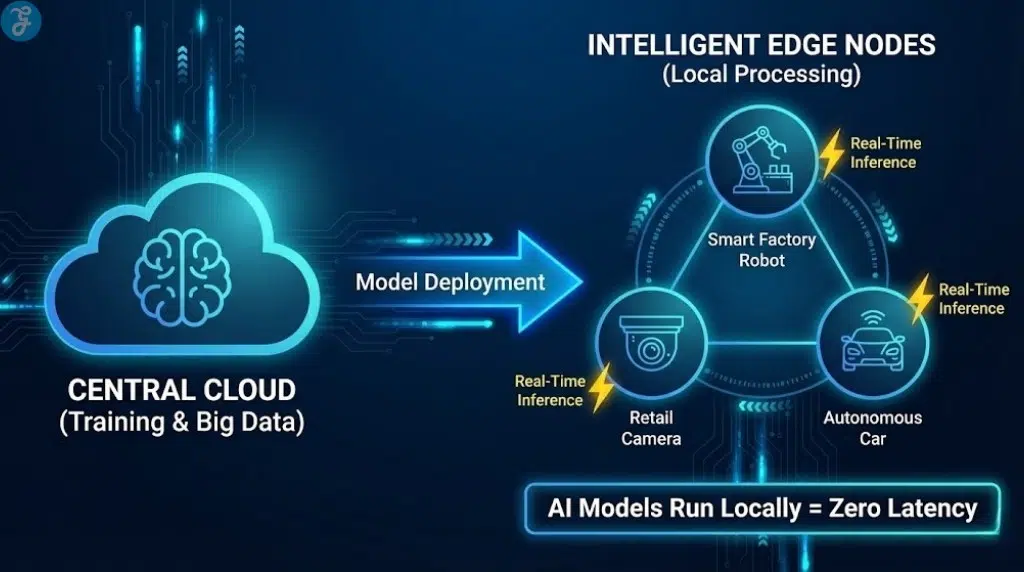
Edge computing isn’t new, but in 2026, it has merged with AI. We are moving from “dumb” edge nodes that just cache video to Intelligent Edge nodes capable of running small Language Models (SLMs) locally. This means a smart factory can process video feeds to detect safety hazards instantly on-site, without sending terabytes of video back to a central cloud. The cloud is no longer a centralized place; it is a continuum that stretches from the data center to the device.
Best For: Manufacturing, Retail, Autonomous Vehicles, and Gaming.
Pros:
- Near-zero latency for critical decision making.
- Massive reduction in bandwidth costs.
- Works even when internet connectivity is spotty.
Cons:
- Managing thousands of distributed nodes is complex.
- Security risks increase as physical devices are easier to tamper with.
4. GreenOps: Carbon as a Metric
Sustainability is no longer a PR slide; it’s an engineering constraint. “GreenOps” has become a standard practice in 2026 cloud architectures. Platforms now offer carbon-aware scheduling, allowing workloads (like massive AI training jobs) to automatically pause when the local energy grid is dirty (coal) and resume when it is clean (wind/solar). Hosting bills now include a “Carbon Budget” alongside the financial one.
Best For: ESG-focused enterprises and AI companies with massive compute needs.
Pros:
- Direct reduction in corporate carbon footprint.
- Often correlates with lower costs (energy is cheaper when renewable supply is high).
- Future-proofs against carbon taxes.
Cons:
- Jobs may take longer to complete if waiting for “green windows.”
- Requires complex orchestration logic.
5. Serverless 2.0 (Stateful & WebAssembly)
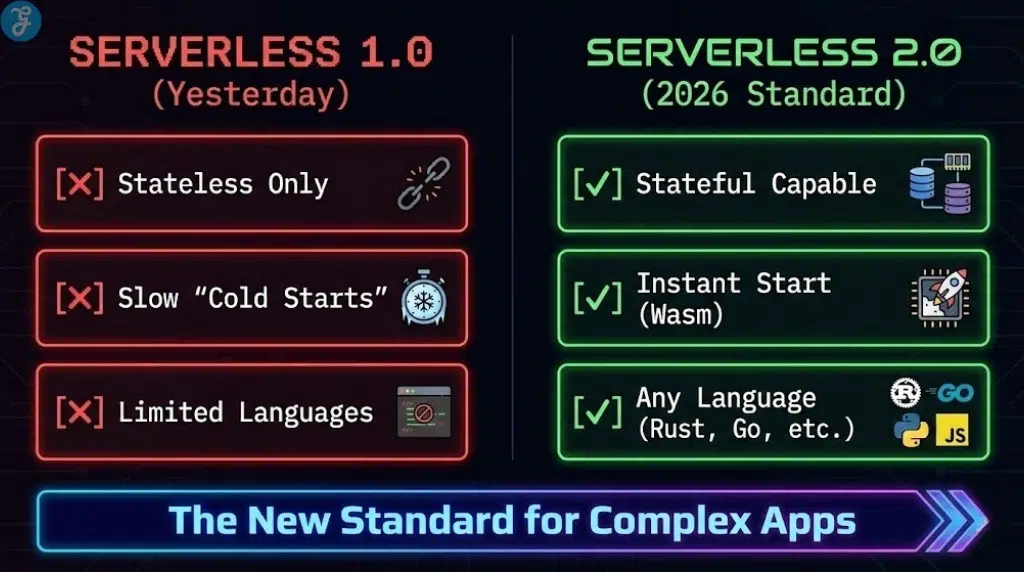
Serverless computing has matured. The limitations of “cold starts” and “stateless functions” are being solved by Serverless 2.0. New technologies like WebAssembly (Wasm) allow code to run instantly anywhere, safely and at near-native speed. Furthermore, platforms now support “Stateful Serverless,” allowing functions to remember data between executions without needing a heavy external database connection. This makes it possible to build entire complex applications purely on serverless architecture.
Best For: Modern web applications and microservices.
Pros:
- “Scale to zero” capability saves massive amounts of money.
- Eliminates “Cold Start” latency issues of the past.
- Language agnostic (write in Rust, Go, Python, etc.).
Cons:
- Vendor lock-in remains high.
- Debugging distributed serverless apps is still difficult.
How We Picked These Top 5 Trends
To forecast the cloud market for 2026, we looked past the marketing hype and focused on where infrastructure is actually moving. We used a three-step filtration process:
-
Follow the Hardware: We analyzed Q3/Q4 2025 procurement orders from major hyperscalers. The massive shift from general CPUs to specialized NPU clusters and Edge server racks confirmed the physical reality of the Autonomous Cloud and Edge-AI Convergence.
-
Regulatory Impact: We cross-referenced technical capabilities with the 2026 legislative calendar (e.g., EU Data Act). This legal pressure makes Sovereign Cloud a mandatory budget item, not just a trend.
-
Production Readiness: We filtered out “science projects” by tracking GitHub commit velocity and CNCF graduations. The spike in WebAssembly and Green Software tools proves that Serverless 2.0 and GreenOps are being built for production right now.
Is Your Stack Ready for 2026?
To thrive in this new landscape, audit your current infrastructure against this checklist:
AI Readiness: Can your current cloud provider support agentic workflows, or are you stuck with manual scripts?
Data Residency: Do you know exactly where your data physically sits? If you have EU customers, this is now non-negotiable.
Cost vs. Carbon: Are you monitoring the carbon intensity of your heaviest workloads?
Wrap-Up
The theme for cloud hosting trends in 2026 is “Intelligence over Infrastructure.” The winners won’t be the companies with the most servers, but the ones that use AI to make those servers invisible, efficient, and autonomous. Whether you are moving to the Edge or locking down a Sovereign Cloud, the goal is the same: stop managing machines and start managing value.