Are you tired of low profits and endless hassles with dropshipping? You try to pick hot products, but your sales grow slower than grass in winter. Managing inventory feels like juggling flaming swords, and every other online store looks just like yours.
Here’s something big: “Digital Drop-Servicing” is rising fast in 2026.
Unlike dropshipping, with digital drop-servicing, you sell a service instead of physical goods. This simple shift gives more profit and less stress for many people running businesses from their laptops.
In this guide, you’ll see why digital drop-servicing beats old-school dropshipping at its own game and how you can grab this chance without breaking the bank or learning hard tech skills.
Ready to see what makes this new business model the king? Keep reading, and I’ll walk you through the exact steps to get started.
What is Digital Drop-Servicing?
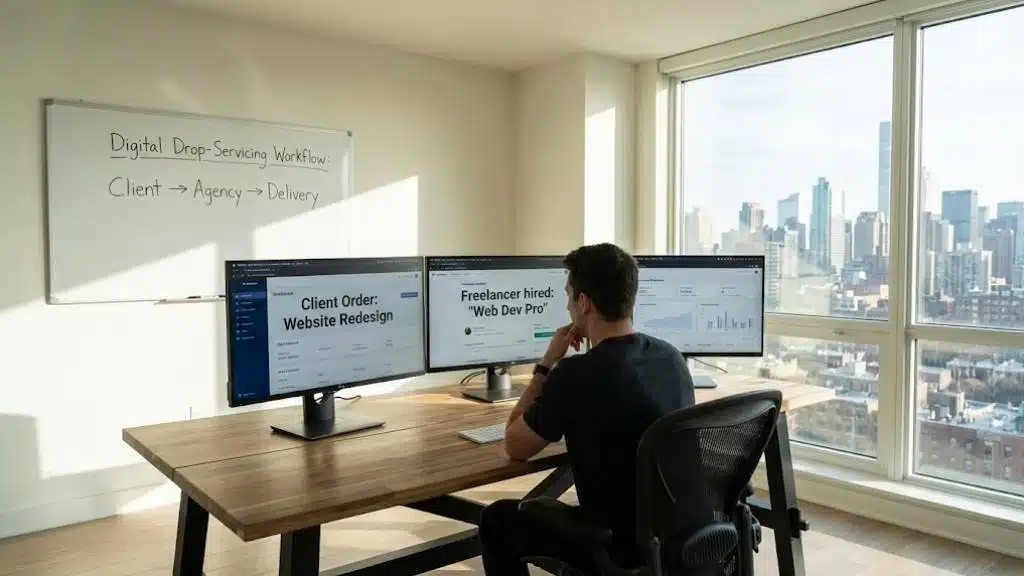
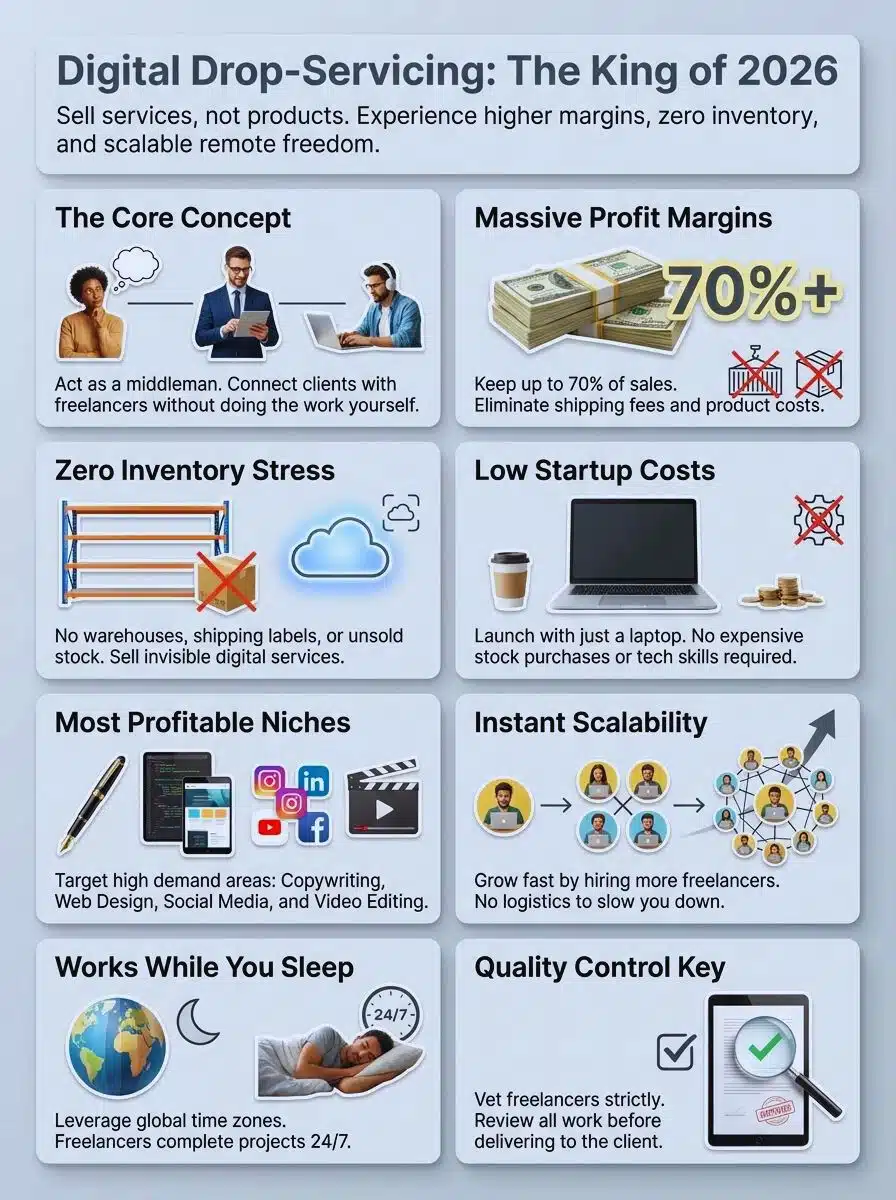
Digital drop-servicing—often called “Service Arbitrage” or “White Labeling” by pros—lets you sell online services like website design or copywriting without doing the work yourself. You act as the middleman, taking orders from clients and hiring freelancers or agencies to finish the job.
Many people see this as a smarter business model in 2026 since dropshipping is now crowded and less trusted.
This approach has gained steam because you do not need inventory, storage, or shipping plans. The global dropshipping market hit nearly $464 billion in 2025, but that growth came with fierce competition. Many now say digital drop-servicing could reshape ecommerce by 2026.
People prefer instant results, higher profit margins, and less hassle compared to old retail models. More entrepreneurs are turning to service delivery over physical goods, watching automation and freelancing shake up how they do business online.
How Digital Drop-Servicing Works
You act as the bridge connecting clients to expert freelancers. This setup puts you in charge, calling the shots, and keeping things smooth as silk.
1. Outsourcing services to freelancers or agencies
Many digital drop-servicing businesses work by sending projects to skilled freelancers or trusted agencies. For example, a business owner may promise website design for clients but hire web experts on platforms like Upwork, Fiverr, or even specialized networks like Toptal to complete the job.
This way, there is no need to learn every skill yourself.
Agencies and freelancers handle most of the tasks behind the scenes. As a result, you can focus more on finding new clients and growing your online services business. With 27 percent of online retailers using dropshipping in 2026 and many switching models, outsourcing helps boost profit margins while cutting costs and saving time.
In this setting, quality control depends on picking reliable partners who will follow your standards each time they deliver work.
2. Acting as an intermediary for clients
People pay you to get things done online. You do not do the work yourself. Instead, you find experts, like freelancers or agencies, with the skills your client needs. Think of it as a team sport; the client is cheering from the stands while you pass the ball and score with your players.
Big brands and startups use this setup in 2026 because profits are higher than old dropshipping stores. Your job? Keep clients happy—answer questions fast, explain processes simply, and solve problems before they grow big.
With so many businesses now turning to service outsourcing models for digital products and ecommerce success, having strong communication turns visitors into loyal customers daily.
Why Digital Drop-Servicing is Superior to Dropshipping
Digital drop-servicing gives you more control and less stress, while your wallet stays happier. Many find it simpler, faster, and way less headache than selling physical stuff online.
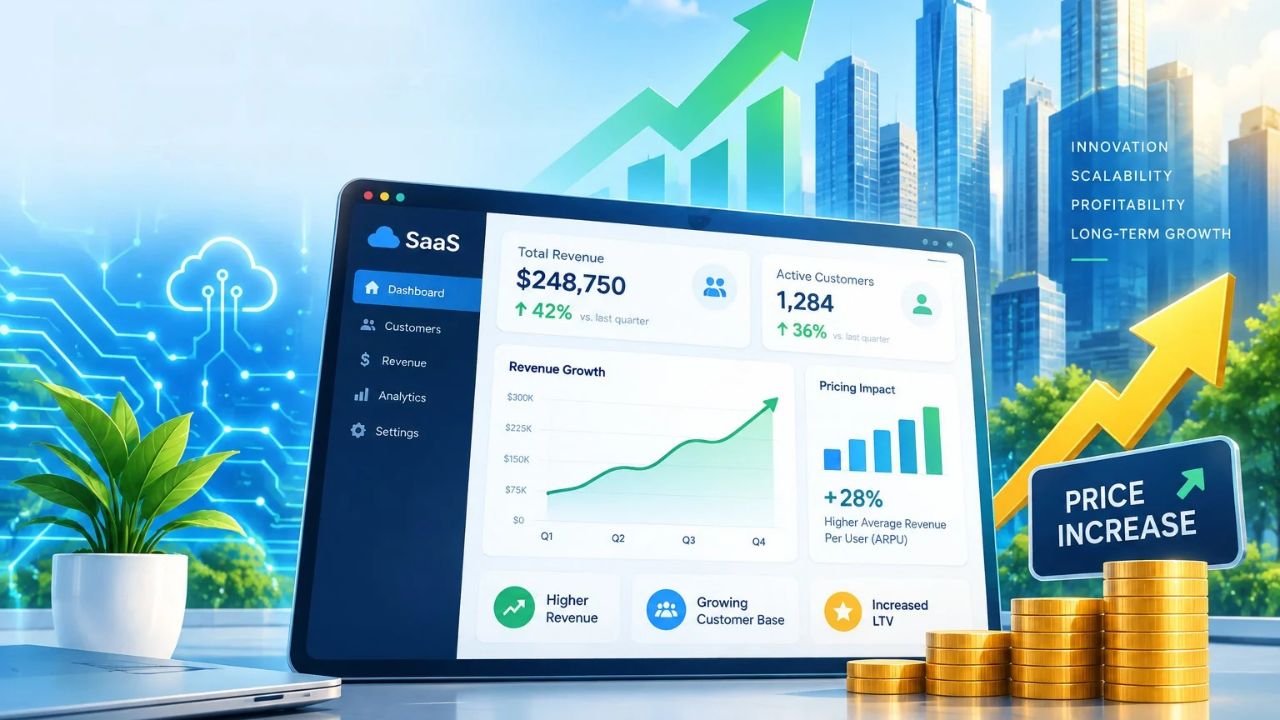
Higher profit margins
Profit margins in drop-servicing can skyrocket compared to traditional dropshipping. Forget about spending on products that just sit in a warehouse; there are no boxes gathering dust waiting for buyers here.
Instead, you sell online services and digital products, so your costs stay low while your income grows much faster.
Dropshipping profit often gets squeezed by shipping fees and product returns. In 2026, many dropshippers face shrinking returns as more stores crowd the market—27% of all online retailers use this model now! With digital drop-servicing, it is possible to keep up to 70% of every sale because most expenses go straight to paying freelancers or agencies after you get paid by clients.
That means each order brings more coins into your pocket with less worry over lost items or refunds clogging your inbox.
| Feature | Traditional Dropshipping | Digital Drop-Servicing |
|---|---|---|
| Average Profit Margin | 15% – 25% | 60% – 80% |
| Shipping Time | 14-30 Days (Global) | Instant / Digital Delivery |
| Returns & Refunds | High (Damaged goods, wrong sizes) | Low (Revisions fix issues) |
| Competition | Extremely High (Saturated) | Moderate (Quality wins) |
No inventory management
No boxes to stash, no warehouses to rent, and no shipping labels to print. Digital drop-servicing lets business owners skip the stress of storing goods or tracking stock levels. In 2026, many online stores still run dropshipping with inventory concerns even as the market grows past $343 billion according to new global figures.
That’s a mountain of products swirling around.
With digital drop-servicing, you sell services such as social media help or website design instead of gadgets. This model cuts out piles of unsold items and endless emails about lost packages.
Focus goes toward delivering results for clients fast, not waiting for freight trucks or inventory alerts. Freelancers handle delivery while you manage service quality—leaving your calendar wide open and stockroom dreams far behind.
Better scalability
Digital drop-servicing grows fast without the headache of shipping boxes or managing a warehouse. You can handle more clients by simply teaming up with extra freelancers, so you never run out of stock like dropshipping stores sometimes do in 2026.
The shift toward online services and remote work means your business stays light and flexible, even as demand jumps.
Dropshipping takes time to buy products and ship them worldwide; that slows down growth. Digital drop-servicing lets you deliver results almost instantly because everything happens online.
Market trends show service outsourcing is booming, making it easier to reach thousands of clients across the globe with just an internet connection instead of bulky logistics.
The Top Benefits of Digital Drop-Servicing
Digital drop-servicing hands you real perks that make building your business feel almost like cheating—keep reading to see why everyone’s jumping in.
Low startup costs
Startup costs for digital drop-servicing stay low. You do not need to buy inventory or rent a warehouse like many dropshipping stores did in 2025.
Setting up your own business online only takes a computer, internet access, and some know-how about remote work. In fact, you can launch a professional agency presence for under $100 using a domain, cheap hosting, and a free WordPress theme.
Many people in ecommerce now see digital drop-servicing as the king of 2026 because it lets you jump into service delivery with much less risk. This model skips expensive stock and logistical headaches most traditional business models face.
With just a website and solid connections to trusted service providers, even beginners can start small yet scale fast if demand grows suddenly in their chosen market niche.
Flexible work schedule
Digital drop-servicing fits a busy life. Work from anywhere, even while sipping cold coffee in Dhaka or sitting at a café in Singapore. Use your mornings for meetings and save evenings for family or friends.
No need to manage stock like dropshipping stores juggling billions worth of inventory in 2026. The only tool you really need is the internet.
Freelancers can finish projects while you sleep, thanks to global time zones. Handle tasks early or late—pick what suits you best. Tools like Calendly let clients book time with you without the back-and-forth emails.
Many now choose digital services because jobs fit their schedule, not the other way around.
Minimal technical skills required
Running a digital drop-servicing business does not call for heavy tech skills. Anyone, even beginners, can start with just basic computer knowledge. You do not need to code or handle tricky ecommerce software like in dropshipping.
Most tasks use easy online tools and simple platforms that guide you step-by-step.
In 2026, more people will choose drop-servicing over dropshipping as they want to avoid technical headaches. Online services let you work smart using automation and remote teams instead of managing products or warehouses yourself.
Aushnik from Editorialge proves this by leading global agency growth without deep tech know-how but focusing on service delivery and workflow logic instead.
Potential for high demand in 2026
Digital drop-servicing is catching fire fast. Experts say it could overtake dropshipping, which had a market value of over $300 billion in 2025.
This shift is shaking up traditional ecommerce models since many are questioning if dropshipping is worth the trouble now.
More business owners want scalable ways to offer digital products and online services. Entrepreneurs see that clients need things like website design, copywriting, video editing, and social media help more than ever as everything goes digital.
Rising trends in freelancing and service outsourcing feed this growth, letting new players jump into remote work with low startup costs but big profit margins on service delivery.
Most Profitable Digital Drop-Servicing Niches
Some service areas bloom faster than wildflowers after spring rain. These money-makers keep clients coming back for more, year after year.
Copywriting and content creation
Copywriting and content creation stand out as hot digital drop-servicing niches for 2026. Brands, big or small, need fresh online content every day to keep their customers hooked. Websites like ViewCord boost their business by hiring skilled writers and creators through digital marketplaces, then deliver high-quality results to clients without keeping any stock or inventory.
This service has a strong edge over dropshipping due to higher profit margins and no shipping hassles. With the global dropshipping market saturated, smart entrepreneurs are eyeing content services instead.
Companies pay well for ad copy, blogs, product descriptions, videos and more because they want fast turnarounds and expert creativity. Digital drop-servicing lets you tap into this ever-growing demand with little startup cost or tech skills—just hustle hard and match keen freelancers with hungry clients looking for instant value.
Website design and development
Website design and development sits at the top of digital drop-servicing in 2026. Businesses want fast, reliable sites to keep up with how people shop online. Many e-commerce stores, now over 27%, use digital services instead of dropshipping physical goods.
Hiring skilled freelancers lets you deliver polished websites without learning to code or manage big teams. High demand means steady work for those who can match clients with trusted web experts.
Companies like Editorialge grow their revenue by focusing on smooth website delivery, not just selling products from a warehouse shelf. More brands are shifting their budgets this way as they question if traditional product dropshipping is still worth it next year.
Social media management
Social media management is booming as a digital drop-servicing niche. Many businesses now want to grow their online presence, but they do not have time or know-how to run their accounts.
In 2026, brands care more about service delivery and instant results than ever before. You can connect clients who need help with top freelancers skilled in digital marketing.
Profit margins here beat many dropshipping models since you do not handle real inventory or shipping headaches. Use automation tools like Buffer or Hootsuite for scheduling posts and tracking growth. It is quick to start and scales fast if you work smart.
As ecommerce shifts away from classic dropshipping, social platforms like Instagram and TikTok become the new storefronts for online services, making this business model one of the hottest trends for freelancers and agencies alike.
Video creation and editing
People love watching videos online. Every minute, millions of new clips pop up on sites like YouTube and Instagram. Businesses want short ads, fun reels, or polished videos to catch customers’ eyes in 2026’s crowded ecommerce scene.
Digital drop-servicing lets you sell video creation as an online service without doing the editing yourself.
You can team up with skilled freelancers for each project. Many agencies offer quick turnarounds at a good price, leaving you plenty of room for profit. No need to buy cameras or software; just connect clients who want digital products with experts who can handle every shot and cut from anywhere in the world.
This method fits perfectly into today’s remote work trend and keeps your business lean, smart, and ready to scale fast as demand grows.
How to Start a Digital Drop-Servicing Business
Starting is quick and simple—just take it step by step, and you’re on your way. With a smart plan, you can hit the ground running in this exciting game.
1. Choose a niche and service
Pick a digital service with strong demand, like copywriting, website design, social media management, or video creation. These fields fit well in 2026 as digital drop-servicing grows.
The rise of freelancing and remote work gives you lots of options for services to offer clients.
Focus on niches that offer high profit margins and easy automation. For example, content writing and web development often deliver quick results to clients seeking instant gratification.
Keep an eye on trends; the market shifts fast. Service outsourcing lets you stay flexible while chasing growth in this booming business model.
2. Build a professional website
A sharp website makes you look trustworthy. In 2026, over 27% of online retailers use digital services to stand out in ecommerce. Use clear words and simple menus for clients.
Show off your top services like copywriting, website design, or social media management on the home page.
Use real client reviews and numbers from your projects if possible. Make it easy for people to contact you—don’t hide phone numbers or forms. Fast load times matter since online visitors get bored quickly.
Highlight how digital drop-servicing gives better profit margins compared to dropshipping’s crowded market. Use clean images and friendly colors so readers feel welcome right away; a little warmth goes a long way on a digital screen!
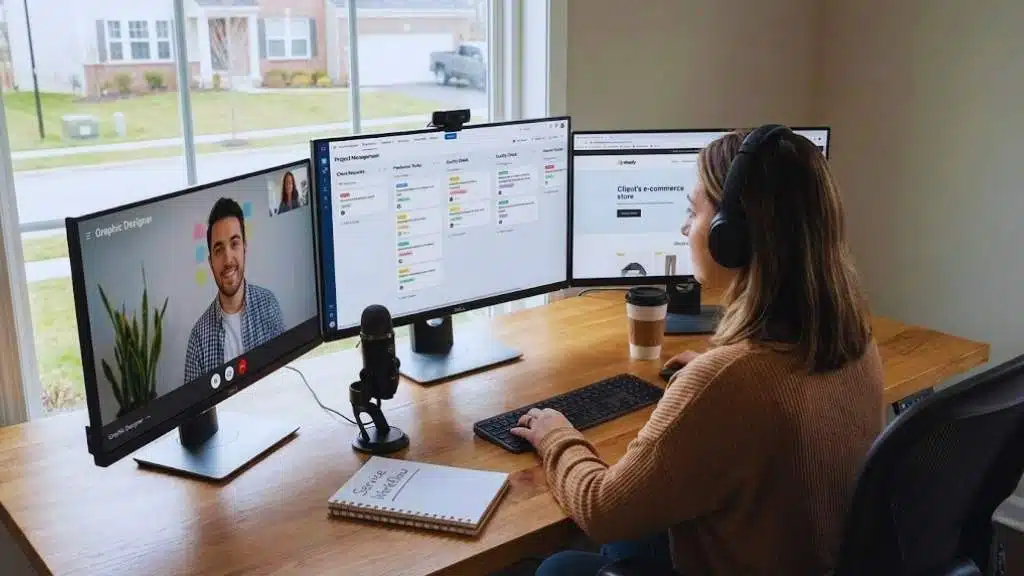
3. Find reliable freelancers or service providers
Check online marketplaces for skilled freelancers. Websites like Upwork, Fiverr, and Contra have many people who offer digital marketing, social media management, website design, and copywriting.
Many of these platforms allow you to check client reviews, ratings, and completed projects before hiring.
Take your time to talk with each freelancer or agency. Ask clear questions about their past work in ecommerce or service delivery. Look for those who understand the rising demand in 2026 for online services and remote work.
Choose people who show strong communication skills since this helps keep clients happy and your business running smoothly.
Challenges in Digital Drop-Servicing and How to Overcome Them
Things can go sideways fast if you’re not watching the details. A smart plan and good communication will help keep things running smooth as butter on a hot biscuit.
Ensuring quality control
Getting the job done right matters in digital drop-servicing. You must check each service before sending it to your client. For example, if you hire a freelancer for website design or SEO work, review their projects closely.
Give clear instructions from the start to avoid mix-ups and rework.
You should ask for samples and create set rules for freelancers or agencies you use. Many business owners in 2026 rely on these steps because dropshipping lost its trust factor over time, with people questioning whether it’s still worth it.
Using test projects helps spot weak spots early so clients keep coming back and profit margins stay strong. Think of quality checks as your safety net in a busy marketplace filled with online services and automation tools.
Managing client relationships
Clients expect fast and clear replies, especially in digital drop-servicing. Use tools like instant messaging or project boards to keep them updated about their service delivery.
Many stores still cling to dropshipping, but trust slips when support is slow or poor.
Always be honest if a delay pops up; people respect the truth more than excuses.
Service outsourcing depends on strong communication and empathy. Listen first, ask questions second, act third—this wins loyalty almost every time. The global shift in 2026 toward online services means clients will compare your responsiveness with big names in ecommerce and freelancing marketplaces.
Even small teams can keep clients happy by setting updates on autopilot using automation software like Zapier or Trello for reminders or progress reports.
Final Thoughts
Digital drop-servicing is changing the way people do business online. It offers higher profits, less stress with inventory, and more freedom to work your own way. If you want to ride the wave of market trends in 2026, this model stands out as a smarter choice over old-school dropshipping. Take a leap into digital services—your future self might just thank you for it!