If you’ve spent any time browsing kids books online or shopping for children’s books as gifts, you’ve probably noticed something interesting: personalized children’s books often sit at a higher price point—yet they still sell faster. As someone who’s worked closely with content, e-commerce, and consumer behaviour for years, I’ve seen this pattern repeatedly. Parents, relatives, and gift-buyers are not just willing to pay more for personalized books for kids—they actively prefer them.
So why does this happen? Why do personalized books outperform regular children books, even when traditional picture books are cheaper and widely available?
The answer lies in emotion, psychology, relevance, and modern buying behaviour. In this article, I’ll break down exactly why personalized children’s books convert better than regular kids books, and why this trend is only getting stronger.
The Emotional Advantage of Personalization
Traditional children’s books are designed to appeal to a broad audience. They feature universal characters, generic names, and stories that any child could relate to. While this approach works, it lacks one powerful element: identity.
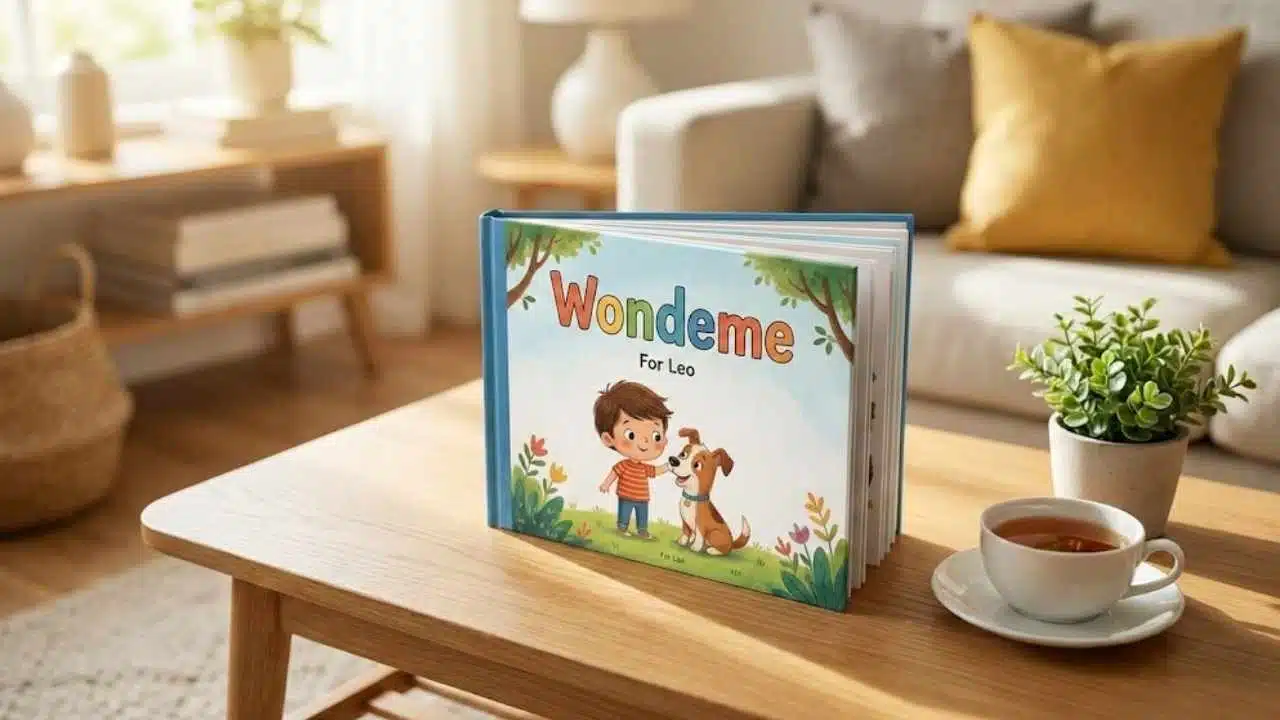
Personalized children’s books place the child directly into the story. Their name appears on the cover. Their character becomes the hero. Sometimes even their friends, siblings, or family members are included.
That emotional connection changes everything.
When a parent sees their child’s name inside a picture book, it no longer feels like “just another book.” It feels like their book. That sense of ownership triggers emotional attachment, which is one of the strongest drivers of purchase decisions—especially when it comes to products for children.
This is why personalized books for kids consistently outperform standard kids books in conversion rates.
Parents Don’t Just Buy Books — They Buy Meaning
One of the biggest misconceptions about buying books for kids is assuming parents only care about price or education. In reality, modern parents are buying meaning.
They want:
- Memorable experiences
- Emotional bonding
- Products that feel intentional
- Gifts that stand out
Personalized children’s books tick all these boxes.
Unlike generic baby books or mass-produced children’s books, personalized books signal effort. They say, “I didn’t just grab this off a shelf. I chose this specifically for you.”
This is especially powerful for:
- First birthdays
- Baby showers
- Christenings
- Milestone moments
That’s why personalized books are often grouped with personalized baby gifts rather than regular toys or books. They feel more like keepsakes than products.
The Psychology Behind Higher Conversion Rates
From a psychological perspective, personalization taps into something called the self-relevance effect. Humans naturally pay more attention to information that relates directly to them.
When a child sees their name in a picture book, their brain instantly recognises it as important. This increases:
- Attention span
- Engagement
- Emotional response
- Memory retention
Parents notice this reaction almost immediately. Kids are more excited, more focused, and more eager to read the same story again and again.
As a result, parents associate personalized children’s books with better outcomes, which makes them far easier to justify purchasing—even at a premium price.
This emotional loop directly impacts conversions.
Why Personalized Books Feel More Valuable Than Regular Kids Books
Value is not just about price. It’s about perception.
Regular children’s books are often perceived as interchangeable. If you don’t buy one title, you can easily pick another. There’s little urgency or uniqueness.
Personalized books, on the other hand:
- Cannot be replaced easily
- Are made specifically for one child
- Feel exclusive
- Carry emotional weight
That exclusivity increases perceived value. It’s the same reason custom jewellery or engraved gifts convert better than generic alternatives.
Even when compared to the best children’s books, personalized versions feel more special simply because they are one of a kind.
Why Gift Buyers Prefer Personalized Children’s Books
Another reason personalized books for kids convert so well is because gift buyers are not the same as parents.
Aunties, uncles, grandparents, godparents, and friends often struggle with gift ideas. Toys feel repetitive. Clothes are risky. And many baby books feel forgettable.
Personalized children’s books solve this problem perfectly.
They are:
- Safe (no size issues)
- Meaningful
- Long-lasting
- Display-worthy
For gift buyers, personalized books remove decision fatigue. The product itself does the emotional work.
This is why personalized books consistently outperform standard picture books in gift-based conversions.
Story Engagement Is Higher in Personalized Picture Books
From a storytelling standpoint, personalization transforms how stories are experienced.
A regular picture book tells a story about someone else. A personalized book tells a story about you.
This shift dramatically increases:
- Emotional immersion
- Repeat reading
- Parent-child interaction
Parents notice that their children ask for personalized books more often than other kids’ books. Repetition is a key factor in early childhood learning, and personalized content naturally encourages it.
When parents see higher engagement, they associate the product with better value—again reinforcing the buying decision.
Why Personalized Baby Books Outperform Traditional Baby Books
In the world of baby books, personalization is even more powerful.
Babies may not understand words yet, but parents project meaning onto early experiences. Reading a personalized baby book feels more intentional than reading a generic one.
Parents often keep these books as:
- Memory keepsakes
- Nursery decor
- Childhood milestones
That’s why personalized baby books are frequently passed down, stored, and cherished—unlike many traditional children’s books that get donated or discarded over time.
This emotional longevity plays a massive role in conversions.
The Social Proof Effect
Another overlooked factor is social proof.
Parents love sharing meaningful moments online. Personalized books naturally generate:
- Instagram posts
- Facebook stories
- Gift unboxing videos
When other parents see these moments, they subconsciously associate personalized children’s books with:
- Good parenting
- Thoughtfulness
- Emotional connection
This creates a feedback loop where personalized books become socially validated purchases, driving even higher conversion rates than traditional kids books.
Why Online Shoppers Convert Faster With Personalized Books
In e-commerce, attention spans are short. Products need to communicate value instantly.
Personalized children’s books do this extremely well because:
- The concept is instantly clear
- The emotional hook is immediate
- The differentiation is obvious
You don’t need long explanations to understand why a personalized book is special. Seeing a child’s name on a picture book cover does the selling. The growing popularity of personalized children’s books has also been supported by advancements in digital publishing technology, allowing creators and brands to use a self-publishing platform to produce highly customized stories efficiently while maintaining professional-quality illustrations and storytelling.
That clarity reduces hesitation, shortens decision time, and increases conversions—especially compared to browsing endless generic children books.
Personalization Aligns With Modern Parenting Trends
Modern parents are more intentional than ever. They care about:
- Emotional intelligence
- Identity
- Personal development
- Meaningful experiences
Personalized children’s books align perfectly with these values.
Unlike traditional books for kids that focus purely on entertainment or education, personalized books combine learning with emotional reinforcement.
That alignment with modern values is a major reason personalized books for kids are outperforming traditional formats year after year.
Brand Trust and the Role of Story Quality
It’s worth noting that personalization alone isn’t enough. The story still matters.
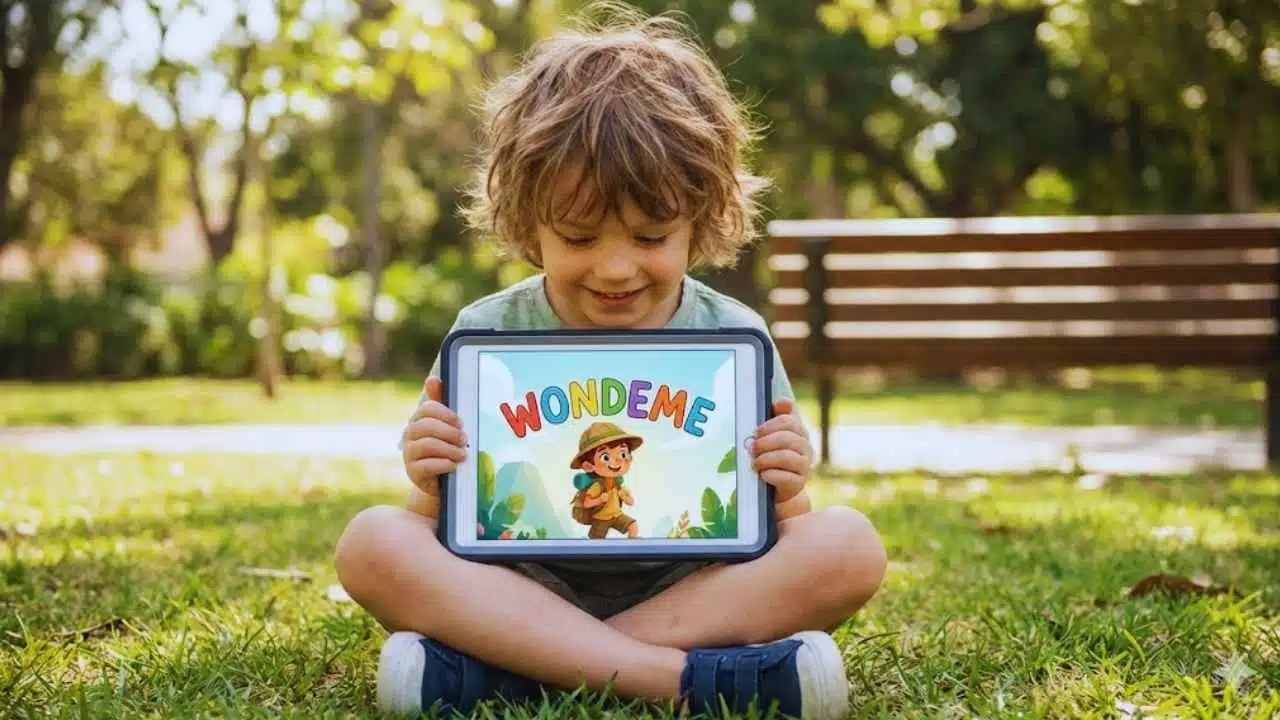
Brands like Wondeme succeed because they combine:
- High-quality storytelling
- Beautiful illustrations
- Thoughtful personalization
When personalization is layered onto a well-written story, conversion rates increase dramatically. Parents don’t feel like they’re buying a gimmick—they feel like they’re buying one of the best children’s books, just tailored for their child.
Personalized Books Create Long-Term Brand Loyalty
One of the most powerful outcomes of personalized children’s books is repeat buying.
Parents who purchase one personalized book are far more likely to:
- Buy again for another milestone
- Purchase for siblings
- Recommend to friends
- Return for gifts
This loyalty is rare with standard kids books, where purchases are often one-off and transactional.
Personalized books build emotional relationships with customers, not just sales.
Final Thoughts: Why Personalized Children’s Books Win
At the end of the day, personalized children’s books convert better than regular kids books because they operate on a deeper level.
They are not just:
- children’s books
- baby books
- or picture books
They are emotional products.
They create identity, connection, and meaning—things that parents and gift buyers value far more than price alone. As long as parents continue to prioritise emotional development and meaningful experiences, personalized books will continue to outperform traditional children’s books across every metric that matters.
And for brands like Wondeme, this isn’t just a trend—it’s the future of storytelling for kids.