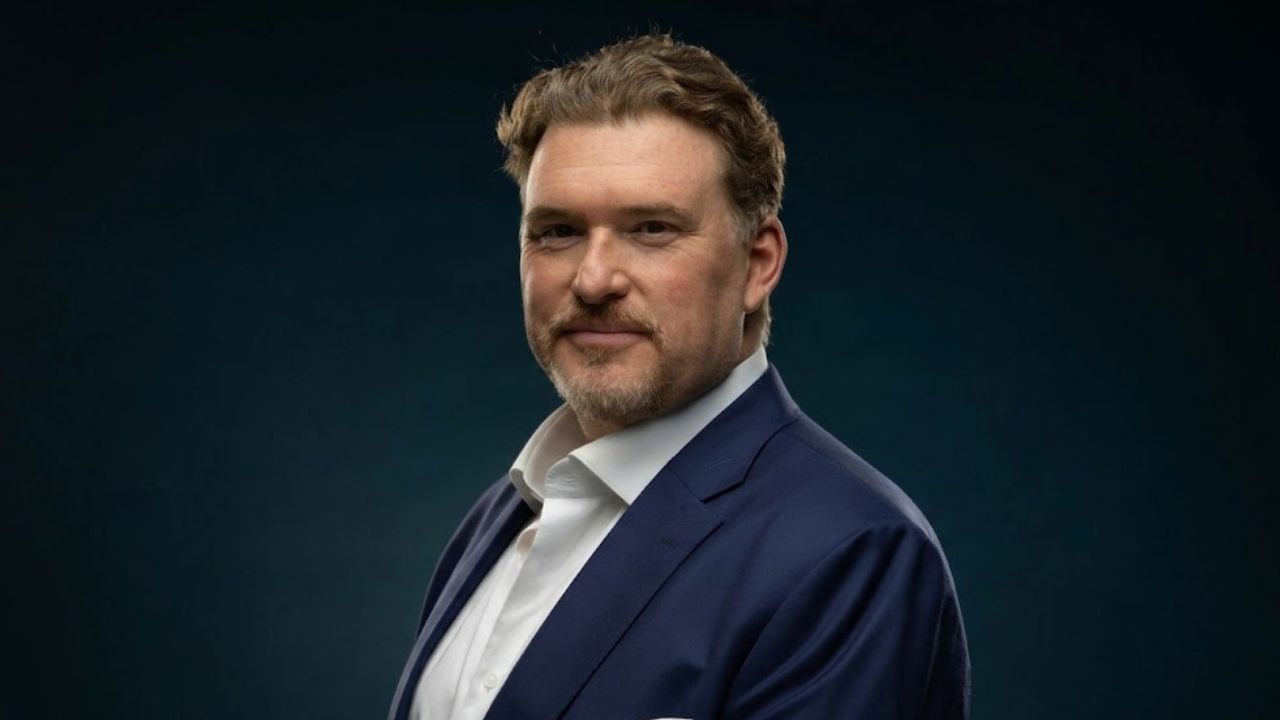

The International Criminal Court (ICC) has made it clear that arrest warrants against Russian President Vladimir Putin will remain in place, regardless of ongoing peace talks between Ukraine and Russia that suggest possible amnesty. This firm stance was expressed by the ICC’s deputy prosecutors, Mame Mandiaye Niang from Senegal and Nazhat Shameem Khan from Fiji, at the conclusion of the ICC’s annual assembly held in The Hague on Friday. They emphasized that only a United Nations Security Council resolution enacted under Chapter VII of the UN Charter could suspend these arrest warrants. However, no diplomatic peace agreement or amnesty clause could override the ICC’s regulatory framework as long as investigations are active.
This declaration underlines the limits of political efforts to bypass international justice mechanisms. The ICC’s position remains independent of geopolitical pressures, even as peace negotiations between Ukraine and Russia intensify, particularly after a leaked US-backed 28-point draft peace proposal in November. The controversial proposal raised alarms due to its recommendation that all parties involved in the conflict be granted full amnesty for actions taken during the war—an idea strongly opposed by Ukraine and many European officials.
Ukraine Firmly Rejects Blanket Amnesty
The Ukrainian government, represented by Ukraine’s ambassador to the Netherlands and former Prosecutor General Andriy Kostin, has unequivocally rejected any notion of comprehensive amnesty. Kostin argued that such a blanket approach would be unacceptable given the sheer scale of atrocities committed during the war. He stated in clear terms that allowing impunity for those responsible for war crimes is impossible. The Ukrainian Prosecutor General’s Office has documented more than 190,000 instances of war crimes and crimes against humanity allegedly committed by Russian forces since the 2022 invasion. This extensive catalogue includes thousands of documented incidents, ongoing investigations, and court proceedings aimed at ensuring accountability.
The detailed records presented to international bodies reveal a staggering scope of violence. Ukrainian authorities report 1,029 suspects charged with war crimes, 747 active cases before the courts, and 206 convictions achieved so far. These figures demonstrate Ukraine’s commitment to achieving justice for victims and highlight the challenges of pursuing accountability amid ongoing conflict. The war crimes reportedly include widespread attacks on civilian populations, illegal deportations, torture, and other gruesome violations, underscoring Ukraine’s refusal to accept any amnesty provision as part of peace talks.
ICC Arrest Warrants on Russian Leaders
The ICC has issued arrest warrants against several high-profile Russian officials implicated in war crimes and crimes against humanity related to the conflict in Ukraine. In March 2023, arrest warrants were issued for Russian President Vladimir Putin and Maria Lvova-Belova, Russia’s children’s rights commissioner, based on charges accusing them of unlawfully deporting Ukrainian children from occupied territories. This act is viewed as a serious violation of international law and human rights.
In June 2024, the ICC expanded its indictments to include former Defense Minister Sergei Shoigu and Chief of General Staff Valery Gerasimov. These officials face allegations of directing military operations that specifically targeted civilian infrastructure, a tactic condemned as a war crime by international standards. Other individuals, including military commanders Viktor Sokolov and Sergey Kobylash, also face charges. These warrants underscore the ICC’s ongoing effort to hold accountable those in positions of power responsible for orchestrating and executing unlawful actions during the war.
Russia continues to reject the validity of these warrants, dismissing the ICC’s jurisdiction as illegitimate. Kremlin officials maintain that the ICC has no authority over Russia and label the arrest warrants as null and void. This rejection reflects a broader pattern of Russian non-cooperation with international legal institutions related to the Ukraine conflict.
Possible In-Absentia Hearings
In addition to reaffirming the standing arrest warrants, Deputy Prosecutor Mame Mandiaye Niang disclosed that trials conducted in absentia—that is, without the accused being physically present—are possible for figures like Putin and Israeli Prime Minister Benjamin Netanyahu. This follows a precedent set earlier this year in the case of Joseph Kony, the fugitive Ugandan warlord whose charges were confirmed in absentia by the ICC’s Appeals Chamber in June 2025, with proceedings starting in September despite his absence.
While Niang acknowledged that in absentia hearings are “cumbersome,” she stressed that they have proven to be a valuable legal tool. Conducting trials without the defendant allows the court to continue advancing cases when suspects flee or refuse to cooperate. It also ensures that victims’ testimonies and evidence remain part of the judicial process and helps prevent suspects from using absence as a tactic to avoid justice indefinitely.
This legal option has triggered significant discussion about justice in these complex international contexts, especially when key accused individuals wield significant political and military power. The ICC’s willingness to use in absentia trials signals its commitment to pursuing accountability regardless of logistical or political challenges.
Challenges in Peace Negotiations
Amid these legal developments, peace talks between Ukraine and Russia continue but are fraught with major complexities. Recent meetings involving U.S., Ukrainian, and Russian officials reflect ongoing diplomatic efforts to resolve the conflict. However, the ICC’s rigid stance on arrest warrants and justice requirements presents a clear obstacle to peace agreements that rely on broad amnesty provisions.
ICC Deputy Prosecutor Khan underlined that any suspension of cases would require a Security Council deferral, which is unlikely given Russia’s veto power as a permanent member. Because Russia is not a member of the ICC and does not recognize its authority, it continues to reject these legal actions outright. Meanwhile, Ukraine insists that peace can only be sustainable if justice is ensured for the victims of war crimes, reflecting a global call for accountability alongside diplomacy.
Ukraine’s case for justice is grounded in its allegations that Russia has engaged in systematic, widespread violations amounting to crimes against humanity. These acts include targeted attacks on civilians, forced deportations, and other grave violations that have shocked the international community. As the conflict persists, the ICC’s insistence on upholding arrest warrants for key Russian figures underscores the tension between the quest for peace and the imperative for international law to prevail.
Overall, the ICC’s position emphasizes that peace deals cannot override the rule of law and international justice. While negotiations may progress diplomatically, the court’s mandates indicate a continuing pursuit of justice for those accused of the gravest offenses during the war in Ukraine. This stance highlights the enduring challenge of balancing diplomacy with legal accountability in one of the world’s most significant conflicts.