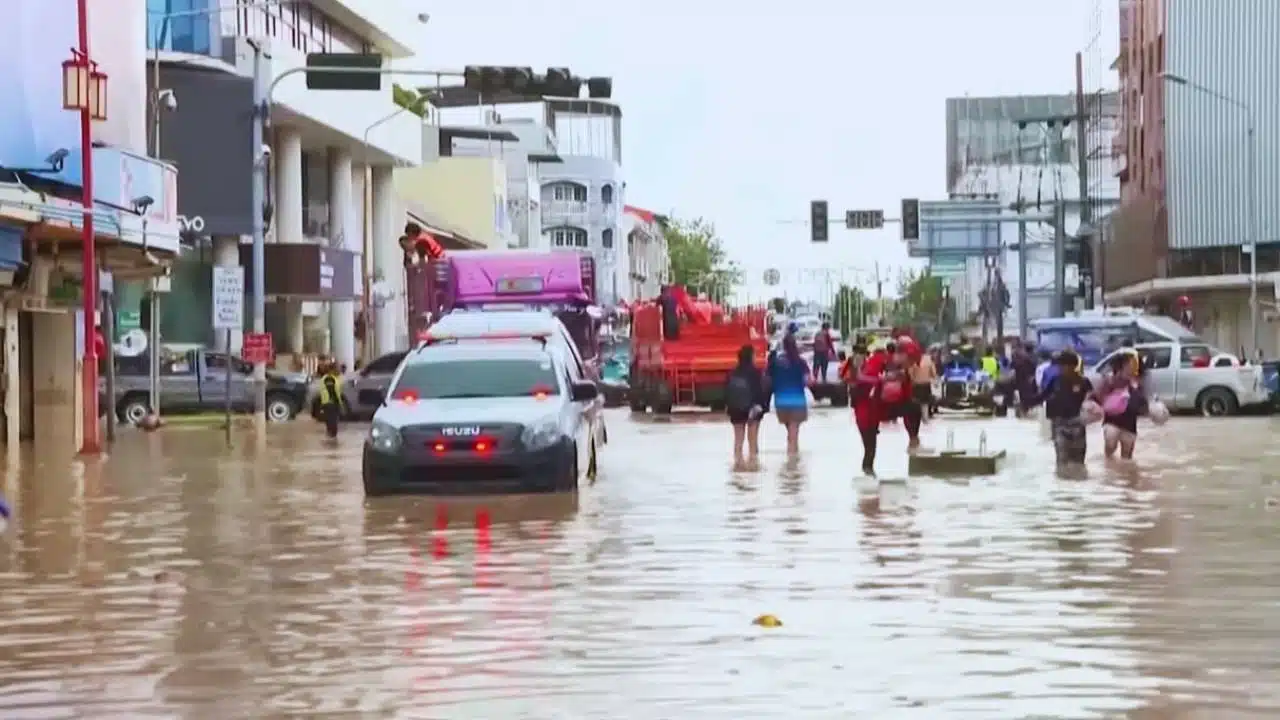
Flooding across South and South-East Asia has escalated into a major regional crisis, with the combined death toll rising to at least 460 people. Days of cyclone-fueled torrential rain have submerged towns, triggered landslides, disrupted transportation systems, and left millions facing severe hardships. Rescue teams across Indonesia, Malaysia, Thailand, and Sri Lanka are working around the clock as water levels slowly begin to recede in some areas, though weather agencies warn that more rain and strong winds may still worsen the situation.
Authorities say the scale of the floods has been intensified by the interaction of multiple storm systems, including a rare tropical cyclone that formed in the narrow Strait of Malacca and another system building over the Bay of Bengal. This convergence of unstable atmospheric conditions has heightened rainfall, produced severe wind gusts, and overwhelmed rivers, drainage systems, and saturated hillsides across the region. As dozens remain missing and cleanup operations begin, governments face the challenge of balancing emergency rescue efforts with longer-term recovery planning.
Sri Lanka Battles Cyclone Ditwah: Dozens Dead, Widespread Disruptions
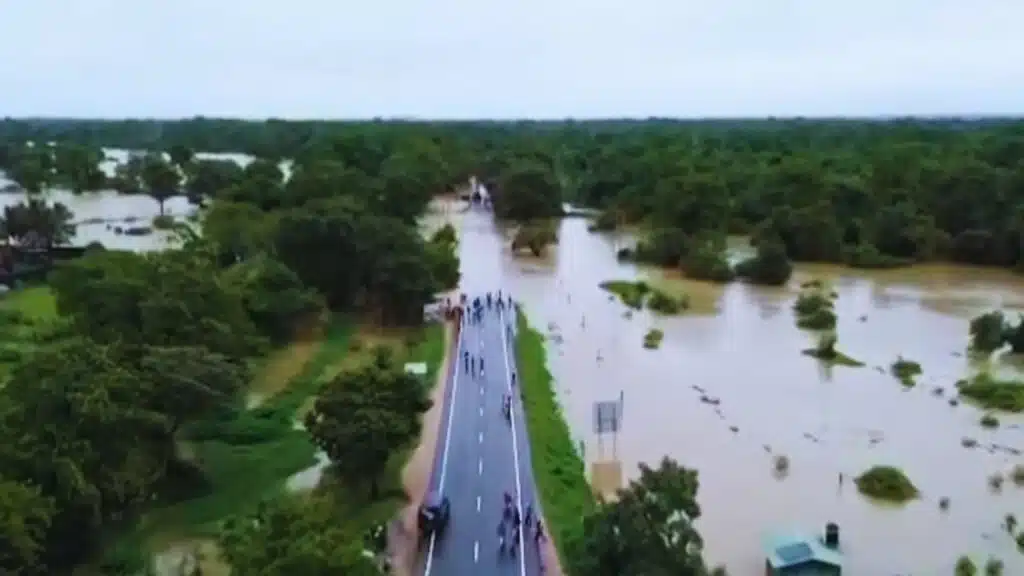
Sri Lanka has suffered extensive damage after Cyclone Ditwah swept across the island, unleashing days of heavy rain, severe winds, and destructive landslides. Officials have confirmed 153 deaths, with 190 people still missing, as rescue operations extend into remote districts and low-lying towns. Large portions of the eastern and central regions received more than 300 millimetres of rainfall, with steep terrain collapsing under the pressure of continuous downpours.
Schools nationwide were shut, several key highways were blocked by landslides, and train services—including major intercity lines—were suspended due to track flooding and fallen debris. Even Colombo’s Bandaranaike International Airport experienced severe disruptions, forcing the diversion of around 15 flights and leaving passengers stranded.
Emergency teams, including over 20,000 police, military, and air force personnel, have been deployed to evacuate residents from high-risk areas. Dramatic rescues have already taken place: in Polonnaruwa, 13 people trapped on a sinking bridge were airlifted to safety; rooftop evacuations were carried out in several villages; and in one unusual rescue, a man clinging to the top of a coconut tree to escape rising waters was pulled to safety by helicopter crews.
Thousands of displaced families are now sheltering in temporary camps or public buildings as authorities warn that additional rain bands could pass through the region. International assistance has begun arriving, including food supplies, generators, and emergency kits. Sri Lanka’s government has encouraged residents in flood-prone and landslide-risk areas to remain alert as saturated soil makes further collapses likely.
Indonesia Faces High Casualties and Massive Environmental Damage on Sumatra
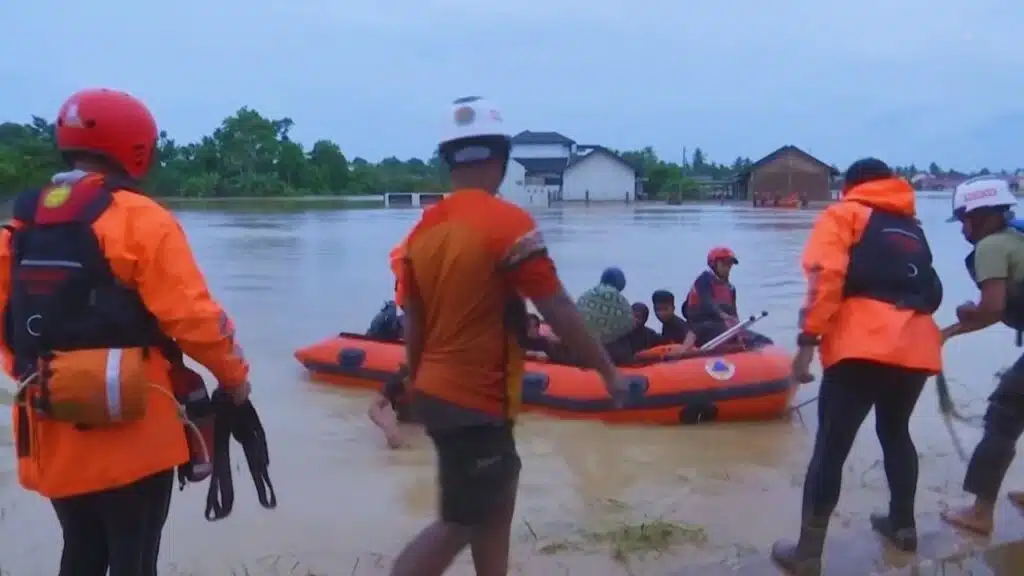
Indonesia is reporting the highest casualty numbers so far, with 303 confirmed deaths and 279 people still unaccounted for after catastrophic flooding and landslides engulfed large parts of Sumatra. The region has been battered by unusually heavy rainfall triggered by Tropical Cyclone Senyar, which formed in the Strait of Malacca—a rare occurrence that intensified storms toward western Indonesia.
In districts such as Padang Pariaman, floodwaters reached one metre or more, submerging homes, sweeping away vehicles, and cutting off entire communities. Mudslides have destroyed farmland, blocked major roads, and buried several villages under layers of soil and debris. Communication networks remain down in many regions, hindering efforts to locate survivors.
Indonesia’s disaster mitigation agency has mobilised extensive rescue teams, but their operations have been hampered by power outages, washed-out routes, and unstable weather. Helicopters and planes carrying relief supplies—including tents, blankets, food, medical items, and portable generators—struggle to land in heavily affected locations due to strong winds and reduced visibility. President Prabowo Subianto emphasised that the disaster reflects global environmental challenges, pointing to climate change, soil degradation, and shifting weather patterns as underlying factors.
Many families displaced by the flooding are now relying on makeshift shelters and emergency food distributions. Authorities have warned that the saturated state of hilly terrain means further landslides remain possible, especially if rains resume. Engineers are working to clear blocked routes, restore electricity, and repair broken communication lines, but local officials caution that recovery will take weeks or even months in some areas.
Thailand Reports Over 162 Deaths and Millions Affected as Floodwaters Slowly Recede
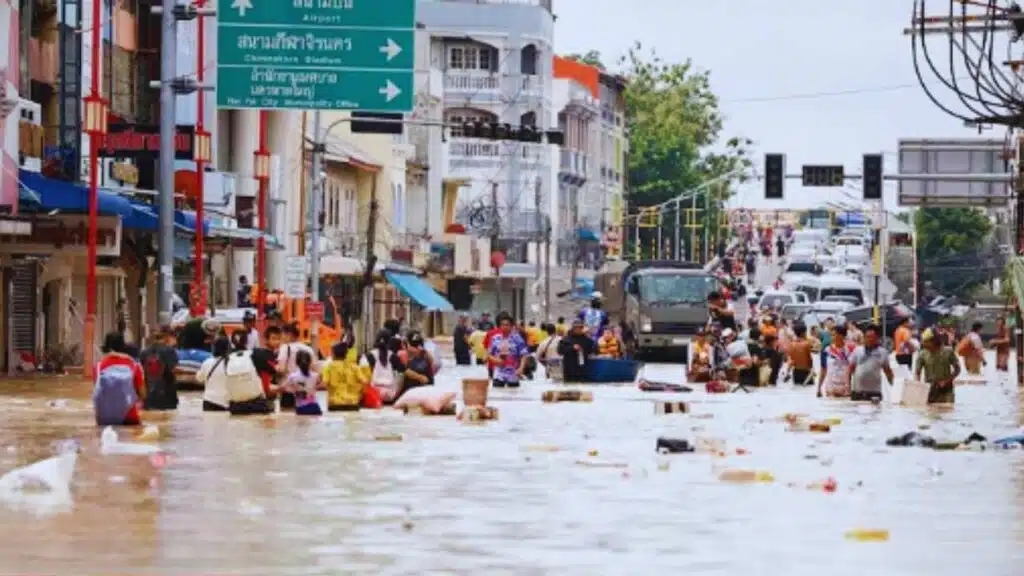
Thailand’s southern provinces have been devastated by flooding that has killed 162 people and affected more than 3.5 million residents. The disaster has been particularly severe in the southern city of Hat Yai, where authorities recorded the highest single-day rainfall in 300 years—a staggering 335 millimetres. Streets, markets, and entire residential zones were submerged, electricity networks failed, and transport systems nearly collapsed under the enormous pressure.
Although rainfall eased by the end of the week, cleanup efforts are only beginning. Floodwaters in many neighborhoods remain ankle-deep, power lines are still down, and thousands of families are living without electricity. Authorities are now confronting the challenge of clearing sludge, repairing damaged infrastructure, and addressing concerns over water contamination in submerged areas.
Public health officials have expressed concerns about potential outbreaks of waterborne diseases, as prolonged standing water and damaged sewage systems create ideal conditions for infections. Emergency medical teams have been deployed alongside rescue workers to ensure vulnerable populations have access to care.
Thailand’s government has appealed for patience as disaster teams work to restore normalcy. With many major roads washed out and bridges damaged, some remote areas remain accessible only by boat. While sunny weather has provided temporary relief, meteorologists warn that unstable atmospheric conditions influenced by storm interactions could still bring intermittent rainfall.
Malaysia Continues Evacuations as Storm Conditions Remain Unstable
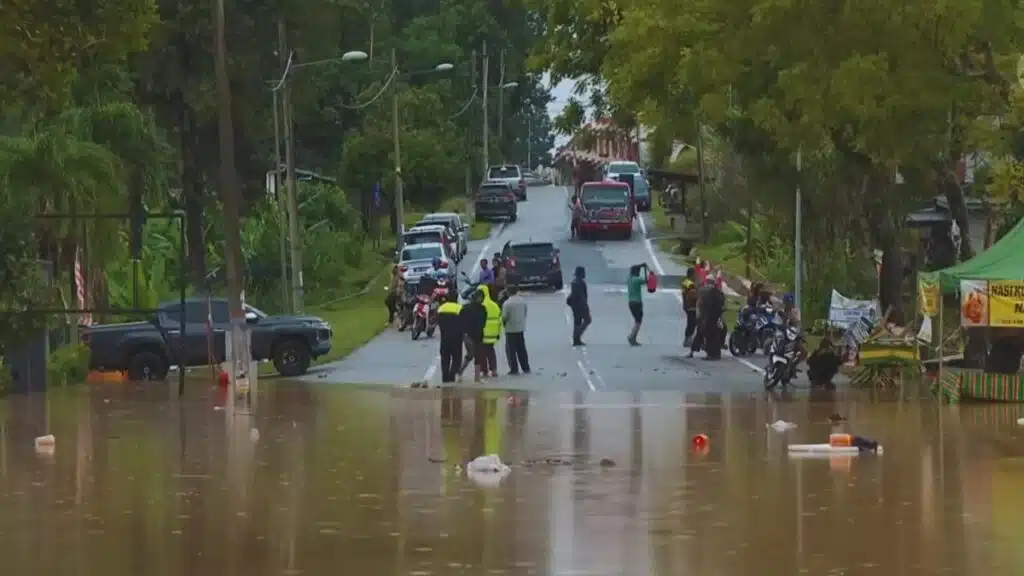
Malaysia has also been hit by severe flooding, though with a lower confirmed death toll compared to its neighbours. Nonetheless, the crisis remains significant: over 30,000 residents are staying in emergency shelters, a decrease from the peak of more than 34,000 but still an indication of extensive displacement. Malaysia’s southern and coastal areas have been particularly vulnerable as tropical storm Senyar made landfall before weakening, leaving behind widespread inundation and structural damage.
Authorities remain on alert due to forecasts of continued heavy rain, strong coastal winds, and rough seas. Maritime agencies have warned that small fishing boats face considerable danger due to turbulent waters. Travel disruptions are ongoing, with several major roads temporarily closed and inter-state transportation affected.
The Malaysian government has been coordinating with neighbouring nations to assist the thousands of Malaysian nationals stranded in flood-affected parts of Thailand. More than 1,400 citizens have already been rescued from hotels and travel destinations cut off by the floodwaters, with operations continuing to reach the remaining stranded individuals.
Evacuation centres across flood-hit states are providing essential services such as clean water, prepared meals, and medical assistance. Relief teams are now assessing long-term damage to homes, farms, and public infrastructure, with particular concern about districts where floodwaters have not fully receded, leaving communities vulnerable to further rainfall.