

Many travelers visit Puerto Rico but miss the island’s most fascinating stories hidden in plain sight. The Taíno people called this land Borinquen, meaning “Land of the Valiant and Noble Lord,” long before Spanish ships arrived in 1493.
These seven historic fortresses and sites reveal centuries of battles, cultures, and secrets that shaped the island’s identity. Get ready to discover Puerto Rico’s untold past.
Key Takeaways
- Puerto Rico has seven historic fortresses that reveal untold stories spanning from pre-Columbian Taíno ceremonies to Spanish colonial rule.
- Castillo San Felipe del Morro, built from 1539-1787, earned UNESCO World Heritage status and costs $7 for daily visits.
- Fuerte San Cristóbal stands as the largest Spanish fort in the Americas, protecting San Juan from land attacks since 1634.
- La Fortaleza serves as the oldest executive mansion still in use, housing over 170 governors since 1533.
- Archaeological sites like Tibes and Caguana preserve Taíno culture with ceremonial plazas, petroglyphs, and artifacts from the 1300s-1400s.
What makes Castillo San Felipe del Morro historically significant?
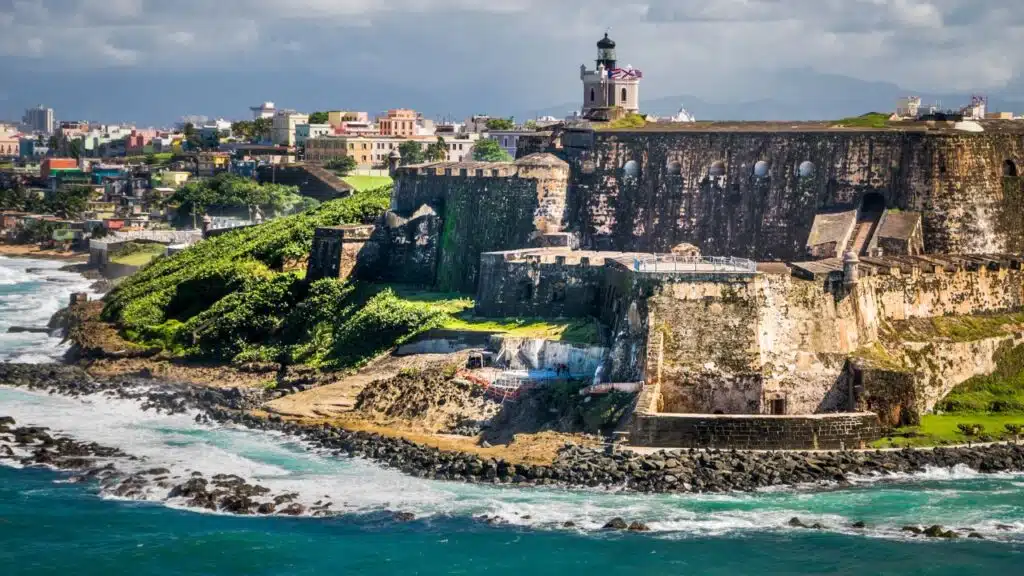
Castillo San Felipe del Morro stands as Puerto Rico’s crown jewel of military architecture. Construction began in 1539 and continued until 1787, creating a massive fortress that protected San Juan harbor for nearly 500 years.
Spanish engineers built this coastal defense to guard against pirates and foreign powers who wanted to control the Caribbean. The fort’s thick walls and strategic position made it nearly impossible to capture.
El Morro became a symbol of Spanish power in the New World.
This landmark earned UNESCO World Heritage Site status in 1983, joining an elite group of protected places worldwide. The fortress transformed into Fort Brooke under U.S. control, defending against German submarine attacks during World War II.
Today, visitors pay $7 admission to explore this piece of heritage from 9:00 a.m. to 6:00 p.m. daily. The Puerto Rico National Guard proudly displays El Morro on their official patch.
This fortress tells the story of conquest, defense, and preservation across five centuries of Caribbean history.
Why is Fuerte San Cristóbal important in Puerto Rico’s history?
Fuerte San Cristóbal stands as the largest Spanish fort in the Americas, making it a true giant among military structures. Spanish builders constructed this massive fortification in 1634 to protect San Juan from land-based attacks.
The fort’s size tells a story of Spanish determination to hold their Caribbean stronghold. Military architects designed San Cristóbal to work with El Morro, creating an iron grip on the island’s defenses.
This heritage site became part of the San Juan National Historic Site, earning UNESCO World Heritage status in 1983. Visitors can explore both forts with a single $7 ticket, making history accessible to everyone.
San Juan’s fortifications hold special importance as the only European-style military architecture on U.S. territory. The Historic American Buildings Survey began documenting these landmark structures in the 1930s, showing their lasting value.
Between 1998 and 2000, preservation experts photographed every stone and created detailed drawings for restoration work. These careful records help maintain the fort’s original design for future generations.
Fort San Cristóbal’s thick walls and strategic position show how Spanish colonists adapted European defense methods to Caribbean conditions. The structure represents centuries of military evolution, from colonial times through modern preservation efforts.
What is the history behind La Fortaleza?
La Fortaleza stands as the oldest executive mansion still in use in the New World. Spanish colonists built this historic fortress in 1533, originally calling it El Palacio de Santa Catalina.
The building has served as home to over 170 governors throughout its nearly 500-year history. This colonial era structure continues its role as the Governor’s residence today, making it a living piece of Puerto Rico’s heritage.
This architectural marvel earned recognition as a UNESCO World Heritage Site in 1983. The fortress forms part of the San Juan National Historic Site, drawing visitors from around the globe.
Tourists can explore this government building on weekdays from 9:00 a.m. to 4:00 p.m. with free entry. Those planning a visit can call 787-721-7000 ext. 2211 for more information. The preservation of this 16th-century structure showcases Puerto Rico’s commitment to protecting its colonial past while serving modern governmental functions.
What was Cuartel de Ballajá used for?
Cuartel de Ballajá served as massive infantry barracks from 1854 to 1898. Spanish soldiers and their families called this three-acre site home for nearly half a century. The military complex housed thousands of people during its active years.
This Spanish colonial building became one of the largest military structures in Old San Juan.
After 1898, the barracks marked a major shift from Spanish to U.S. control. Today, this historical site operates as a vibrant cultural center. The Museo de las Américas now fills the same halls where soldiers once lived.
Visitors can explore the architecture and learn about Puerto Rico’s military past in this transformed space.
How did Hacienda Buena Vista contribute to Puerto Rico’s heritage?
Hacienda Buena Vista stands as a living monument to Puerto Rico’s coffee boom of the 1800s. This restored plantation in Ponce shows visitors exactly how coffee shaped the island’s economy and culture.
The Spanish colonial main house, slave quarters, and farm buildings paint a complete picture of 19th-century rural life. Original hydraulic turbines still power the site using river water, just like they did over 150 years ago.
These machines showcase the advanced technology that made Puerto Rico a major coffee producer.
Coffee cultivation at this plantation tells stories that many history books skip. Enslaved people and workers lived, toiled, and died on these grounds. Their experiences shaped Puerto Rico’s agricultural development in ways that still matter today.
The restored buildings preserve rural architecture that might otherwise disappear. Visitors can tour the site Wednesday through Sunday from 8:00 a.m. to 4:00 p.m. by calling 787-722-5882 or emailing info@paralanaturaleza.org.
This heritage site connects modern Puerto Rico to its agricultural roots and the complex history of plantation life.
What can you learn at Parque Ceremonial Indígena de Caguana?
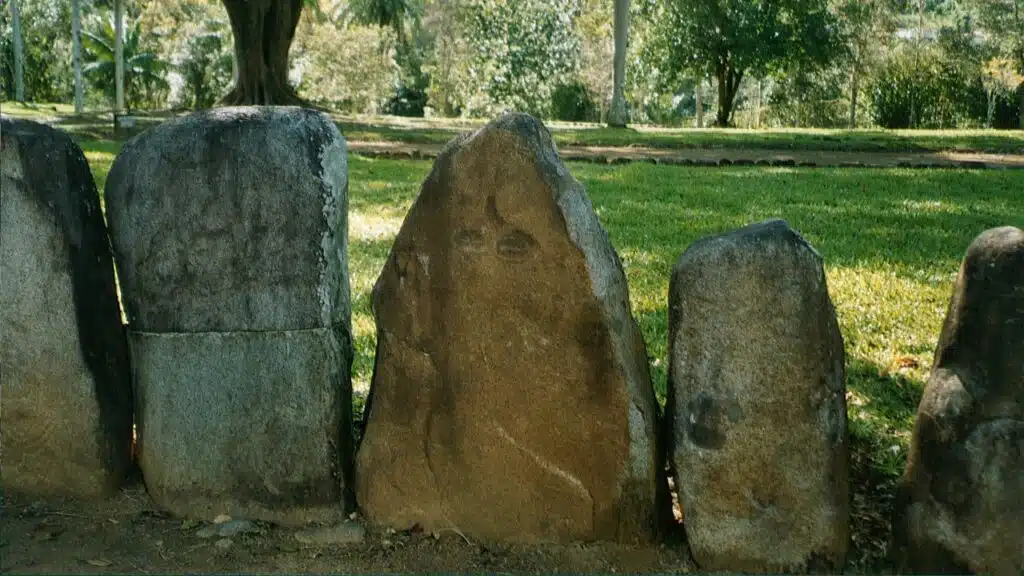
Parque Ceremonial Indígena de Caguana sits in Utuado’s Central Mountain Range. This site ranks as one of the most important Taíno archaeological locations in the Antilles. Visitors discover 10 ceremonial plazas called bateyes where Taíno people held sacred rituals.
The park displays 21 ancient petroglyphs carved into stone surfaces. These rock carvings tell stories from the 14th and 15th centuries. Pottery fragments and limestone artifacts reveal how complex Taíno society really was before Europeans arrived.
The museum houses collections that show daily life, religious practices, and social customs of these pre-Columbian people.
Guided walking tours help visitors understand Taíno culture and heritage better. Adults pay $5 for admission while children and seniors pay $4. The park opens daily from 8:30 a.m.
to 4:30 p.m., except on holidays. Archaeology experts consider Caguana a key location for learning about Puerto Rico before Columbus. Each plaza and artifact piece together the puzzle of how these indigenous people lived, worshipped, and organized their communities.
The ceremonial grounds show that Taíno society had sophisticated religious and social structures that lasted for centuries.
What is the significance of Centro Ceremonial Indígena de Tibes?
Centro Ceremonial Indígena de Tibes stands as one of the Caribbean’s oldest ceremonial centers. This archaeological treasure in Ponce came to light after devastating floods in 1975 washed away layers of earth.
The discovery changed how we understand Puerto Rico’s prehistoric past. Scientists found evidence of civilizations that lived here before the Taíno people arrived. The site contains seven bateyes, two ceremonial plazas, and hundreds of bone structures and tools.
These artifacts tell stories of complex religious and social practices that existed long before European contact.
Excavation work at this indigenous site has expanded our knowledge of the island’s earliest inhabitants. The ceremonial center offers visitors bilingual one-hour tours, museum visits, and film screenings.
Anthropology experts consider Tibes a window into pre-Columbian culture and heritage. The archaeological findings reveal sophisticated ceremonial activities that took place centuries ago.
This prehistoric site proves that Puerto Rico’s indigenous civilization was far more advanced than many people realized. The bone structures and ceremonial artifacts show how these ancient communities organized their spiritual and social lives.
Takeaways
Puerto Rico’s historic fortresses stand as silent storytellers of a rich past. Each stone wall whispers tales of Taíno ceremonies, Spanish conquests, and colonial struggles. These seven sites offer visitors a chance to walk through centuries of history.
From El Morro’s towering ramparts to Tibes’ ancient ceremonial grounds, each location reveals different chapters of the island’s heritage. Plan your visit today and discover the untold stories waiting within these remarkable walls.
FAQs
1. What makes Puerto Rico’s historic fortresses special?
These stone giants hold secrets that textbooks never tell. Each fortress whispers stories of battles, brave defenders, and forgotten heroes who shaped the island’s destiny.
2. How many historic fortresses can visitors explore in Puerto Rico?
Seven major fortresses stand ready to share their tales. From El Morro’s towering walls to smaller coastal guardians, each one offers a different chapter in Puerto Rico’s rich past.
3. Are these fortresses suitable for families with children?
Absolutely, kids love exploring these real-life castles. The thick walls, hidden tunnels, and cannon displays turn history lessons into exciting adventures that spark young imaginations.
4. What untold stories do these fortresses reveal?
These structures speak of pirates, smugglers, and everyday people who called these walls home. They reveal how ordinary folks survived sieges, celebrated victories, and built communities within fortress walls during centuries of change.





















