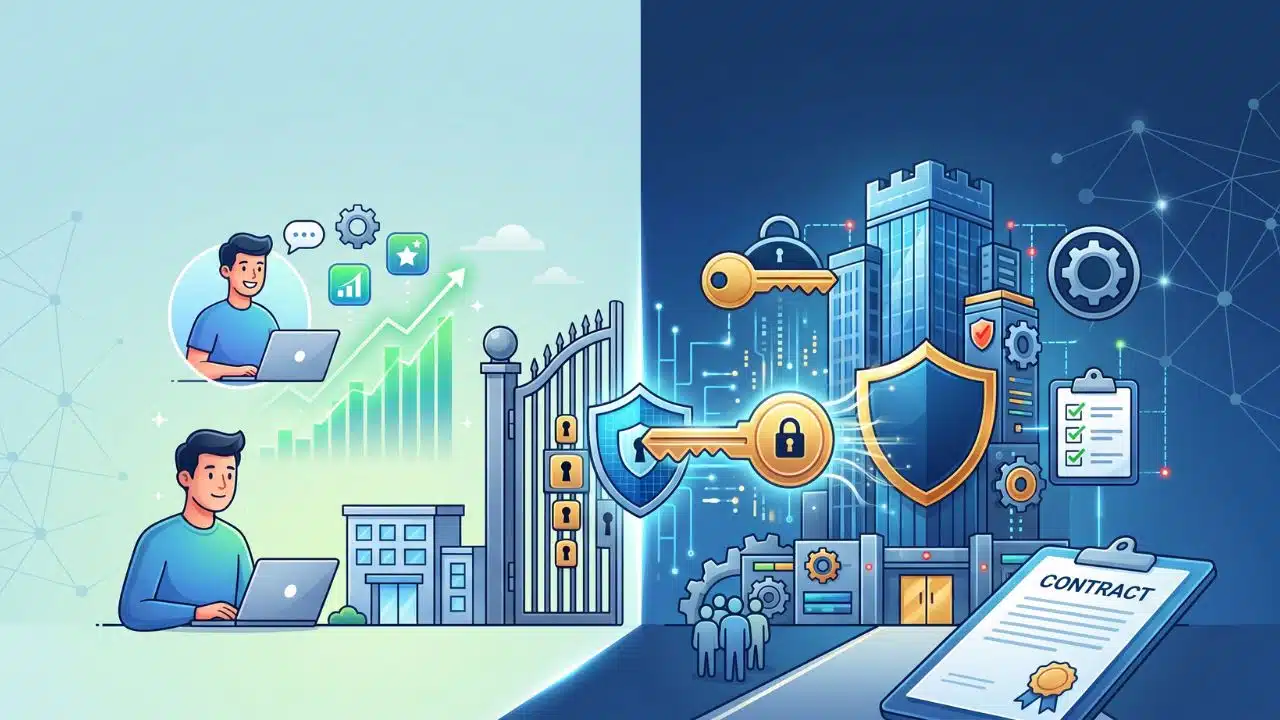
When people think of identity breaches, they often imagine big headlines about multinational corporations. But breaches don’t just affect global companies. They happen every day to smaller businesses, local organizations, and even individuals. One recent study showed that the majority of data breaches involve stolen or weak credentials. This means that many of these incidents could have been prevented with basic steps.
The challenge is that many teams underestimate the risk until they face it firsthand. A single compromised account can expose sensitive files, disrupt operations, and damage trust. For small and mid-sized organizations, that damage can take years to repair. Learning from everyday breaches is one of the most practical ways to strengthen defenses. By understanding how attackers succeed, we can avoid repeating the same mistakes.
Breaches Are More Common Than We Realize
It’s easy to assume identity breaches are rare events. In reality, they happen far more often than most people think. Many of these incidents never make the news. Instead, they occur quietly in businesses that lack the resources to investigate or disclose them publicly.
This steady stream of smaller breaches shows that attackers don’t always need high-value targets. Any organization with digital accounts and stored data can be vulnerable. What makes this more concerning is that attackers often rely on simple techniques rather than advanced tools. Running a regular security posture assessment helps organizations spot these weak points before they are exploited. Recognizing that breaches are common is the first step to preparing for them.
Weak Passwords Keep Opening Doors
Despite years of warnings, weak or stolen passwords remain one of the most common causes of breaches. Many people still reuse the same password across multiple accounts. Others rely on short, easy-to-guess combinations. Attackers know this and exploit it with automated tools that test stolen credentials against different services.
Improving password practices doesn’t have to be complicated. Password managers can generate and store unique logins for every account. Multi-factor authentication adds another layer of protection by requiring more than a password to log in. These simple measures can block a large number of attacks before they even start.
Phishing Attacks Still Trick People
Phishing continues to be one of the easiest ways for attackers to gain access. A single email disguised as a trusted message can convince someone to share login details or click on a malicious link. Attackers know that targeting human behavior is often more effective than trying to break into a system directly.
The best defense against phishing is awareness. Employees should learn how to spot suspicious messages, such as emails with urgent requests, spelling errors, or unusual links. Simple habits, like verifying the sender before clicking, can prevent many breaches. Organizations should also use email filters and security tools that block known phishing attempts before they reach the inbox.
Cloud Services Add New Risks
Cloud platforms like Google Workspace and Microsoft 365 have become essential for everyday operations. They allow teams to collaborate from anywhere, but they also create new opportunities for attackers. A single compromised cloud account can give outsiders access to documents, emails, and shared drives.
One of the biggest risks in cloud services is over-permissioned accounts. Many users are granted more access than they actually need. If those accounts are compromised, attackers gain wide control over the environment. Regularly reviewing and adjusting permissions helps reduce this risk. Monitoring activity in cloud services is equally important. Alerts for unusual behavior, such as logins from new locations, can catch breaches early.
Human Mistakes Inside Organizations
Not all breaches are caused by hackers. Many result from mistakes made by employees. Common errors include misconfigured systems, accidentally sharing sensitive files, or leaving accounts active after staff leave the company. These missteps may seem small, but they can create openings for attackers.
Reducing human error requires a mix of training and process. Employees should understand the basics of handling sensitive data and the importance of following security policies. Clear procedures, like regular access reviews and simple reporting channels, make it easier for staff to act responsibly. While no team can eliminate mistakes entirely, lowering the chances of human error can significantly reduce breaches.
Attackers Often Use Basic Tactics
Many people assume attackers rely on advanced hacking tools. In truth, a large number of breaches come from simple methods. Credential stuffing, brute-force attempts, and exploiting known but unpatched vulnerabilities are still common. These are not cutting-edge techniques, yet they remain effective because organizations overlook the basics.
This means improving defenses does not always require expensive solutions. Regular updates, strong password policies, and removing old user accounts can close the doors that attackers often walk through. By paying attention to simple but effective security hygiene, organizations can block many of the attacks that cause everyday breaches.
Identity Systems Remain Prime Targets
Identity systems such as Microsoft Active Directory and Entra ID are high-value targets. Attackers know that once they gain control over these systems, they can move across the network and access more resources. This makes them a frequent focus in breaches.
One common issue is weak configurations. For example, accounts with unnecessary admin rights or legacy protocols that remain enabled can create exposure. Organizations should regularly audit these systems and restrict elevated privileges to only the users who need them. Strong monitoring of authentication attempts and logins helps detect unusual patterns before attackers spread deeper into the environment.
Identity breaches are not rare or distant problems. They happen every day, often through simple mistakes or overlooked gaps. Weak passwords, phishing, insider errors, and mismanaged identity systems remain leading causes. The good news is that most of these risks can be reduced with straightforward steps.
The most important lesson is that prevention does not always require advanced technology. It requires consistent attention to details, awareness of common attack methods, and a focus on visibility. By learning from everyday breaches, organizations of all sizes can build stronger defenses and protect the trust of the people who depend on them.