

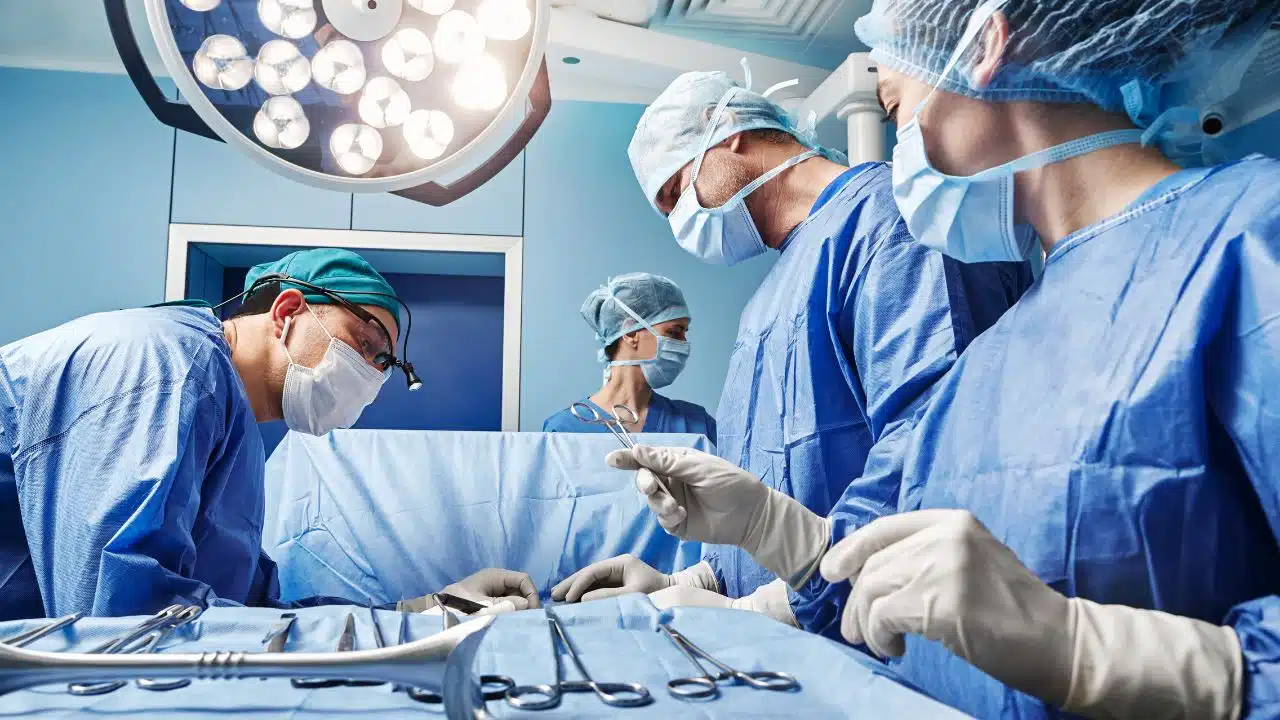
Operating rooms are complex environments where every second counts. Success depends on smooth workflows and precise coordination. When surgical teams work with standardized tools and processes, they create safer spaces for patients.
Modern hospitals face growing pressure to improve efficiency while maintaining high safety standards. Standardization offers a clear path forward. It reduces confusion and speeds up procedures. From basic suture kits to complex monitoring equipment, having consistent tools makes a real difference in patient care.
The benefits extend far beyond individual procedures. They create a foundation for continuous improvement. This systematic approach transforms how operating rooms function and delivers measurable results.
The Foundation of Surgical Standardization
Standardization means creating uniform processes that every team member can follow. This approach reduces variability and helps prevent errors.
Hospitals that embrace standardization see immediate improvements. Staff members spend less time searching for equipment. They know exactly where to find what they need.
Training becomes more efficient because everyone learns the same methods. The process begins with careful evaluation of current practices. Teams identify problem areas and develop clear guidelines.
Key Areas for Surgical Logistics Improvement
Inventory Management Systems
Effective inventory control forms the backbone of standardized surgical logistics. Hospitals need to track supplies accurately and ensure availability when needed.
Modern systems use technology to monitor stock levels. They predict future needs automatically. Automated ordering prevents shortages and reduces waste.
Clear labeling and organization help staff locate items quickly. Standardized storage locations reduce confusion. These improvements directly impact patient care by reducing delays.
Equipment Preparation Protocols
Consistent equipment preparation saves time and improves safety. Standard protocols ensure all necessary tools are ready before procedures begin.
Teams benefit from clear checklists covering every aspect of preparation. These guides help prevent oversights. Regular training reinforces procedures and keeps everyone updated.
Quality control measures verify equipment meets safety standards. Regular inspections catch problems early. This prevents equipment failures during critical moments.
Staff Training and Communication
Standardized training programs ensure all team members understand their roles. Clear communication protocols help coordinate activities and prevent misunderstandings.
Regular training sessions keep staff updated on new procedures. Simulation exercises help teams practice working together. This preparation builds confidence and improves performance.
Documentation standards ensure important information gets recorded consistently. Clear records help track progress and identify improvement areas. They also support compliance with regulatory requirements.
Technology Integration in Modern Surgery
Digital Tracking Systems
Digital systems play an important role in standardizing surgical logistics. Electronic tracking helps monitor equipment location and usage patterns.
This data supports better decision-making and resource allocation. Real-time monitoring provides valuable insights for improvement.
Integrated Software Platforms
Integrated software platforms connect different aspects of surgical operations. They link inventory management, scheduling, and patient records into unified systems.
This integration reduces duplicate work and improves information accuracy. Staff can access everything from one central location.
Mobile Device Connectivity
Mobile devices give staff instant access to important information. They can check inventory levels and view procedure details in real time.
This connectivity supports faster decision-making. It also improves coordination between team members during procedures.
Quality Control and Safety Measures
Systematic Quality Improvement
Standardization creates opportunities for systematic quality improvement. Regular audits identify areas where processes can be refined.
Data collection helps track performance over time. This information guides future improvement efforts.
Enhanced Safety Protocols
Safety protocols become more effective when they follow standard formats. Clear procedures reduce confusion during emergencies.
Regular drills help teams practice their responses. They also help identify potential problems before they occur.
Continuous Monitoring
Continuous monitoring helps maintain high standards over time. Regular feedback from staff provides valuable insights.
This ongoing attention ensures standardized processes continue meeting changing needs. It also helps identify new improvement opportunities.
Measuring Success and Continuous Improvement
Key Performance Indicators
Effective measurement systems track key performance indicators that matter most. Patient safety metrics show how well standardized processes protect people.
Efficiency measures demonstrate improvements in time and resource use. These numbers help justify investment in standardization efforts.
Regular Review Cycles
Regular review cycles help identify trends and patterns in data. This analysis guides decisions about future improvements.
Teams can focus their efforts where they will have the greatest impact. Data-driven decisions lead to better outcomes.
Staff Feedback Integration
Feedback from surgical staff provides insights that numbers alone cannot capture. Their daily experiences highlight practical challenges and opportunities.
This input helps ensure standardized processes work well in real-world conditions. It also improves staff buy-in and adoption rates.
Future Directions in Surgical Logistics
Artificial Intelligence Integration
The field of surgical logistics continues to evolve with new technologies. Artificial intelligence helps predict supply needs and optimize scheduling.
AI systems can analyze patterns and suggest improvements. They also help prevent problems before they occur.
Advanced Tracking Technologies
Advanced tracking systems provide real-time visibility into all surgical operations. This information supports better planning and faster response times.
The result is more efficient resource use and improved patient outcomes. Technology continues to make standardization easier to implement.
Expanded System Integration
Integration with broader hospital systems creates opportunities for greater efficiency. Standardized processes can extend beyond individual operating rooms.
This expanded scope multiplies the benefits of standardization efforts. It also creates more consistent patient experiences throughout the hospital.
Implementation Strategies
Leadership Support
Successful standardization requires commitment from all organizational levels. Leadership must support efforts with adequate resources and clear expectations.
Strong leadership communication helps staff understand the importance of changes. It also ensures consistent implementation across departments.
Gradual Rollout
Implementing standardization gradually often works better than sudden changes. Teams can adapt more easily to incremental improvements.
This approach also allows for testing and refinement before full implementation. It reduces resistance and improves success rates.
Training Programs
Comprehensive training programs ensure staff understand new procedures. Regular updates keep everyone current with best practices.
Hands-on training works better than theoretical instruction alone. Practice sessions help build confidence and competence.
Takeaways
A major step toward improved patient care is the standardization of surgical logistics. Hospitals develop environments where surgical teams can operate at their highest level by setting in place standard processes and equipment.
Leadership and employees must both be engaged to success. Leadership needs to supply help and resources. For staff to carry out tasks efficiently, they require regular supervision and training.
Continuous advancement of standardized procedures is important for the future of surgical logistics. Technology will become more and more significant. The basic idea is still the same, though: parallelism promotes efficiency, safety, and improved results for all parties involved in surgical treatment.
























