Today, businesses in every industry are searching for better ways to connect with their customers. Personalized interactions powered by new technology are changing the way companies communicate, especially in enterprise systems. NLP personalization gives companies the ability to engage each customer in a way that feels natural and relevant, leading to stronger relationships and more meaningful conversations.
By using tools such as chatbots, virtual assistants, and data-driven insights, organizations are able to respond faster and make each customer feel seen and heard. Companies interested in using these tools often seek out NLP development services for businesses to create solutions tailored to their unique needs.
This focus on personalization not only boosts satisfaction but also helps companies understand their customers better, shaping future products and services to better match what people want.
Benefits of NLP Personalization for Customer Engagement
NLP personalization uses data and language understanding to shape how customers interact with a business. This leads to stronger relationships and a smoother user journey in enterprise systems.
Increased Customer Satisfaction
NLP personalization pays attention to each person’s needs. By understanding what a customer asks or says, the system can give meaningful answers right away. Quick, clear responses reduce frustration and build trust. Customers notice when they do not have to repeat themselves. The system remembers their details, recent orders, or past problems. This makes them feel listened to and respected.
Many customers expect fast and accurate help at all hours. With NLP solutions, responses can happen anytime—day or night—across chat, email, and other channels. This level of service can raise overall happiness. When support feels personal, people are often more satisfied and see their experience in a positive light.
Improved User Experience
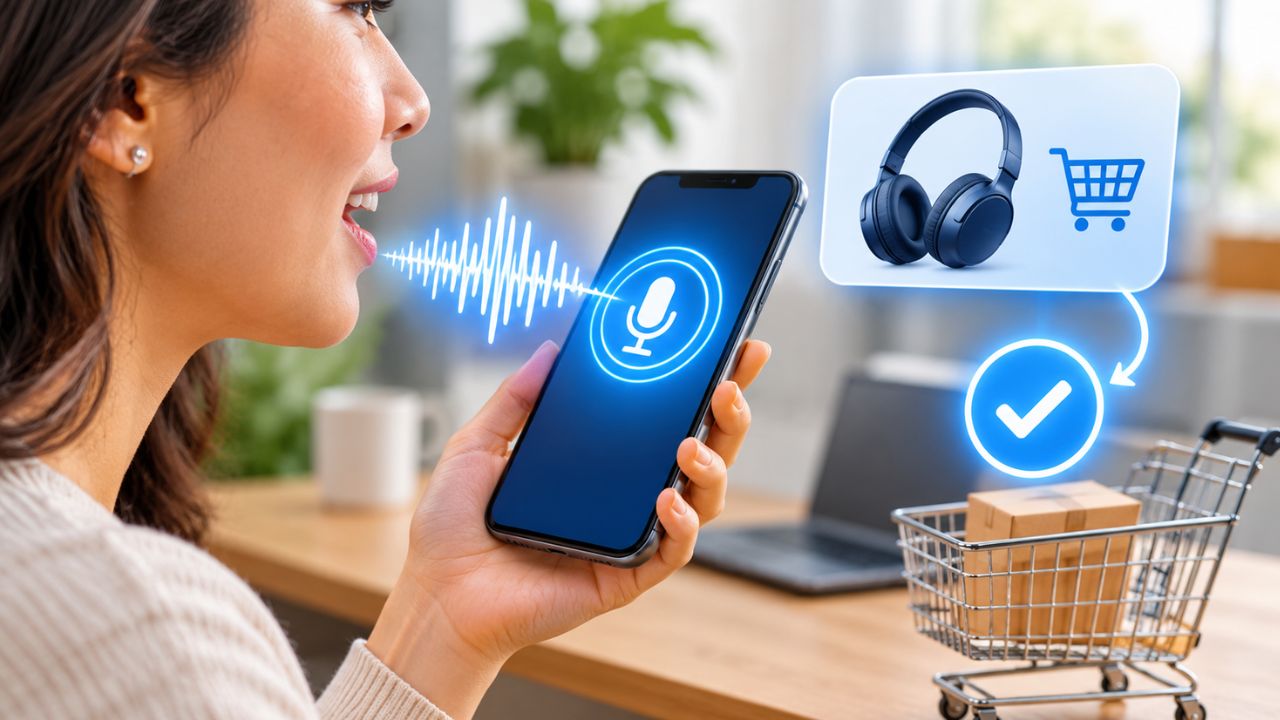
NLP can make the user interface easier to use and more personable. People use everyday language to ask questions, so a system that truly understands them is less confusing. NLP-driven personalization lets customers skip menus or wait times. For example, a user could type their request instead of clicking through a website or app.
Clear, relevant suggestions based on past behaviors or questions help people find what they need faster. Enterprise systems that adapt in this way cut down on errors and wasted time. The whole service feels friendlier and smarter, giving each person a sense that the technology is working for them, not just with them.
Higher Retention Rates
Personalization can help keep customers longer. When a customer feels recognized and gets useful guidance, they are less likely to switch to another provider. They know they will get consistent, quality help each time they interact with the system.
Companies with smart NLP solutions often see return visits from clients who appreciate the personal touch. These returning customers tend to recommend the service to others, further supporting the business. Azumo can assist companies in adding these personalized features to their customer engagement platforms for a more connected customer experience.
How NLP Personalization Works in Enterprise Systems

NLP personalization in enterprise systems supports better customer interactions by tailoring communication and content. These techniques use data-driven features that help platforms understand user preferences, communicate effectively, and adjust in real time.
Advanced User Profiling
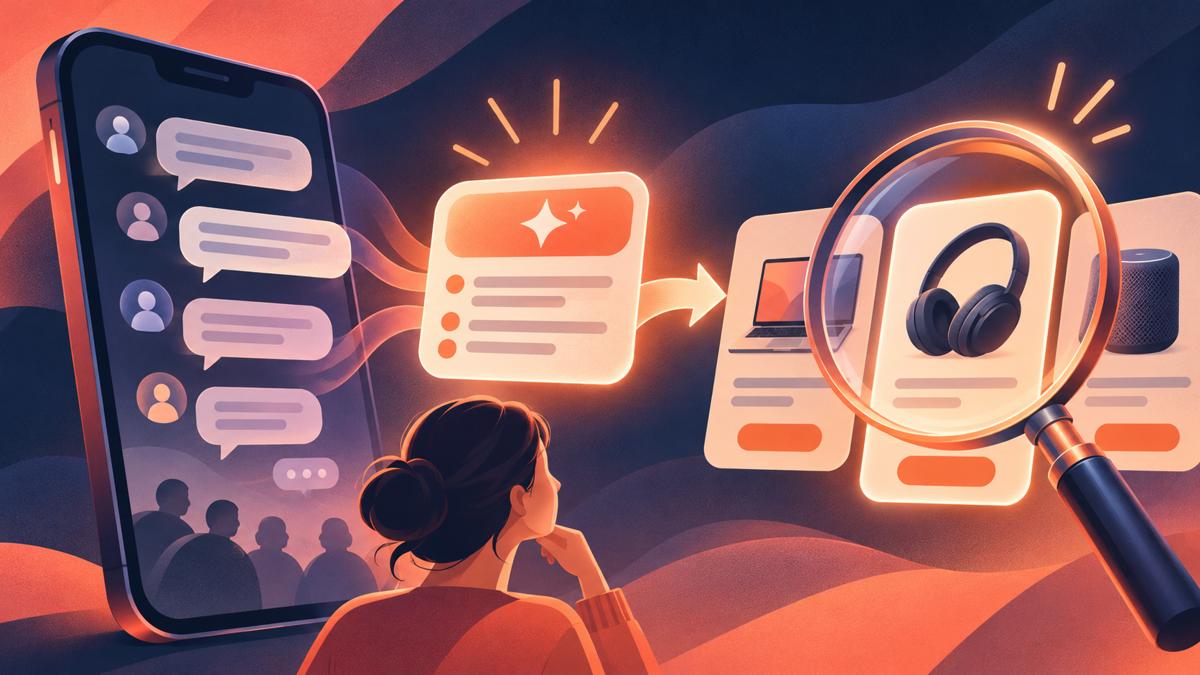
Enterprise systems use NLP to build user profiles by collecting and analyzing data from various interactions. They look at previous customer questions, feedback, and behaviors to spot trends and preferences. This data is sorted and updated often, allowing the system to form a detailed picture of each user.
User profiling may include personal details, product interests, and service usage patterns. The process supports personalized recommendations and communications. For example, when a customer logs in, the system can greet them by name and recall their past inquiries or purchases.
NLP-driven profiling helps match services and messages to individual needs. This targeted approach leads to more meaningful and efficient support.
Intent Recognition and Response
NLP uses machine learning to determine what a customer wants from each message or query. The system scans text for keywords, patterns, and emotional context to predict intent, such as requesting information, making a complaint, or seeking tech support.
Based on the recognized intent, the system generates an accurate and timely response. Quick recognition of intent can reduce wait times, increase satisfaction, and help route complex issues to the right human agent when needed.
This process can automate routine questions while reserving more complicated cases for personalized follow-up. Effective intent recognition supports smooth conversations and can lower overall support costs.
Real-Time Content Adaptation
With NLP, enterprise platforms adjust their content and responses while a conversation is happening. The software examines user input immediately, then uses that information to shape responses that match the situation and context.
For example, an automated system might shift its language tone if it detects a frustrated message or offer special promotions to long-time users during chats. This real-time adaptation keeps interactions relevant and efficient so customers receive information that fits the moment.
Real-time analysis also supports accurate suggestions and next steps, improving communication flow. Azumo’s team specializes in developing NLP features that adapt content on the fly to support business needs.
Conclusion
NLP personalization in enterprise systems lets organizations respond to customer needs in a more direct and meaningful way. By using language models to understand and personalize each interaction, companies can offer responses and suggestions that fit each customer’s preferences.
This approach builds stronger customer relationships and increases satisfaction. Personalized experiences based on natural language insights support customer loyalty and keep users more engaged with the platform.
Azumo’s expertise can help businesses use NLP personalization to improve how they connect with their customers. The right setup allows enterprises to keep pace with changing customer expectations and stay ahead in customer engagement.