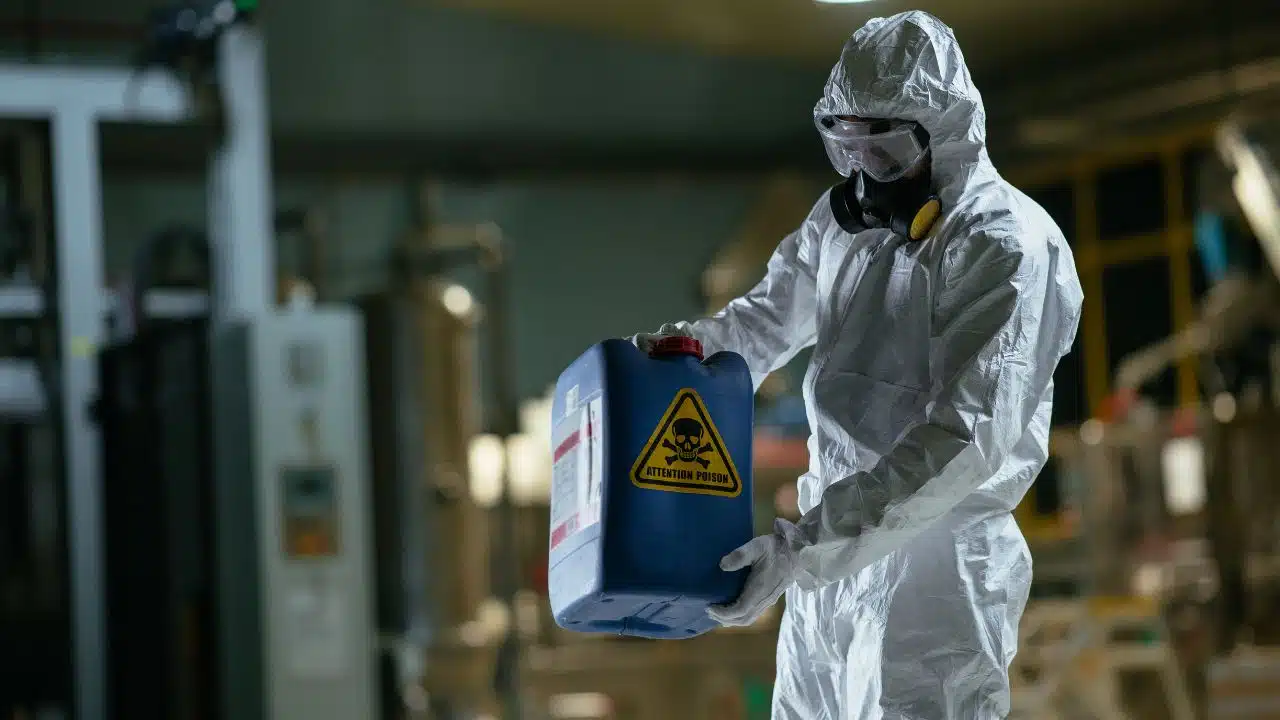
Living near Houston’s Chemical Corridor places you near a hotbed of potential toxic exposure. This area houses numerous facilities that may release harmful chemicals. When these substances leak, they can pose serious health risks. The air you breathe could carry toxins that harm your body, leading to long-term health problems. You may wonder what steps to take after such exposure. Knowing your rights is crucial. A Houston personal injury attorney for toxic exposure cases can guide you through the legal process.
They can help determine if you have a case and how to proceed. Understanding your legal options is essential. Your health and well-being matter. Taking action promptly can make a significant difference. Seeking medical attention is your first step. Then, consulting an attorney ensures that you are protected and informed. With the right support, you can navigate this challenging situation with confidence.
Understanding Toxic Exposure
Toxic exposure occurs when harmful chemicals enter your body. This can happen through inhalation, skin contact, or ingestion. Common symptoms include headaches, dizziness, respiratory issues, and skin irritation. Long-term effects might be more severe, with conditions like cancer or organ damage. The Centers for Disease Control and Prevention (CDC) reports that exposure to certain chemicals can cause acute and chronic health effects.
Common Chemicals in the Corridor
Houston’s Chemical Corridor is known for a range of substances. Some pose greater risks than others. Here’s a comparison of common chemicals found in the area:
| Chemical | Exposure Route | Common Health Effects |
| Benzene | Inhalation | Respiratory issues, cancer risk |
| Ammonia | Inhalation, skin contact | Skin irritation, respiratory problems |
| Formaldehyde | Inhalation | Asthma, cancer risk |
Immediate Steps After Exposure
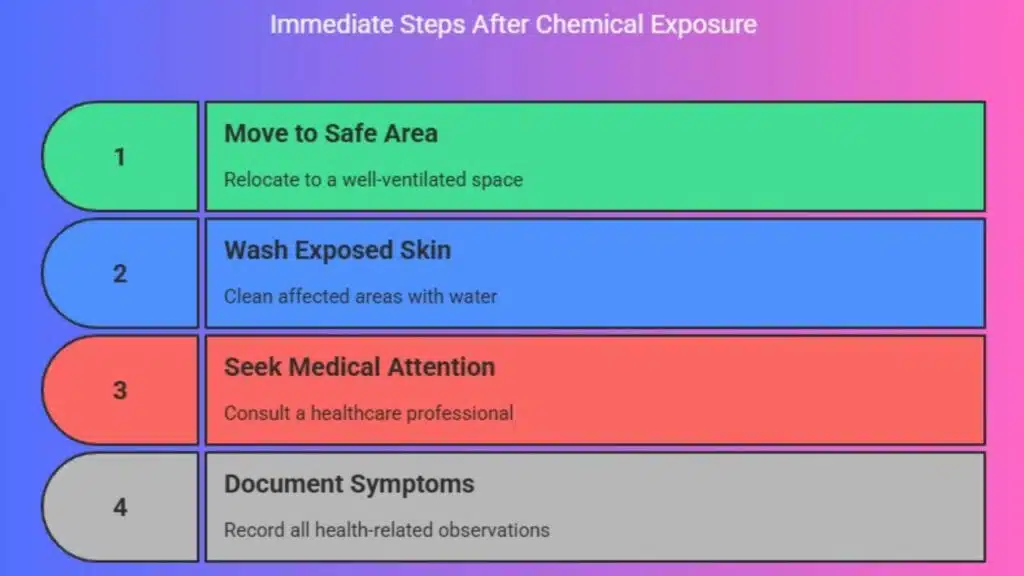
If you suspect exposure to toxic chemicals, immediate action is necessary. First, move to a safe and ventilated area. Then, wash exposed skin thoroughly with water. Seek medical attention to assess any health impact. Document all symptoms and medical evaluations as they can support your legal case.
Legal Rights and Actions
Understanding your legal rights is paramount. You may be entitled to compensation for medical costs, lost wages, and pain and suffering. A qualified attorney will assess your situation and offer guidance. The Environmental Protection Agency (EPA) emphasizes holding facilities accountable for unlawful chemical releases.
Choosing the Right Attorney
Selecting an experienced attorney ensures you receive the compensation you deserve. Look for someone with a history of handling toxic exposure cases. They should be familiar with local laws and regulations. Their expertise will be crucial in navigating the complexities of your case.
Community and Support Resources
Beyond legal action, consider engaging with community support groups. They offer emotional support and additional resources. Check local health departments for updates on chemical safety and exposure prevention. Staying informed empowers you and your community.
Prevention and Safety Tips
- Stay informed about local industrial activities.
- Install air purifiers in your home to reduce indoor pollutants.
- Use protective gear if you work near hazardous materials.
Being proactive about safety can reduce risks associated with toxic exposure. Share this information with your neighbors to build a safer community together.
Conclusion
Living near Houston’s Chemical Corridor requires vigilance and awareness. Understanding the dangers and your legal rights after exposure is crucial. Take immediate action for your health and seek legal counsel to protect your interests. Remember, your well-being is important. With knowledge and support, you can manage the challenges of toxic exposure effectively.