
You might feel lost in a maze of labels when you shop for skin care. Finding a clean cream can feel like hunting a four-leaf clover. This search can harm your skin health, and fill landfills.
Research shows the ayurvedic skincare market will grow at 16.14% each year. This post leans on ayurvedic medicine, herbs like neem and aloe vera, and a holistic approach to help you swap harsh creams for herbal remedies.
Learn to tailor a face wash to your vata dosha, and pick sustainable packaging for every bottle. Read on.
Key Takeaways
- The Ayurvedic skincare market in India will grow 16.14% each year. Brands like Forest Essentials use neem, aloe vera, and ginseng oils in glass jars to balance vata, pitta, and kapha without plastic waste.
- Practitioners cite the Charaka Samhita (600 BCE) and AYUSH-approved Quality Council of India. They craft fair-trade, chemical-free herbs and run panchakarma detox with oil massage and steam.
- A 2021 study at the National Institute of Medical Sciences and Research in Jaipur found 100% COVID-19 recovery in one week with Ayurvedic treatments versus 60% in a control group, mirroring panchakarma’s pore-cleansing power.
- Artisans hand-grind neem, basil, and turmeric by cold-press methods from 1800 BC. Brands pack powders in compostable jars or clay pots to cut the 120 billion annual beauty packaging units.
- India offers Bachelor’s degrees in Ayurvedic Medicine and Surgery, while the U.S. still lacks formal licensing, underlining India’s drive to blend tradition, wellness, and eco-friendly beauty.
The Role of Ayurveda in Eco-Friendly Beauty

Traditional herbal remedies lean on the spice root, neem leaf, and tropical extract to nourish skin with zero plastic waste, like a green hug from head to toe. Brands map each airy energy type and fiery energy type with simple glass jars, to keep skin calm, balanced, and earth happy.
Use of sustainable herbs and ingredients
Artisans hand grind neem leaves, basil and turmeric in oil extraction units. Cold-pressing methods date back to 1800 BC. This process cuts plastic waste in a beauty world that churns out 120 billion packaging units per year.
Brands pick ayurvedic skincare with antibacterial properties to soothe skin. Fair trade aloe vera gel, herbal oil blends and ginseng relative root oils boost regeneration. Organic ingredients follow ayurvedic practices and calm vata, pitta and kapha dosha gently.
Holistic approach to skincare and wellness
Ayurvedic skincare molds to each person’s dosha, like Vata, Pitta, or Kapha, to balance skin health at the root. Nutrition, mindful rituals, and herbal remedies form a holistic approach that soothes and heals.
Brands like Forest Essentials use coconut oil, aloe vera, and neem to calm inflammation and boost moisture. Most products come in organic packaging, with zero waste goals.
Shoppers seek clear labels and eco-friendly ayurvedic beauty items free of chemicals. Ayurvedic practitioners cite Caraka Samhita as a guide for sustainable agriculture and chemical-free skincare recipes.
It aligns body, mind, and spirit by balancing air, fire, and earth energies.
Traditional Remedies Inspiring Modern Beauty Practices
Plant pastes made from neem and turmeric calm vata dosha and soothe stressed-out skin. Panchakarma steam therapy shapes spa menus from New Delhi to LA, sparking fresh takes on green beauty.
Incorporation of ancient rituals into daily routines
Ancient rituals fit well into daily life. They tie ayurvedic principles to each sunrise and sunset.
- Inhale eucalyptus steam each morning from a bowl of hot water. It clears Kapha, it boosts lung power, and it brings forest essentials vibes to skin health.
- Diffuse lavender oil before your yoga flow to calm Vata. It lifts mood, it aids mindfulness, and it links herbal remedies to ayurvedic skincare.
- Smear forest essentials sandalwood water on your face after cleansing. It cools Pitta, it fights irritation, and it lifts ayurvedic beauty with natural ingredients.
- Massage warm coconut oil with a drop of rosemary into limbs each dusk. This Abhyanga ritual boosts circulation, it cuts muscle pain, and it flushes toxins for balanced skin health.
- Press basil and rosemary oil to temples mid-afternoon. It sparks mental clarity, it soothes stress, and it echoes ancient medic’s natural healing in ayurvedic medicine.
- Blend neem and turmeric in a nightly bath soak. It taps antibacterial properties, it calms inflammation, and it mirrors panchakarma purity for organic ingredients.
Panchakarma and its relevance in beauty care
Five-step detox flushes toxins and revives skin glow. Practitioners use warm oil massage, herbal purge, therapeutic steam and herbal decoctions. This ayurvedic therapy balances doshas to calm vata, pitta or kapha types.
Organic skincare taps herbal remedies, natural ingredients and sustainable practices, to boost skin health.
In 2021, the National Institute of Medical Sciences and Research in Jaipur ran a study. It found one hundred percent recovery from COVID-19 within one week for patients treated with Ayurveda, versus sixty percent in the control group.
That deep cleanse mirrors how Panchakarma clears pores and boosts radiance. The Quality Council of India under AYUSH verifies product quality, so you can trust ayurvedic skincare picks.
India offers formal Bachelor’s degrees in Ayurvedic Medicine and Surgery, while the U.S. still lacks formal licensing.
Natural Ingredients in Ayurvedic Beauty
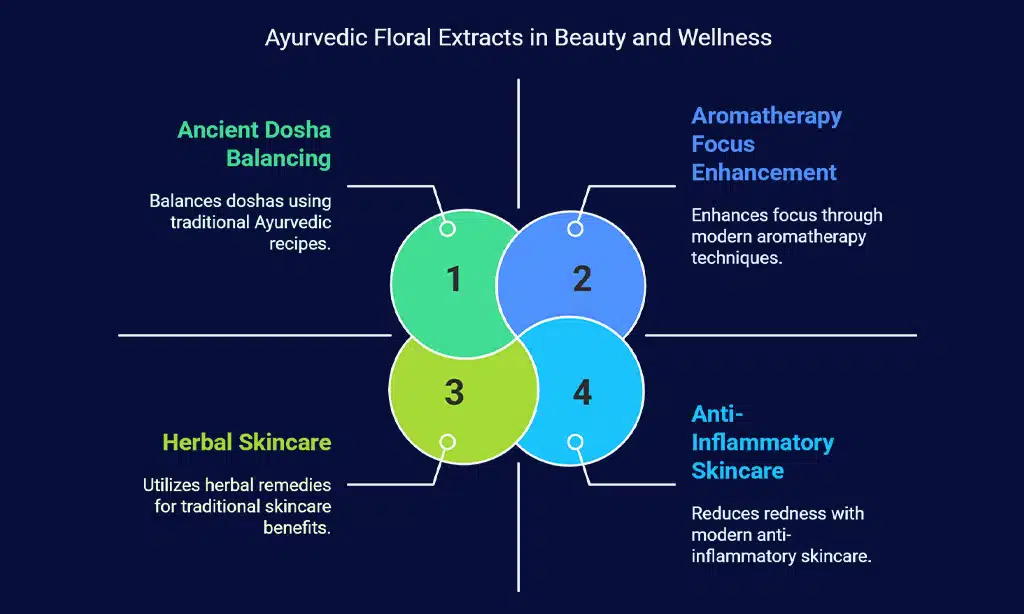
Aromatic wood, spice root, and leaf extract dance into fresh masks, they calm restless vata and soothe fiery pitta. A humble mortar grinds these raw parts into a silky paste, one your skin drinks up like morning dew.
Sandalwood, neem, and turmeric
These three natural ingredients shape ayurvedic beauty and boost skin health. They bring herbal remedies into a chemical-free skincare routine.
- Sandalwood has been part of ayurvedic skincare for centuries. It cools redness, reduces oil, and smooths fine lines with a soft aroma. Organic skincare brands tap sandalwood oil in masks and follow sustainable practices.
- Neem oil smells grassy but fights acne and bacteria. It offers strong antibacterial properties for oily and combination skin. Ayurvedic medicine relies on neem for acne treatment and farmers use sustainable agriculture.
- Turmeric brings a bright glow with curcumin power. It reduces inflammation and scars, fights acne, and balances vata dosha. Brands wrap powders in recyclable jars to cut plastic waste.
Essential oils like jasmine and lavender
Jasmine and lavender oils shine in eco-friendly beauty. They calm skin and lift moods.
- Jasmine essence flows from flower heads via steam distillation, it scents room and skin in organic skincare rituals, it soothes pitta dosha in chemical-free regimes.
- Lavender extract holds esters, its antispasmodic power eases tension, it joins herbal remedies in ayurvedic skincare and adds spa calm to daily self-care.
- Both floral extracts use natural ingredients, offer terpenes, they fight redness with anti-inflammatory action, they shield skin from microbes in clean beauty blends.
- Forest Essentials and 400 plus ayurvedic beauty brands fill dark glass bottles with these oils, they adopt sustainable packaging to cut waste.
- A 2021 study from a meditation retreat found these scents heighten focus in aromatherapy, they calm nerves during arati and mantra in ayurvedic medicine.
- Ancient Charaka Samhita from 600 BCE credits a sage recipe of jasmine water with coconut oil to balance kapha and vata dosha, it shaped herbal remedies in Sanatana Dharma.
Benefits of Ayurvedic and Eco-Friendly Beauty
Turmeric masks calm skin, and aloe vera soothes dry patches without harsh chemicals. Neem oil fights bacteria like a tiny warrior, so your Pitta dosha feels balanced and the planet breathes easier.
Gentle on skin and the environment
Neem oil calms acne. It fights bacteria gently, like a soft breeze on skin. A balanced Vata, Pitta, and Kapha mix stops dryness and redness. Sandalwood paste cools sunburn and glows cheeks.
Green packaging cuts plastic waste. Forest Essentials jars reuse clay pots, they look rustic and chic. This organic approach avoids harsh sulfates and parabens that clog rivers. Panchakarma clinics set up compost bins for herb scraps, a small step for cleaner streams.
Promotes long-term wellness and balance
Ayurvedic beauty addresses skin issues at their source for lasting wellness and balance. It adapts herbal remedies for each dosha, enhancing skin health and complete harmony.
Organic skincare relies on sustainable practices and herbal ingredients like turmeric and sandalwood for deep care. Jasmine and lavender essential oils function as non-toxic, multifunctional adaptogens, helping the body manage stress while providing antibacterial and therapeutic benefits.
Takeaways
This style roots eco-beauty in a holistic approach, mixing age-old herbal remedies with green chemistry, while cutting plastic waste. Brands tap panchakarma and massage therapy in spa rituals, giving skin a deep, gentle clean.
Plant oil and leaf extract boost skin health, and they come in compostable jars. This blend of tradition and environmental sustainability sparks joy, and it helps local farmers. India now leads a shift to clean, conscious skincare, and it feels good to join.
FAQs on Eco-Friendly Beauty in India
1. What makes ayurvedic beauty eco friendly?
Traditional medicine uses herbal remedies, not harsh fixers. It taps into natural ingredients, cuts waste, and uses sustainable practices. Many ayurvedic beauty brands back clean beauty and guard environmental sustainability. It follows a holistic approach.
2. How do herbal remedies boost skin health?
Herbal remedies like aloe vera gel bring therapeutic properties. It’s like wrapping your skin in a cool blanket. They calm irritation, they aid natural healing, and they support skin health.
3. Why do ayurvedic beauty brands use organic ingredients?
Organic skincare brands, like Forest Essentials, swap harsh chemicals for plant extracts. They pick organic ingredients, offer chemical free skincare, and back sustainable packaging. They match clean beauty goals and boost environmental sustainability.
4. How do doshas guide skincare routines?
A dosha test sorts body types into vata dosha, pitta dosha, or kapha dosha. Each type needs a special mix of ayurvedic oils and herbs. This holistic approach tunes formulas to each skin need.
5. Can traditional medicine fight bacteria and heal wounds?
Yes, ayurvedic herbs carry antibacterial properties. They calm itch from athlete’s foot, they aid skin repair, and they work in massage therapy mixes.
6. How do ayurvedic traditions shape sustainable beauty?
Ancient texts, like the vedas and sruti, show healers to use simple, clean tools. They guide sustainable living, back sustainable agriculture, and spark eco friendly beauty products. They teach us to walk hand in hand with earth.